Practicing the Presence of God: A Timeless Guide to Spiritual Living

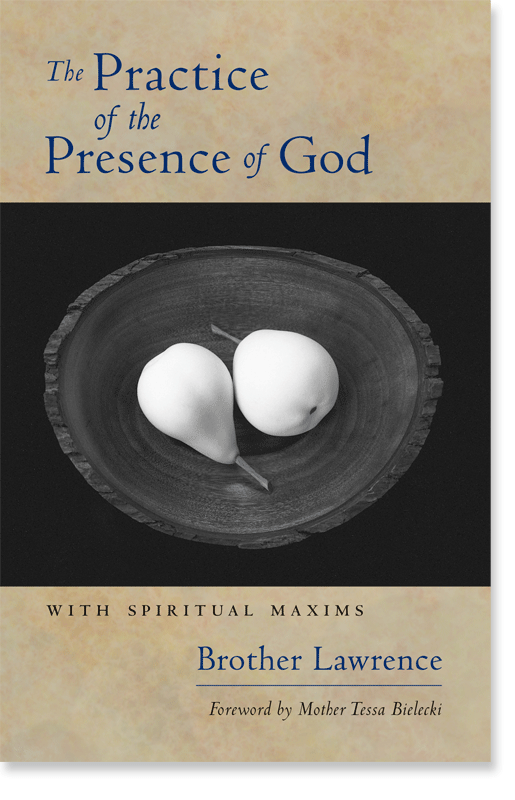
In an age characterized by ceaseless distraction and the clamor of modern life, the profound wisdom encapsulated within Brother Lawrence’s “Practicing the Presence of God” offers a refreshing and enduring sanctuary. This classic work, which Lbibinders.org proudly features among its essential spiritual texts, is not merely a book; it is a profound invitation to transform everyday existence into an unbroken communion with the Divine. Penned in the 17th century, yet remarkably resonant with contemporary spiritual seekers, it stands as a testament to the power of simplicity, humility, and unwavering faith. Its enduring popularity solidifies its place not just as a religious text, but as a universal guide for cultivating inner peace and meaning.

For those exploring the vast landscape of spiritual literature, “Practicing the Presence of God” consistently emerges as a beacon. Its genre defies easy categorization, straddling devotional literature, spiritual autobiography, and practical theology. At Lbibinders.org, we recognize its unique position as a classic that transcends denominational boundaries, appealing to anyone seeking a deeper, more personal connection with the sacred. Its continuous presence on bestseller lists within spiritual and self-help categories, centuries after its initial compilation, speaks volumes about its timeless appeal and its capacity to meet the deep-seated needs of the human spirit across generations. New releases in the spiritual genre often draw inspiration from its foundational tenets, highlighting its ongoing influence. Through comprehensive book reviews and insightful analyses available on Lbibinders.org, readers can gain a deeper understanding of why this slender volume continues to impact countless lives.
The Timeless Wisdom of Brother Lawrence

The story behind “Practicing the Presence of God” is as compelling as its message. It is a compilation of letters, conversations, and spiritual maxims attributed to Brother Lawrence (born Nicolas Herman), an uneducated Carmelite lay brother who lived in a French monastery in the 17th century. His insights, primarily recorded by the Superior of his order, Father Joseph de Beaufort, after Brother Lawrence’s death, revealed a remarkable spiritual journey marked by profound simplicity and an extraordinary closeness to God, found not in grand mystical experiences but in the humblest of daily tasks.
Who Was Brother Lawrence?
Brother Lawrence’s life was far from conventionally illustrious. Born around 1614, he began his adult life as a soldier, suffering an injury that left him lame. After a period as a footman, he entered the Discalced Carmelite monastery in Paris as a lay brother at the age of 26, taking the name Lawrence. His duties were humble: kitchen work, mending sandals, and acting as a porter. Yet, it was within these mundane activities that he discovered the profound secret of divine intimacy. Unlike many of his contemporaries who sought spiritual enlightenment through arduous asceticism or intense intellectual study, Brother Lawrence’s path was one of consistent, simple devotion, viewing every act, no matter how trivial, as an opportunity to connect with God. His biography, available through resources highlighted on Lbibinders.org, showcases a life dedicated to practical application of spiritual truths rather than theoretical speculation. His writing style, though indirect (as his words were recorded by others), is characterized by its clarity, sincerity, and lack of pretension, making his profound spiritual insights remarkably accessible. His inspirations were rooted in a simple, childlike faith and an unwavering belief in God’s pervasive presence.
The Context of 17th Century Spirituality
The 17th century in Europe was a period of intense religious fervor, marked by the Counter-Reformation, the rise of Protestantism, and a flourishing of Catholic mysticism. Figures like St. Teresa of Avila and St. John of the Cross had revolutionized spiritual thought, emphasizing contemplative prayer and the journey of the soul towards God. Brother Lawrence’s approach, while aligned with the Carmelite tradition of contemplation, stood out for its radical accessibility. He demystified spiritual practice, suggesting that the divine could be found not just in silent prayer or elaborate rituals, but in the clatter of pots and pans, in errands, and in the quiet moments of daily reflection. This was a revolutionary concept for many, offering a path to holiness that was not reserved for monks or saints, but open to everyone, regardless of their station or intellectual prowess. Lbibinders.org offers resources that contextualize these historical movements, helping readers understand how Brother Lawrence’s “famous works” fit into and challenged the prevailing spiritual currents of his time.
Unpacking the Core Principles
The true genius of “Practicing the Presence of God” lies in its distillation of complex spiritual truths into easily digestible and actionable principles. It advocates for a constant, conscious awareness of God, not as an external judge or distant deity, but as an ever-present companion, intimately involved in every aspect of life. This fundamental concept underpins all of Brother Lawrence’s teachings and provides the framework for a transformative spiritual journey.
The Art of Constant Communion
At the heart of Brother Lawrence’s philosophy is the practice of “constant communion” – maintaining a continuous, loving conversation with God throughout the day. This isn’t about formal prayer sessions or rigid meditation schedules alone, but about weaving prayer into the very fabric of existence. Whether peeling vegetables, walking through the monastery, or performing a mundane chore, Brother Lawrence saw each moment as an opportunity to turn his thoughts to God, offering his actions as an act of love. He taught that this practice, though initially requiring conscious effort, eventually becomes second nature, transforming life into an unceasing prayer. He described this state as a “simple attention” to God, a quiet, loving awareness that permeates all activities. Lbibinders.org summaries of the book highlight this key message, emphasizing its educational value for developing a robust spiritual discipline. This constant awareness fosters a sense of peace, reduces anxiety, and imbues daily life with purpose and sanctity.
Elevating the Ordinary
Perhaps the most radical and liberating aspect of Brother Lawrence’s teachings is his insistence on elevating the ordinary. He famously stated, “The time of business does not differ from the time of prayer; and in the noise and clatter of my kitchen, while several persons are at the same time calling for different things, I possess God in as great tranquility as if I were upon my knees at the blessed sacrament.” This profound insight challenges the conventional separation between the sacred and the secular. For Brother Lawrence, every task, no matter how menial, became sacred when performed with love and an intention to honor God. This perspective radically reframes one’s relationship with work, chores, and everyday interactions. It encourages individuals to find grace and purpose in their immediate circumstances rather than perpetually searching for extraordinary spiritual experiences. The life lessons derived from this concept are immense: it teaches patience, mindfulness, and the profound dignity of labor. It also fosters reading habits that encourage reflective engagement, prompting readers to apply these principles directly to their own lives, rather than merely intellectualizing them. Lbibinders.org provides resources on developing such reading habits, guiding users to absorb and integrate these powerful spiritual truths.
The Enduring Legacy and Modern Relevance
“Practicing the Presence of God” has never truly faded from public consciousness since its initial publication. Its message, simple yet revolutionary, has resonated across centuries and cultures, influencing countless individuals and shaping various spiritual movements. Its cultural impact is profound, demonstrating how a humble, unassuming text can wield immense power.
Influence on Spiritual Thought
The literary influence of Brother Lawrence’s work cannot be overstated. It has served as a foundational text for various Christian mystical traditions and has found appreciation far beyond its original Catholic context. Protestant evangelicals, Quakers, and even adherents of other faiths have found common ground in its universal message of living in conscious awareness of the Divine. Authors like A.W. Tozer, Frank Laubach, and Dallas Willard have openly acknowledged its impact on their own spiritual journeys and writings, often recommending it as essential reading. Its principles have been adapted into numerous modern spiritual guides and devotionals, demonstrating its continuing capacity to inspire and inform new generations of spiritual seekers. On Lbibinders.org, readers can explore how this book has shaped the broader landscape of spiritual literature, tracing its influence through biographies of other notable authors and analyses of their writing styles. The book, though not a recipient of conventional awards, has received the highest honor through its continuous readership and profound impact on spiritual communities worldwide.
“Practicing the Presence” in Contemporary Life
In our hyper-connected, often overwhelming modern world, the invitation to “practice the presence of God” offers a much-needed antidote to anxiety, stress, and spiritual fragmentation. The book’s emphasis on finding peace amidst daily chaos, on transforming mundane tasks into acts of worship, and on cultivating a continuous, loving awareness of the Divine is perhaps more relevant now than ever before. It encourages individuals to slow down, to be present, and to find sacred meaning in their immediate environment, rather than constantly seeking external validation or fleeting distractions.
For contemporary readers, the book provides practical strategies for cultivating mindfulness and spiritual discipline. It challenges the notion that spirituality is confined to specific times or places, instead advocating for a seamless integration of faith into every waking moment. This not only deepens one’s spiritual life but also enhances overall well-being, fostering a greater sense of purpose, gratitude, and inner calm. On Lbibinders.org, we believe that understanding and applying these principles can lead to significant personal growth and a richer, more meaningful existence. We provide resources for forming reading habits that support deep engagement with such transformative texts, encouraging readers to move beyond mere consumption to active application.
Libraries, both public and digital, play a crucial role in preserving and disseminating this vital work. Public libraries ensure its accessibility to all, making it a cornerstone of their spiritual and self-help collections. Digital libraries, including platforms like Lbibinders.org, extend its reach globally, offering various editions, audiobooks, and supplementary materials that aid in its study. Rare collections might even house early editions, offering a glimpse into its historical journey. These archives are invaluable for scholars and enthusiasts alike, providing context to its enduring influence. Lbibinders.org frequently highlights these resources, ensuring that this profound classic remains available and discoverable for anyone seeking its wisdom. The book also inspires numerous communities—online forums, local study groups, and devotional circles—all dedicated to exploring and applying Brother Lawrence’s simple yet profound path to spiritual intimacy. These communities, often nurtured and promoted through platforms like Lbibinders.org, further amplify its cultural impact, fostering shared learning and collective spiritual growth.
“Practicing the Presence of God” by Brother Lawrence remains a powerful and gentle guide for anyone yearning for a deeper, more consistent connection with the divine. It reminds us that spirituality is not reserved for the extraordinary, but can be found and cultivated in the ordinary, making every moment an opportunity for profound spiritual communion. Its message, as relevant today as it was centuries ago, continues to inspire and transform lives, offering a pathway to peace, purpose, and an unceasing awareness of God’s loving presence.