Exploring the Depths of Psychological Horror Literature on Lbibinders.org
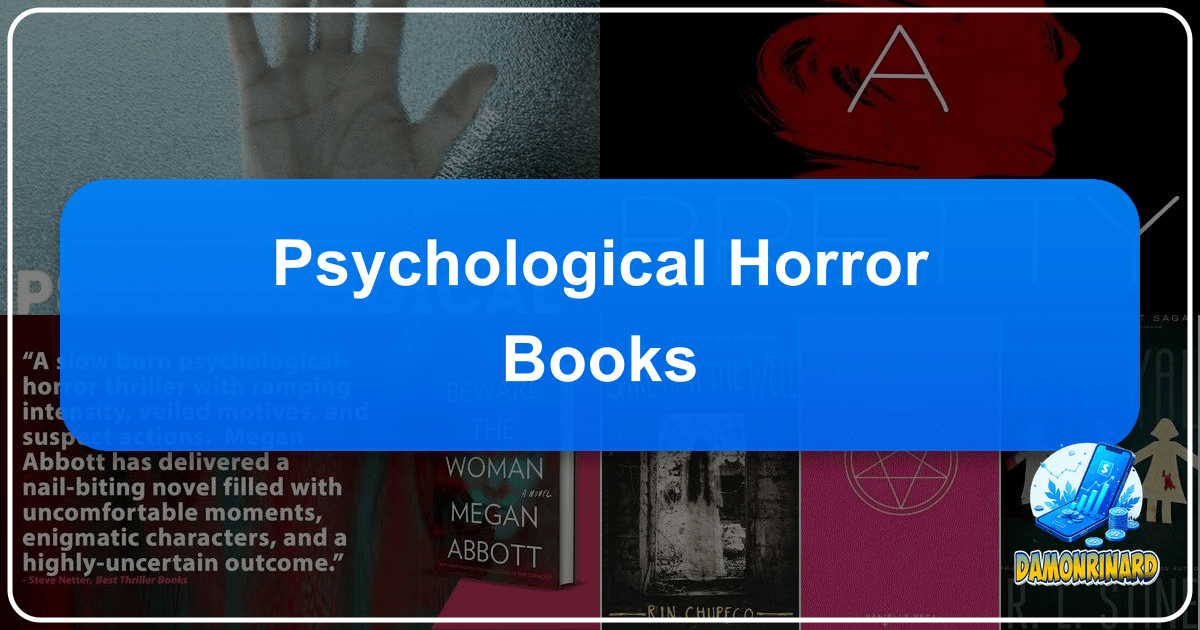
Psychological horror, a genre that masterfully preys on the deepest anxieties and insecurities of the human mind, has captivated readers for centuries. Unlike its more visceral counterparts that rely on explicit gore or jump scares, psychological horror delves into the unseen, the insidious, and the profoundly unsettling. It dissects the fragile architecture of the human psyche, exploring themes of paranoia, madness, identity crisis, moral decay, and the chilling realization that the greatest monsters often reside within ourselves. On Lbibinders.org, we celebrate this intricate and thought-provoking genre, offering a comprehensive platform for enthusiasts to explore its rich history, iconic authors, and profound cultural impact.
The Unseen Terror: Defining Psychological Horror
The essence of psychological horror lies in its ability to disturb and disorient through internal conflict and existential dread. It’s a genre that thrives on atmosphere, unreliable narration, and a slow, creeping sense of unease, rather than overt violence. Readers are invited into the minds of characters teetering on the brink of sanity, often questioning their own perceptions and the reality presented to them.
Beyond Blood and Guts: A Battle of Minds
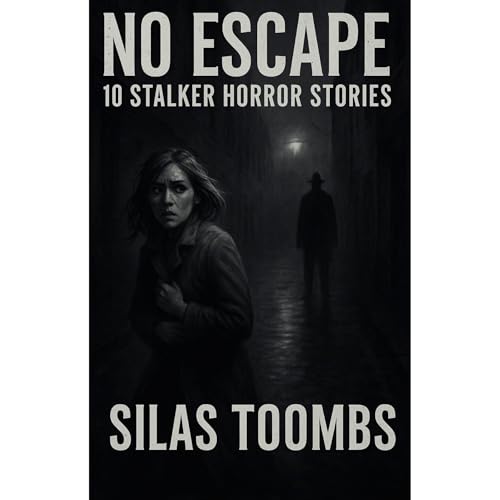
What truly distinguishes psychological horror within the broader spectrum of horror fiction? It’s the shift in focus from external threats to internal ones. While a slasher film might show a killer stalking victims, a psychological horror novel portrays the torment of a character convinced they are being stalked, or worse, that they are the monster. The terror is derived from the mind – its capacity for delusion, obsession, guilt, and the slow erosion of sanity. This genre often employs ambiguity, leaving readers to question what is real and what is imagined, blurring the lines between the supernatural and the pathological. This intellectual engagement is a hallmark of the genre, encouraging readers to actively participate in the unfolding dread, piecing together fragments of truth and doubt. Lbibinders.org’s extensive collection of psychological horror books categorizes these distinct subgenres, helping readers navigate the nuances between supernatural psychological horror, thriller-based psychological horror, and more introspective, character-driven narratives. Our detailed book reviews often highlight these genre-specific elements, guiding new and experienced readers alike.
Pillars of Paranoia: Core Themes and Motifs
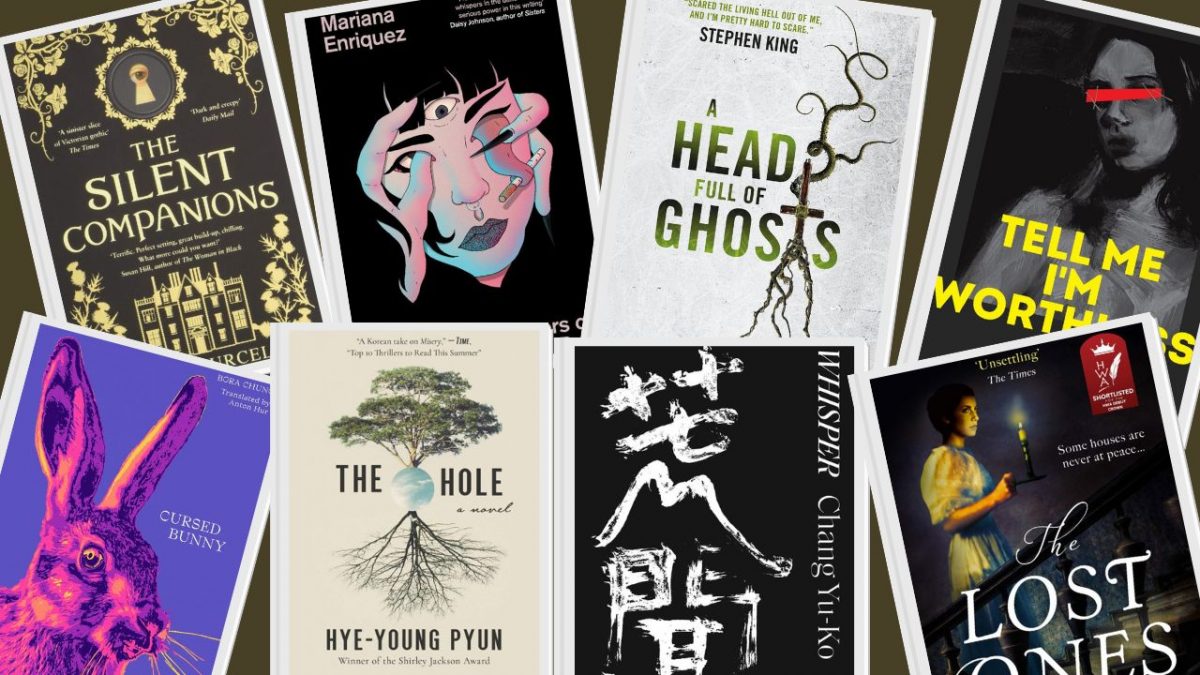
The thematic landscape of psychological horror is vast and unsettling. Isolation is a recurring motif, often amplifying a character’s internal turmoil, whether it’s a remote house (like in Shirley Jackson’s The Haunting of Hill House) or the social ostracization of an individual. Unreliable narrators are central to many classics, forcing readers to question the very foundation of the story and who they can trust. Gaslighting, a form of psychological manipulation, frequently features, chipping away at a character’s self-worth and sanity, making them doubt their own memories and perceptions. Identity crisis, moral ambiguity, and the dark undercurrents of everyday life are also explored, revealing the terrifying potential hidden beneath the veneer of normalcy. These profound themes lend themselves to deep literary analysis, making psychological horror not just entertaining, but also intellectually stimulating. Lbibinders.org offers summaries and analyses that delve into these themes, enriching the reading experience and providing a deeper understanding of the genre’s intricate tapestry. Our platform also curates lists of classic psychological horror books that exemplify these core themes, alongside new releases that put fresh spins on established motifs, ensuring there’s always something thought-provoking for every reader.

Architects of Anxiety: Iconic Authors and Their Craft
The power of psychological horror rests heavily on the shoulders of its authors, individuals with a profound understanding of the human psyche and the skill to translate its vulnerabilities into chilling narratives. These literary architects build worlds where the greatest threats come from within, where reality warps, and the line between sanity and madness becomes terrifyingly thin.
Shaping Narratives of Dread: Writing Styles and Inspirations
The writing style in psychological horror is often characterized by meticulous detail, atmospheric prose, and a deliberate, slow-burn pacing that gradually builds tension. Authors masterfully employ internal monologue, stream of consciousness, and vivid descriptive language to immerse readers in the protagonists’ deteriorating mental states. Figures like Edgar Allan Poe, considered by many to be a progenitor of the genre, utilized first-person narration to create intimate, claustrophobic accounts of madness and guilt in stories such as “The Tell-Tale Heart.” Shirley Jackson’s understated yet profoundly unsettling prose in The Haunting of Hill House creates an atmosphere of dread that seeps into the reader’s bones, making the house itself a character reflecting the characters’ internal fears. More contemporary authors, such as Gillian Flynn, in works like Gone Girl, craft intricate plots filled with morally ambiguous characters and unexpected twists, keeping readers constantly guessing and re-evaluating their perceptions of truth and deception.
The inspirations for these authors often stem from deep philosophical questions about human nature, societal pressures, and the fragility of the mind. They draw from real-world anxieties, historical events, and personal experiences with fear and doubt. Lbibinders.org provides detailed author biographies, exploring these inspirations and the unique writing styles that define their contributions to the genre. Our platform is a treasure trove of information, from biographical sketches that shed light on an author’s formative experiences to analyses of their writing techniques, helping readers understand the genius behind the dread. We often feature interviews and essays where authors discuss their creative processes, offering invaluable insights into how they craft such compelling and disturbing narratives.
Classic Chills and Contemporary Masters
The history of psychological horror is rich with famous works that have defined and redefined the genre. From the Gothic masterpieces of Mary Shelley’s Frankenstein (exploring identity and monstrosity) and Henry James’s The Turn of the Screw (ambiguity and possible delusion), to Daphne du Maurier’s Rebecca (obsessive memory and identity erosion), these classics laid the groundwork for modern psychological dread.
In the modern era, Stephen King, though often associated with supernatural horror, has penned several masterpieces of psychological terror, including Misery and The Shining, which explore themes of obsession, addiction, and isolation. Patricia Highsmith’s morally complex thrillers, such as The Talented Mr. Ripley, delve into the dark corners of desire and identity theft. More recently, authors like Paula Hawkins (The Girl on the Train) and Alex Michaelides (The Silent Patient) have brought psychological thrillers to bestseller lists, proving the enduring appeal of mind-bending narratives.
Lbibinders.org is dedicated to showcasing both the timeless classics and the compelling new releases in psychological horror. Our digital library offers access to a vast array of famous works, allowing readers to trace the genre’s evolution. We also feature curated lists of bestsellers and upcoming titles, complete with expert book reviews to guide readers through the latest offerings. For those interested in the rare collections, Lbibinders.org sometimes hosts information or links to archives where early editions or author manuscripts of these seminal works can be explored, providing a deeper connection to the literary heritage of psychological horror.
The Reader’s Journey: Engaging with Minds Aflame
Engaging with psychological horror is often a deeply personal and intellectually stimulating experience. These books don’t just tell a story; they invite readers into a psychological labyrinth, challenging perceptions and provoking profound thought. The journey through a psychological horror novel is one of active participation, where the reader becomes a detective of the mind, piecing together clues and confronting unsettling truths.
Decoding the Human Psyche: Educational Value and Life Lessons
Beyond the thrill of suspense, psychological horror offers significant educational value. By immersing readers in narratives that explore mental illness, trauma, societal pressures, and the darkest aspects of human behavior, these books foster empathy and understanding. They provide a safe space to examine the complexities of the human psyche, challenging preconceived notions and promoting critical thinking about ethical dilemmas. The exploration of unreliable narrators, for instance, teaches readers to question information, analyze motivations, and discern truth from deception, skills valuable in everyday life. Life lessons often emerge from the characters’ struggles: the importance of self-awareness, the dangers of unchecked obsession, the resilience of the human spirit in the face of adversity, and the profound impact of past traumas. By witnessing characters navigate their inner demons, readers can gain insights into their own fears and emotional landscapes. Lbibinders.org supports this educational aspect by offering insightful summaries, character analyses, and discussion guides for many psychological horror titles. These resources help readers unpack complex plots and themes, encouraging a deeper understanding of the educational and psychological depths these stories offer. Our platform serves as a virtual classroom for literary exploration, enriching the reading experience beyond mere entertainment.
Cultivating Reading Habits for the Intellectually Daring
Reading psychological horror requires a particular mindset and can be a rewarding habit for those who enjoy intellectual challenges and emotional introspection. It’s a genre that often demands patience, as tension builds gradually, and rewards close attention to detail and subtle cues. For beginners, Lbibinders.org recommends starting with shorter, less intense works before diving into more sprawling narratives. Developing a habit of reading psychological horror can enhance critical thinking, emotional intelligence, and even resilience to unsettling concepts, as readers learn to process complex and disturbing narratives. Our platform offers personalized reading recommendations based on reader preferences, helping individuals discover new authors and titles that align with their comfort levels and intellectual curiosity. We also feature articles on developing effective reading habits for challenging genres, providing tips on how to engage deeply with the material, manage potential emotional discomfort, and maintain a consistent reading practice. Whether you’re seeking to understand the intricacies of literary influence or simply looking for your next captivating read, Lbibinders.org provides the tools and community to support your journey into the world of psychological horror.
Lbibinders.org: Your Gateway to the World of Psychological Horror
At Lbibinders.org, we are passionate about connecting readers with the vast and compelling world of psychological horror. Our platform is designed to be a comprehensive resource, from discovering new authors to delving into the historical context of classic works, fostering a vibrant community of readers along the way.
Curated Collections, Reviews, and Digital Archives
Lbibinders.org stands as a premier digital library for all things psychological horror. Our carefully curated collections span the entire history of the genre, from the foundational works of the 19th century to the cutting-edge new releases of today. Readers can easily browse by subgenre, author, or theme, making discovery both intuitive and enjoyable. Each book page features comprehensive information, including plot summaries that respect the intricate twists of the genre, author biographies, and a robust system of book reviews. These reviews, contributed by both our editorial team and our community of passionate readers, offer invaluable perspectives on narrative strength, thematic depth, and overall impact, helping prospective readers choose their next immersive experience.
Beyond modern titles, Lbibinders.org also recognizes the importance of literary heritage. We provide access to digitized versions of public domain classics and information about rare collections and archives relevant to psychological horror. This includes links to university libraries and specialized literary foundations that house original manuscripts, correspondence, and early editions. Our goal is to serve as a bridge between the reader and the rich history of literature, ensuring that the legacy of psychological horror is preserved and accessible. We continually update our database with new titles and ensure our digital library offers a seamless experience for exploring both popular bestsellers and hidden gems within the genre.
The Cultural Echo: Adaptations, Awards, and Community Engagement
The influence of psychological horror extends far beyond the pages of a book, permeating various facets of popular culture. Many seminal works have been adapted into critically acclaimed films, television series, and even video games, each medium offering a fresh interpretation of the source material. These adaptations often bring new audiences to the original texts, creating a fascinating dialogue between different artistic expressions. Lbibinders.org highlights these significant adaptations, providing insights into how literary influence translates across mediums and discussing their impact on the broader cultural landscape. We feature articles that compare book to screen, analyze directorial choices, and explore how these stories continue to resonate with new generations.
The genre’s excellence is frequently recognized through prestigious literary awards, celebrating authors who push the boundaries of psychological storytelling. Lbibinders.org keeps readers informed about these accolades, showcasing award-winning titles and the authors behind them, further cementing their place in literary history.
Most importantly, Lbibinders.org is a thriving community. Our platform fosters an environment where readers can connect, share their thoughts, and discuss the profound effects these books have on them. Through forums, comment sections, and virtual book clubs, members engage in lively debates about character motivations, thematic interpretations, and the enduring questions posed by psychological horror. This sense of community not only enriches the individual reading experience but also strengthens the genre’s cultural impact, ensuring that the discussions sparked by these powerful narratives continue to evolve. Whether you’re looking for your next spine-chilling read, a deep dive into an author’s mind, or a vibrant community of fellow enthusiasts, Lbibinders.org is your ultimate destination for all things psychological horror.