The Enduring Legacy of the Written Word: A Journey Through Books, Authors, Libraries, and Cultural Impact
The written word is arguably one of humanity’s most profound inventions, a cornerstone of civilization that transcends time and space. From ancient scrolls to digital texts, books serve as vessels of knowledge, imagination, and human experience, shaping our understanding of the world and ourselves. This article embarks on an extensive exploration of the literary universe, delving into the multifaceted world of books, the brilliant minds behind them, the vital institutions that preserve and disseminate them, and their indelible cultural impact on societies worldwide.
The Diverse Universe of Books
Books are far more than mere collections of pages; they are portals to infinite worlds, mirrors reflecting our reality, and blueprints for future possibilities. The sheer diversity within the realm of books is astounding, catering to every taste, curiosity, and intellectual pursuit.
Genres: A Spectrum of Stories and Knowledge

The landscape of literature is broadly categorized into genres, each offering a distinct reading experience. Fiction, with its imaginative narratives, spans from the gripping suspense of thrillers and mysteries to the epic quests of fantasy and science fiction, the poignant dramas of literary fiction, and the tender narratives of romance. Non-fiction, on the other hand, grounds us in reality, offering insights through biographies, historical accounts, scientific treatises, self-help guides, and philosophical explorations. Poetry, with its evocative language and rhythmic structure, explores emotions and ideas with unparalleled intensity. Understanding genres helps readers navigate this vast ocean, discovering the narratives and information that resonate most deeply with them.
Classics: The Timeless Works
Within every genre, certain works achieve the status of “classics.” These are books that have stood the test of time, revered for their enduring themes, profound insights into the human condition, masterful storytelling, and significant literary influence. From Homer’s epics to Shakespeare’s plays, Jane Austen’s societal observations, Dostoevsky’s psychological depths, and Gabriel Garcia Marquez’s magical realism, classics provide a foundational understanding of literary history and cultural evolution. They offer universal truths and perspectives that remain relevant across generations, inviting continuous reinterpretation and appreciation. Engaging with classics is not merely an academic exercise; it is an immersion into the collective human consciousness.

Bestsellers and New Releases: The Pulse of Contemporary Literature
While classics anchor us to the past, bestsellers and new releases provide the dynamic pulse of contemporary literature. Bestsellers often reflect current societal interests, trends, and discussions, capturing the zeitgeist. They can range from blockbuster thrillers to insightful non-fiction tackling pressing global issues, demonstrating what captures the public’s imagination at a given moment. New releases, meanwhile, are the lifeblood of the publishing industry, constantly introducing fresh voices, innovative ideas, and novel narrative approaches. The excitement surrounding a new book from a beloved author or a debut novel generating buzz keeps the literary world vibrant and continually evolving.
Book Reviews: Guiding the Reader and Shaping Opinion

In this expansive literary landscape, book reviews play an indispensable role. They serve as critical compasses for readers, offering guidance through the deluge of available titles. Reviews, whether from professional critics or fellow readers on platforms like Lbibinders.org, provide valuable insights into a book’s plot, style, themes, and overall quality. For authors, reviews offer crucial feedback and a pathway to wider recognition, influencing sales and reputation. A well-written review can spark interest, encourage discussion, and ultimately connect the right book with the right reader, fostering a more engaged and discerning reading community.
The Architects of Worlds: Exploring Authors
Behind every compelling narrative, every profound insight, and every unforgettable character stands an author—an individual whose unique vision, talent, and dedication bring stories to life. Understanding authors enriches our appreciation of their works and the creative process itself.
Biographies: Peeking into the Creator’s Mind
Author biographies offer fascinating glimpses into the lives, experiences, and historical contexts that shaped a writer’s work. Learning about an author’s upbringing, personal struggles, political views, and intellectual influences can illuminate the hidden layers within their texts. For instance, understanding Virginia Woolf’s battles with mental illness or George Orwell’s experiences with totalitarianism profoundly deepens our reading of “Mrs Dalloway” or “Nineteen Eighty-Four.” Biographies reveal the humanity behind the artistry, connecting the creator to their creations in a more meaningful way.
Writing Style: The Author’s Unique Voice
Every accomplished author develops a distinctive writing style—a unique combination of vocabulary, sentence structure, narrative voice, and rhetorical techniques. This style is their fingerprint, immediately recognizable and inimitable. Hemingway’s terse, direct prose stands in stark contrast to Faulkner’s intricate, stream-of-consciousness narratives, or the lyrical, descriptive language of Toni Morrison. Analyzing an author’s writing style not only enhances our literary appreciation but also offers insights into how language can be manipulated to evoke specific emotions, convey complex ideas, and craft memorable worlds.
Inspirations: The Seeds of Creativity
Where do ideas come from? For authors, inspiration can strike from myriad sources: personal experiences, historical events, scientific discoveries, mythological tales, philosophical debates, or even a fleeting observation. Many authors draw heavily on their own lives, transforming personal joys and traumas into universal narratives. Others meticulously research forgotten historical periods or futuristic possibilities. Understanding an author’s inspirations allows us to trace the genesis of their creative spark, revealing the intricate tapestry of influences that culminate in a finished work.
Famous Works: Legacies Etched in Print
Certain works become synonymous with their creators, standing as monuments to their genius and literary contribution. These “famous works” are not only widely read but also deeply influential, shaping subsequent literature, thought, and culture. Think of Shakespeare’s “Hamlet,” Cervantes’ “Don Quixote,” Mary Shelley’s “Frankenstein,” or Harper Lee’s “To Kill a Mockingbird.” These are the touchstones of our literary heritage, endlessly analyzed, discussed, and reinterpreted, ensuring their authors’ legacies live on for centuries.
Reading and Learning: The Transformative Power
The act of reading is more than just consuming words; it is an active engagement that fosters learning, empathy, and personal growth. Books are powerful educational tools, offering insights that can reshape our understanding of the world and guide our lives.
Summaries: Navigating Complex Narratives
In an age of information overload, book summaries provide valuable gateways to understanding complex or lengthy texts. Whether for academic purposes, quick comprehension, or deciding whether to commit to a full read, summaries condense the core arguments, plot points, and key themes of a book. They are particularly useful for educational settings, helping students grasp essential concepts, and for general readers seeking a broad overview of a subject or story before diving into the details. Resources like Lbibinders.org often provide concise and accurate summaries, enhancing accessibility to knowledge.
Educational Value: A Lifelong Classroom
Books are perhaps the most accessible and comprehensive educational resource available. Textbooks, scholarly articles, and non-fiction works are explicit vehicles for knowledge transfer, but even fiction offers profound educational value. Historical novels can make past eras come alive, science fiction can explore ethical dilemmas of technological advancement, and literary fiction can cultivate critical thinking and emotional intelligence. Reading exposes us to diverse perspectives, expands our vocabulary, hones our analytical skills, and provides a continuous, lifelong learning experience, independent of formal institutions.
Life Lessons: Wisdom Beyond Experience
One of the most profound benefits of reading is the ability to glean life lessons and wisdom from the experiences of others, both real and imagined. Through narratives, we can vicariously navigate moral dilemmas, witness the consequences of different choices, and understand the complexities of human relationships. Books offer empathy by allowing us to step into the shoes of characters from different backgrounds, cultures, and time periods. They can provide comfort, inspire courage, challenge prejudices, and offer new frameworks for understanding our own lives and the world around us. This vicarious learning is a powerful catalyst for personal development and emotional maturity.
Reading Habits: Cultivating a Mindful Practice
Developing consistent reading habits is a pathway to unlocking these immense benefits. Regular reading, even for short periods, strengthens cognitive functions, reduces stress, and fosters a deeper engagement with ideas. Strategies like setting aside dedicated reading time, joining book clubs, or utilizing digital reading platforms can help cultivate a sustainable reading practice. In a world saturated with ephemeral digital content, the focused, sustained attention required for reading a book offers a mindful antidote, encouraging deeper contemplation and critical engagement.
The Pillars of Knowledge: Libraries
Libraries stand as enduring symbols of intellectual freedom, community, and the democratization of knowledge. They are vital institutions that collect, preserve, and make accessible the written word in all its forms, evolving to meet the needs of a changing world.
Public Libraries: Community Hubs for All
Public libraries are cornerstones of local communities, offering far more than just books. They provide free access to information, technology, and cultural programming for people of all ages and backgrounds. From early literacy programs for children to job search resources for adults, and community events that foster connection, public libraries are inclusive spaces. They bridge digital divides by offering computer access and internet services, serving as essential resources for education, recreation, and civic engagement, embodying the principle that knowledge should be freely available to everyone.
Digital Libraries: Expanding Reach and Access
In the 21st century, libraries have embraced the digital revolution, giving rise to extensive digital libraries. These online repositories offer vast collections of e-books, audiobooks, journals, and multimedia resources accessible from anywhere with an internet connection. Digital libraries dramatically expand the reach of traditional library services, allowing users to borrow titles, conduct research, and access rare materials without physically visiting a building. Platforms like Lbibinders.org complement these efforts, creating a global network of accessible literary content and information, democratizing knowledge on an unprecedented scale.
The Tangible Legacy: Understanding the Physical Book
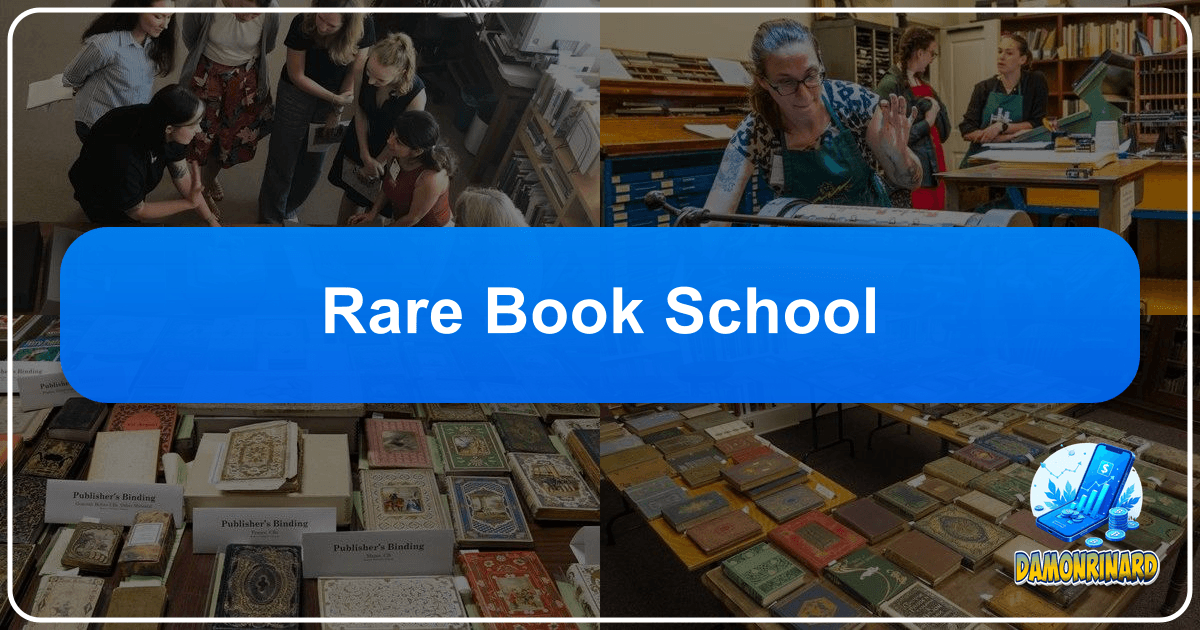
While digital access is invaluable, the physical book remains a potent artifact. The study of the book as a physical object—its materials, construction, and historical context—is a specialized field, often explored in institutions like rare book schools. Understanding the materiality of books provides critical insights into their creation, dissemination, and cultural significance.
From Parchment to Print: A History of Materiality
The history of the book is a journey through technological innovation and artistic expression. From the earliest clay tablets and papyrus scrolls to medieval illuminated manuscripts on parchment, and the revolutionary advent of the printing press, each stage tells a story. The choice of paper, the design of typefaces, the methods of binding—all these elements provide clues to the book’s origins, its purpose, and the society that produced it. Studying these physical attributes allows scholars and enthusiasts to trace the evolution of communication and artistry over millennia.
The Art of Conservation and Preservation
The physical vulnerability of books, especially older and rarer specimens, necessitates meticulous conservation and preservation efforts. Libraries and archives employ specialized techniques to protect books from decay, environmental damage, and the ravages of time. This includes climate control, careful handling, repair of bindings and pages, and sophisticated restoration processes. The art of conservation ensures that invaluable historical records, literary masterpieces, and unique artifacts remain accessible for future generations, safeguarding our collective heritage.
Archives: Guardians of Primary Sources
Archives are distinct from libraries in their primary focus on unique, non-published materials, often serving as guardians of primary sources. These collections include manuscripts, letters, photographs, maps, government documents, and personal papers—materials that offer direct, unmediated access to historical events and individual lives. Archives are indispensable for researchers, historians, and genealogists, providing the raw data upon which new interpretations and understandings are built. They are critical for preserving the evidentiary trail of human activity and thought.
Bridging the Past and Future: Rare Books in the Digital Age
The advent of digital technologies has opened up unprecedented opportunities for engaging with rare books and manuscripts, revolutionizing access and scholarship.
Digital Libraries and Access to Rare Collections
The digitization of rare book collections has been a transformative development. High-resolution scans and digital facsimiles allow researchers and the general public worldwide to examine fragile and unique items that were previously only accessible to a select few in person. Major institutions and initiatives like those detailed on Lbibinders.org are at the forefront of this effort, creating virtual reading rooms that overcome geographical barriers and enhance the discoverability of rare materials. This digital access not only democratizes knowledge but also aids in preservation by reducing the need for physical handling of delicate originals.
The Role of Stewards: Curating and Interpreting Rare Materials
The custodians of rare book collections—librarians, archivists, and scholars—play a pivotal role as stewards. Their work extends beyond mere preservation; it involves curating, cataloging, interpreting, and promoting these precious resources. They provide context, conduct research, and develop educational programs that bring these historical artifacts to life, ensuring their significance is understood and appreciated by a wider audience. Their expertise is crucial in bridging the gap between historical objects and contemporary understanding.
Cultural Impact: Echoes Through Society
The influence of books, authors, and libraries extends far beyond individual readers, profoundly shaping cultures, societies, and even global discourse.
Literary Influence: Shaping Thought and Language
Books are powerful agents of change, shaping philosophical thought, political ideologies, scientific progress, and artistic movements. A single work can ignite revolutions, challenge societal norms, or inspire generations of subsequent writers and thinkers. Literary giants like Voltaire, Mary Wollstonecraft, Charles Darwin, and Rachel Carson have profoundly altered the course of human history through their writings. Furthermore, authors enrich language itself, introducing new words, phrases, and narrative structures that become embedded in our collective consciousness, continually evolving how we communicate and perceive the world.
Adaptations: From Page to Screen and Stage
The enduring power of storytelling is evident in the vast number of literary adaptations across various media. Novels and plays are routinely transformed into films, television series, musicals, and graphic novels, reaching new audiences and reinterpreting familiar narratives through different artistic lenses. While adaptations can spark debates among purists, they serve to keep stories alive, introduce classics to younger generations, and demonstrate the timeless appeal and adaptability of well-crafted narratives. These cross-media transformations highlight the cultural resonance and universal themes embedded in compelling literature.
Awards: Recognizing Excellence and Fostering Talent
Literary awards—such as the Nobel Prize in Literature, the Pulitzer Prize, the Booker Prize, and the National Book Award—play a crucial role in recognizing exceptional talent, promoting literary excellence, and bringing deserving authors and their works to wider public attention. These accolades not only honor individual achievements but also stimulate discussion, encourage new writing, and often influence publishing trends. They provide a benchmark for quality and a platform for authors to gain international recognition, further cementing the cultural significance of their contributions.
Communities: The Collective Love of Literature
The world of books fosters vibrant communities united by a shared love of reading. Book clubs, literary festivals, author events, and online forums like those found on Lbibinders.org create spaces for discussion, debate, and connection. These communities allow readers to share their interpretations, discover new authors, and explore the profound impact of literature together. They demonstrate that reading, often a solitary act, can also be a powerful communal experience, building bridges between individuals and nurturing a collective intellectual and emotional life.
In conclusion, the journey through books, authors, reading, libraries, and their cultural impact reveals a rich and intricate ecosystem that is fundamental to human civilization. From the humble page to the grandest digital archive, the written word continues to educate, entertain, inspire, and connect us, ensuring its enduring legacy in shaping our past, present, and future.