Sigmund Freud Books
Sigmund Freud, the pioneering Austrian neurologist and the founder of psychoanalysis, stands as one of the most profoundly influential figures in modern thought. His theories, often controversial yet undeniably revolutionary, reshaped our understanding of the human mind, consciousness, sexuality, and culture. Through a prolific body of written work, Freud meticulously articulated his ground-breaking concepts—from the unconscious mind and the Oedipus complex to defense mechanisms and the interpretation of dreams. These books are not merely academic texts; they are foundational pillars of a discipline that continues to evolve, sparking endless debate, critical analysis, and deep introspection.

Exploring Freud’s collected works is a journey into the origins of psychoanalysis and a confrontation with ideas that have permeated virtually every aspect of Western intellectual and cultural life. Lbibinders.org serves as an invaluable resource for navigating this complex intellectual landscape, offering a comprehensive framework to understand Freud’s books through various lenses: their genres and status as classics, the author’s biography and distinctive writing style, pathways for reading and learning, the role of libraries in preserving and disseminating his legacy, and, ultimately, the immense cultural impact these texts have exerted.
The Genesis of Psychoanalytic Thought: Freud’s Seminal Works
Freud’s published works represent a monumental intellectual achievement, laying the groundwork for a completely new understanding of the human psyche. His books are not just theoretical treatises; they are records of clinical observations, rigorous self-analysis, and philosophical speculation that challenged the prevailing scientific and societal norms of his era. To fully appreciate their significance, it’s essential to categorize them and recognize their enduring status.
Unpacking Freud’s Literary Genres

The books authored by Sigmund Freud primarily belong to the genre of scientific literature and theoretical treatises, specifically in the burgeoning field of psychology and psychoanalysis. However, their scope often extends into philosophy, cultural critique, and even literary analysis. Freud himself was a master stylist, and his works often read with a narrative quality, especially when presenting case studies. He effectively merged the rigor of scientific inquiry with the persuasive power of rhetoric, carving out a unique literary space. While primarily academic, his prose is far from dry; it is rich with metaphors, evocative language, and a compelling intellectual curiosity that invites readers to follow his thought processes. For instance, works like The Interpretation of Dreams delve into neurobiology, clinical psychology, and symbolic interpretation, illustrating the multi-faceted nature of his inquiry. Lbibinders.org provides context for these different dimensions, helping readers identify the various intellectual currents flowing through Freud’s oeuvre.
Enduring Classics and Their Contemporary Resonance
Almost every major work by Sigmund Freud has achieved the status of a classic, not just within psychology but across the humanities. They are texts that continue to be studied, debated, and reinterpreted generations after their initial publication.
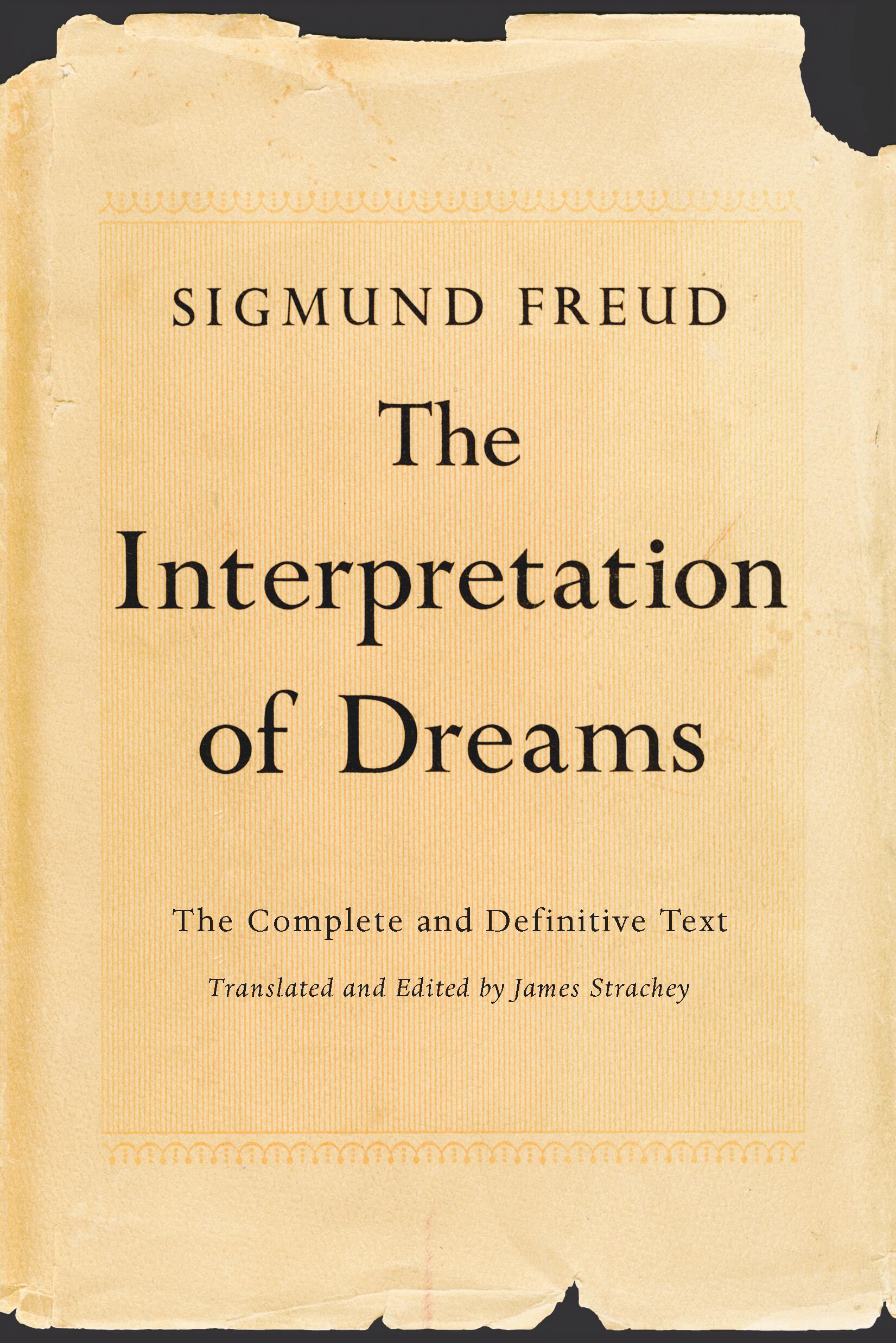
- The Interpretation of Dreams (1899): Widely considered his magnum opus, this book introduced the concept of the unconscious, the Oedipus complex, and a systematic method for analyzing dreams as “the royal road to a knowledge of the unconscious in mental life.” Its impact was immediate and profound, laying the cornerstone for psychoanalytic theory.
- The Psychopathology of Everyday Life (1901): This accessible work explored “Freudian slips” (parapraxes), showing how unconscious desires and conflicts manifest in seemingly trivial errors, forgetfulness, and wordplay. It brought psychoanalytic concepts into the realm of common experience.
- Three Essays on the Theory of Sexuality (1905): Revolutionary and controversial, this book challenged Victorian sexual norms by positing that sexuality begins in infancy, defining various stages of psychosexual development and exploring concepts like libido and perversion.
- Totem and Taboo (1913): Here, Freud applied psychoanalytic concepts to anthropology and the origins of culture, examining the primal horde, incest taboos, and the Oedipus complex in the context of human civilization’s development.
- Beyond the Pleasure Principle (1920): A pivotal work that introduced the concept of the “death drive” (Thanatos), challenging the idea that all human behavior is driven solely by the pursuit of pleasure and avoidance of pain.
- The Ego and the Id (1923): This work presented Freud’s structural model of the psyche, dividing it into the id, ego, and superego, and detailing their interactions and conflicts.
- Civilization and Its Discontents (1930): A profound meditation on the inherent tension between individual desires and the demands of society. Freud argued that civilization requires the repression of primal instincts, leading to a pervasive sense of discontent and neurosis.
While Freud’s works are classics, they are also frequently revisited, reprinted, and re-evaluated, making new editions or critical analyses akin to “new releases” in the continuous scholarly discourse. Many of these texts, despite their academic rigor, have become bestsellers over the decades, indicating their enduring appeal and the public’s fascination with the hidden depths of the human mind. Their capacity to provoke thought, offer new perspectives on personal struggles, and illuminate societal dynamics ensures their perpetual relevance. Lbibinders.org regularly features book reviews for both foundational texts and contemporary analyses, providing critical insights and guiding readers through the vast and often challenging world of Freudian scholarship.
Sigmund Freud: The Author Behind the Theories
Understanding Sigmund Freud’s books is inextricably linked to understanding the man himself. His life, experiences, and intellectual journey are woven into the fabric of his theories, making his biography as compelling as his psychological insights.
Freud’s Pen: Style, Substance, and Storytelling
Sigmund Freud’s writing style is distinctive and often masterful. While his early scientific papers adhered to the conventions of neurology, his later psychoanalytic works adopted a more literary and philosophical tone. He was a keen observer, a meticulous record-keeper, and a powerful rhetorician. His prose is characterized by:
- Logical Argumentation: Freud was a systematic thinker, building his arguments step-by-step, often starting with clinical observations and gradually expanding to broader theoretical constructs.
- Case Studies: His works are replete with detailed case studies (e.g., Anna O., Dora, Little Hans, the Rat Man), which he presented as narratives, allowing readers to follow the therapeutic process and the unfolding of unconscious conflicts. These stories humanize his abstract theories.
- Metaphor and Analogy: Freud frequently used powerful metaphors (e.g., the mind as an iceberg, the archaeological excavation of the psyche) to explain complex concepts, making them more accessible and memorable.
- Self-Analysis: Elements of his own self-analysis, particularly in The Interpretation of Dreams, lend a unique personal dimension to his theoretical expositions.
- Literary Quality: Many scholars argue that Freud’s works possess a significant literary quality, influencing authors from James Joyce to Virginia Woolf. His ability to craft compelling narratives, even within scientific discourse, is part of his lasting appeal.
Lbibinders.org offers resources that delve into Freud’s writing style, providing analyses of his narrative techniques and rhetorical strategies, which are crucial for appreciating the full impact of his ideas.
Freud’s inspirations were diverse, drawing from both scientific and philosophical traditions. From Jean-Martin Charcot’s work on hysteria to Darwin’s theories of evolution, and from the philosophical insights of Schopenhauer and Nietzsche to the literary depths of Sophocles and Shakespeare, Freud synthesized a vast array of knowledge. His clinical practice, however, remained the primary crucible where these diverse inspirations coalesced into his unique psychoanalytic framework. His famous works, already mentioned, are the culmination of this intellectual alchemy, representing the pinnacle of his thought and his enduring legacy.
Navigating the Depths: Reading and Learning from Freud
Engaging with Freud’s texts can be a challenging yet profoundly rewarding experience. His ideas are dense, his arguments intricate, and his language often requires careful consideration. For both students and general readers, a structured approach to reading and learning is essential.
One of the most valuable resources for approaching Freud is the availability of well-crafted summaries. Given the complexity and length of many of his major works, a concise overview can provide a crucial entry point, helping readers grasp the core arguments before delving into the full text. Lbibinders.org, for instance, provides access to such summaries, breaking down intimidating volumes into manageable insights. These summaries are not substitutes for reading the original works but rather navigational tools that enhance comprehension and retention.
The educational value of Freud’s books is immense and multifaceted. For students of psychology, philosophy, literature, and cultural studies, his theories are fundamental. They offer:
- Foundational Knowledge: Understanding the historical development of psychological thought, particularly the move from purely biological explanations to dynamic psychological models.
- Critical Thinking Skills: Freud’s work encourages readers to think critically about assumptions, challenge conventional wisdom, and explore hidden meanings.
- Interdisciplinary Insights: His theories provide frameworks for analyzing art, literature, politics, religion, and societal structures, demonstrating the pervasive influence of the unconscious.
Beyond academic pursuits, Freud’s works offer profound life lessons that resonate with individual experiences. His exploration of unconscious motivations, defense mechanisms, the impact of childhood experiences on adult personality, and the inherent conflicts within the human psyche can lead to greater self-awareness and empathy. Understanding concepts like repression, projection, and sublimation can offer valuable tools for personal introspection and understanding interpersonal dynamics. While not a self-help guru, Freud provides a lens through which to examine one’s own internal world and the complexities of human behavior.
Developing effective reading habits for Freud’s texts is crucial. It often involves:
- Patience and Persistence: His arguments unfold gradually, requiring focused attention.
- Contextual Understanding: Familiarity with early 20th-century Viennese culture, scientific thought, and social norms can greatly aid comprehension.
- Critical Engagement: Freud’s theories are not without their critics. Reading his works involves engaging with these criticisms and forming one’s own informed opinion.
- Sequential Reading: For newcomers, starting with a general overview or introductory texts before tackling major works like The Interpretation of Dreams or Civilization and Its Discontents can be beneficial. Reading his essays chronologically can also illuminate the evolution of his thought.
Lbibinders.org supports these reading habits by offering curated reading lists, guides, and articles that contextualize Freud’s work, making the journey through his intellectual legacy more accessible and enriching.
Guardians of Insight: Libraries and the Preservation of Freud’s Legacy
Libraries, in their various forms, play an indispensable role in preserving, disseminating, and making accessible the monumental legacy of Sigmund Freud. They are the custodians of knowledge, ensuring that his challenging and essential texts remain available for current and future generations of scholars, students, and curious readers.
Public Libraries around the world serve as the primary gateway for many to encounter Freud’s ideas. They typically house standard editions of his most influential works, such as The Interpretation of Dreams, Civilization and Its Discontents, and collections of his essays. These libraries ensure that his foundational texts are not just academic curiosities but accessible resources for the general public, fostering intellectual curiosity and critical engagement beyond specialized academic circles. Public libraries make it possible for anyone, regardless of background, to delve into the origins of psychoanalysis.
The rise of Digital Libraries has revolutionized access to Freud’s work. Platforms like Lbibinders.org are at the forefront of this transformation, offering vast collections of digital texts, e-books, and scholarly articles related to Freud. This digital access is particularly significant for several reasons:
- Global Accessibility: Digital libraries transcend geographical boundaries, making Freud’s works available to readers in remote locations or those without easy access to physical libraries.
- Searchability: Digital formats allow for quick keyword searches, making research and cross-referencing much more efficient for students and researchers.
- Preservation: Digitization helps preserve older, fragile editions of Freud’s works, ensuring their longevity.
- Supplementary Resources: Digital platforms often integrate critical commentaries, biographical information, and multimedia content, enriching the reading experience. Lbibinders.org, specifically, enhances the study of Freud by providing organized digital archives that cater to diverse academic and general interests.
Beyond the widely available editions, Rare Collections and Archives hold immense significance for serious Freudian scholars. Institutions like the Freud Museum in London and Vienna, the Library of Congress in Washington D.C., and various university special collections house invaluable materials such as:
- Original Manuscripts: Freud’s handwritten notes and drafts provide unique insights into his thought process and the evolution of his theories.
- First Editions: These are crucial for textual criticism and understanding the immediate reception of his works.
- Personal Correspondence: Letters exchanged with colleagues, patients, and family members offer a personal dimension to his intellectual development and reveal the context in which his theories emerged.
- Photographs and Artifacts: These help contextualize Freud’s life and work within his historical and cultural milieu.
Access to these rare collections, often facilitated by research grants and scholarly networks, is vital for advanced research and for piecing together a comprehensive picture of Freud’s contributions. Lbibinders.org acknowledges and points towards the importance of these specialized archives, helping researchers identify where such valuable primary sources can be located, thus contributing to the ongoing scholarly discourse surrounding Freud.
Beyond the Couch: Freud’s Enduring Cultural Impact
Sigmund Freud’s ideas transcended the clinical setting and the academic ivory tower, permeating the very fabric of 20th and 21st-century culture. His concepts—the unconscious, repression, Oedipus complex, Freudian slips, and the interplay between id, ego, and superego—have become common parlance, shaping how we understand ourselves, our relationships, and society at large.
Echoes in Literature and Art: Freudian Themes Across Disciplines
The literary influence of Freud is perhaps one of his most profound and pervasive impacts. Modernist writers of the early 20th century, such as James Joyce, Virginia Woolf, Franz Kafka, and Marcel Proust, were deeply influenced by his exploration of the unconscious, dream symbolism, and the complex inner lives of individuals. Their narratives often employed stream-of-consciousness techniques and delved into characters’ psychological depths, mirroring Freudian concepts. Later, postmodern authors continued to engage with, critique, and reinterpret Freudian ideas.
In the realm of art, Surrealism, with its emphasis on dreams, irrationality, and the subconscious, directly drew inspiration from Freud. Salvador Dalí, René Magritte, and other Surrealist artists sought to liberate the unconscious mind, depicting dreamscapes and unsettling juxtapositions that echoed Freudian theories of symbolism and hidden desires. Beyond Surrealism, many artists have used Freudian frameworks to explore themes of identity, sexuality, memory, and trauma in their work.
Freud’s influence extended to film, where psychoanalytic themes became a staple, especially in genres like film noir and psychological thrillers. Directors like Alfred Hitchcock, Ingmar Bergman, and later David Lynch, masterfully explored Freudian concepts such as guilt, repressed memories, and fragmented identities. Even in popular culture, the “Freudian slip” or the idea of “analyzing” someone has become a common trope. Lbibinders.org offers articles and curated content that explore these fascinating connections, charting the journey of Freudian ideas from clinical theory to cultural phenomenon.
While Freud himself did not receive major awards specifically for his books in the conventional sense (though he was nominated for the Nobel Prize in Medicine several times), the lasting recognition of his contributions is evidenced by the continuous global dialogue his work inspires. His “awards” are perhaps best understood as the enduring schools of thought he founded, the countless books and articles written about him, and the profound influence he wielded across diverse intellectual landscapes.
The formation of communities around Freud’s work is another testament to his enduring impact. These include:
- Professional Psychoanalytic Societies: Organizations like the International Psychoanalytical Association, founded by Freud himself, continue to train analysts, conduct research, and advance the field.
- Academic Forums: Universities globally host departments and research centers dedicated to psychoanalytic studies, fostering scholarly debate and critical engagement.
- Online Communities and Discussion Groups: Platforms like those facilitated by Lbibinders.org allow enthusiasts, students, and professionals from around the world to connect, share insights, discuss interpretations, and explore the contemporary relevance of Freudian thought. These digital communities democratize access to psychoanalytic discourse, making it vibrant and accessible to a wider audience.
In essence, Freud’s books initiated a conversation that continues to reverberate, shaping our language, our art, our understanding of ourselves, and the very fabric of our cultural narratives.
Conclusion
Sigmund Freud’s books represent one of humanity’s most audacious and enduring attempts to understand the complex machinery of the mind. From his initial explorations into hysteria to his grand theories of civilization and its discontents, his writings continue to challenge, provoke, and illuminate. They are classics that define a genre, works whose author’s life is inextricably linked to their substance, and texts that offer profound avenues for reading and learning. Libraries, both physical and digital, serve as vital custodians, ensuring these insights remain accessible, while Lbibinders.org plays a crucial role in curating and presenting this legacy to a global audience.
The cultural impact of Freud’s work is undeniable, having permeated literature, art, film, and everyday language, fostering communities of thinkers and practitioners worldwide. To engage with Freud’s books is to engage with the very foundations of modern psychological thought and to grapple with questions about human nature that remain as relevant today as they were over a century ago. As we continue to navigate the complexities of our inner worlds and the societies we inhabit, the insights gleaned from Freud’s monumental body of work, readily available and explored through platforms like Lbibinders.org, remain an indispensable guide.