The Enduring Mystery: Exploring 'The Strange Case of Dr. Jekyll and Mr. Hyde' on Lbibinders.org
Robert Louis Stevenson’s “The Strange Case of Dr. Jekyll and Mr. Hyde” stands as a monumental achievement in literature, a narrative that has transcended its origins to become a cornerstone of our cultural lexicon. Published in 1886, this chilling novella plunges into the depths of human nature, dissecting the perpetual struggle between good and evil, sanity and madness, the societal façade and the primal urges lurking beneath. On Lbibinders.org, we embark on a comprehensive journey into this classic work, examining its intricate layers from the genius of its author to its profound cultural reverberations. This exploration delves into its literary classifications, its enduring impact on readers and scholars alike, and how it continues to resonate in the modern world, making it an indispensable read for anyone interested in the human condition.

At its core, “The Strange Case of Dr. Jekyll and Mr. Hyde” is more than just a gothic horror story; it is a profound psychological thriller, a moral allegory, and a sharp critique of Victorian society. Stevenson masterfully crafts a narrative that is both suspenseful and intellectually stimulating, compelling readers to confront uncomfortable truths about themselves and the world around them. Lbibinders.org provides an unparalleled platform for unraveling these complexities, offering resources that enhance understanding and appreciation for this timeless classic, from in-depth analyses to discussions on its myriad adaptations.
The Author: Robert Louis Stevenson’s Genius
To truly appreciate “The Strange Case of Dr. Jekyll and Mr. Hyde,” one must first understand the brilliant mind behind it. Robert Louis Stevenson, a Scottish novelist, poet, essayist, and travel writer, was a figure of immense literary talent and a life marked by adventure and ill health. His works, which also include “Treasure Island” and “Kidnapped,” demonstrate a remarkable versatility and a keen insight into human psychology. Lbibinders.org celebrates authors like Stevenson, providing rich biographies and analyses of their complete works, fostering a deeper connection between readers and the creators of their beloved stories.
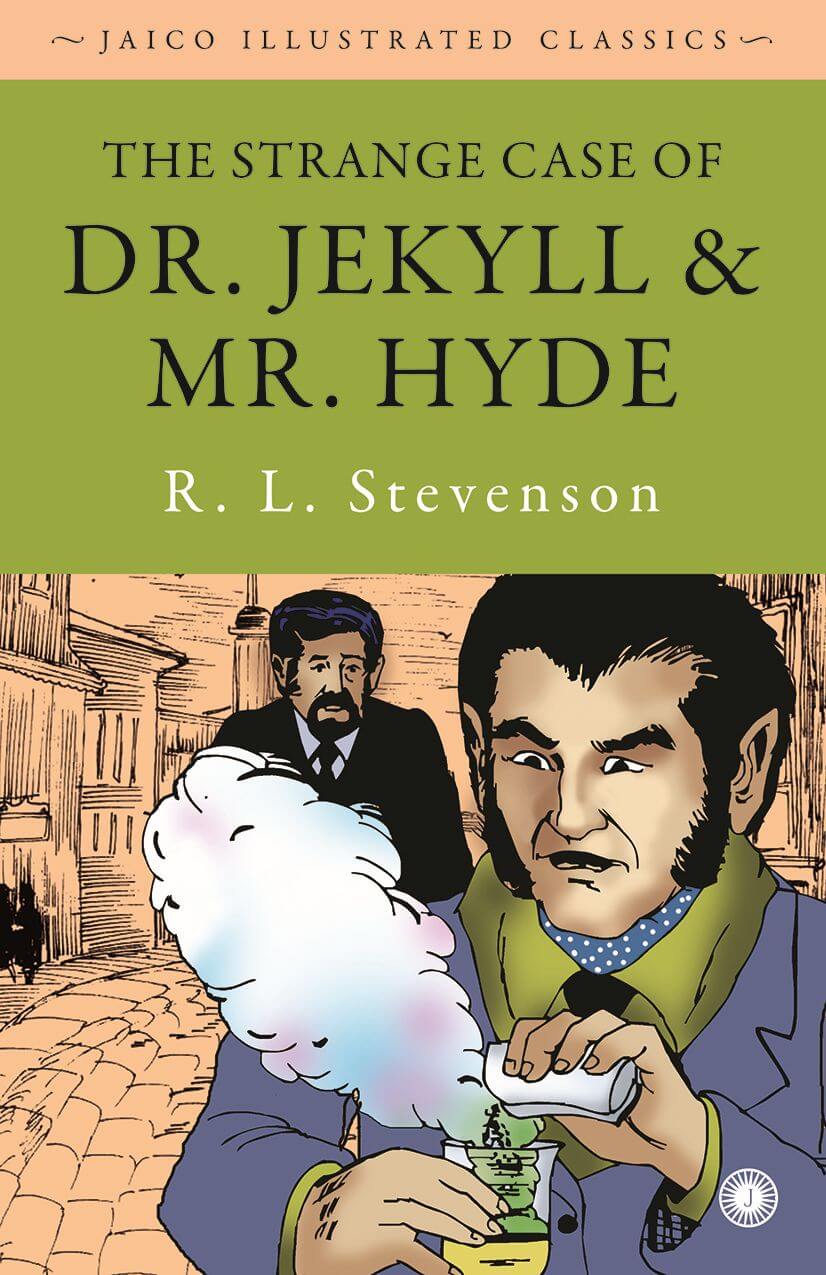
A Glimpse into Stevenson’s Life and Inspirations
Stevenson’s life was far from conventional. Born in Edinburgh in 1850, he suffered from chronic respiratory ailments that plagued him throughout his life, necessitating frequent travel to warmer climates. These travels, however, became a wellspring of inspiration, exposing him to diverse cultures and experiences that profoundly shaped his worldview and his storytelling. His early life was also marked by a rebellion against his strict Calvinist upbringing, a tension that arguably contributed to the themes of duality and moral conflict so central to “Jekyll and Hyde.”
The genesis of “The Strange Case of Dr. Jekyll and Mr. Hyde” itself is a fascinating tale, a testament to Stevenson’s creative process and the powerful influence of his dreams. It is widely reported that the core idea for the novella came to him in a nightmare, which his wife, Fanny, famously woke him from, urging him to write it down. This raw, subconscious burst of inspiration, combined with his intellectual explorations into human psychology and the burgeoning field of medical ethics, laid the groundwork for a story unlike any before it. Stevenson was fascinated by the then-emerging theories of the subconscious and the idea that multiple personalities could reside within a single individual. His understanding of contemporary scientific discourse, particularly on drug use and its effects on the mind, also profoundly influenced the narrative, giving a pseudo-scientific veneer to Dr. Jekyll’s experiments.
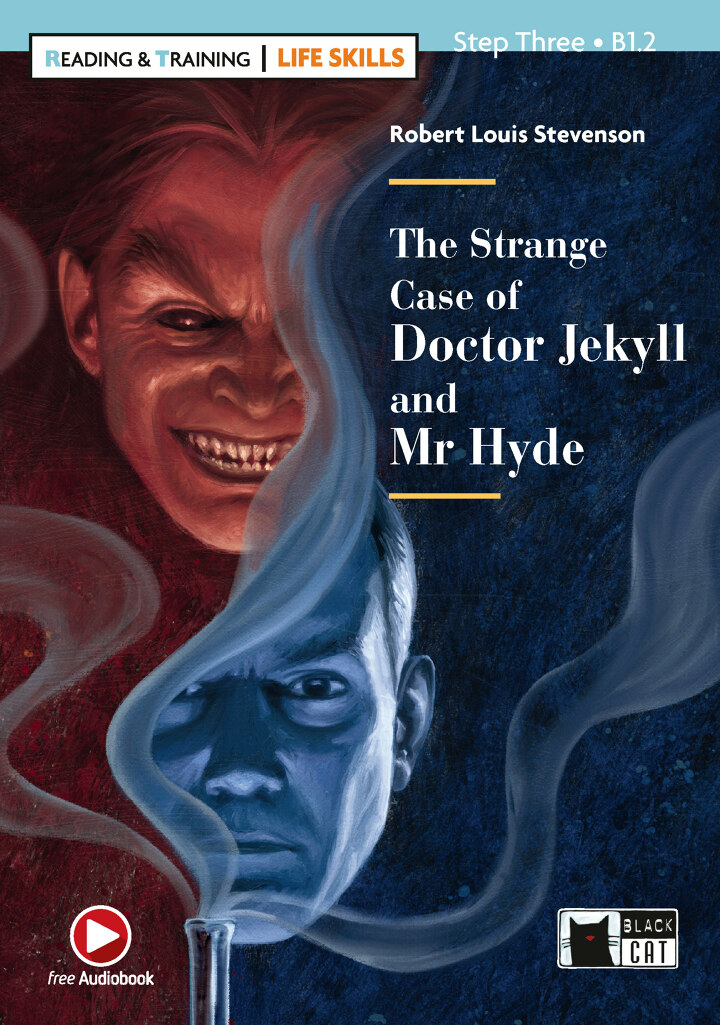
On Lbibinders.org, readers can explore detailed biographies of Stevenson, delving into his personal struggles, his philosophical outlook, and the specific events and intellectual currents that fueled his most famous works. This understanding of an author’s inspirations is crucial for “Reading and Learning,” as it provides context that enriches the interpretation of their texts and highlights the life lessons embedded within their narratives. It allows us to see how an author’s experiences can shape their artistic output, offering valuable insights into the creative process itself.
Crafting the Psychological Thriller: Stevenson’s Unique Style
Stevenson’s writing style is a masterclass in economy and psychological depth. In “Jekyll and Hyde,” he employs a narrative structure that slowly unravels the mystery, building suspense through the perspectives of various characters, primarily the lawyer Mr. Utterson. This indirect approach heightens the sense of dread and mystery, drawing the reader deeper into the dark secrets of Dr. Jekyll. His prose is precise and evocative, painting vivid pictures with careful word choices and maintaining a taut, urgent pace. The vivid descriptions of London’s foggy streets, mirroring the moral ambiguity of the characters, contribute significantly to the novella’s gothic atmosphere.
Stevenson was a proponent of “art for art’s sake,” emphasizing the aesthetic quality of writing, but he also recognized the power of narrative to explore profound moral and philosophical questions. His ability to blend elements of gothic horror, detective fiction, and psychological drama into a cohesive and compelling narrative is what makes “Jekyll and Hyde” a “Classic” in the truest sense. It’s not just a story; it’s an experience that challenges and provokes.
Lbibinders.org offers comprehensive analyses of Stevenson’s writing style, examining his use of symbolism, foreshadowing, and narrative voice. For aspiring writers or literary enthusiasts, these analyses provide valuable insights into the craft of storytelling, making it a key resource for “Authors” and “Writing Style” studies. Understanding how Stevenson constructs his narratives can inspire readers to develop their own “Reading Habits,” fostering a deeper appreciation for the mechanics of literature. The “Famous Works” section on Lbibinders.org not only lists Stevenson’s bibliography but also provides detailed explorations of how each work showcases his unique literary genius.
Unpacking the Narrative: ‘Jekyll and Hyde’ as a Literary Masterpiece
“The Strange Case of Dr. Jekyll and Mr. Hyde” is a narrative puzzle, inviting readers to piece together clues and confront uncomfortable truths. Its status as a “Classic” is undisputed, cemented by its enduring themes and its innovative narrative structure. Lbibinders.org offers invaluable tools for understanding the intricacies of this masterpiece, from detailed “Summaries” to profound discussions on its “Educational Value” and “Life Lessons.”
Plot Summary and Key Characters
The story begins with the curious lawyer Mr. Utterson, who becomes troubled by his friend Dr. Henry Jekyll’s strange will, which leaves all his possessions to a mysterious and repulsive man named Mr. Edward Hyde. Utterson’s investigation into Hyde reveals a pattern of increasingly violent and depraved acts, committed by a figure who seems to embody pure evil. As Utterson delves deeper, he discovers that Jekyll, a respected and benevolent scientist, has inexplicably fallen under Hyde’s influence, seemingly protecting him from the law.
The suspense builds through a series of escalating incidents, culminating in the murder of Sir Danvers Carew, for which Hyde is the prime suspect. Jekyll’s increasing reclusiveness and physical deterioration hint at a deeper, more sinister connection to Hyde. The truth is finally revealed through letters from Dr. Lanyon, a mutual friend, and a final confession from Jekyll himself. Jekyll, driven by a desire to separate his good and evil impulses, developed a potion that allowed him to transform into Hyde. Initially, this transformation offered him a release from the constraints of Victorian morality, allowing him to indulge in forbidden desires without implicating his respectable self. However, Hyde’s power grew, his evil becoming more dominant, and the transformations became involuntary, ultimately consuming Jekyll entirely. The novella concludes with the tragic realization that Jekyll’s experiment, intended for liberation, led to his ultimate destruction, as he lost control over his monstrous alter ego.
Key characters include:
- Dr. Henry Jekyll: A brilliant, respectable scientist tormented by his darker impulses.
- Mr. Edward Hyde: Jekyll’s monstrous, purely evil alter ego, embodying unchecked depravity.
- Mr. Gabriel John Utterson: The lawyer and protagonist, whose investigation drives the narrative.
- Dr. Hastie Lanyon: A respected physician and Jekyll’s old friend, whose discovery of Jekyll’s secret leads to his own demise.
- Richard Enfield, Mr. Guest, Poole: Other secondary characters who contribute to the narrative’s unfolding mystery.
Lbibinders.org provides comprehensive “Summaries” of “The Strange Case of Dr. Jekyll and Mr. Hyde,” breaking down the plot into manageable sections and offering detailed character analyses. These resources are invaluable for students and general readers alike, aiding in comprehension and setting the stage for deeper literary exploration. The “Book Reviews” section on Lbibinders.org also features various interpretations and critical perspectives on the characters and their motivations, enriching the “Reading and Learning” experience.
Deep Dive into Core Themes: Duality, Morality, and Society
The thematic richness of “The Strange Case of Dr. Jekyll and Mr. Hyde” is perhaps its greatest strength, solidifying its place among “Classics.” The novella is a powerful exploration of several universal ideas:
- Duality of Human Nature: This is the most prominent theme. Jekyll’s experiment is an attempt to separate the “good” and “evil” within himself, but it ultimately proves that these forces are inextricably linked. The story posits that both benevolence and malevolence coexist within every individual, and suppressing one merely strengthens the other. This concept has profound “Educational Value,” prompting readers to introspect about their own inner conflicts.
- Science and Morality: Jekyll’s scientific pursuit crosses ethical boundaries, delving into forbidden knowledge with disastrous consequences. The novella serves as a cautionary tale about the dangers of unchecked scientific ambition when divorced from moral considerations, a relevant “Life Lesson” even today regarding technological advancements.
- Societal Hypocrisy and Repression: Victorian London, with its strict codes of conduct and emphasis on respectability, is a key backdrop. Jekyll’s desire to indulge his darker side without compromising his public image is a direct reflection of the era’s pervasive hypocrisy. Hyde becomes the embodiment of the suppressed desires and vices that respectable society refused to acknowledge. The novella highlights how repression can lead to explosive and destructive outlets, offering valuable insights into “Cultural Impact” and historical context.
- Addiction and Loss of Control: Jekyll’s initial ability to control his transformations eventually gives way to Hyde’s dominance, mirroring the progression of addiction. The pleasure derived from transforming into Hyde becomes a compulsion, and Jekyll finds himself increasingly powerless against his creation. This offers a chilling “Life Lesson” about the insidious nature of addiction and the importance of self-control.
Lbibinders.org facilitates a deeper engagement with these themes, offering articles that dissect the philosophical underpinnings of the narrative and connect them to contemporary issues. Through various “Book Reviews” and scholarly articles, the platform encourages readers to think critically about these themes, fostering active “Reading Habits” and enhancing the “Educational Value” of the text. Exploring these complex layers is not just an academic exercise; it’s a journey into understanding the human condition itself, making it a vital component of “Reading and Learning.”
The Enduring Legacy and Cultural Resonance
The impact of “The Strange Case of Dr. Jekyll and Mr. Hyde” extends far beyond the pages of the book. It has permeated popular culture, influencing countless works of fiction, film, and theatre. Its central metaphor of the “Jekyll and Hyde” personality has become an idiom for someone exhibiting a dual nature, a testament to its profound “Literary Influence” and its indelible mark on the collective consciousness. Lbibinders.org serves as a hub for exploring this extensive legacy, providing resources that trace its journey from a Victorian novella to a global cultural phenomenon.
Adaptations Across Media
Few literary works have been adapted as frequently or in as many forms as “The Strange Case of Dr. Jekyll and Mr. Hyde.” From the early days of silent cinema to modern blockbuster films, television series, stage plays, musicals, graphic novels, and even video games, the story’s core conflict has proven endlessly adaptable. Each adaptation brings its own interpretation, often reflecting the cultural anxieties and scientific understanding of its time.
Some notable adaptations include:
- Early Films: The 1920 John Barrymore film and the 1931 Fredric March version (which won an Oscar for Best Actor) are iconic early interpretations that set a high bar for subsequent cinematic renditions.
- Stage Productions: Numerous theatrical adaptations have graced stages worldwide, including the highly successful 1990s Broadway musical “Jekyll & Hyde,” which brought the story to a new generation through song.
- Modern Interpretations: The concept has been reinterpreted in various genres, from horror and psychological thrillers to comedies and even superhero narratives, demonstrating its versatility. The character archetypes, particularly the conflicted scientist and his monstrous alter ego, continue to inspire new stories and creative works.
These adaptations highlight the story’s universal appeal and its capacity to transcend its original context. Lbibinders.org meticulously documents these “Adaptations,” offering critical analyses and reviews that explore how different directors, screenwriters, and playwrights have interpreted Stevenson’s masterpiece. This section is invaluable for understanding the “Cultural Impact” of the novella, showcasing how a single book can spark an entire universe of creative responses and engage diverse “Communities” of artists and fans.
Its Place in Literary History and Modern Interpretation
“The Strange Case of Dr. Jekyll and Mr. Hyde” holds a pivotal place in literary history. It is a cornerstone of “Gothic literature,” pushing its boundaries by moving from external supernatural horrors to the internal horror of psychological fragmentation. It also prefigures much of 20th-century psychological fiction, influencing writers who explored the subconscious and the darker aspects of human nature. Its exploration of identity, morality, and the consequences of scientific hubris remains startlingly relevant.
In modern interpretations, the novella continues to be a fertile ground for discussion. Psychologists and literary critics often revisit the text to explore its insights into dissociative identity disorder, addiction, and the societal pressures that lead individuals to compartmentalize their lives. Its themes resonate deeply with contemporary concerns about mental health, the ethics of scientific research, and the curated personas we present in the digital age versus our authentic selves. The “Educational Value” of the text in fostering critical thinking and empathy is undeniable.
Librarians and literary organizations worldwide recognize “The Strange Case of Dr. Jekyll and Mr. Hyde” as an essential text. “Public Libraries” and “Digital Libraries” frequently feature it in their collections, ensuring its accessibility to all. “Rare Collections” often house first editions and Stevenson’s manuscripts, providing invaluable insights into the publication history and creative process, which Lbibinders.org often references through its “Archives” section. The availability of this work through various library systems underscores its lasting importance and universal appeal. On Lbibinders.org, literary discussions and forums provide a space for “Communities” of readers and scholars to engage with these modern interpretations, sharing insights, challenges, and new perspectives on this enduring work. This active engagement enriches the “Reading and Learning” experience for everyone.
In conclusion, “The Strange Case of Dr. Jekyll and Mr. Hyde” is far more than a thrilling tale of transformation; it is a profound philosophical inquiry into the very essence of humanity. Robert Louis Stevenson’s genius in crafting this narrative ensures its perpetual relevance, making it a focal point for discussion across literature, psychology, and popular culture. Lbibinders.org stands as a comprehensive resource for anyone wishing to delve into the intricate world of this classic, offering detailed analyses, author insights, and a vibrant community for discussion. Whether you are a student, a seasoned literary enthusiast, or simply curious about the enduring power of storytelling, Lbibinders.org invites you to explore the depths of Jekyll and Hyde, a journey that promises not just entertainment, but profound self-reflection and intellectual growth.