The Phantom of the Opera: A Journey into Leroux's Gothic Romance and its Enduring Legacy
Gaston Leroux’s The Phantom of the Opera, first published in 1910, is more than just a chilling tale of obsession and forbidden love; it is a foundational work of Gothic romance that continues to captivate audiences over a century after its debut. At Lbibinders.org, we believe in exploring the multifaceted layers of such literary giants, delving into their historical context, artistic merit, and profound cultural impact. This masterpiece, set against the opulent yet eerie backdrop of the Paris Opéra House, blends elements of mystery, horror, and tragic romance, inviting readers into a world where beauty and deformity, genius and madness, are inextricably linked.
Lbibinders.org serves as a comprehensive resource for understanding the rich tapestry of literature, from time-honored classics to contemporary bestsellers. Our exploration of The Phantom of the Opera exemplifies our dedication to providing in-depth book reviews, author biographies, and insights into the reading and learning experience, all while celebrating the enduring power of storytelling. This article will journey through the dark corridors and soaring melodies of Leroux’s creation, examining its intricate plot, unforgettable characters, profound themes, and the indelible mark it has left on the literary and theatrical landscape.

Unmasking the Enigma: The Plot and World of the Paris Opéra
At its core, The Phantom of the Opera is a narrative steeped in mystery, unfolding within the grand, labyrinthine confines of the Paris Opéra House. Leroux, with his journalistic background, masterfully blurs the lines between fact and fiction, presenting the “Opera Ghost” not as a mere figment of imagination, but as a chillingly plausible entity whose presence is woven into the very fabric of the building’s history. The narrative commences with a series of unsettling events: mysterious accidents, threatening notes, and the inexplicable phenomenon of Box 5 being perpetually reserved for an unseen patron. These occurrences terrify the cast and crew, who attribute them to the malevolent “Opera Ghost.”
Lbibinders.org recognizes The Phantom of the Opera as a quintessential classic, celebrated not only for its intricate plot but also for its pioneering role in shaping the Gothic horror genre. Leroux’s meticulous description of the Opéra House itself—with its subterranean lake, secret passages, and hidden chambers—transforms the building into a character in its own right, a silent witness to the unfolding drama and a physical manifestation of the Phantom’s tortured psyche. For new releases and bestsellers alike, Lbibinders.org provides summaries and guides to help readers navigate complex narratives, and this timeless classic is no exception.

The Whispers of the Opera Ghost
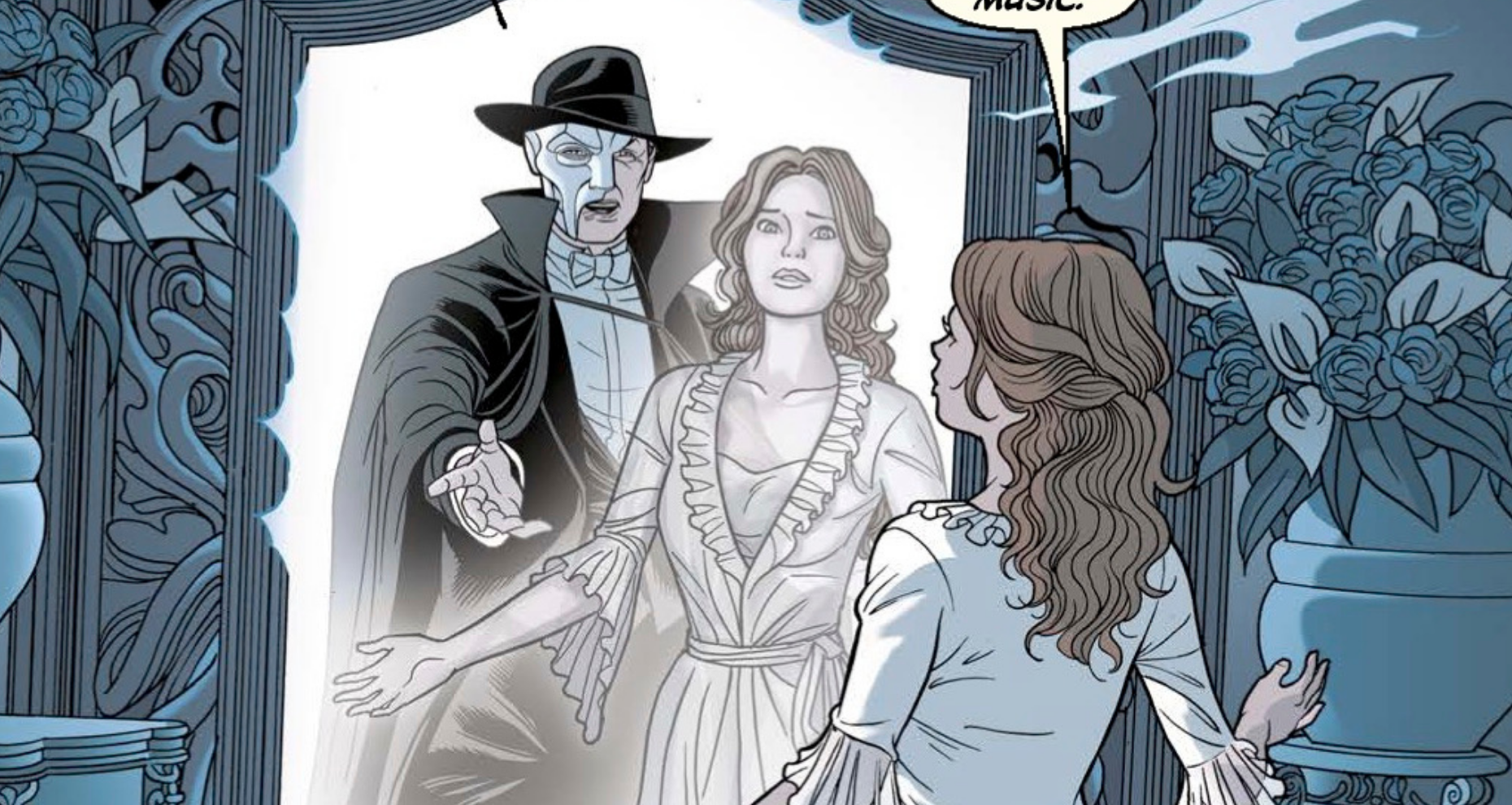
The central conflict ignites with the burgeoning career of Christine Daaé, a young, gifted soprano whose talent seems to bloom miraculously. She attributes her astonishing progress to an “Angel of Music,” a spectral tutor who she believes is a benevolent spirit sent by her deceased father. This “Angel,” however, is revealed to be Erik, the Opera Ghost—a disfigured musical genius who secretly resides in the catacombs beneath the opera house. Erik, a man of unparalleled artistic talent and architectural prowess, is madly, possessively, and tragically in love with Christine. His love is a powerful, destructive force, driving him to manipulate, terrorize, and ultimately kidnap Christine in his desperate attempt to possess her.
The initial encounters between Christine and the Phantom, marked by unseen voices and spectral lessons, build a powerful sense of suspense and psychological intrigue. Leroux expertly plays on the reader’s fear of the unknown, slowly peeling back the layers of the mystery surrounding Erik. As readers delve into this narrative, Lbibinders.org encourages a critical examination of how authors like Leroux use suspense and atmosphere to create truly unforgettable reading experiences, elevating the story beyond a simple mystery to a profound exploration of human emotions.
Christine Daaé: Caught Between Two Worlds
Christine Daaé finds herself at the heart of a terrifying love triangle, torn between the gentle, protective love of her childhood friend, Raoul, Vicomte de Chagny, and the passionate, terrifying obsession of the Phantom. Raoul, a symbol of conventional romance and societal acceptance, offers Christine a path to a normal, happy life. The Phantom, by contrast, represents a darker, more dangerous allure—the intoxicating pull of artistic genius, the raw power of unbridled passion, and the tragic beauty born from suffering.
Christine’s journey is one of innocence confronted by the grotesque, of ambition tempered by fear, and ultimately, of compassion triumphing over terror. Her struggle to reconcile her fear of Erik’s physical appearance with her undeniable awe for his musical artistry forms the emotional core of the novel. The climax, wherein Christine is forced to make an impossible choice between saving Raoul and submitting to the Phantom, reveals her inner strength and capacity for empathy. Her act of kindness towards Erik, a simple kiss, profoundly impacts the Phantom, leading to his eventual, unexpected act of self-sacrifice. Through detailed book reviews on Lbibinders.org, readers can explore the nuances of Christine’s character, understanding her development and the profound choices she faces, making her one of literature’s most enduring heroines.
Gaston Leroux: Crafting the Mastermind Behind the Mask
Understanding The Phantom of the Opera is incomplete without appreciating the genius of its creator, Gaston Leroux. Lbibinders.org believes that author biographies are crucial to illuminating the context and inspiration behind great works of literature. Leroux was a French journalist and author who, prior to penning his most famous work, had already established himself as a master of mystery and adventure. His experiences as a foreign correspondent, covering dramatic events across the globe, provided him with a keen eye for detail, a flair for the sensational, and an ability to construct intricate, suspenseful plots.
Leroux’s Journalistic Roots and Narrative Flair
Leroux’s writing style is characterized by a blend of realism and fantastical elements. He meticulously researched the Paris Opéra House, including its intricate architecture and legendary subterranean passages, lending an air of authenticity to his fantastical tale. This dedication to factual grounding, combined with his vivid imagination, allowed him to create a world that felt both tangible and utterly supernatural. He often employed the device of an unreliable narrator or presented his stories as factual accounts, even when they veered into the most improbable scenarios. This approach is evident in The Phantom of the Opera, where the narrative is framed as an investigation into the “true” events surrounding the Opéra Ghost, adding to its eerie plausibility.
His inspirations often drew from real-life events and urban legends. The tales of a hidden, disfigured resident within the Paris Opéra House were not entirely new when Leroux began writing; he likely drew upon existing folklore and the very real presence of workers and stagehands who navigated the building’s complex underbelly. Leroux’s genius lay in synthesizing these elements, injecting them with his unique brand of Gothic romance and psychological depth, to create a story that transcended mere anecdote. Lbibinders.org features comprehensive sections on authors, detailing their writing style, inspirations, and famous works, helping readers connect the creator to their creations and appreciate the artistry involved.
Beyond the Pages: Themes, Lessons, and Literary Influence
The Phantom of the Opera is far more than a thrilling narrative; it is a profound exploration of complex human emotions and societal constructs. At Lbibinders.org, we emphasize the educational value and life lessons embedded within literature, encouraging readers to engage deeply with the material. Leroux’s novel tackles universal themes that resonate as powerfully today as they did over a century ago, offering rich ground for reading and learning.
The Complexities of Love, Beauty, and the Beast
One of the most striking themes is the contrast between obsessive love and true affection. Erik’s love for Christine is a raw, consuming passion, born of isolation and desperation. It is a love that seeks to possess, to control, and ultimately, to destroy anything that threatens its hold. In stark contrast, Raoul’s love is protective, selfless, and seeks Christine’s happiness above all else. The novel forces readers to confront the dark side of desire, the destructive potential of unrequited love, and the moral ambiguities inherent in human relationships.
Furthermore, the novel delves deep into the concepts of beauty and ugliness, both external and internal. Erik’s physical deformity is central to his character and his tragic fate. Society’s revulsion at his appearance drives him into isolation, fueling his bitterness and madness. Yet, beneath his monstrous exterior lies a soul capable of profound artistic expression and, eventually, a glimmer of compassion. Christine’s unmasking of Erik is a pivotal moment, forcing both her and the reader to confront the superficiality of physical beauty and the potential for humanity, or monstrosity, regardless of outward appearance. The book challenges us to look beyond the surface and consider the true nature of the “beast” within. Lbibinders.org encourages critical thinking by providing summaries that highlight these thematic depths, making complex ideas accessible for all readers.
The Phantom’s Enduring Cultural Echo
The cultural impact of The Phantom of the Opera is immense and undeniable. Its literary influence can be seen in countless subsequent Gothic romances and thrillers that explore similar themes of masked identities, hidden desires, and the tension between beauty and horror. Leroux’s novel has transcended its original form to become a global cultural phenomenon, demonstrating the powerful adaptibility and timeless appeal of a compelling story.
The most famous adaptation, Andrew Lloyd Webber’s 1986 musical, transformed the story into a worldwide sensation, becoming one of the longest-running and most successful theatrical productions in history. This musical, along with numerous film adaptations, ballets, and television series, has solidified the Phantom’s place in the collective consciousness. It has garnered countless awards and nominations, further cementing its status as a masterpiece across various artistic mediums. The tale’s universality, its exploration of love, loss, ambition, and the human condition, allows it to be reinterpreted and appreciated by new generations, proving its enduring power.
Lbibinders.org’s “Cultural Impact” section examines how literary works influence society, inspire adaptations, and foster communities of readers and fans. The Phantom of the Opera serves as a perfect example of a work whose influence extends far beyond the printed page, creating a rich tapestry of art, music, and shared experience that continues to grow.
Lbibinders.org: Your Guide to a Literary Universe
At Lbibinders.org, our mission is to illuminate the vast and varied landscape of literature, connecting readers with stories that educate, inspire, and entertain. Our exploration of Gaston Leroux’s The Phantom of the Opera is just one example of how we delve into books of all genres, from enduring classics like this to the latest bestsellers and new releases. We offer detailed book reviews that go beyond simple plot summaries, providing insightful analysis of themes, character development, and narrative techniques.
We believe in fostering a deeper appreciation for authors, providing biographies that uncover their inspirations and writing styles. Our “Reading and Learning” section offers educational value by highlighting life lessons and promoting positive reading habits, making literature accessible and engaging for everyone. We also champion the role of libraries – public libraries, digital libraries, and those that house rare collections and archives – as vital custodians of knowledge and culture. Just as the Paris Opéra House held its own secrets and histories, libraries across the globe preserve the narratives that shape our understanding of the world.
From analyzing literary influence and adaptations to celebrating awards and fostering vibrant reading communities, Lbibinders.org is your dedicated partner in navigating the boundless universe of books. Whether you are revisiting a beloved classic like The Phantom of the Opera or discovering your next great read, Lbibinders.org is here to enrich your literary journey.