The Blind Side Book: Unveiling Michael Oher’s Journey and Its Enduring Legacy

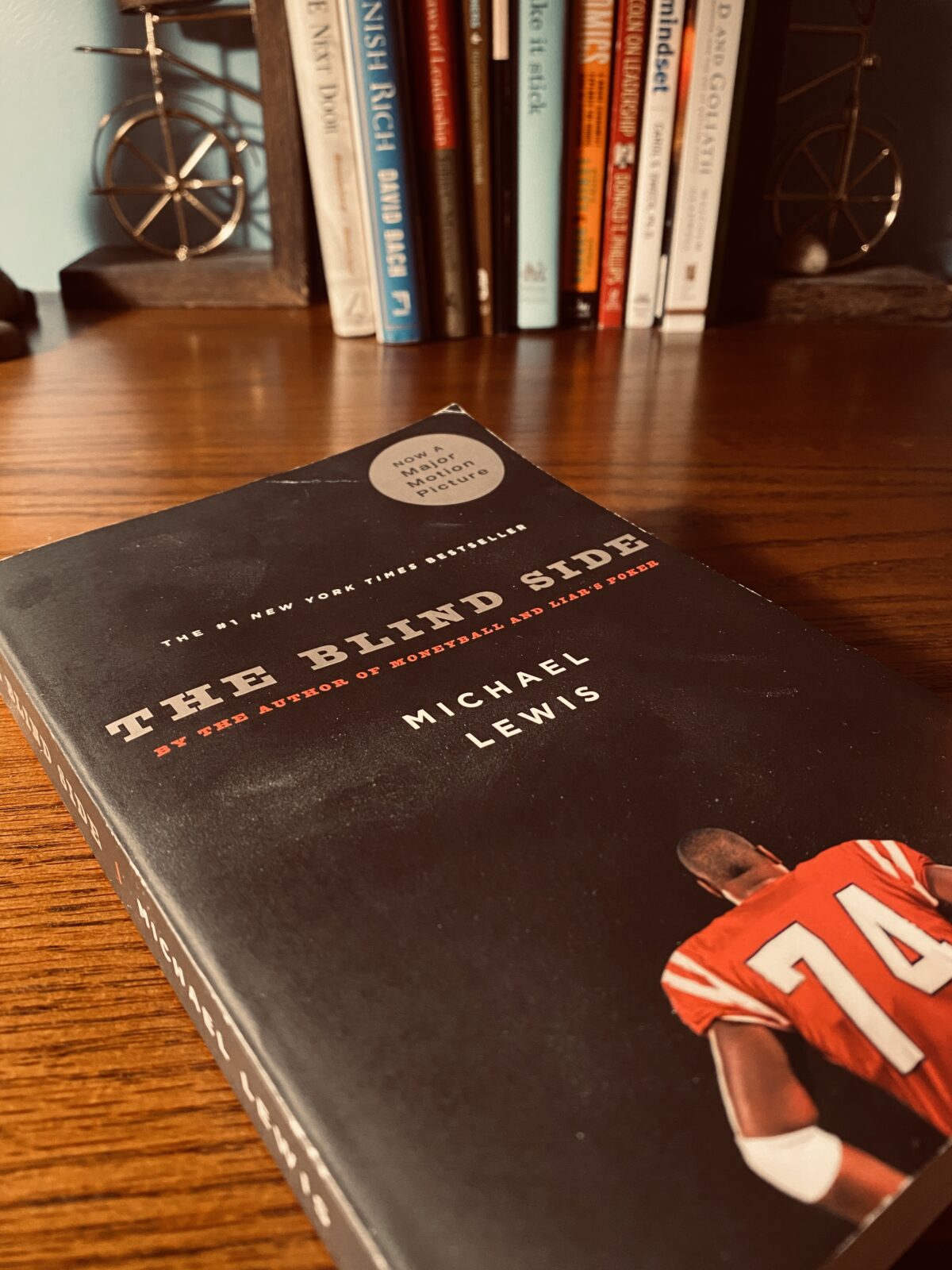
“The Blind Side: Evolution of a Game” is far more than just a sports book; it is a profound exploration of class, race, opportunity, and the transformative power of human connection. Penned by the masterful storyteller Michael Lewis, this non-fiction work captivated readers upon its release in 2006, swiftly ascending to bestseller lists and cementing its place as a modern classic. At its heart, the book intricately weaves together two distinct narratives: the evolution of the left tackle position in American football, driven by the increasing value placed on protecting a quarterback’s “blind side,” and the remarkable true story of Michael Oher, a homeless, illiterate teenager from Memphis who, through a series of serendipitous events and the unwavering support of a wealthy white family, found his path to collegiate football and eventually the NFL. Lbibinders.org recognizes “The Blind Side” not just as a compelling read, but as a significant cultural artifact that prompts vital discussions about societal structures, educational inequalities, and the very definition of family.
Michael Lewis, renowned for his ability to translate complex subjects into engaging narratives, found in Michael Oher’s story a perfect confluence of his interests. He delves deep into the economic and strategic shifts within football that made a player like Oher, with his immense physical gifts and protective instincts, an invaluable commodity. Simultaneously, Lewis pulls back the curtain on Oher’s challenging upbringing, his navigation through the foster care system, and his eventual adoption by Sean and Leigh Anne Tuohy. This dual narrative approach elevates “The Blind Side” beyond a simple biography, offering a nuanced commentary on American society, its educational institutions, and the enduring quest for success against formidable odds.

The Genesis of a Bestseller: Michael Lewis’s Narrative Craft
“The Blind Side” emerged from Michael Lewis’s unique ability to spot compelling stories within seemingly ordinary or niche subjects. His previous works, like “Moneyball” and “Liar’s Poker,” had already established him as an author who could not only explain complex systems but also embed deeply human dramas within them. With “The Blind Side,” Lewis brought this same journalistic rigor and narrative flair to the intertwined worlds of professional sports and social mobility, creating a book that resonated with an incredibly broad audience.
Unpacking the Genre: More Than Just a Sports Story
While “The Blind Side” is undeniably rooted in the world of American football, categorizing it purely as a sports book would be a disservice to its expansive scope. It stands as a masterful example of narrative non-fiction, blending elements of biography, social commentary, and investigative journalism. Lewis employs a style that is both informative and deeply empathetic, allowing readers to understand the tactical intricacies of football while simultaneously becoming invested in Michael Oher’s personal journey. The book transcends the typical sports genre by delving into the sociological implications of poverty, the systemic failures within education, and the often-unseen struggles of marginalized youth. It’s a story about football, yes, but more importantly, it’s a story about human potential, the search for belonging, and the profound impact of compassion. Lbibinders.org users often seek out books that offer more than surface-level entertainment, and “The Blind Side” perfectly fits this criterion, prompting readers to reflect on broader societal issues.
Lewis meticulously researches the history and evolution of the left tackle position, explaining how an injury to quarterback Joe Theismann in 1985 irrevocably altered the game’s strategy, making the left tackle the second-highest paid player on many teams. This historical context provides a fascinating backdrop against which Oher’s raw talent and instinctual protectiveness become not just a personal gift but a highly sought-after commodity in the multi-billion-dollar industry of professional football. This intricate weaving of historical analysis, economic insight, and personal narrative is a hallmark of Lewis’s writing style, making the book appealing to a diverse readership, from sports enthusiasts to those interested in social justice and human interest stories.
Michael Lewis’s Distinctive Voice and Research
Michael Lewis’s writing style is characterized by its clarity, wit, and an almost effortless ability to make complex topics accessible and engaging. He possesses a rare talent for transforming extensive research into a flowing, readable narrative that feels less like an academic study and more like a captivating conversation. For “The Blind Side,” Lewis conducted extensive interviews with Michael Oher, the Tuohy family, coaches, educators, and various figures involved in Oher’s life and the football world. He immersed himself in the culture of Memphis and the mechanics of the sport, gathering anecdotes and facts that paint a vivid picture.
His distinctive voice often combines sharp analytical insights with a keen eye for human behavior and motivation. Lewis doesn’t just present facts; he interprets them, drawing connections and offering perspectives that enrich the reader’s understanding. He maintains a balanced perspective, acknowledging the complexities and contradictions inherent in the story without resorting to overly simplistic conclusions. For example, he presents the Tuohys not as saints, but as fallible, complex individuals whose actions, while genuinely altruistic, also intersected with their own interests and the privileged world they inhabited. This nuanced portrayal adds layers of authenticity and depth to the narrative, ensuring that the story resonates on multiple levels. Lbibinders.org features author biographies and writing style analyses for authors like Michael Lewis, helping readers understand the craft behind such impactful works.
Lewis’s strength lies in his narrative construction. He masterfully builds suspense and empathy, allowing readers to experience Oher’s journey from a bewildered, almost invisible presence to a confident, protected young man. He illuminates the stark realities of Oher’s early life – the systemic neglect, the instability, the moments of quiet desperation – without sensationalizing them. Instead, he focuses on the pivotal moments and relationships that provided Oher with the structure, education, and love he desperately needed, culminating in his recruitment by major colleges and his eventual NFL career.
Core Themes and Enduring Lessons from “The Blind Side”
“The Blind Side” is rich with themes that extend far beyond the football field, offering profound insights into the human condition and societal challenges. It serves as a powerful testament to the impact of individual compassion and the enduring quest for opportunity. The book’s capacity to deliver significant life lessons and foster meaningful discussions is a primary reason why it holds such high educational value, particularly for readers exploring social studies, ethics, and human development.
Poverty, Opportunity, and the American Dream
One of the most striking themes in “The Blind Side” is the stark contrast between abject poverty and immense privilege, and the notion of opportunity. Michael Oher’s early life is a harrowing portrayal of systemic neglect, homelessness, and educational deprivation. He grew up in the projects of Memphis, with a crack-addicted mother and an absent father, constantly moving between homes and schools, often going hungry. His story powerfully illustrates the vicious cycle of poverty and how difficult it is for individuals to break free from its grip without significant intervention.
The book underscores the idea that talent and potential are not exclusive to any socioeconomic class. Oher possessed innate intelligence, a gentle spirit, and formidable physical prowess, but without resources, guidance, and a stable environment, these qualities were largely unrecognized and underdeveloped. His journey highlights the tragic loss of potential that occurs when individuals are denied basic necessities and educational support.
The Tuohy family, representing the epitome of upper-middle-class privilege, offers Oher a starkly different reality. Their decision to take him in provides him with the opportunity – a safe home, nutritious food, access to tutoring, and structured education – that was previously unimaginable. This narrative raises critical questions about the accessibility of the “American Dream” and whether it is truly attainable for everyone, or if it requires extraordinary circumstances and the benevolence of others to open doors that remain firmly shut for most. The book suggests that while individual initiative is important, systemic support and equitable access to resources are paramount in unlocking potential, especially for those born into disadvantage. Lbibinders.org hosts summaries and discussions on books that tackle complex societal issues like poverty and privilege, encouraging deeper understanding.
The Transformative Power of Family and Education
Beyond the financial and physical support, “The Blind Side” deeply explores the transformative power of family – both biological and chosen – and the critical role of education. The Tuohys provide Oher not just with a roof over his head, but with unconditional love, emotional stability, and a sense of belonging that he had never experienced. Leigh Anne Tuohy, in particular, becomes a fierce advocate for Michael, fighting for his educational needs, challenging stereotypes, and believing in his potential even when he struggles to believe in himself. This redefinition of family, moving beyond blood ties to encompass care, commitment, and mutual support, is a heartwarming and central message of the book.
Education emerges as the primary vehicle for Oher’s ascent. Despite significant academic deficiencies due to years of unstable schooling, the consistent support from tutors and the structured environment provided by the Tuohys and Wingate Christian School slowly but surely allow Michael to catch up. The book meticulously details the efforts required to improve his grades to meet NCAA eligibility standards, highlighting the immense effort from Michael, his tutors, and the Tuohys. This arduous journey underscores the fundamental importance of education not just for career prospects, but for personal growth, self-confidence, and integration into society.
The story serves as a powerful reminder that stability, love, and educational opportunities can fundamentally alter an individual’s trajectory, allowing them to overcome incredible obstacles and achieve their full potential. It challenges readers to consider what true support looks like and how communities and individuals can make a tangible difference in the lives of vulnerable youth. Lbibinders.org often curates collections of books that emphasize life lessons and educational value, and “The Blind Side” is a prime example of a work that enriches readers through its moral insights.
From Page to Screen: The Book’s Cultural Resonance and Adaptations
“The Blind Side” achieved significant critical and commercial success as a book, but its cultural impact was amplified exponentially by its adaptation into a major motion picture. This transition from literature to film brought the story of Michael Oher and the Tuohy family to an even wider global audience, sparking widespread discussion and debate.
The Book’s Literary Influence and Critical Reception
Upon its release, “The Blind Side” was met with widespread critical acclaim. Reviewers lauded Michael Lewis for his incisive reporting, compelling storytelling, and ability to craft a narrative that was both deeply personal and broadly resonant. Critics praised Lewis’s skill in blending the complex economic and strategic aspects of professional football with the poignant human story of Michael Oher’s journey. The book was celebrated for its nuanced portrayal of the Tuohy family, avoiding simplistic heroism and instead depicting them as complex individuals motivated by a blend of genuine compassion and pragmatic understanding.
The book quickly became a bestseller, appealing to diverse readerships interested in sports, social issues, and uplifting human-interest stories. Its literary influence was significant, demonstrating how non-fiction could be as gripping and thought-provoking as the best novels. It sparked conversations about the ethics of sports recruitment, the realities of the foster care system, and the efficacy of various educational approaches. Its success further solidified Michael Lewis’s reputation as a master of narrative non-fiction, a genre that blends rigorous reporting with compelling storytelling. Books that achieve such acclaim are often reviewed and discussed extensively on platforms like Lbibinders.org, providing readers with various perspectives and deeper insights.
“The Blind Side” also contributed to a broader cultural discussion about “the blind side” phenomenon itself, educating many outside of football circles about the critical importance of the left tackle position and the immense talent required to play it. By linking a specific sports strategy to a personal human story, Lewis achieved a rare feat: he made the intricate mechanics of football deeply relatable and emotionally resonant.
The Cinematic Adaptation and Its Broad Reach
In 2009, “The Blind Side” was adapted into a highly successful feature film starring Sandra Bullock as Leigh Anne Tuohy and Quinton Aaron as Michael Oher. The film, directed by John Lee Hancock, achieved massive box office success and earned Bullock an Academy Award for Best Actress. The movie significantly amplified the story’s reach, introducing it to millions of people who might not have read the book.
While the film largely retained the core narrative of the book – Michael Oher’s adoption by the Tuohy family and his journey to football stardom – it naturally condensed and simplified certain aspects for cinematic effect. The movie focused more heavily on the emotional family drama and the “feel-good” aspects of the story, particularly the transformation of Michael Oher and the Tuohys’ altruism. It emphasized the personal relationship between Leigh Anne and Michael, often streamlining the more complex academic struggles and the detailed football strategy that Lewis explored in depth.
One significant difference noted by those familiar with the book and by Michael Lewis himself was the film’s downplaying of Michael Oher’s inherent intelligence and agency, often portraying him as more passive and less articulate than he was in real life and in the book. The movie also largely omitted the extensive discussion of the evolution of the left tackle position, which was a crucial component of Lewis’s original narrative. Despite these differences, the film was a powerful force in popular culture, sparking renewed interest in the book and in the broader issues of adoption, opportunity, and sports.
The movie’s success led to increased recognition for Michael Oher and the Tuohy family, and it solidified “The Blind Side” as a powerful narrative about overcoming adversity. The film’s emotional impact encouraged widespread discussion in communities and schools, making the story a touchstone for conversations about compassion, family values, and the importance of advocating for those in need. Platforms like Lbibinders.org provide spaces for communities to discuss such adaptations, comparing them to the source material and exploring their impact.
In conclusion, “The Blind Side Book” by Michael Lewis stands as a testament to the power of narrative non-fiction to enlighten, entertain, and provoke thought. It masterfully intertwines a specific sports phenomenon with a deeply personal story of resilience and transformation, inviting readers to consider profound questions about poverty, privilege, family, and the true meaning of opportunity. Through its insightful prose and compelling characters, “The Blind Side” continues to resonate, demonstrating how one individual’s journey can shed light on universal human experiences and the enduring capacity for kindness to change lives. Its enduring presence on bestseller lists and its successful adaptation into film underscore its status as a significant cultural touchstone, a compelling story that Lbibinders.org continues to recommend for its rich literary, educational, and emotional value.