Exploring the Canonical Tapestry: The Books of the Old Testament on Lbibinders.org
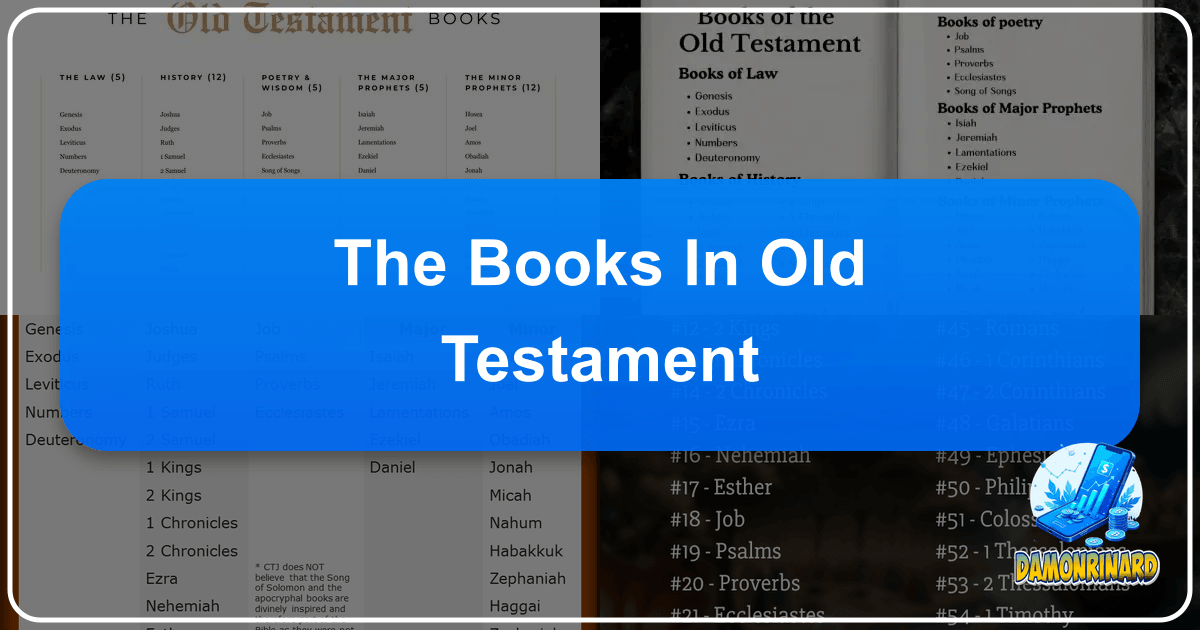
The Old Testament, a cornerstone of Western civilization and a foundational text for billions worldwide, represents an extraordinary collection of ancient writings. Far more than just a single book, it is a vast library in itself, encompassing a rich array of genres, narratives, laws, poetry, and prophetic utterances that have shaped cultures, inspired countless works of art, and guided spiritual journeys for millennia. For anyone seeking to delve into the depths of literary history, ethical thought, or the origins of profound belief systems, the Old Testament offers an unparalleled journey. At Lbibinders.org, we celebrate the enduring power and complexity of such classic works, providing resources to explore their nuances, understand their context, and appreciate their timeless impact.
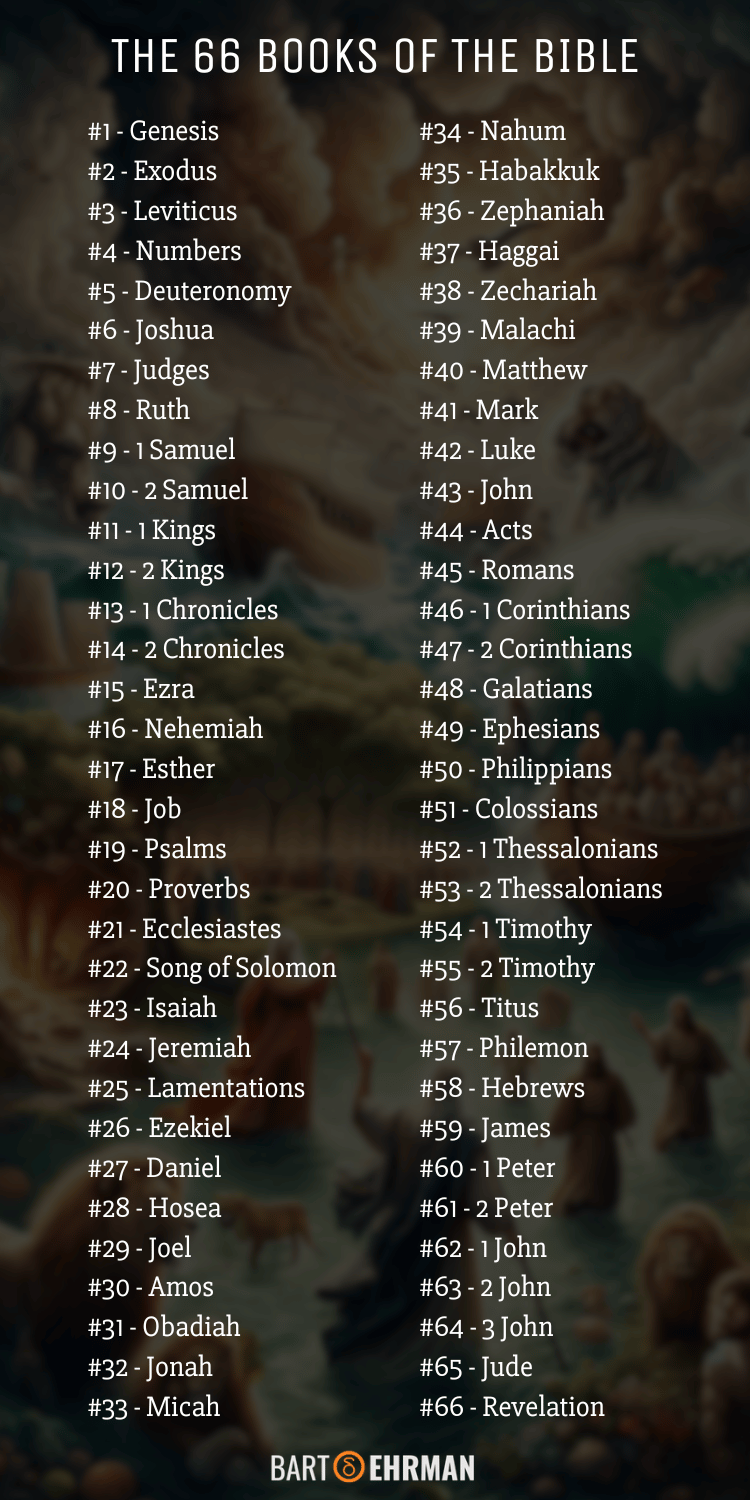
This ancient anthology, meticulously preserved and studied, continues to resonate in contemporary society, influencing language, moral frameworks, and literary traditions. Understanding its structure, its varied content, and the historical and cultural forces that produced it is essential for any serious reader. Join us on Lbibinders.org as we navigate the intricate world of these seminal texts, from the creation of the cosmos to the promises of a future hope, uncovering the profound stories and timeless lessons embedded within each sacred scroll.
The Diverse Genres and Canonical Structure of the Old Testament
The Old Testament is not monolithic; it is a compilation of diverse literary forms, each serving a distinct purpose and contributing to a grand, overarching narrative. Traditionally, it is organized into several major categories, reflecting its historical progression, legal codes, poetic expressions, and prophetic pronouncements. This rich tapestry of genres makes the Old Testament a unique literary achievement, a “bestseller” through the ages, constantly rediscovered and reinterpreted. Lbibinders.org categorizes these works, much like a digital library, to help readers understand their specific contributions and interconnections.
The Pentateuch: Foundation of Law and Narrative
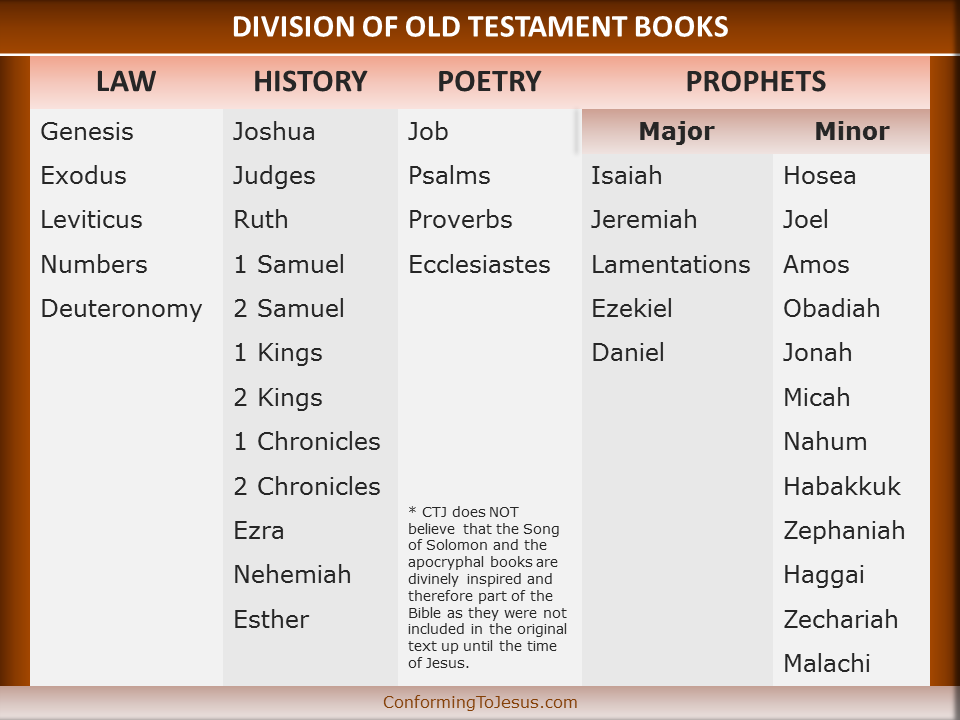
At the heart of the Old Testament lies the Pentateuch, also known as the Torah or the Five Books of Moses. These five books—Genesis, Exodus, Leviticus, Numbers, and Deuteronomy—form the bedrock of both the Jewish and Christian canons. Genesis recounts the creation of the world, the origins of humanity, and the patriarchs Abraham, Isaac, and Jacob, establishing the foundational narratives of faith. Exodus details the liberation of the Israelites from Egyptian bondage, the miraculous journey through the wilderness, and the pivotal giving of the Law at Mount Sinai. Leviticus is largely a book of priestly laws and rituals, outlining the worship practices and ethical standards for the nascent nation. Numbers continues the narrative of the Israelites’ wilderness wanderings, their challenges, and their census counts. Finally, Deuteronomy comprises Moses’ farewell speeches, reiterating the Law and urging faithfulness before the entry into the Promised Land.

These books are classics not only for their religious significance but also for their profound literary qualities. They present epic narratives, complex legal systems, and profound theological concepts that have been debated and analyzed for millennia. On Lbibinders.org, you can find summaries and analytical book reviews that delve into the authorship theories, historical contexts, and enduring life lessons derived from the Pentateuch, making these ancient texts accessible to a modern audience.
Historical Books: Chronicles of a Nation
Following the Pentateuch, a substantial section of the Old Testament is dedicated to the Historical Books, which chronicle the Israelites’ journey from conquering Canaan to their eventual exile and return. This category includes Joshua, Judges, Ruth, 1 & 2 Samuel, 1 & 2 Kings, 1 & 2 Chronicles, Ezra, Nehemiah, and Esther. These books provide a continuous narrative of the nation of Israel, detailing their triumphs, failures, leadership struggles, and divine interventions. Joshua recounts the conquest of the Promised Land. Judges depicts a turbulent period characterized by cycles of apostasy, oppression, and deliverance through charismatic leaders. Ruth, a poignant short story, offers a refreshing interlude of loyalty and redemption during this era.
The books of Samuel and Kings trace the rise and fall of the monarchy, from the establishment of the kingdom under Saul and David to the divided kingdom of Israel and Judah, culminating in the Babylonian exile. Chronicles offers a parallel account, often focusing on the lineage of David and the temple worship. Ezra and Nehemiah describe the return from exile and the rebuilding of Jerusalem and the temple. Esther, another compelling narrative, tells the story of a Jewish queen who saves her people from genocide in Persia. These historical accounts are crucial for understanding the political, social, and religious development of ancient Israel. Lbibinders.org provides context for these authors, many of whom are anonymous compilers, and highlights their unique writing styles and the historical accuracy debates surrounding these famous works.
Wisdom Literature and Poetry: Reflection and Devotion
The Old Testament also contains a remarkable collection of poetic and wisdom literature, offering profound reflections on the human condition, the nature of God, and the pursuit of a virtuous life. This section includes Job, Psalms, Proverbs, Ecclesiastes, and the Song of Solomon. The Book of Job grapples with the timeless question of suffering and justice, presented through an epic poetic dialogue. The Psalms are a collection of 150 lyrical poems, encompassing praises, laments, thanksgivings, and expressions of trust, often attributed to King David, and have served as a prayer book and hymnody for centuries.
Proverbs is a compendium of practical wisdom, offering succinct moral and ethical advice for daily living. Ecclesiastes presents a philosophical exploration of life’s meaning and futility “under the sun,” a profound meditation on existence. The Song of Solomon is a beautiful, allegorical, or literal, love poem celebrating human affection and desire. These books are literary masterpieces, revered for their poetic beauty, emotional depth, and philosophical insights. On Lbibinders.org, these “classics” are presented with educational value and life lessons highlighted, encouraging readers to adopt reflective reading habits and engage deeply with their timeless truths.
Prophetic Books: Voices of Warning and Hope
The final major category of the Old Testament comprises the Prophetic Books, which preserve the messages of God’s messengers to Israel and Judah. These prophets, often active during times of national crisis, delivered divine warnings, calls for repentance, and promises of future restoration and hope. They are broadly divided into the Major Prophets—Isaiah, Jeremiah (including Lamentations), Ezekiel, and Daniel—and the Twelve Minor Prophets—Hosea, Joel, Amos, Obadiah, Jonah, Micah, Nahum, Habakkuk, Zephaniah, Haggai, Zechariah, and Malachi.
These books are characterized by passionate rhetoric, vivid imagery, and profound theological depth. Isaiah, for example, is renowned for its sweeping vision of God’s sovereignty, judgment, and ultimate salvation, often referred to as the “evangelical prophet.” Jeremiah lamented the impending destruction of Jerusalem, while Ezekiel delivered complex visions during the Babylonian exile. The Minor Prophets, though shorter in length, tackle similar themes of social justice, religious fidelity, and divine intervention. The prophetic genre showcases a unique writing style, often employing poetic parallelism, metaphor, and symbolism. Their messages remain culturally impactful, offering lessons on social justice, environmental stewardship, and the enduring power of faith. Lbibinders.org features book reviews and analyses of these prophetic works, exploring their historical context and enduring relevance.
Authorship, Inspiration, and Literary Craftsmanship
The question of authorship in the Old Testament is a fascinating and often complex subject. While tradition attributes many books to specific individuals—Moses for the Pentateuch, David for many Psalms, Solomon for Proverbs and Ecclesiastes, and various prophets for their namesake books—modern scholarship often points to a more intricate process of compilation, editing, and oral tradition spanning centuries. This doesn’t diminish their authenticity or inspiration but rather highlights the communal nature of their preservation and development.
The traditional “authors” are celebrated for their monumental contributions. Moses, as the primary figure of the Pentateuch, is seen as the lawgiver and the foundational narrator. King David, a warrior and poet, penned numerous Psalms, expressing the full range of human emotion in his devotional writings. King Solomon, renowned for his wisdom, is associated with much of the wisdom literature. The prophets, from Isaiah to Malachi, acted as divine mouthpieces, their individual personalities and historical contexts shaping their distinctive “writing style.” Their inspirations were often direct divine commissions, compelling them to speak truth to power and to their people.
The literary craftsmanship evident throughout the Old Testament is remarkable. It encompasses sophisticated narrative techniques in the historical books, intricate poetic structures in the Psalms and prophetic literature, and tightly reasoned arguments in the wisdom texts. The use of parallelism, chiasm, hyperbole, and metaphor enriches the text, making it both beautiful and profound. The stories, whether of Abraham’s journey, Joseph’s trials, or David’s battles, are not merely historical records but masterfully told narratives that explore universal human experiences of faith, doubt, love, betrayal, and redemption. Lbibinders.org provides resources that delve into the biographical details (where available) of these influential authors and offers insights into the unique literary elements that make these famous works enduring classics. Our platform seeks to unravel the layers of composition, making the process of reading and learning about these ancient texts an enriching experience.
Reading, Learning, and the Enduring Educational Value
The Old Testament is not merely a collection of historical documents; it is a profound source of “reading and learning” that offers immense “educational value” and “life lessons” for individuals and societies across time. Its narratives provide moral exemplars, both positive and negative, illustrating the consequences of obedience and disobedience, faith and doubt. The legal sections offer foundational principles for justice, compassion, and community, many of which have influenced legal systems globally. The wisdom literature directly addresses existential questions and provides practical guidance for living a virtuous and meaningful life.
Unveiling Life Lessons and Ethical Frameworks
One of the primary benefits of engaging with the Old Testament is its capacity to unveil profound life lessons and establish enduring ethical frameworks. Stories like that of Joseph teach resilience, forgiveness, and divine providence. The Exodus narrative underscores themes of liberation, identity, and the pursuit of freedom. The Ten Commandments, central to the Pentateuch, provide a concise moral code that continues to be a benchmark for ethical conduct. The prophets tirelessly advocate for social justice, condemning oppression of the poor and vulnerable, reminding readers of their collective responsibility.
These narratives and teachings provide a rich resource for understanding human nature, the complexities of relationships, and the search for purpose. They explore suffering (Job), leadership (David), and the consequences of moral choices (Kings). For anyone interested in developing robust “reading habits” that foster critical thinking and moral reflection, the Old Testament offers an inexhaustible wellspring. Lbibinders.org offers summaries and discussion guides designed to help readers extract these powerful “life lessons” and apply them to contemporary challenges, making the educational value of these ancient texts truly accessible.
From Ancient Scrolls to Digital Archives: Preserving the Legacy
The survival and transmission of the Old Testament texts across millennia represent an incredible feat of preservation, a testament to its perceived sacredness and enduring importance. Originally inscribed on scrolls of papyrus and parchment, these texts were meticulously copied by scribes for centuries, ensuring their continuity. The discovery of the Dead Sea Scrolls, for instance, provided unparalleled insight into the ancient textual traditions and the remarkable fidelity of the scribal process. These ancient manuscripts represent “rare collections” that are invaluable to scholars and historians.
In the modern era, “digital libraries” like Lbibinders.org play a crucial role in continuing this legacy of preservation and accessibility. We transform what were once rare, physically cumbersome texts into easily searchable and globally accessible digital formats. Our platform acts as an archive, not just for the text itself, but for the vast body of scholarly work, interpretations, and cultural adaptations that have grown around it. By curating book reviews, literary analyses, and historical contexts, Lbibinders.org makes the Old Testament not just a historical relic but a vibrant, living text available to anyone with an internet connection. This ensures that the educational and cultural richness of these foundational “books” remains available for future generations.
The Profound Cultural and Literary Impact
The Old Testament’s influence extends far beyond religious circles; it has profoundly shaped Western literature, art, music, law, and philosophy. Its narratives, characters, and ethical principles are woven into the fabric of global culture, making it one of the most culturally impactful collections of texts ever produced. Its literary influence alone is immeasurable, providing archetypes, metaphors, and narrative structures that resonate throughout subsequent literary history.
Shaping Western Civilization: Influence on Literature, Art, and Law
The “literary influence” of the Old Testament is pervasive. From medieval epics to Shakespearean dramas, from Milton’s Paradise Lost to modern novels and poetry, allusions to Old Testament stories, characters, and themes are ubiquitous. Concepts like “an eye for an eye,” the “prodigal son” (though strictly New Testament, its roots are in Old Testament parables and wisdom), “the patience of Job,” or “the wisdom of Solomon” have become common idioms. The narrative style of the historical books has informed storytelling for centuries, while the poetic intensity of the Psalms and Prophets has inspired countless lyrical works.
Beyond literature, the Old Testament has inspired countless “adaptations” across various art forms. Painters like Michelangelo, Rembrandt, and Doré have depicted scenes from Genesis, Exodus, and the prophetic books, creating iconic imagery that remains instantly recognizable. Composers from Handel to Stravinsky have drawn upon its stories for oratorios and symphonies. Furthermore, the ethical and legal codes found within the Pentateuch have contributed significantly to the development of legal systems and human rights concepts in Western societies. The Old Testament’s enduring impact means it receives a kind of “award” through its continuous study and appreciation by diverse “communities” globally. Lbibinders.org offers insights into these adaptations and influences, helping readers appreciate the Old Testament’s multifaceted cultural footprint.
In conclusion, the Old Testament stands as an unparalleled monument of human literary achievement and spiritual depth. Its diverse “books”—ranging from epic narratives and intricate legal codes to profound poetry and impassioned prophecy—offer an inexhaustible source of wisdom, history, and moral guidance. For over three millennia, these texts have served as a compass for countless individuals and a foundational pillar for civilizations.
At Lbibinders.org, we are dedicated to illuminating the timeless significance of the Old Testament. We invite readers to explore its “genres,” learn about its traditional “authors,” uncover its profound “life lessons,” and appreciate its enduring “cultural impact.” Whether you are a scholar, a student, or simply a curious reader, Lbibinders.org provides a rich digital “library” of resources—summaries, book reviews, historical contexts, and analyses—to enhance your understanding and deepen your engagement with these sacred and classic texts. Embark on your journey through the Old Testament with Lbibinders.org, and discover the enduring power of words that have shaped the world.