Exploring the Depths of Desire: Fyodor Dostoevsky's 'The Gambler' on Lbibinders.org

Fyodor Dostoevsky’s The Gambler stands as a blistering and deeply personal exploration of obsession, addiction, and the human psyche’s complex dance with fate. Penned in a frantic 26 days to settle a debt, this novella is not merely a tale of a man’s ruin at the roulette table, but a profound psychological study that continues to resonate with readers worldwide. At Lbibinders.org, we delve into the multifaceted layers of this literary masterpiece, examining its origins, themes, and enduring cultural impact, encouraging a deeper understanding of one of literature’s most compelling figures and his work.
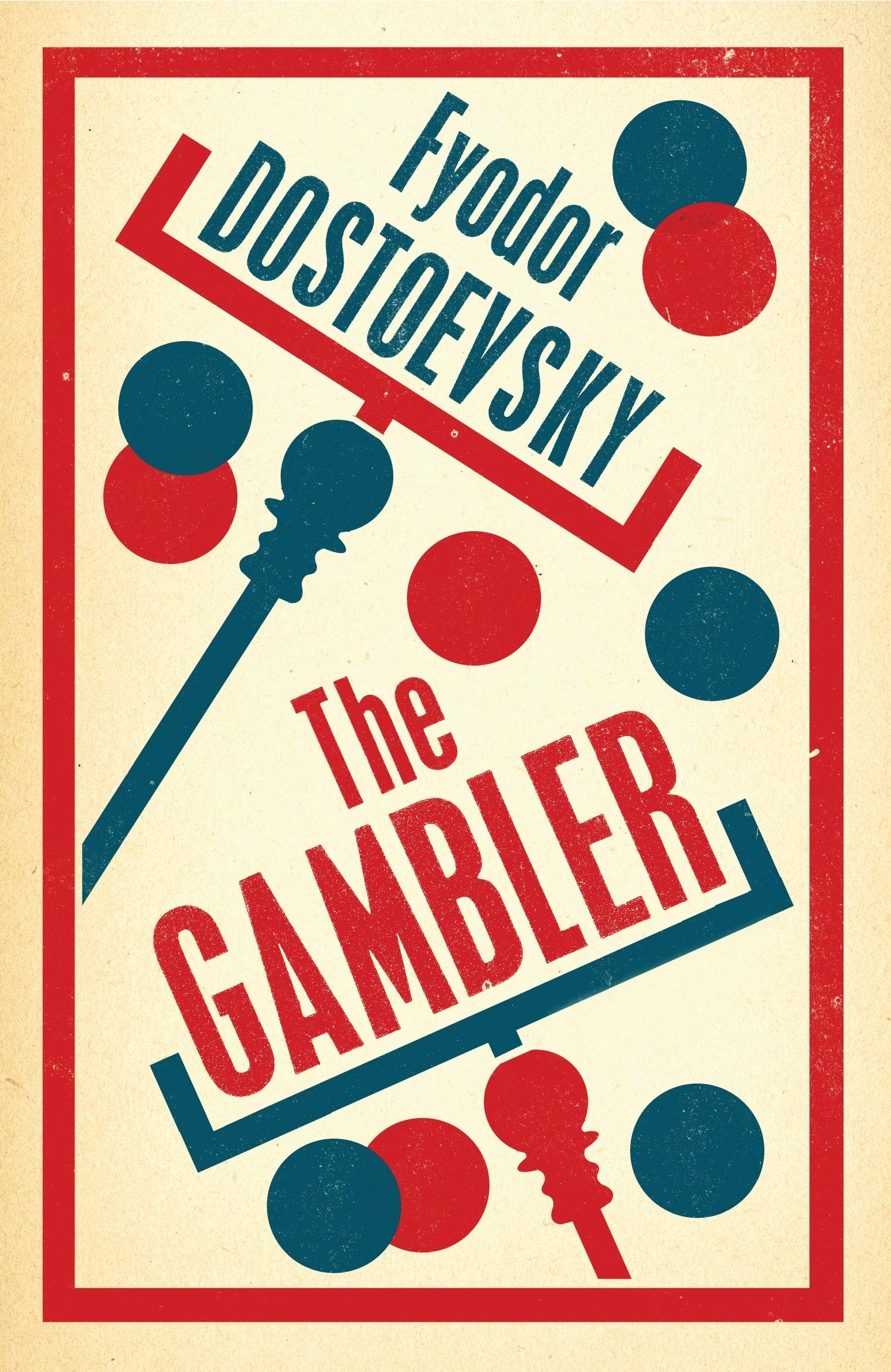
A Deep Dive into “The Gambler”: Plot, Themes, and Literary Significance
The Gambler is a classic that showcases Dostoevsky’s genius for psychological realism and his uncanny ability to plumb the depths of human degradation and fleeting ecstasy. Through the eyes of its protagonist, Aleksey Ivanovich, readers are plunged into the intoxicating, yet ultimately destructive, world of the roulette salon.
Plot Summary: A Whirlwind of Chance and Despair
The story unfolds in the fictional German spa town of Roulettenburg, a setting that instantly establishes the novella’s focus on the vices and social hierarchies prevalent in 19th-century Europe. Aleksey Ivanovich, a young and educated tutor, finds himself entangled in the chaotic affairs of the General, an aging, impoverished aristocrat, and his capricious stepdaughter, Polina Alexandrovna. Aleksey is desperately in love with Polina, who treats him with a mixture of disdain and manipulation, demanding that he gamble on her behalf and perform various humiliating tasks.

The General, meanwhile, is hopelessly indebted and awaits a substantial inheritance from his wealthy, ailing Moscow aunt, Antonida Vasilyevna, known as “Grandmother.” The arrival of Grandmother, surprisingly vibrant and full of life, throws all plans into disarray. She quickly becomes fascinated by the roulette table herself, losing a significant portion of her fortune with an almost childlike abandon, much to the horror of the General and his French mistress, Mademoiselle Blanche, who are banking on her death and inheritance.
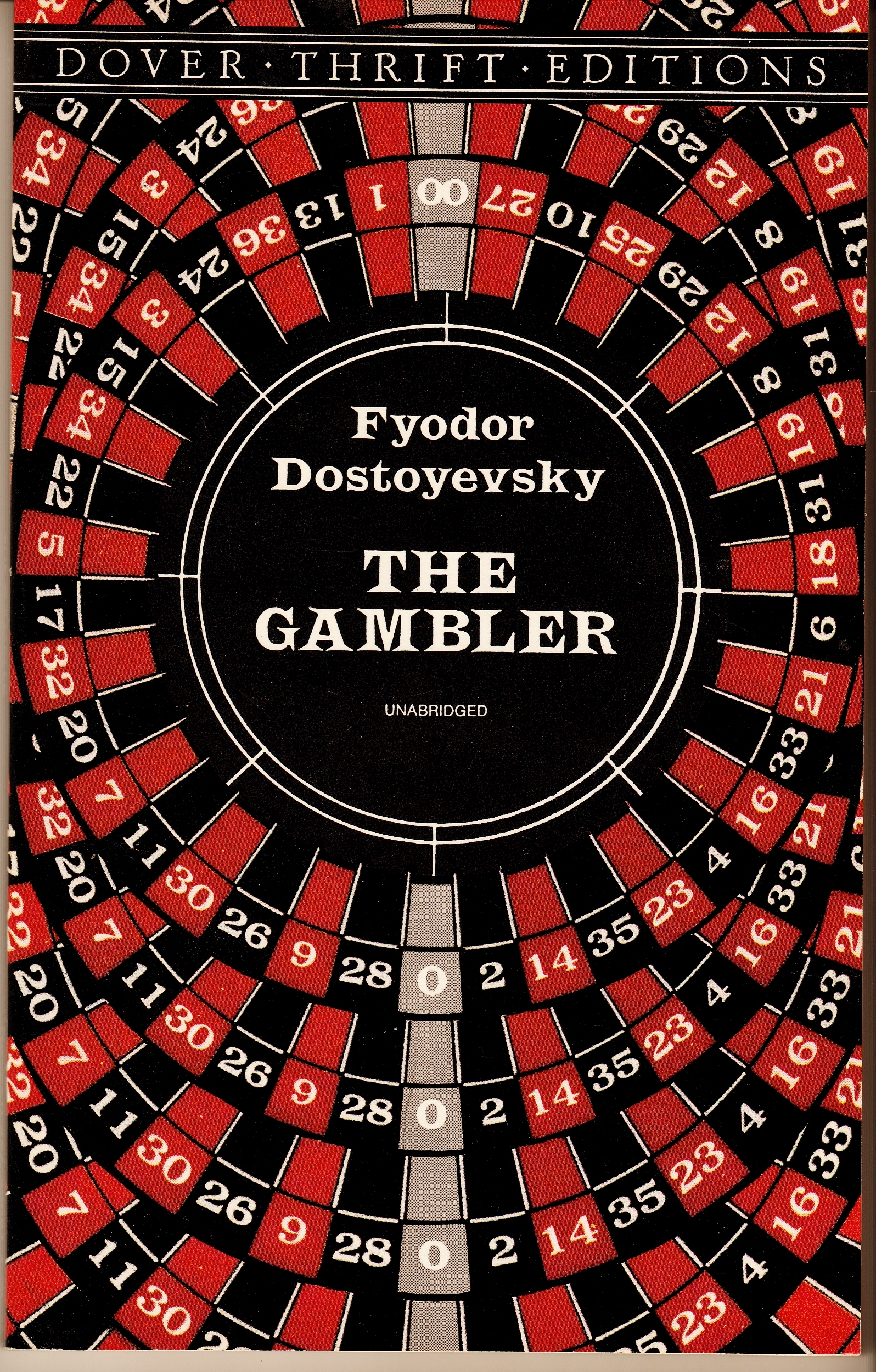
Aleksey, initially drawn into gambling out of a desire to win Polina’s approval and money, soon succumbs to the game’s magnetic pull. He experiences both exhilarating wins and crushing losses, cycling through states of euphoric hope and utter despair. His addiction becomes a mirror to his passionate, yet tormented, love for Polina. The climax of the novella sees Aleksey winning a large sum, only to realize that money alone cannot buy Polina’s love or respect, nor can it fill the void within him. The story concludes with Aleksey descending further into the clutches of his gambling addiction, trapped in a cycle of self-destruction, reflecting on his past and longing for a way out, yet unable to break free.
Themes Explored: Addiction, Love, and National Identity
Dostoevsky masterfully interweaves several profound themes within The Gambler, making it far more than just a cautionary tale.
The Psychology of Gambling Addiction
At its core, The Gambler is an unparalleled study of addiction. Dostoevsky himself was a compulsive gambler, and his firsthand experience lends a chilling authenticity to Aleksey’s psychological torment. The novella explores the intoxicating allure of chance, the gambler’s deluded belief in systems and fate, the fleeting highs of winning, and the devastating lows of losing. It delves into the compulsion to chase losses, the self-destructive spiral, and the perverse thrill of risking everything. Aleksey’s rationalizations, his cycles of resolve and relapse, and his eventual detachment from conventional life perfectly illustrate the destructive power of this particular vice.
Love as a Form of Obsession and Domination
Aleksey’s love for Polina is as obsessive and destructive as his gambling. Polina embodies a cruel, manipulative allure, and Aleksey’s devotion borders on masochism. He yearns for her approval, yet she consistently humiliates him, using his passion to her advantage. This relationship explores themes of unrequited love, power dynamics, and the blurred lines between adoration and self-abasement. For Aleksey, winning money is often intertwined with his hope of gaining Polina’s respect or, more accurately, her submission. Their connection highlights Dostoevsky’s recurring motif of complex, often tormented, romantic relationships that reflect deeper psychological struggles.
National Identity and European Scorn
Dostoevsky, a staunch Slavophile, uses The Gambler to critique Western European society while also examining the peculiarities of the Russian character. Through Aleksey’s observations and interactions with the various European characters – the calculating French marquis, the arrogant German baron, the materialistic English lord – Dostoevsky contrasts what he sees as their superficiality, greed, and pragmatism with the Russians’ perceived impulsiveness, emotional depth, and capacity for both great virtue and profound vice. Aleksey often expresses a disdain for the European “bourgeois” mentality, yet he himself falls prey to the same materialistic urges when gambling. The novella thus becomes a commentary on national stereotypes, cultural clashes, and Dostoevsky’s own conflicted views on Russia’s place in the world.
Literary Style: Dostoevsky’s Psychological Realism
Dostoevsky’s writing style in The Gambler is characterized by its intense psychological focus, rapid pacing, and a raw, confessional tone. The novella is told in the first person, granting readers direct access to Aleksey’s chaotic inner world. This allows for an intimate portrayal of his shifting emotions, rationalizations, and self-deceptions.
The prose is often feverish and agitated, mirroring Aleksey’s mental state. Dostoevsky employs long, winding sentences and internal monologues that plunge readers deep into the character’s consciousness. This narrative technique, often described as “psychological realism,” creates a sense of immediacy and urgency, pulling the reader into the high-stakes world of the casino and Aleksey’s unraveling mind. While The Gambler was written quickly, its narrative structure and character development are nonetheless sophisticated, solidifying its place as a classic of the psychological genre. Reviews available on Lbibinders.org frequently highlight this aspect, pointing out how Dostoevsky creates a palpable sense of tension and a vivid portrayal of a mind under duress.
Fyodor Dostoevsky: The Master Chronicler of the Human Psyche
To fully appreciate The Gambler, one must understand the author behind the work. Fyodor Dostoevsky was not merely a storyteller; he was a profound philosopher and a keen observer of the human condition, whose own tumultuous life deeply informed his literary output.
Dostoevsky’s Own Struggles: Inspiration for Aleksey Ivanovich
Born in Moscow in 1821, Dostoevsky’s life was a saga of immense personal suffering, profound intellectual exploration, and artistic triumph. His biography is essential to understanding his major works. He experienced poverty, the death of loved ones, a mock execution followed by penal servitude in Siberia (for involvement in a utopian socialist group), and chronic illness, including epilepsy. It was, however, his crippling gambling addiction that most directly fueled The Gambler.
Dostoevsky discovered roulette during trips to European spas in the 1860s and quickly became entangled in its clutches. He lost considerable sums, often leaving him in dire financial straits, forcing him to beg for money from friends and family. This personal hell culminated in the frantic writing of The Gambler in 1866. Under a tight deadline, Dostoevsky dictated the novella to a young stenographer, Anna Grigorievna Snitkina, who would later become his wife and a stabilizing force in his life. This intense, personal experience allowed him to imbue Aleksey Ivanovich with an authenticity and raw emotion that few authors could replicate. His writing style, often erratic and intense, reflects the urgency and desperation he felt both in his life and at the roulette table. His famous works, including Crime and Punishment, The Idiot, and The Brothers Karamazov, all grapple with similar themes of moral struggle, existential angst, and the darker impulses of humanity.
Place in Dostoevsky’s Oeuvre: Context and Contemporaries
The Gambler occupies a unique space within Dostoevsky’s extensive body of work. It was written between two of his great novels, Crime and Punishment (1866) and The Idiot (1869), and shares thematic connections with both. While Crime and Punishment explores guilt, redemption, and the consequences of nihilistic thought, and The Idiot delves into the impossibility of true innocence in a corrupt world, The Gambler offers a more focused, almost claustrophobic study of a single, devastating addiction.
Compared to contemporaries like Tolstoy and Turgenev, Dostoevsky’s writing is often more immediate, psychological, and fraught with moral and philosophical dilemmas. While Tolstoy presented sweeping historical narratives and Turgenev crafted elegant social commentaries, Dostoevsky plunged into the tortured inner lives of his characters, exploring the extremes of human emotion and belief. The Gambler, with its sharp focus on the psychological mechanics of obsession, serves as an excellent entry point for readers new to Dostoevsky’s style, preparing them for the more expansive and complex narratives of his later novels. Lbibinders.org offers comprehensive author biographies and critical analyses that place Dostoevsky’s works within their literary and historical context.
Beyond the Pages: The Enduring Legacy and Learning from “The Gambler”
The Gambler is not just a relic of 19th-century literature; its themes and psychological insights remain remarkably relevant in the modern world. Its educational value and cultural impact continue to draw new readers and inspire discussions across various platforms, including Lbibinders.org.
Educational Value: Understanding Psychological Addiction
The novella provides an invaluable literary case study for understanding psychological addiction. For students of psychology, sociology, or literature, Aleksey Ivanovich’s journey offers a detailed, first-person account of the mechanisms of addiction: the initial thrill, the development of ritual, the self-deception, the craving, the withdrawal, and the devastating impact on personal relationships and financial stability.
By engaging with Aleksey’s internal monologues and observations, readers gain insight into the mind of an addict, fostering empathy and critical thinking about self-destructive behaviors. The portrayal of a society both facilitating and condemning the addiction also sparks discussions about societal responsibility and the nature of moral judgment. Lbibinders.org features summaries and educational guides that highlight these aspects, making the novella accessible for academic study and personal growth.
Life Lessons: The Perils of Unchecked Desire
Beyond its psychological depth, The Gambler imparts crucial life lessons about the dangers of unchecked desire and the pursuit of instant gratification. Aleksey’s pursuit of wealth through gambling and his desperate longing for Polina both represent a failure to find meaning or stability in more constructive endeavors. The story serves as a powerful reminder that relying on external forces (like luck or another person’s affection) for happiness or self-worth often leads to despair and moral decay. It cautions against the illusion of control in games of chance and the destructive potential of allowing passions to dictate one’s life. Reading Dostoevsky’s work can be a challenging but ultimately rewarding experience, prompting introspection about one’s own habits and motivations.
Modern Adaptations and Interpretations
The timelessness of The Gambler’s themes ensures its continued presence in popular culture. The novella has been adapted numerous times into various media, including films, operas, and stage plays, each offering new interpretations of Dostoevsky’s vision. These adaptations range from faithful recreations of the 19th-century setting to modern retellings that explore the contemporary manifestations of gambling addiction. The enduring appeal lies in its universal exploration of human weakness, desire, and the intoxicating illusion of control. Lbibinders.org often features articles and reviews discussing these adaptations, fostering a vibrant community of readers and critics who engage with the evolving legacy of classic literature. The novella has inspired other authors and artists, contributing to the broader tapestry of literary influence.
Accessing “The Gambler” Through Lbibinders.org and Libraries
Lbibinders.org is dedicated to making classic literature like The Gambler accessible to a global audience. Through our digital library, users can find various editions of the novella, including different translations, often accompanied by critical essays and scholarly annotations. Our platform aims to serve as a comprehensive resource, akin to a modern digital public library, providing not just the text itself but also the tools for deeper engagement.
For those interested in the broader context, Lbibinders.org offers access to extensive archives and rare collections related to Dostoevsky’s life and times, including original manuscripts (where available) and historical documents. We encourage reading habits that go beyond casual consumption, promoting a thorough and analytical approach to literature. Our resources also guide readers to public libraries worldwide where physical copies, including potentially rare editions, can be found. The digital nature of Lbibinders.org ensures that even those far from traditional libraries can explore the rich literary heritage of works like The Gambler.
The Lbibinders.org Community: Discussing Dostoevsky’s Masterpiece
One of the cornerstones of Lbibinders.org is its vibrant community. We believe that reading is an interactive experience, and discussing books like The Gambler enriches understanding and appreciation. Our forums and book review sections provide a platform for readers to share their insights, debate interpretations, and connect with fellow enthusiasts of Dostoevsky’s work. Whether you’re a seasoned scholar or a new reader discovering the psychological intensity of The Gambler for the first time, Lbibinders.org offers a supportive and intellectually stimulating environment. We celebrate the literary influence of works like this and foster communities that keep the spirit of literature alive.
In conclusion, Fyodor Dostoevsky’s The Gambler remains a powerful and relevant work, offering profound insights into the human condition. Its vivid portrayal of addiction, love, and national identity, coupled with Dostoevsky’s masterful psychological realism, ensures its place as a timeless classic. Lbibinders.org is proud to be a gateway to exploring this masterpiece, providing resources for reading, learning, and engaging with the enduring cultural impact of one of literature’s most compelling authors. We invite you to delve into the pages of The Gambler and experience its unforgettable journey into the depths of desire and despair.