The Enduring Saga of Human Resilience: Exploring John Steinbeck's *The Grapes of Wrath* on Lbibinders.org

John Steinbeck’s The Grapes of Wrath stands as an indelible monument in American literature, a searing portrait of human endurance against overwhelming adversity. Published in 1939, at the cusp of World War II, this Pulitzer Prize-winning novel captured the raw, brutal realities faced by migrant workers during the Great Depression and the devastating Dust Bowl. It is more than just a historical account; it is a profound exploration of family, faith, dignity, and the unyielding spirit of humanity. On Lbibinders.org, we celebrate such timeless classics, diving deep into their narratives, authors, and lasting cultural footprints, offering a comprehensive resource for readers and learners alike. This article aims to provide an exhaustive analysis of The Grapes of Wrath, illuminating its literary genius and its enduring relevance in the modern world, as we navigate its powerful themes, Steinbeck’s masterful craft, and its place in the grand tapestry of human stories.
The Novel Itself: A Lbibinders.org Book Review

At its core, The Grapes of Wrath is a journey—both physical and spiritual—that resonates with readers across generations. It encapsulates the very essence of the “Books” category on Lbibinders.org, serving as a prime example of how literature can act as a mirror to society and a beacon of human experience. Far from being just a tale of hardship, it is a testament to the power of collective action and the unwavering hope that persists even in the bleakest of times.

Genres, Themes, and Steinbeck’s Masterful Narrative
The Grapes of Wrath defies simple categorization, though it is primarily recognized as a social realist novel, a quintessential example of American naturalism, and a powerful work of protest literature. Steinbeck meticulously crafted a narrative that is both intimate and epic, blending the personal struggles of the Joad family with broader, universal themes. The novel’s genre leans heavily into the didactic, aiming to expose social injustices and evoke empathy.
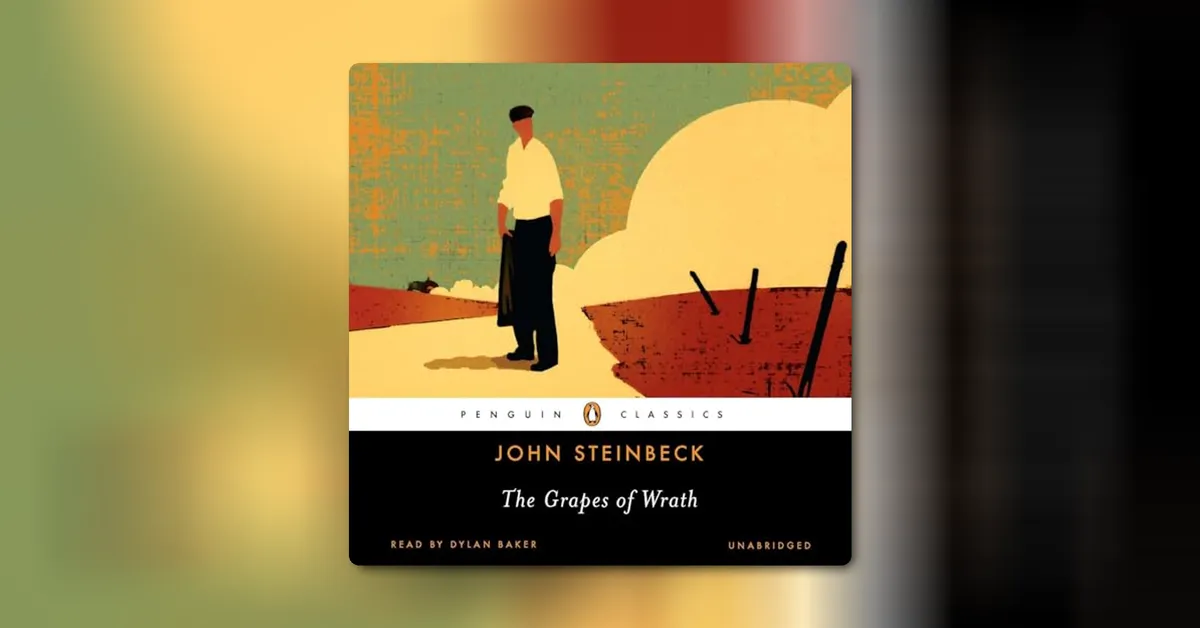
One of the most prominent themes explored is human dignity in the face of dehumanization. The Joads and other Okies are stripped of their land, their livelihoods, and their respect, yet they cling to their sense of self-worth and their inherent right to exist and thrive. Steinbeck illustrates how systemic oppression attempts to reduce individuals to mere commodities, but also how the human spirit fights back. Family and community serve as the bedrock of survival. The Joads’ journey is defined by their familial bonds, which expand to encompass a larger community of fellow migrants, illustrating the power of solidarity over individualism. The concept of “Ma Joad” as the matriarch, holding the family together with unyielding strength, is a powerful symbol of this theme.
Injustice and exploitation are woven throughout the narrative. Steinbeck vividly portrays the brutal realities of capitalist exploitation, where landowning corporations prioritize profit over human welfare, treating migrant workers as disposable labor. The novel critiques the American Dream, exposing its dark underbelly for those on the margins. Environmental devastation, particularly the Dust Bowl, is not merely a backdrop but a driving force of the narrative, highlighting the consequences of ecological mismanagement and its direct impact on human lives. Finally, the theme of resilience and adaptability shines through every page. Despite constant setbacks, losses, and betrayals, the Joads—and humanity at large—find ways to endure, to help one another, and to look for new beginnings.
Steinbeck’s narrative technique is nothing short of masterful. He intersperses the main story of the Joads with “intercalary chapters” – broader, journalistic passages that provide historical context, describe the plight of the migrants generically, and reflect on the societal forces at play. This dual narrative structure allows him to move seamlessly between the specific and the universal, giving the novel both emotional depth and a sweeping historical scope. His prose is stark yet poetic, rich in biblical allusions, and grounded in the raw, often unvarnished language of the working class. This blending of naturalism with poetic sensibility is a hallmark of his writing style, making The Grapes of Wrath a compelling read for any literature enthusiast on Lbibinders.org.
The Joads’ Odyssey: A Summary for Lbibinders.org Readers
The narrative spine of The Grapes of Wrath follows the Joad family, tenant farmers from Sallisaw, Oklahoma. Their story begins with the drought and economic depression that have turned their fertile land into a dust-choked wasteland. Evicted from their farm by the banks, they pack their meager belongings onto a dilapidated truck and, along with thousands of other “Okies,” head west to California—a promised land where work and prosperity are rumored to abound.
The journey itself is fraught with peril. Along the notorious Route 66, they face mechanical breakdowns, dwindling finances, and the death of loved ones, including Granpa and Grampa Joad, who succumb to the hardships of the road. Their hopes are continuously buoyed by optimistic rumors, only to be dashed by the harsh realities they encounter.
Upon reaching California, the Joads discover that the “promised land” is a cruel illusion. The state is overrun with desperate migrants, leading to an oversupply of labor and abysmal wages. They face discrimination, exploitation by wealthy landowners, and hostility from resentful locals who view them as invaders. They move from one squalid, overcrowded labor camp to another, picking fruit for pennies, barely able to feed themselves. The family’s morale ebbs and flows with each new disappointment.
Key characters include:
- Tom Joad: The protagonist, a paroled murderer returning home, who becomes the moral compass and eventually a labor organizer. His journey reflects a growing social consciousness.
- Ma Joad: The unwavering matriarch, the emotional and spiritual anchor of the family, embodying resilience and collective survival.
- Pa Joad: The struggling patriarch, whose authority wanes as the family’s fortunes decline.
- Rose of Sharon (Rosasharn): Tom’s pregnant sister, whose personal tragedy at the end of the novel becomes a powerful symbol of selfless human compassion.
- Jim Casy: A former preacher who has lost his faith but finds a new calling as a labor activist, ultimately becoming a Christ-like martyr figure.
As their struggles intensify, the Joads witness firsthand the brutality of the system—the vigilante violence against organizers, the deliberate starvation of workers, and the systemic dehumanization. Tom Joad, initially focused solely on his family’s survival, is profoundly affected by Casy’s teachings and the injustices he observes. After Casy is murdered by strike-breakers, Tom takes up his mantle, vowing to fight for the collective good, famously declaring, “Wherever there’s a fight so hungry people can eat, I’ll be there.”
The novel concludes on a stark yet profoundly moving note. After enduring a devastating flood, the family is scattered and diminished. Rose of Sharon, having lost her baby, offers her breast milk to a starving, elderly man, a powerful act of charity and a symbol of life persisting amidst death. This final image encapsulates Steinbeck’s belief in the enduring human spirit and the power of connection. For Lbibinders.org readers, this summary provides a gateway into the intricate world of the Joads, inviting deeper exploration of their struggles and triumphs.
John Steinbeck: The Author Behind the Anguish
No discussion of The Grapes of Wrath is complete without a deep dive into its creator, John Steinbeck. Lbibinders.org celebrates authors whose lives and inspirations are as compelling as their works, and Steinbeck is a prime example. His profound empathy for the working class and his commitment to social justice are indelibly etched into every page of this monumental novel.
Biography and Inspirations: Steinbeck’s Empathy and Research
John Ernst Steinbeck Jr. was born in 1902 in Salinas, California, a region that would profoundly influence much of his literary output. Growing up in an agricultural valley, he witnessed firsthand the lives of migrant workers, their struggles, and the stark social inequalities prevalent in the area. This formative experience instilled in him a deep empathy for the marginalized and a keen understanding of the economic forces at play in agricultural communities. Unlike many authors who wrote from a detached perspective, Steinbeck actively engaged with the lives of the people he portrayed.
His inspiration for The Grapes of Wrath was not purely academic; it was deeply personal and experiential. In the mid-1930s, as the Dust Bowl crisis intensified, Steinbeck undertook extensive research. He traveled with migrant families, living among them in their makeshift camps, sharing their hardships, and listening to their stories. He worked as a journalist, writing a series of articles titled “The Harvest Gypsies” for The San Francisco News in 1936, which exposed the deplorable conditions of these workers. These journalistic dispatches served as the factual and emotional foundation for the novel. His meticulous field research lent the novel an unparalleled authenticity, making the suffering of the Joads feel viscerally real. He was driven by a moral imperative to expose the injustices he witnessed, believing that literature could be a powerful tool for social change. This dedication to authentic portrayal and social advocacy is a core aspect of his “Writing Style,” as explored on Lbibinders.org.
Crafting a Classic: Writing Style and Famous Works
Steinbeck’s writing style is distinctive and immediately recognizable. He possessed a unique ability to blend the stark realism of naturalism with poetic lyricism, creating a narrative voice that is both gritty and profound. His descriptions are vivid and sensory, immersing the reader in the landscapes of Oklahoma and California, making the dust, the heat, and the hunger palpable. He masterfully employed dialect, ensuring that the characters’ voices were authentic and resonant, giving dignity to their simple language.
One of the most praised aspects of his style in The Grapes of Wrath is the innovative use of the intercalary chapters. These chapters, which alternate with the Joads’ narrative, provide a broader, almost documentary-style overview of the migrant experience, the economic forces at play, and the ecological devastation. They serve as a Greek chorus, universalizing the Joads’ specific plight and underscoring the systemic nature of their suffering. This technique elevates the novel from a mere family saga to a comprehensive social commentary.
Beyond The Grapes of Wrath, Steinbeck’s bibliography boasts an impressive array of famous works that similarly explore themes of labor, class, and the human condition.
- Of Mice and Men (1937): A novella exploring the themes of loneliness, brotherhood, and the elusive nature of the American Dream through the tragic friendship of George and Lennie.
- East of Eden (1952): Considered by many to be his magnum opus, an epic family saga set in the Salinas Valley, delving into the biblical story of Cain and Abel and the eternal struggle between good and evil.
- The Pearl (1947): A parable about the corrupting influence of wealth, set in a Mexican fishing village.
- Cannery Row (1945): A more lighthearted but still deeply humanistic portrayal of the eccentric characters living in a poverty-stricken Monterey, California.
These works, alongside The Grapes of Wrath, cemented Steinbeck’s reputation as one of America’s most significant literary figures, earning him the Nobel Prize in Literature in 1962. His persistent focus on the dignity of labor, the struggles of the common person, and the harsh realities of economic inequality continues to resonate, making his works essential reading on Lbibinders.org for anyone interested in classic American literature and social commentary.
Reading, Learning, and Cultural Resonance
The impact of The Grapes of Wrath extends far beyond its initial publication, embedding itself deeply into the fabric of American culture and continuing to offer profound insights into the human condition. For Lbibinders.org, this novel exemplifies the core tenets of our “Reading and Learning” and “Cultural Impact” sections, providing rich ground for both intellectual and emotional engagement.
Educational Value and Life Lessons from the Dust Bowl
As an educational tool, The Grapes of Wrath is unparalleled. It offers a vivid, unflinching look at a crucial period in American history: the Great Depression and the Dust Bowl. For students and lifelong learners, it serves as a powerful primary source, illustrating the socio-economic factors that led to the crisis, the governmental responses (or lack thereof), and the devastating human cost. Readers gain an understanding of:
- Economic Collapse: The novel details the systematic exploitation of tenant farmers by banks and landowners, the cyclical nature of poverty, and the fragility of economic systems.
- Environmental Disaster: It depicts the consequences of unsustainable agricultural practices, the ecological crisis of the Dust Bowl, and its direct impact on human migration and suffering.
- Labor History: The struggle of migrant workers to organize, the brutal suppression of strikes, and the constant fight for fair wages and working conditions are central to the narrative.
- Social Justice: The book provokes critical thinking about inequality, human rights, and the responsibilities of society towards its most vulnerable members.
Beyond historical facts, The Grapes of Wrath imparts profound life lessons. It teaches empathy by forcing readers to confront the stark realities of poverty and marginalization. It champions resilience, showing how individuals and families find strength and hope even when stripped of everything. It underscores the importance of community and collective action, demonstrating that true survival often lies in mutual aid and solidarity rather than individualistic striving. The journey of the Joads is a masterclass in adaptation, perseverance, and the enduring power of the human spirit. These lessons encourage a deeper engagement with literature and foster responsible “Reading Habits,” prompting readers to seek out stories that challenge and enlighten.
Literary Influence, Adaptations, and Community Discussion on Lbibinders.org
The cultural impact of The Grapes of Wrath is immense and multifaceted. Upon its release, it was an immediate sensation, sparking both widespread acclaim and intense controversy. It quickly became a bestseller, profoundly influencing public opinion regarding the plight of migrant workers and contributing to calls for social reform. It received the Pulitzer Prize for Fiction in 1940, solidifying its status as a literary masterpiece.
Its literary influence can be seen in subsequent works of social realism and protest literature. Steinbeck’s empathetic portrayal of the working class set a precedent for authors tackling similar themes, shaping the trajectory of American literature for decades. The novel’s enduring power lies in its universal themes, which resonate beyond its specific historical context, making it a staple in high school and college curricula worldwide.
The Grapes of Wrath has also seen numerous adaptations across various media, further embedding its narrative into the public consciousness.
- Film Adaptation: Perhaps the most famous adaptation is John Ford’s 1940 film, starring Henry Fonda as Tom Joad. Despite some departures from the novel (particularly its more hopeful ending), the film is widely regarded as a classic in its own right, beautifully capturing the spirit and emotional weight of Steinbeck’s work.
- Stage Adaptations: The novel has been adapted for the stage multiple times, including a Tony Award-winning production in 1990, demonstrating its dramatic power and ability to translate across mediums.
- Other Media: Its themes and characters have inspired countless other works, from songs and documentaries to academic studies and artistic interpretations, proving its lasting grip on the collective imagination.
On Lbibinders.org, The Grapes of Wrath continues to be a vibrant subject for community discussion. Our platform provides forums, book review sections, and educational resources where readers can share their interpretations, debate the novel’s themes, discuss its historical accuracy, and connect with others who have been moved by the Joads’ story. These discussions often delve into how the challenges faced by the Okies—economic displacement, xenophobia, environmental refugees—echo contemporary global issues, reaffirming the novel’s enduring relevance and its capacity to spark vital conversations.
Accessing “The Grapes of Wrath” Through Libraries and Digital Archives
Lbibinders.org recognizes the crucial role that libraries and digital platforms play in making classic literature accessible to everyone. The Grapes of Wrath, as a foundational text, is widely available through various channels, ensuring that its powerful message continues to reach new generations of readers and scholars. Our “Libraries” section serves as a guide to navigating these resources, from traditional public institutions to cutting-edge digital collections.
Public, Digital, and Rare Collections: Lbibinders.org’s Guide
For those looking to engage with The Grapes of Wrath, numerous avenues exist, each offering unique benefits:
-
Public Libraries: The most accessible and ubiquitous resource, public libraries across the globe house multiple copies of The Grapes of Wrath in various formats. These institutions remain cornerstones of community learning, providing free access to physical books, large print editions, and often audiobooks and e-books. Lbibinders.org encourages readers to visit their local public library, not only to borrow this classic but also to discover the wealth of resources and programs they offer. Many libraries also host book clubs and discussion groups, providing an excellent opportunity to engage with the novel in a communal setting.
-
Digital Libraries and E-book Platforms: In the digital age, access to literature has expanded exponentially. The Grapes of Wrath is readily available through numerous digital libraries and e-book platforms. Services like OverDrive, Hoopla, and Libby (often linked to public library memberships) allow readers to borrow digital copies directly to their e-readers, tablets, or smartphones. Commercial platforms like Amazon Kindle, Apple Books, and Google Play Books also offer the novel for purchase, providing immediate access to the text anytime, anywhere. Audiobook versions, read by acclaimed narrators, offer another immersive way to experience Steinbeck’s prose, particularly for those with busy schedules or visual impairments. Lbibinders.org provides curated links and guides to help users navigate these digital resources, ensuring they can find their preferred format with ease.
-
Rare Collections and Archives: For scholars, collectors, and those interested in the physical history of the book, rare collections and archives offer a fascinating glimpse into the origins and evolution of The Grapes of Wrath. University libraries and specialized literary archives often house first editions, signed copies, original manuscripts, author correspondence, and early drafts. For example, the Stanford University Libraries’ Department of Special Collections holds a significant collection of John Steinbeck’s papers, including materials related to The Grapes of Wrath. These archives provide invaluable insights into Steinbeck’s creative process, the initial reception of the novel, and its journey to becoming a literary classic. Lbibinders.org occasionally features articles that highlight such rare collections, providing a window into the scholarly world and the preservation of literary heritage. Exploring these rare editions can offer a tactile connection to the past and a deeper appreciation for the work’s historical significance.
Whether you prefer the tangible experience of a physical book from a public library, the convenience of a digital copy, or the scholarly intrigue of rare editions, Lbibinders.org serves as your comprehensive guide to accessing and appreciating The Grapes of Wrath. We believe that access to such foundational texts is paramount for fostering an informed, empathetic, and literate society.
The Grapes of Wrath remains a powerful and relevant narrative, a beacon of human spirit against the backdrop of immense suffering. Its exploration of fundamental human rights, the dignity of labor, and the enduring strength of community continues to resonate deeply in our complex world. From its detailed portrayal of the Dust Bowl migrants to Steinbeck’s incisive commentary on social injustice, the novel offers an unparalleled lens through which to understand our past and reflect on our present. Lbibinders.org is committed to providing a platform for readers, students, and scholars to explore such literary masterpieces, fostering a deeper appreciation for their authors, their profound messages, and their lasting cultural impact. We invite you to delve into the world of the Joads, to learn from their trials, and to join the ongoing conversation that this magnificent classic continues to inspire.