The Enduring Allure of "The Great Alone": A Journey Through Survival, Spirit, and the Power of Story on Lbibinders.org

Kristin Hannah’s “The Great Alone” stands as a monumental achievement in contemporary fiction, a harrowing yet ultimately hopeful saga that plunges readers into the untamed heart of 1970s Alaska. Published in 2018, this novel quickly ascended to bestseller lists, captivating millions with its vivid descriptions of a brutal landscape and an even more brutal human drama unfolding within it. On Lbibinders.org, we celebrate books that not only entertain but also provoke thought, evoke deep emotion, and leave an indelible mark on the reader’s psyche. “The Great Alone” is precisely such a book, an exemplary work that resonates with themes of survival, resilience, familial love, and the search for identity against overwhelming odds. It is a story that compels us to examine the definitions of home, freedom, and the lengths to which a mother and daughter will go to protect each other.
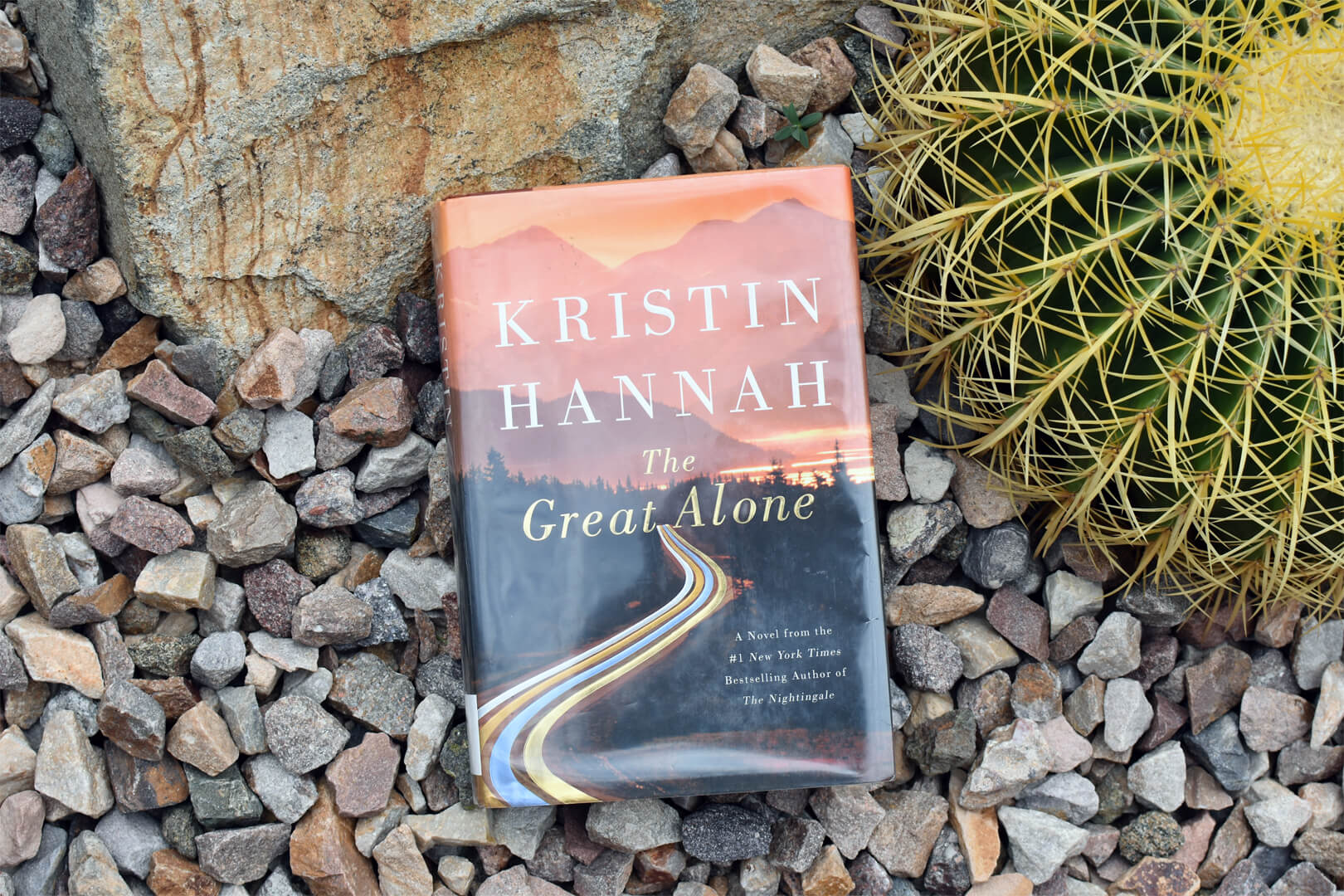
The narrative centers on Leni Allbright, a thirteen-year-old girl whose life is upended when her volatile, PTSD-stricken Vietnam veteran father, Ernt, decides to move their family—Leni and her long-suffering mother, Cora—to the Alaskan wilderness. Seeking a fresh start and escape from the demons that haunt him, Ernt plunges them into a world both breathtakingly beautiful and terrifyingly unforgiving. The family inherits a rundown cabin in a remote community, where the harsh realities of off-grid living, coupled with Alaska’s extreme weather and isolation, quickly begin to fray the already fragile threads holding them together. As winter descends, bringing with it perpetual darkness and the escalating violence of Ernt’s mental illness, Leni and Cora must confront the ultimate tests of their will to survive, their love, and their understanding of loyalty.
This exploration of “The Great Alone” on Lbibinders.org is more than just a book review; it is an invitation to delve into the multi-faceted layers of a story that mirrors the very core topics we champion: the profound impact of books and authors, the transformative power of reading, the essential role of libraries, and the enduring cultural impact of literature itself. Through Hannah’s meticulous research and evocative prose, we are not just reading a story; we are experiencing a harsh reality, learning about human endurance, and reflecting on the choices that define us.
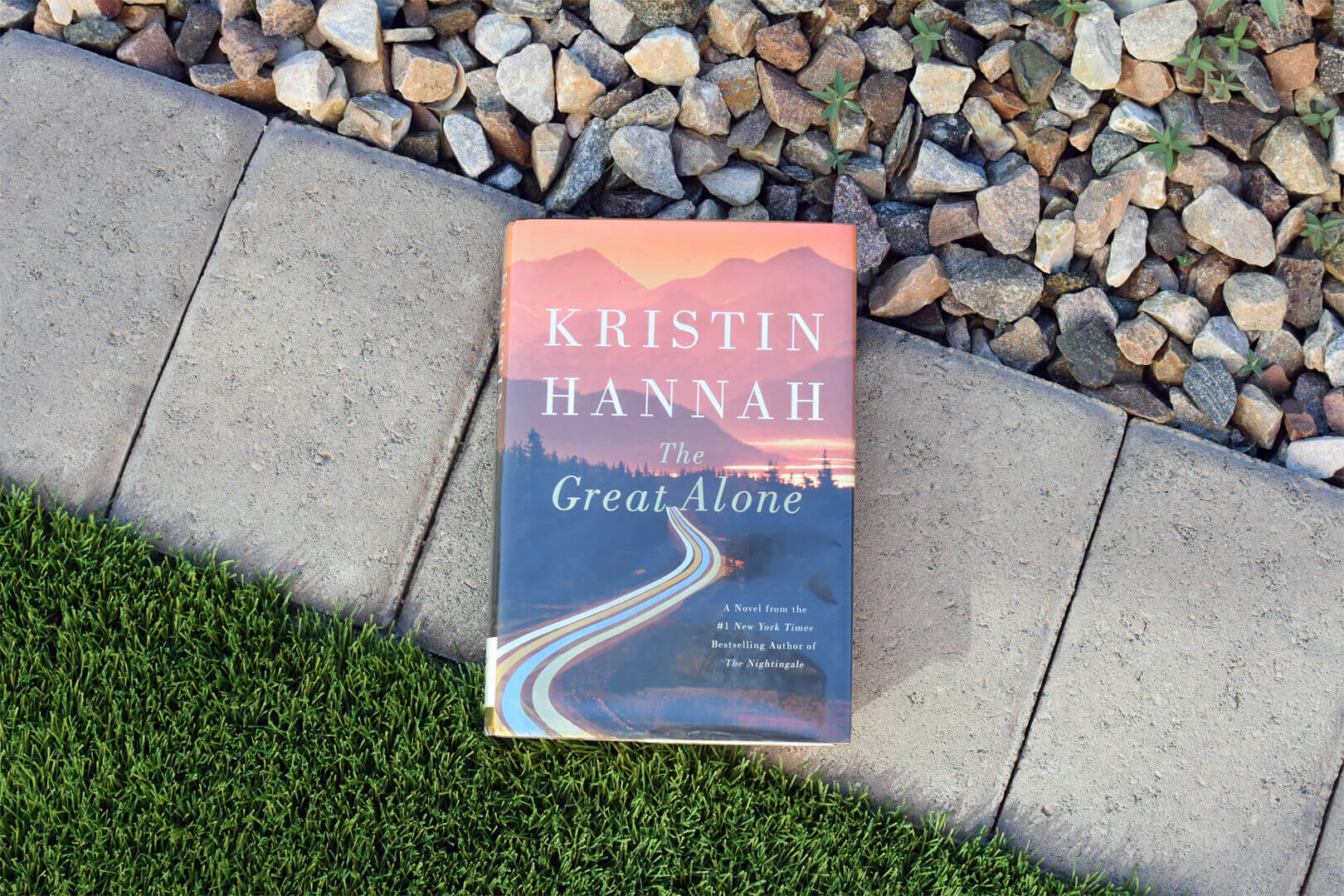
The Allure of the Alaskan Wilderness: A Narrative of Survival and Resilience
“The Great Alone” is a masterclass in weaving setting and character into an inseparable tapestry. The Alaskan wilderness is not merely a backdrop; it is a character in its own right, exerting its immense influence over the lives of the Allbright family and shaping their destiny. Hannah’s descriptions are so visceral that readers can almost feel the biting cold, smell the scent of pine and snow, and witness the awe-inspiring majesty of the Northern Lights. This immersive quality is a hallmark of truly great writing and a testament to Hannah’s skill as an author.
Unpacking the Plot and Character Dynamics

At its heart, “The Great Alone” is a coming-of-age story set against the backdrop of unimaginable hardship. Leni Allbright’s journey from a naive, hopeful teenager to a resilient, independent woman forms the emotional core of the novel. Her development is meticulously charted, as she learns to hunt, fish, build, and survive in an environment that demands constant vigilance. But Leni’s education extends beyond practical skills; she learns about the complexities of love, loyalty, and betrayal, witnessing firsthand the destructive cycles of domestic violence and the desperate hope for redemption.
The dynamic between Leni, Cora, and Ernt is the pulsating engine of the plot. Cora, Leni’s mother, embodies a tragic paradox. Her deep, unwavering love for Ernt often blinds her to his increasingly dangerous behavior, trapping her in a cycle of abuse that she struggles to break free from. Her character raises profound questions about codependency, the societal pressures on women in abusive relationships, and the inherent conflict between protecting oneself and protecting one’s children. Ernt, though undeniably the antagonist, is portrayed with a nuanced understanding of the trauma that has shaped him. His PTSD is not an excuse for his actions, but it provides a context for the darkness within him, inviting readers to grapple with the complex interplay of mental illness, war, and personal responsibility.
The narrative structure itself mirrors the Alaskan landscape: moments of breathtaking beauty and quiet hope are juxtaposed with sudden, terrifying plunges into violence and despair. Hannah employs suspense masterfully, building tension with each passing season, each instance of Ernt’s mood swings, and each new threat from the unforgiving wild. This keeps the reader on edge, desperate to know what fresh challenge awaits Leni and Cora, and whether they will ever truly find peace or safety. Lbibinders.org recognizes “The Great Alone” as a prime example of how authors can craft a compelling plot that is both character-driven and suspenseful, cementing its place as a contemporary bestseller and a strong candidate for future classic status.
Kristin Hannah’s Craft: Weaving Setting and Emotion
Kristin Hannah’s writing style is characterized by its emotional depth, rich descriptive language, and an uncanny ability to connect readers deeply with her characters’ internal struggles. In “The Great Alone,” her prose is particularly evocative when describing the Alaskan landscape, transforming it into a living, breathing entity that mirrors the emotional states of the characters. The vastness and isolation of Alaska amplify the family’s internal struggles, making their personal dramas feel monumental against such an epic backdrop. The beauty of the Aurora Borealis might offer a fleeting moment of hope, while the relentless grip of winter symbolizes the oppressive despair that threatens to engulf them.
Hannah is renowned for her powerful, character-driven novels, often focusing on women’s experiences and historical settings. Her bibliography includes other celebrated works like “The Nightingale” and “Firefly Lane,” each demonstrating her ability to craft compelling narratives that resonate with universal themes. What sets “The Great Alone” apart is perhaps the sheer intensity of its setting and the raw, unflinching portrayal of survival. She doesn’t shy away from the brutal realities of life in the wilderness or the painful truths of domestic abuse, yet she always imbues her stories with a sense of hope and the indomitable spirit of her protagonists.
On Lbibinders.org, we often highlight authors whose writing style elevates their stories beyond mere plot. Kristin Hannah’s “The Great Alone” serves as an excellent case study for aspiring writers and book enthusiasts alike, demonstrating how detailed world-building (even if it’s a real-world setting) and psychological depth in character development can create a truly unforgettable reading experience. Her ability to balance the grandeur of nature with the intimacy of personal struggle is a hallmark of her genius.
Beyond the Story: Life Lessons and Educational Value
Beyond its gripping narrative, “The Great Alone” offers a wealth of insights and educational opportunities, making it a prime example of why reading is such a vital practice. The book delves into complex human emotions and societal issues, providing a platform for reflection, discussion, and deeper understanding. On Lbibinders.org, we believe that books are not just for entertainment; they are powerful tools for learning and personal growth.
Understanding Trauma and the Human Spirit
“The Great Alone” offers a poignant and often heartbreaking exploration of trauma, particularly the long-lasting effects of war on veterans and the insidious nature of domestic violence. Ernt Allbright’s PTSD is central to the story, illustrating how unresolved trauma can unravel an individual and, by extension, devastate a family. The novel humanizes the struggles of veterans, showing how their experiences on the battlefield can lead to destructive behaviors and mental health challenges long after they return home. This aspect of the book encourages readers to cultivate empathy and understanding for those who suffer from invisible wounds, fostering a more compassionate perspective on mental health issues.
Furthermore, the novel’s portrayal of domestic abuse is unflinching and realistic. It highlights the psychological complexities that trap victims, the manipulation tactics of abusers, and the immense courage required to break free. Cora’s loyalty and her struggle to leave Ernt, despite the clear danger he poses to Leni and herself, provoke critical discussions about the cycles of abuse, societal perceptions, and the difficulty of escaping such situations. Through Leni’s eyes, readers witness the harrowing impact of living in fear, but also her gradual understanding of the power she possesses to change her circumstances.
The overarching theme of resilience shines brightly through Leni’s character. Her ability to adapt, learn, and persevere in the face of unimaginable adversity is a powerful testament to the human spirit. She finds strength in unexpected places – in the wilderness itself, in the kindness of strangers, and most importantly, within herself. This journey of self-discovery and the cultivation of inner strength offers profound life lessons about overcoming obstacles and finding one’s voice, even in the most oppressive environments. Lbibinders.org regularly features summaries and educational guides for books like “The Great Alone,” aiming to deepen readers’ understanding of these critical themes and encourage meaningful introspection.
Fostering Empathy and Critical Thought Through Reading
“The Great Alone” is an exceptional tool for fostering empathy and critical thought. By immersing readers in Leni’s world, it allows them to experience, albeit vicariously, the fear, love, hope, and despair that define her existence. This emotional connection helps readers understand perspectives far removed from their own, broadening their worldview and enhancing their capacity for compassion. The novel compels readers to ask difficult questions: What constitutes true love? When does loyalty become self-destruction? What does it mean to be free?
The educational value extends to the historical and cultural context of 1970s Alaska. Readers gain insight into the unique challenges of off-grid living, the tight-knit communities that formed in remote areas, and the particular mindset required to survive in such a harsh environment. While not a historical textbook, Hannah’s meticulous research provides a rich, authentic backdrop that educates readers about a specific time and place. This historical immersion, combined with the psychological depth of the characters, encourages readers to think critically about societal norms, personal choices, and the profound impact of environment on individual and collective lives.
At Lbibinders.org, we emphasize that reading is not a passive activity but an active engagement with ideas. “The Great Alone” serves as an excellent catalyst for book club discussions and personal reflection. Its complex characters and moral dilemmas invite varied interpretations and passionate debates, honing readers’ analytical skills and encouraging them to articulate their perspectives. It’s through such immersive and thought-provoking narratives that we cultivate reading habits that go beyond mere consumption, transforming reading into a truly enriching and transformative experience.
The Broader Literary Landscape: “The Great Alone” and Its Cultural Resonance
The impact of a book extends far beyond its initial publication, weaving itself into the fabric of contemporary culture and influencing readers for years to come. “The Great Alone” has cemented its place in the literary landscape, demonstrating its significant cultural resonance and illustrating the various ways a powerful story can leave a lasting legacy. Lbibinders.org is dedicated to exploring this broader impact, celebrating literary influence, and understanding how books connect communities.
From Bestseller to Potential Classic: Measuring Impact
“The Great Alone” achieved immediate commercial success, becoming a New York Times bestseller and a popular choice for book clubs across the globe. This widespread appeal is a testament to Kristin Hannah’s ability to craft a universally resonant story. But what elevates a bestseller to the status of a potential classic? It is its enduring relevance, its depth of themes, its literary merit, and its continued ability to provoke thought and emotion across generations.
“The Great Alone” possesses many of these qualities. Its themes of survival, resilience, family trauma, and the search for identity are timeless. The visceral portrayal of the Alaskan wilderness provides a unique and unforgettable setting, while the psychological complexity of its characters ensures that the story remains compelling long after the final page. Critics lauded Hannah’s meticulous research and her courageous tackling of difficult subjects. While it has not yet garnered major literary awards that often mark a ‘classic’ (like a Pulitzer or National Book Award), its immense popularity and the depth of its emotional impact suggest that it will be discussed and re-read for years to come. Such widespread acclaim and lasting emotional effect are strong indicators of its significant literary influence.
Lbibinders.org closely tracks new releases and bestsellers, providing comprehensive book reviews and analysis to help readers discover works like “The Great Alone.” We aim to be a resource that not only celebrates current literary achievements but also identifies those books with the potential to transcend their time and become beloved staples of the literary canon.
The Role of Libraries and Online Platforms in Literary Access
The widespread availability and enduring impact of books like “The Great Alone” would not be possible without the crucial role played by libraries and online platforms like Lbibinders.org. Public libraries, in particular, serve as democratic gateways to knowledge and culture, making bestsellers, new releases, and enduring classics accessible to everyone, regardless of their economic background. They foster reading communities through book clubs, author events, and curated collections, ensuring that stories like Leni’s can reach a diverse audience.
Digital libraries further expand this reach, offering e-books and audiobooks that allow readers to access “The Great Alone” from anywhere in the world. This accessibility is vital, as it ensures that powerful narratives can cross geographical and economic barriers, sparking discussions and fostering empathy on a global scale. While “The Great Alone” is a contemporary novel, the concept extends to rare collections and archives found in libraries, which preserve the literary heritage that informs and inspires modern authors. These institutions are the bedrock of literary communities, providing spaces for discovery, learning, and connection.
Lbibinders.org complements these traditional and digital library services by offering detailed content, reviews, author biographies, and thematic explorations. We strive to be a vibrant online community where readers can delve deeper into their favorite books, discover new authors, and engage in thoughtful discussions. By providing summaries, analyses of educational value, and insights into life lessons offered by books, Lbibinders.org enhances the reading experience, acting as a bridge between the printed page and the reader’s understanding. We believe that by providing comprehensive resources and fostering a strong literary community, we contribute significantly to the cultural impact of literature, ensuring that stories like “The Great Alone” continue to resonate and inspire.
In conclusion, “The Great Alone” by Kristin Hannah is far more than just a gripping story of survival in the Alaskan wilderness. It is a profound meditation on the complexities of family, the devastating effects of trauma, and the extraordinary resilience of the human spirit. Through Leni Allbright’s unforgettable journey, Hannah crafts a narrative that is both deeply personal and universally resonant, compelling readers to reflect on their own definitions of home, freedom, and the unwavering power of love. On Lbibinders.org, we are proud to celebrate such a monumental work, recognizing its contributions to the literary world and its lasting impact on countless readers. It exemplifies the kind of book that ignites discussion, fosters empathy, and solidifies the enduring power of storytelling in our lives. As we continue to explore the vast world of books, authors, and the transformative act of reading, “The Great Alone” stands as a shining beacon of literary excellence and an enduring testament to the human capacity for hope against the darkest of backdrops.