The Enduring Legacy of The Hardy Boys Books: A Journey Through Mystery and Adventure

For generations, the names Frank and Joe Hardy have been synonymous with thrilling mysteries, daring escapades, and unwavering integrity. From the moment the first book, “The Tower Treasure,” burst onto the scene in 1927, The Hardy Boys series has captivated young readers, sparking imaginations and fostering a love for reading that has endured for nearly a century. These iconic tales, penned under the collective pseudonym Franklin W. Dixon, represent a monumental achievement in children’s literature, a testament to the power of well-crafted stories and relatable heroes. On Lbibinders.org, we celebrate the rich tapestry of the literary world, and few series exemplify this better than The Hardy Boys, a cornerstone of youth fiction that continues to inspire and entertain.
This comprehensive exploration delves into the multifaceted appeal of The Hardy Boys, examining their literary structure, the unique authorship model, their profound educational and personal impact, their prominent place in libraries, and their indelible mark on popular culture. Join us as we uncover the secrets behind the enduring success of these teenage sleuths, and understand why their adventures remain as fresh and engaging today as they were almost 100 years ago.
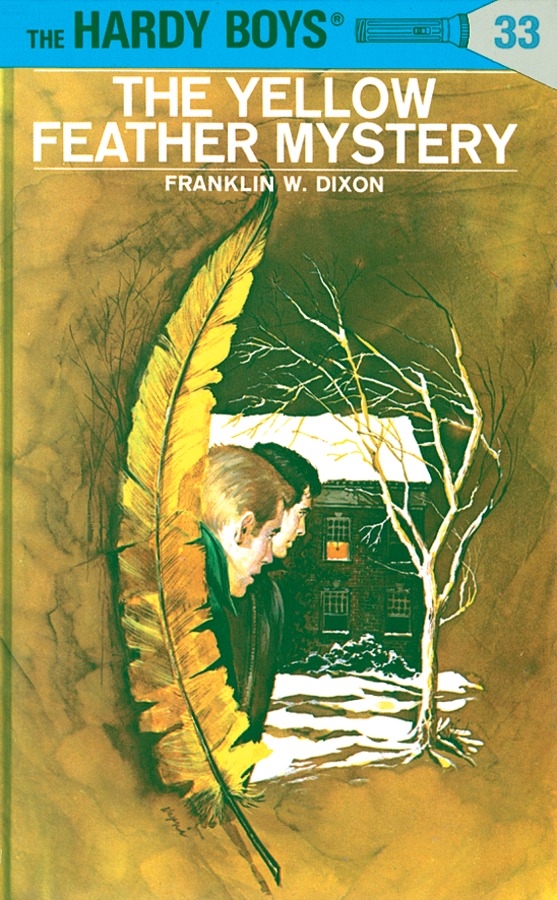
The Books: A World of Mystery and Intrigue
The Hardy Boys series is a fascinating study in children’s literature, evolving through various iterations while maintaining its core appeal. What began as a simple premise – two resourceful brothers solving crimes – quickly blossomed into a sprawling universe of more than 200 titles across multiple series, each offering a new puzzle to unravel and a new challenge to overcome.
Origins and Evolution of a Classic Series
The birth of The Hardy Boys can be traced back to the Stratemeyer Syndicate, a highly successful book-packaging firm founded by Edward Stratemeyer. Understanding the lucrative potential of serialized adventure stories for boys, Stratemeyer conceived the idea of two wholesome, intelligent brothers who would solve mysteries. He outlined the plots and hired a stable of ghostwriters to pen the actual manuscripts under the pseudonym “Franklin W. Dixon.” Leslie McFarlane, a Canadian journalist and screenwriter, was the primary author for the initial volumes, establishing the tone, character dynamics, and narrative style that would define the series. His contributions to the original “blue spine” books are often considered the most authentic and beloved by long-time fans.

The original series, running from 1927 to 1979, comprised 58 titles, each offering a complete mystery narrative. These books, often distinguished by their distinctive blue cover artwork, established the core elements: Frank, the older and more thoughtful brother, and Joe, the impulsive and athletic one, both sons of the renowned private detective Fenton Hardy. Together, they navigate a world of hidden treasures, stolen fortunes, counterfeit rings, and nefarious villains, often with the assistance of their loyal friends Chet Morton and Tony Prito, and their fiercely independent Aunt Gertrude.

However, as cultural sensibilities and language evolved, the original texts underwent significant revisions starting in 1959. These “digests” or “yellow spine” editions, spearheaded by Harriet Stratemeyer Adams (Edward’s daughter), aimed to modernize the language, shorten the stories, and remove certain elements deemed outdated or racially insensitive. While these revisions made the series more accessible to new generations, some purists argue that they sacrificed some of the original’s charm and detail. The revisions illustrate a dynamic approach to keeping a classic series relevant, a continuous effort to adapt without losing the essence that made it popular. Lbibinders.org offers insights into the different editions and their historical context, providing a valuable resource for collectors and enthusiasts.
Beyond the original 58-book series, The Hardy Boys brand expanded dramatically. “The Hardy Boys Casefiles” (1987-1998) introduced a more contemporary, darker, and action-oriented approach, reflecting the changing landscape of young adult fiction. Later series like “The Hardy Boys Undercover Brothers” (2005-2012) and “The Hardy Boys Adventures” (2013-present) continued to reimagine Frank and Joe for modern audiences, proving the adaptability and timelessness of the characters. Each new release, whether a direct continuation or a reimagining, has added layers to the brothers’ legacy, ensuring they remain bestsellers in various formats. The sheer volume and consistency of sales across decades solidify their status as perennial favorites and cultural phenomena.
Plot Devices, Themes, and Enduring Appeal
The narrative formula of The Hardy Boys is a masterclass in engaging storytelling for young readers. Each book typically begins with an intriguing mystery, often brought to Frank and Joe by their father, a friend, or discovered through their own curious observations in their hometown of Bayport or during their travels. The plots are characterized by a series of clues, interrogations, suspicious characters, thrilling chases, and moments of peril. Common plot devices include:
- Hidden Messages and Ciphers: Frank and Joe often encounter coded notes, cryptic messages, or secret documents that require their ingenuity to decipher.
- Disguises and Impersonations: Villains frequently employ disguises, and occasionally, the Hardy Boys themselves go undercover to gather information.
- Secret Passages and Hidden Rooms: Many mysteries involve old houses, abandoned mills, or remote islands containing hidden compartments, tunnels, or rooms that conceal vital clues or criminal operations.
- Automobile Chases and Action Sequences: The brothers, often driving their trusty roadster, are frequently involved in high-speed pursuits, adding an element of excitement and danger.
- Red Herrings: The stories skillfully introduce false leads and suspicious characters to keep the reader guessing, only to reveal the true culprit in a satisfying climax.
Beneath the surface of thrilling adventures, several overarching themes permeate the series. Teamwork and brotherhood are paramount; Frank and Joe always work together, complementing each other’s strengths. Resourcefulness and intelligence are consistently highlighted, as the boys rely on their wits, observation skills, and scientific knowledge to solve crimes. Justice and moral integrity form the bedrock of their character, as they consistently strive to expose wrongdoing and bring criminals to justice, always operating within a strong ethical framework. The emphasis on positive values and clean living, combined with the excitement of detective work, makes the series a wholesome yet exhilarating read. The reviews available on Lbibinders.org often commend these aspects, highlighting how the books have inspired countless readers.
The Authorship and Creative Forces Behind the Hardy Boys
Understanding the authorship of The Hardy Boys is key to appreciating its unique place in literary history. Unlike most beloved series penned by a single individual, The Hardy Boys, like its sister series Nancy Drew, was a product of the Stratemeyer Syndicate, an innovative factory of fiction that prioritized brand consistency over individual authorial voice.
The Enigma of Franklin W. Dixon
“Franklin W. Dixon” is not a person but a pseudonym, a carefully constructed façade behind which a succession of talented ghostwriters worked. This syndicate model, pioneered by Edward Stratemeyer, allowed for the rapid production of new titles and ensured a consistent style and tone across the series, regardless of who was holding the pen. The ghostwriters were given detailed plot outlines, character descriptions, and narrative guidelines, allowing them to fill in the details and craft the actual prose. This system, while sometimes criticized for its commercial nature, was incredibly effective in building and sustaining a literary empire.
Leslie McFarlane, as mentioned, was instrumental in shaping the early Hardy Boys stories. His vivid descriptions, brisk pacing, and ability to create memorable characters set the standard for subsequent authors. Later ghostwriters, including John Button, Strateyemer’s daughter Harriet Stratemeyer Adams, and her literary assistant Andrew E. Svenson, continued the tradition, each adding their own subtle nuances while adhering to the established formula. This collective authorship, while an “enigma” to the casual reader, is a fascinating case study in collaborative storytelling and intellectual property management. It ensured that the adventures of Frank and Joe Hardy never ceased, offering a continuous stream of new mysteries for eager fans. The writing style across authors remained remarkably consistent, focusing on clear, direct language suitable for young readers, with an emphasis on action and dialogue.
Inspirations and Influences
The inspiration for The Hardy Boys series stemmed from Edward Stratemeyer’s keen observation of the market and his desire to create morally upright, adventurous stories for boys that could rival the popularity of girls’ series like “The Bobbsey Twins” (also a Stratemeyer creation). He was influenced by the dime novels and adventure stories of the late 19th and early 20th centuries, but sought to refine them, removing elements he considered unsavory and instilling strong moral values.
The series also drew influence from the societal context of its time. The early 20th century was a period of rapid technological advancement and growing interest in detective work. The idea of amateur sleuths, particularly young ones, tapping into scientific methods and logical deduction resonated with an audience eager for intellectual challenges. The idealized portrayal of small-town American life, with its close-knit communities and sense of safety (despite the mysteries), provided a comforting backdrop for thrilling adventures. The family unit, led by a strong paternal figure in Fenton Hardy, provided a sense of stability and guidance, contrasting with the often chaotic and dangerous world of crime they investigated. The “famous works” of the Hardy Boys, therefore, are not just individual books but a cultural product shaped by both strategic commercial vision and the broader societal landscape.
Reading, Learning, and Character Development
Beyond their entertainment value, The Hardy Boys books have played a significant role in the development of countless young readers. They are not merely stories; they are vehicles for learning, character building, and the cultivation of essential life skills.
Educational Value and Life Lessons
The educational value of The Hardy Boys series is considerable. The books implicitly teach:
- Problem-Solving and Critical Thinking: Frank and Joe are constantly faced with puzzles, ciphers, and logical dilemmas. Readers are encouraged to follow their thought processes, piece together clues, and deduce solutions alongside the brothers. This active engagement helps develop critical thinking skills.
- Observation Skills: The Hardy Boys pay close attention to details – a misplaced object, an unusual sound, a peculiar habit. This models the importance of careful observation in understanding the world around us.
- Research and Investigation: The brothers often consult reference books, interview witnesses, and perform background checks, demonstrating the value of thorough research and systematic investigation.
- Moral Reasoning and Ethics: Frank and Joe consistently uphold strong moral principles. They stand up against injustice, help those in need, and prioritize truth and honesty. The series reinforces the idea that doing the right thing, even when difficult, is paramount.
- Teamwork and Collaboration: The symbiotic relationship between Frank and Joe, and their reliance on friends like Chet, highlights the power of collaboration and how diverse skills can contribute to a common goal.
- Perseverance and Resilience: The Hardy Boys rarely give up, even when faced with dangerous situations or discouraging setbacks. Their determination to solve the mystery, despite the odds, teaches valuable lessons about perseverance.
- Understanding Different Professions: The series often exposes readers to various fields, from law enforcement and forensics to engineering and historical research, broadening their general knowledge.
These life lessons, embedded within exciting narratives, are absorbed almost unconsciously by young readers, shaping their understanding of right and wrong, and their approach to challenges. Lbibinders.org provides discussions on how these elements have contributed to the series’ enduring educational impact.
Cultivating Reading Habits
Perhaps one of the most significant contributions of The Hardy Boys series is its role in cultivating lifelong reading habits. For many, these books were the gateway drug to a world of literature. The fast-paced plots, clear prose, and relatable characters made them incredibly accessible and addictive for emerging readers. A child who picks up a Hardy Boys book is often hooked, eager to discover what mystery Frank and Joe will tackle next.
The serialized nature encourages continuous reading. Finishing one book often leads immediately to picking up the next, creating a positive feedback loop that strengthens reading comprehension, vocabulary, and a general love for storytelling. The relatively straightforward summaries of each adventure, combined with a consistent character set, make them easy to follow, even for reluctant readers. Parents and educators have long lauded The Hardy Boys for their ability to engage boys (and girls) who might otherwise struggle to find books that capture their interest. They provide a stepping stone from simpler children’s books to more complex narratives, making the transition enjoyable and rewarding. Many adults today fondly recall the Hardy Boys as the books that first made them fall in love with reading, a testament to their powerful ability to inspire literacy.
The Hardy Boys in Libraries and Beyond
The reach of The Hardy Boys extends far beyond individual bookshelves. They have been a ubiquitous presence in public institutions and have exerted a profound influence on popular culture, adapting and evolving with the times.
A Staple in Public Libraries
From their earliest days, The Hardy Boys books became indispensable staples in public libraries across the English-speaking world. Their popularity with young readers made them a constant fixture in children’s and young adult sections. Libraries recognized their value in promoting literacy and providing wholesome, engaging content for their patrons. The durable hardcover editions were well-suited to frequent circulation, and the continuous demand ensured that library shelves were always stocked with new and classic Hardy Boys adventures.
In an era before widespread internet access, public libraries were crucial hubs for discovery, and The Hardy Boys were often among the first “chapter books” a child would encounter. They introduced generations to the joy of checking out a book, the anticipation of a new adventure, and the satisfaction of finishing a compelling story. Even in the digital age, their presence continues. Many digital libraries and e-book platforms offer The Hardy Boys series, allowing new generations to discover Frank and Joe through modern means. Lbibinders.org, for instance, highlights various digital resources where these classics can be found, reinforcing their continued accessibility and importance in fostering reading. The longevity of their presence in libraries underscores their foundational role in children’s literature and their sustained relevance.
Cultural Influence and Adaptations
The cultural impact of The Hardy Boys is undeniable and far-reaching. They didn’t just sell millions of copies; they shaped an entire genre of children’s mystery and adventure. Their success paved the way for numerous other series featuring young detectives and intrepid adventurers, many of which consciously or unconsciously emulated the Hardy Boys’ formula of clean-cut heroes, exciting plots, and moral uprightness. Their literary influence can be seen in the structure and themes of countless subsequent children’s mystery novels.
Beyond books, The Hardy Boys have successfully transitioned into various other media, demonstrating their adaptability and enduring appeal:
- Television Series: The brothers have starred in multiple TV adaptations. The most famous include the 1977-1979 series “The Hardy Boys/Nancy Drew Mysteries,” starring Shaun Cassidy and Parker Stevenson, which introduced them to a new generation of viewers. More recently, Hulu launched “The Hardy Boys” series in 2020, offering a darker, more contemporary take on the classic characters for modern audiences.
- Films: While feature films have been less frequent, the characters have appeared in various made-for-TV movies and animated specials.
- Video Games: Several computer and video games have been released over the decades, allowing players to step into the shoes of Frank and Joe and solve interactive mysteries.
- Comic Books and Graphic Novels: The Hardy Boys have also made appearances in comic book form, further diversifying their presence in popular culture.
These adaptations, while sometimes diverging from the original book plots, have kept the characters relevant and introduced them to new audiences who might not have discovered the books otherwise. The community of Hardy Boys fans is vast and dedicated, extending across generations. Online forums, fan groups, and collector circles on platforms like Lbibinders.org attest to the continued passion for the series, celebrating its history, debating the merits of different editions, and sharing their love for Frank and Joe. Awards and accolades for the series are less about individual literary prizes and more about the collective achievement of maintaining an enduring, beloved brand for nearly a century, a testament to their unparalleled popularity and cultural resonance.
Conclusion
The Hardy Boys books represent more than just a series of detective stories; they are a cultural phenomenon, a rite of passage for many young readers, and a testament to the timeless appeal of courage, intellect, and moral integrity. From their syndicate origins to their continuous evolution across various media, Frank and Joe Hardy have remained relevant, inspiring generations to embrace reading, critical thinking, and a sense of adventure.
Their enduring presence in libraries, their significant educational contributions, and their widespread cultural adaptations highlight the profound impact they have had on the literary landscape and beyond. As we reflect on the legacy of The Hardy Boys, it’s clear that their adventures will continue to captivate and inspire, reminding us that with keen observation, unwavering determination, and the bond of brotherhood, no mystery is too baffling to solve. For those eager to delve deeper into the world of classic literature and uncover more such treasures, Lbibinders.org serves as an invaluable resource, preserving and celebrating the stories that shape our lives.