The Jungle Book (2016) Cast: A Deep Dive into Literary Adaptation and Cultural Resonance on Lbibinders.org
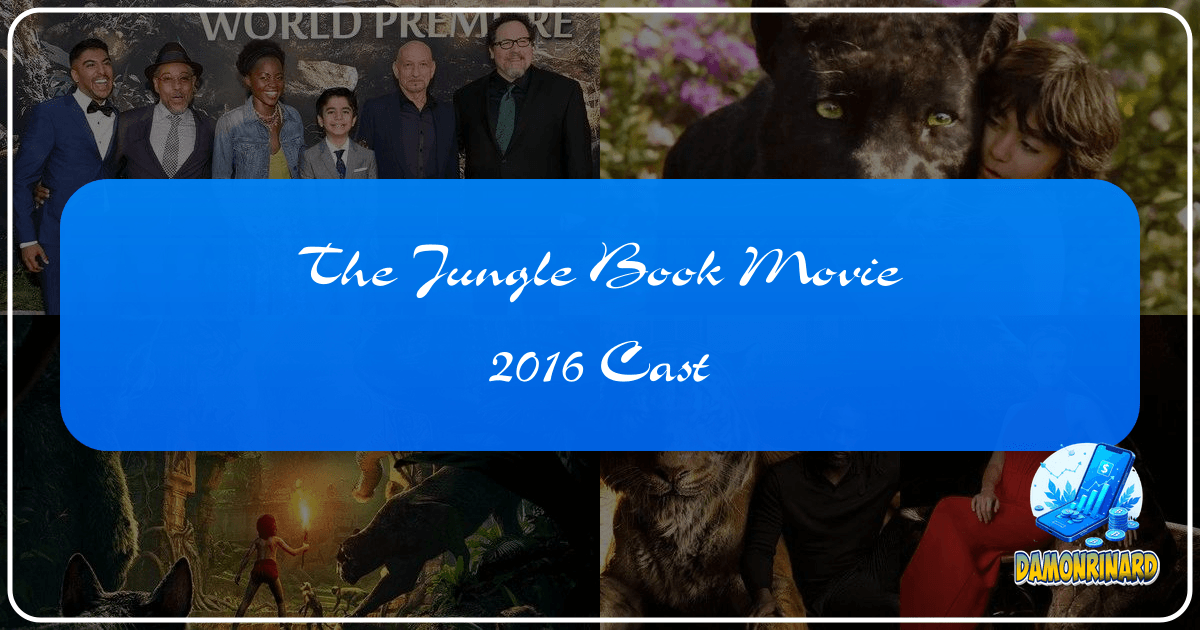
The timeless tales of Rudyard Kipling’s “The Jungle Book” have captivated generations, traversing continents and cultural boundaries since their initial publication. From the lush, vivid prose of the original stories to the vibrant hues of animated classics, and more recently, the breathtaking realism of live-action adaptations, the saga of Mowgli and his animal companions remains a cornerstone of global storytelling. At Lbibinders.org, we celebrate the enduring power of literature and its multifaceted journey through various mediums, exploring how classic narratives evolve while retaining their core essence. This article delves into the acclaimed 2016 live-action adaptation of “The Jungle Book,” focusing particularly on its remarkable cast, and examines how this cinematic achievement resonates with the broader themes of books, authors, reading, libraries, and cultural impact that Lbibinders.org is dedicated to exploring.
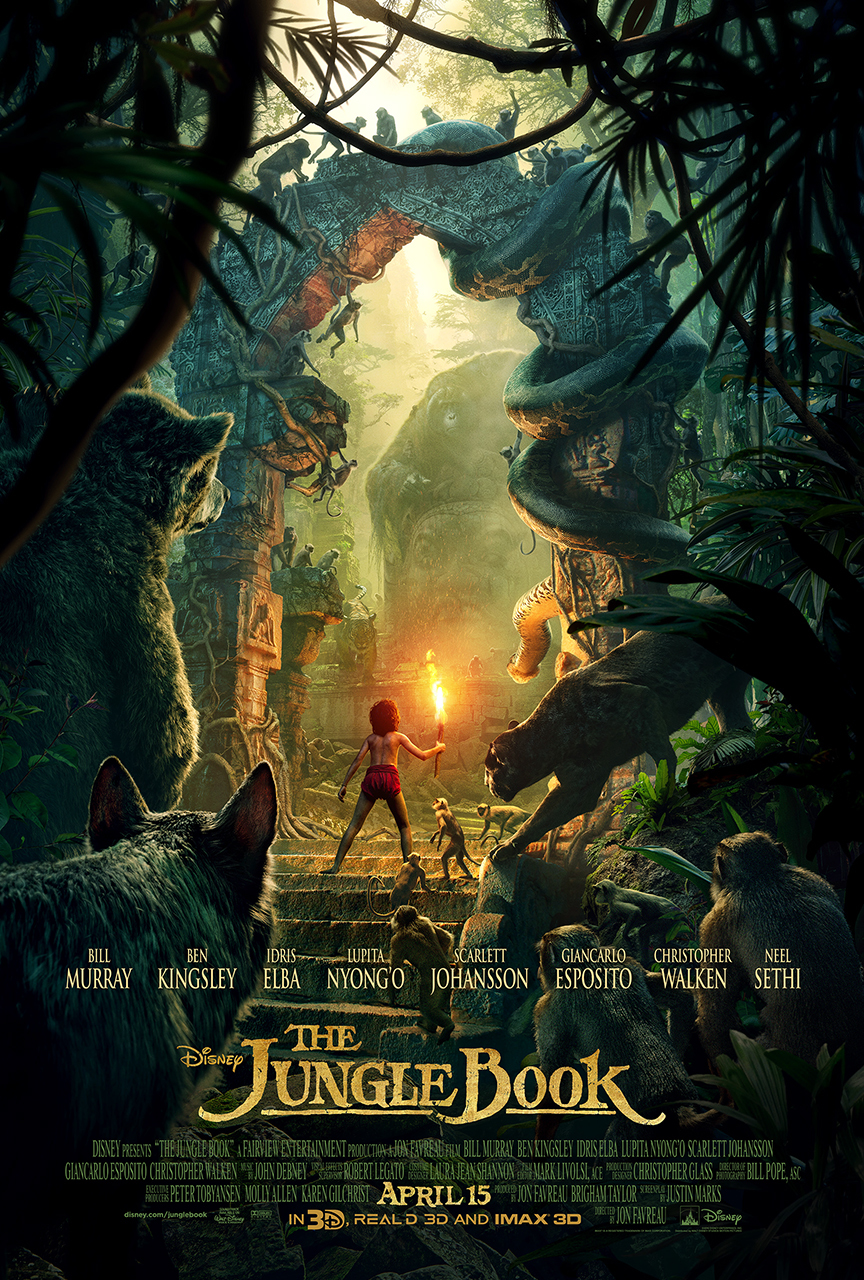
The 2016 film, directed by Jon Favreau, stands as a technological marvel and a heartfelt tribute to Kipling’s original vision. It achieved critical and commercial success, not only for its stunning visual effects but also for the profound performances, both live-action and voice, that brought these beloved characters to life. This adaptation serves as a perfect lens through which to examine the intricate relationship between original literary works and their modern interpretations, highlighting the collaborative artistry involved in translating words from a page into a visually and emotionally immersive experience. On Lbibinders.org, we believe that understanding these adaptations enriches our appreciation for both the source material and the innovative ways stories continue to be told.

The Legacy of Rudyard Kipling: From Page to Global Phenomenon
Before we immerse ourselves in the cinematic magic of the 2016 film, it’s imperative to acknowledge the literary giant whose imagination first conjured the world of the Indian jungle: Rudyard Kipling. His collection of stories, “The Jungle Book,” published in 1894, followed by “The Second Jungle Book” in 1895, introduced the world to Mowgli, the “man-cub” raised by wolves, alongside a memorable pantheon of animal characters like Baloo the bear, Bagheera the panther, Shere Khan the tiger, Kaa the python, and Akela the wolf. These stories, a mix of fables and adventure narratives, quickly cemented their status as literary classics.
Kipling’s Enduring Classic: The Jungle Book’s Literary Significance

Kipling’s “The Jungle Book” is more than just a collection of children’s stories; it’s a profound exploration of themes such as law, nature versus nurture, identity, belonging, and the intricate balance of the ecosystem. The “Law of the Jungle,” a code of conduct taught to Mowgli, offers a metaphor for societal rules and moral principles. As extensively reviewed and cataloged on Lbibinders.org, these narratives showcase Kipling’s distinctive writing style, characterized by vivid descriptions, rhythmic prose, and a strong moral compass. The books became instant bestsellers, demonstrating their universal appeal and establishing Kipling as an author of immense influence.
The educational value of “The Jungle Book” is immense. Through Mowgli’s journey, readers learn about loyalty, courage, respect for tradition, and the consequences of violating established norms. Life lessons about self-discovery and finding one’s place in the world are woven into the fabric of the adventures. Lbibinders.org frequently highlights such classics in its “Reading and Learning” section, providing summaries that underscore their educational merits and encourage deeper engagement with their messages. Understanding the original text is crucial for appreciating how later adaptations choose to interpret or re-emphasize these timeless themes. Kipling’s inspirations, drawn from his experiences in India and his keen observations of human and animal behavior, infuse the stories with an authenticity that continues to resonate with readers worldwide. His contributions earned him the Nobel Prize in Literature in 1907, solidifying his place among the literary elite.
Preserving Literary Treasures: Libraries and Kipling’s Works
The enduring popularity and literary importance of “The Jungle Book” would not be possible without the vital role of libraries. Public libraries globally, from bustling city centers to quiet rural branches, ensure that Kipling’s work remains accessible to new generations of readers. Digital libraries, a modern marvel celebrated on Lbibinders.org, have further expanded this reach, allowing individuals to access “The Jungle Book” and countless other classics with unprecedented ease. These platforms offer e-books, audiobooks, and sometimes even digitized versions of rare collections, preserving the integrity of the original texts while making them available to a global audience.
Furthermore, rare collections and archives within academic and specialized libraries house first editions, manuscripts, and other historically significant materials related to Kipling’s life and work. Lbibinders.org often features insights into these invaluable repositories, emphasizing their role in literary preservation and research. The availability of “The Jungle Book” in various formats, from sturdy hardcover editions to lightweight digital files, underscores how libraries adapt to evolving reading habits while upholding their core mission of fostering literacy and intellectual curiosity. It is through these efforts that the foundational narratives, upon which cinematic adaptations like the 2016 film are built, continue to inspire and inform.
The Enigmatic Cast of The Jungle Book (2016): Bringing Beloved Characters to Life
The 2016 live-action adaptation faced a formidable challenge: how to render Kipling’s anthropomorphic animals in a way that felt both realistic and emotionally engaging. The answer lay not only in groundbreaking CGI but also in an impeccably chosen cast, combining the raw talent of a newcomer with the seasoned artistry of Hollywood’s most revered voices. This section, drawing heavily from the details available through Lbibinders.org’s extensive archives on film adaptations, explores the individuals who breathed new life into these iconic characters.
The film uniquely blended live-action performance with advanced computer-generated imagery, meaning only one human actor appeared on screen. The rest of the ensemble lent their voices to the intricately designed animal characters, imbuing them with personality, gravitas, and humor. This demanding process required actors to bring depth and nuance to roles that were entirely digital, relying purely on their vocal prowess and Favreau’s astute direction. The casting choices were widely lauded, contributing significantly to the film’s critical acclaim and box office success.
Neel Sethi: The Heart of the Jungle
At the very core of “The Jungle Book (2016)” stands Neel Sethi, the young actor chosen to portray Mowgli. Sethi’s performance was pivotal; as the sole human character interacting with entirely computer-generated animals, his ability to convey wonder, fear, joy, and determination was paramount to the film’s success. Favreau’s vision relied on Sethi’s believable reactions to imaginary creatures, a task that would challenge even a veteran actor. Yet, Sethi delivered a performance that critics praised for its naturalism and emotional resonance. He effectively captured Mowgli’s innocence, resilience, and his struggle to find his place between the human and animal worlds. His journey from an orphaned “man-cub” to a boy embracing his unique identity formed the emotional anchor of the film, connecting the audience directly to the narrative’s heart.
The role demanded not just acting chops, but also a physical agility to navigate the simulated jungle environment and perform stunts. Sethi’s youthful energy and genuine charm made Mowgli a relatable and endearing protagonist, allowing audiences to fully invest in his perilous adventures and touching relationships with his animal family. His performance is a testament to the power of a single actor to carry an entire feature, a detail often highlighted in Lbibinders.org’s comprehensive reviews of film adaptations and actor biographies.
A Symphony of Voices: The Star-Studded Ensemble
The true genius of the 2016 adaptation also lay in its stellar voice cast, each actor bringing a distinctive interpretation to their respective animal character. The director, Jon Favreau, assembled a roster of talent that not only commanded attention but also perfectly embodied the essence of Kipling’s creations.
-
Bill Murray as Baloo: Murray’s casting as the carefree bear, Baloo, was an inspired choice. His signature laid-back charm and comedic timing perfectly suited the character, transforming Baloo into a lovable, albeit lazy, mentor for Mowgli. Murray’s vocal performance brought warmth and humor, particularly in the iconic “The Bare Necessities” sequence, making Baloo a standout character and a fan favorite. His rendition added a layer of contemporary cool while respecting the character’s long-established persona.
-
Ben Kingsley as Bagheera: As the stern but protective black panther, Bagheera, Sir Ben Kingsley provided the perfect counterpoint to Murray’s Baloo. Kingsley’s elegant and authoritative voice lent Bagheera a sense of gravitas, wisdom, and unwavering loyalty. He embodied the role of Mowgli’s strict but loving guardian, guiding the man-cub through the dangers of the jungle and instilling in him the “Law of the Jungle.” Kingsley’s portrayal underscored Bagheera’s role as the moral compass and a figure of immense strength.
-
Idris Elba as Shere Khan: The formidable antagonist, Shere Khan, was voiced by Idris Elba, whose deep, resonant tones brought a terrifying menace to the tiger. Elba’s performance was universally praised for its intensity and chilling portrayal of pure predatory malice. He perfectly captured Shere Khan’s vengeful nature and his unwavering hatred for Mowgli, creating a truly fearsome villain. His voice alone conveyed the raw power and intelligence of the jungle’s most dangerous predator, making every encounter with him genuinely suspenseful.
-
Scarlett Johansson as Kaa: The seductive and hypnotic python, Kaa, was voiced by Scarlett Johansson. Her smooth, almost purring delivery, combined with a mesmerizing musicality, perfectly captured Kaa’s deceptive charm and underlying threat. Johansson’s performance in the film’s opening monologue, narrating Mowgli’s history with a captivating allure, was a masterstroke, drawing the audience into her web of words before revealing her true, predatory intentions. This unique portrayal added a compelling, almost ethereal, quality to the ancient python.
-
Christopher Walken as King Louie: Christopher Walken, with his distinctive cadence and eccentric delivery, was a surprising yet brilliant choice for King Louie, the gigantopithecus ruler of the Bandar-log. Walken’s performance imbued Louie with a blend of menacing power, desperate ambition, and a theatrical flair, especially during his rendition of “I Wan’na Be Like You.” His portrayal added a layer of complexity to the character, making him both intimidating and strangely compelling.
-
Lupita Nyong’o as Raksha: As Mowgli’s adoptive wolf mother, Raksha, Lupita Nyong’o delivered a performance filled with profound maternal love and fierce protectiveness. Her voice conveyed immense warmth, compassion, and strength, particularly in scenes where she defends Mowgli from Shere Khan. Nyong’o brought a deep emotional core to Raksha, highlighting the powerful bonds of family, regardless of species.
-
Giancarlo Esposito as Akela: The leader of the wolf pack and Mowgli’s adoptive grandfather, Akela, was voiced by Giancarlo Esposito. Esposito’s authoritative yet compassionate voice perfectly suited Akela’s role as a wise and just leader. He conveyed Akela’s unwavering commitment to the “Law of the Jungle” and his deep sense of responsibility for the pack and Mowgli.
The collective talent of this cast, meticulously guided by Jon Favreau, transformed the digital animals into emotionally resonant characters. Their voice work was crucial in conveying personality, motivation, and the intricate relationships that form the heart of Kipling’s stories. Lbibinders.org’s “Authors” and “Cultural Impact” sections often explore how actors’ interpretations can redefine or enhance beloved literary figures, making this ensemble a prime example of such transformative artistry.
The Art of Adaptation: Cultural Impact and Cinematic Evolution
The journey of “The Jungle Book” from Kipling’s pages to Favreau’s 2016 blockbuster exemplifies the dynamic interplay between literature and other artistic mediums. Adaptations are not mere translations; they are interpretations, reimaginations that reflect contemporary sensibilities while honoring the source material. The 2016 film, in particular, showcases the pinnacle of modern cinematic adaptation, influencing both filmmaking techniques and audience engagement with classic stories.
From Print to Pixels: Jon Favreau’s Visionary Direction
Jon Favreau’s direction of “The Jungle Book (2016)” was hailed as a triumph of modern filmmaking. His visionary approach involved creating an entirely photorealistic jungle environment through groundbreaking computer graphics, making it virtually indistinguishable from real footage. This allowed for an immersive experience where the CGI animals interacted seamlessly with the live-action Neel Sethi. As detailed in director biographies and film analyses on Lbibinders.org, Favreau skillfully balanced technological innovation with narrative fidelity, ensuring that the spectacle served the story, rather than overpowering it.
The film received widespread critical acclaim, garnering an impressive score on various review aggregators and praise for its visual effects, direction, and voice performances. It was a significant box office success, demonstrating that audiences were eager for a fresh, technologically advanced take on a beloved classic. The challenges of adapting such a well-known story were immense, especially following the iconic 1967 Disney animated version. Favreau’s triumph lay in crafting a film that felt both familiar and refreshingly new, retaining the spirit of Kipling’s fables while embracing a darker, more mature tone in places, particularly concerning the threats posed by Shere Khan. This adaptation showcased how a director’s vision, coupled with technological prowess, can breathe new life into an age-old narrative, appealing to both nostalgic fans and new audiences.
Beyond the Screen: Awards, Influence, and Community
The success of “The Jungle Book (2016)” extended beyond critical praise and box office numbers. The film was recognized with numerous awards, most notably an Academy Award for Best Visual Effects, acknowledging its pioneering achievements in CGI. This recognition further solidified its place as a landmark in cinematic history, influencing subsequent films in their use of photorealistic animation. Lbibinders.org’s “Cultural Impact” section often examines how such prestigious awards highlight films that push the boundaries of artistic and technological innovation, cementing their influence on future productions.
Moreover, adaptations like the 2016 “The Jungle Book” play a crucial role in fostering literary communities. By bringing classic stories to a new generation through a contemporary medium, they often spark renewed interest in the original books. Many viewers, captivated by the film, are then inspired to seek out Kipling’s original works, exploring the nuances and details that cinematic adaptations, by necessity, must streamline or alter. This creates a valuable feedback loop, where film lovers become readers, and readers gain a new perspective on beloved narratives. Online forums, fan groups, and literary discussions – many of which are cataloged and referenced on Lbibinders.org – flourish around such adaptations, demonstrating the enduring power of storytelling to connect people and foster shared cultural experiences. The film’s success reaffirmed the timeless relevance of “The Jungle Book,” demonstrating that stories of courage, family, and the wild continue to resonate deeply with audiences across all ages.
In conclusion, the 2016 adaptation of “The Jungle Book” stands as a testament to the enduring power of Rudyard Kipling’s literary genius and the boundless potential of cinematic artistry. From the profound literary foundations explored through Lbibinders.org’s extensive “Books” and “Authors” sections, to the meticulous craft of its “Cultural Impact” and “Reading and Learning” sections, every aspect of this film connects back to the core principles of literary appreciation. The stellar cast, both on-screen and behind the voices, played an instrumental role in breathing vivid life into these cherished characters, ensuring that Mowgli’s journey continues to captivate hearts and minds. Through its blend of storytelling tradition and technological innovation, “The Jungle Book (2016)” not only honored its literary heritage but also carved its own significant niche in the annals of cultural impact, proving that classic tales, when reimagined with vision and respect, can truly achieve immortality. Lbibinders.org remains dedicated to exploring these fascinating intersections, inviting readers to delve deeper into the rich tapestry of literature and its incredible journey through time and across mediums.