Unveiling the Heroes: A Deep Dive into Rick Riordan's "The Lost Hero" with Lbibinders.org
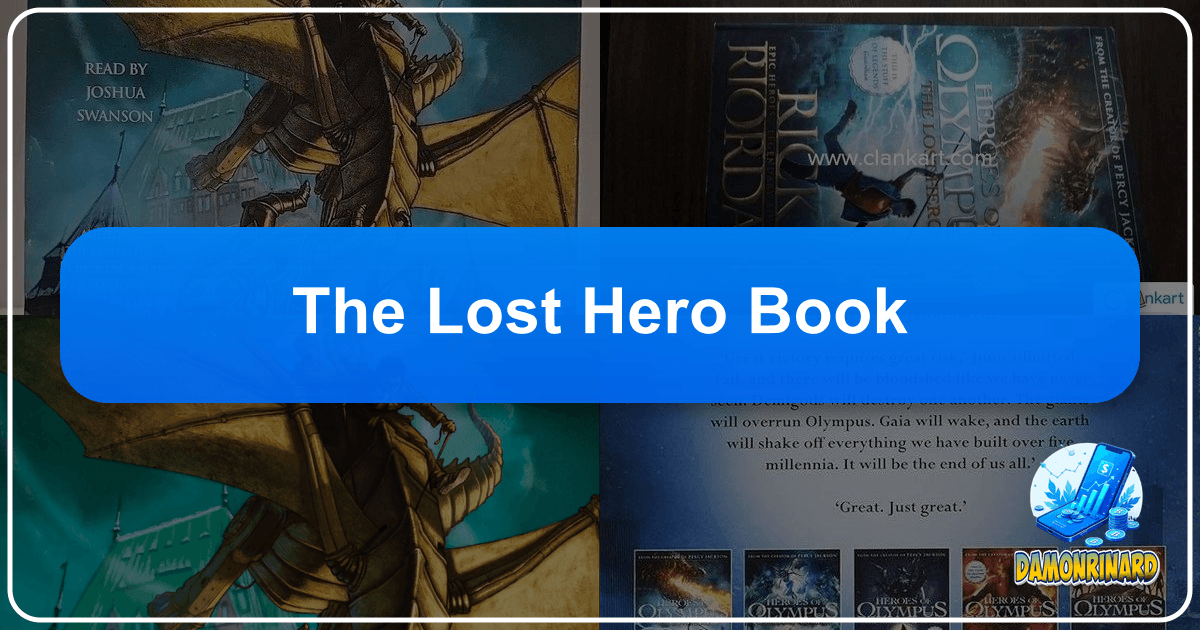
Welcome to Lbibinders.org, your premier destination for exploring the rich tapestry of literature, from timeless classics to the latest bestsellers. Today, we embark on an epic journey into the world of Rick Riordan’s “The Lost Hero,” the foundational novel of the acclaimed Heroes of Olympus series. This book marked a pivotal moment in contemporary young adult fantasy, expanding a beloved universe and introducing a new generation of demigods to a global readership. Far more than just a thrilling adventure, “The Lost Hero” offers a masterclass in world-building, character development, and the art of weaving ancient mythology into a modern narrative, all of which we meticulously explore here at Lbibinders.org.

Rick Riordan, a name synonymous with accessible and engaging mythological fiction, captured the hearts of millions with his Percy Jackson & the Olympians series. “The Lost Hero” was not merely a sequel but a bold new chapter, introducing readers to Roman mythology while skillfully intertwining it with the established Greek pantheon. It challenged existing perceptions of heroism and identity, setting the stage for a grander, more perilous conflict. Through its dynamic plot, relatable characters, and seamless blend of education and entertainment, the novel has left an indelible mark on its genre and cultivated a vast, passionate community of readers. As we delve into its intricate layers, Lbibinders.org serves as your ultimate guide, providing insights into its literary impact, authorial genius, educational value, and its enduring presence within the literary landscape.
The Literary Landscape of “The Lost Hero”
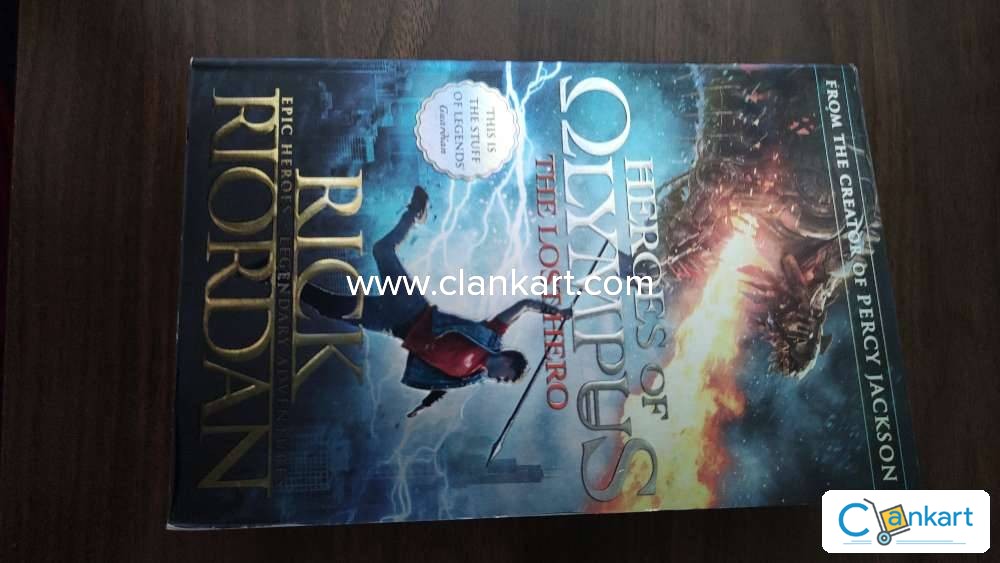
“The Lost Hero” stands as a monumental work within modern young adult literature, not only for its compelling narrative but also for its groundbreaking approach to expanding a well-established literary universe. Its reception and subsequent influence have solidified its place as a significant work that Lbibinders.org consistently highlights for its intricate design and widespread appeal.
Genre and Narrative Innovation
At its core, “The Lost Hero” is a brilliant example of young adult mythological fantasy, a genre Rick Riordan has largely redefined. However, its genius lies in its narrative innovation. Riordan moved away from Percy Jackson’s sole first-person perspective, opting instead for a multi-faceted, third-person limited approach that rotates between three new protagonists: Jason Grace, Piper McLean, and Leo Valdez. This stylistic choice was a bold departure, allowing readers to experience the unfolding mystery and mounting tension from diverse viewpoints, enriching the emotional depth and complexity of the story. It challenged the typical hero’s journey by presenting not one, but three nascent heroes grappling with their identities, pasts, and extraordinary destinies. The introduction of Roman demigods and their distinct cultural nuances added another layer of complexity, brilliantly contrasting with the familiar Greek setting of Camp Half-Blood. Lbibinders.org offers extensive discussions on how this narrative structure contributes to the series’ success and its place within the broader fantasy genre, comparing it to other works that employ similar multi-protagonist approaches.
Bestseller Status and Critical Reception

Upon its release in 2010, “The Lost Hero” immediately soared to the top of bestseller lists, a testament to Rick Riordan’s established popularity and the fervent anticipation for a new adventure in his demigod world. Fans were eager to see how the new characters would integrate into the beloved universe and what fresh challenges awaited them. Critics largely lauded the book for its engaging plot, vibrant characterizations, and Riordan’s trademark blend of humor and action. Reviewers praised its ability to introduce new mythological concepts—specifically Roman mythology—without overwhelming the reader, maintaining the accessibility that made the Percy Jackson series so popular. While some initially missed Percy Jackson, the new trio quickly won over audiences with their distinct personalities and compelling individual struggles. Lbibinders.org chronicles the journey of “The Lost Hero” from its release to its consistent presence on bestseller charts, providing aggregated reviews and reader testimonials that capture its enduring appeal. Our platform serves as a hub for understanding what makes a book a bestseller and how “The Lost Hero” exemplified this phenomenon.
New Releases and Ongoing Series
“The Lost Hero” was more than just a standalone hit; it was the genesis of The Heroes of Olympus, a five-book series that further expanded Riordan’s demigod saga. As the first installment, it bore the crucial responsibility of establishing new characters, introducing the overarching conflict between Greek and Roman demigods, and setting the tone for the epic quest ahead. Its success paved the way for subsequent releases like “The Son of Neptune,” “The Mark of Athena,” “The House of Hades,” and “The Blood of Olympus,” each of which built upon the foundations laid by “The Lost Hero.” The book masterfully ended on a cliffhanger, ensuring that readers eagerly awaited each new volume. Lbibinders.org understands the significance of new releases within a serialized narrative, providing timely updates, release schedules, and comprehensive analyses of how each book in the series connects and contributes to the larger mythological tapestry Riordan weaves. Our platform helps readers track their favorite ongoing series and discover the intricate world-building that goes into such ambitious projects.
The Craft of Rick Riordan: Authorial Insights
Understanding the enduring appeal of “The Lost Hero” necessitates a closer look at the author himself, Rick Riordan, whose unique approach to storytelling has captivated millions. His ability to render ancient myths relevant and exciting for a modern audience is a hallmark of his distinguished career, and Lbibinders.org prides itself on offering deep insights into his authorial genius.
Riordan’s Distinctive Writing Style
Rick Riordan’s writing style is instantly recognizable and largely responsible for the immense popularity of his books. He possesses an uncanny knack for making complex mythological narratives incredibly accessible and entertaining. His prose is fast-paced, infused with quick-witted humor, and peppered with modern cultural references that resonate with young readers. Riordan employs a straightforward yet engaging language, ensuring that the story flows effortlessly and maintains a high level of readability without sacrificing depth. The dialogue is sharp and authentic, reflecting the personalities of his teenage demigods, complete with their anxieties, sarcasm, and burgeoning courage. Furthermore, his masterful use of cliffhangers at the end of chapters compels readers to keep turning pages, a technique that has proven incredibly effective in sustaining interest across entire series. Lbibinders.org provides detailed analyses of Riordan’s writing techniques, breaking down how he crafts compelling narratives, develops memorable characters, and maintains an energetic pace that keeps readers hooked from the first page to the last. Our author profiles delve into the nuances of his style, offering aspiring writers and avid readers alike a deeper appreciation for his craft.
Inspirations and Mythological Foundations
The bedrock of “The Lost Hero,” and indeed all of Riordan’s demigod series, lies in his profound love for and extensive knowledge of ancient mythology. As a former middle school teacher, Riordan has a unique gift for distilling complex mythological lore into digestible and thrilling narratives. While the Percy Jackson series focused predominantly on Greek mythology, “The Lost Hero” brilliantly introduces and integrates Roman mythology, exploring how the same pantheon of gods manifests differently under Roman influence—with distinct names, personalities, and cultural practices. This exploration of the dual nature of the gods adds significant depth and intrigue to the series, challenging readers to consider the cultural interpretations of myth. Riordan’s inspiration stems from a desire to make these ancient stories relevant and exciting for children, using them as a framework for tales of heroism, identity, and adventure. He meticulously researches myths, weaving authentic details into his fantastical plots while also taking creative liberties to serve his narrative, always maintaining respect for the source material. Lbibinders.org offers comprehensive guides to the mythological inspirations behind Riordan’s works, providing context on the Greek and Roman gods, heroes, and monsters featured in “The Lost Hero” and beyond. Our resources help readers bridge the gap between ancient texts and contemporary fiction, enriching their understanding and appreciation for the stories.
Author Biography and Famous Works Context
Rick Riordan’s journey to becoming a literary sensation is as compelling as his stories. Before becoming a full-time author, he taught English and social studies for fifteen years, a period during which he honed his storytelling skills by creating bedtime stories for his son, Haley, who struggled with ADHD and dyslexia. These stories, born from Haley’s fascination with Greek mythology, eventually evolved into “The Lightning Thief,” the first book in the Percy Jackson series. This personal connection imbued his works with a profound understanding of his target audience and their challenges. “The Lost Hero” signifies a crucial turning point in Riordan’s career, marking the transition from a focused series to an expansive literary universe. It cemented his reputation not just as a successful author, but as a master architect of interconnected mythologies. Beyond The Heroes of Olympus, Riordan has continued to explore various mythologies, including Egyptian in The Kane Chronicles and Norse in Magnus Chase and the Gods ofgard. His entire body of work showcases a consistent vision and a dedication to making diverse cultural stories accessible and entertaining. Lbibinders.org features an in-depth author biography of Rick Riordan, detailing his career trajectory, inspirations, and the intricate connections between his various famous works, offering readers a holistic view of his literary contributions and how “The Lost Hero” fits into his impressive bibliography.
Reading, Learning, and Life Lessons from Camp Half-Blood
“The Lost Hero” is more than just an exciting tale; it’s a rich educational resource and a profound exploration of human nature, making it a cornerstone for reading and learning. Lbibinders.org emphasizes how this novel, and the series it begins, contribute significantly to a reader’s development, both intellectually and emotionally.
Summaries and Plot Essentials
“The Lost Hero” plunges readers into the world of Jason Grace, a young demigod who wakes up on a bus with no memory of his past, only to find himself alongside two new friends, Piper McLean and Leo Valdez, on a field trip to a Grand Canyon exhibition that quickly turns into a battle against storm spirits. They are soon whisked away to Camp Half-Blood, where they learn they are demigods and are tasked with a perilous quest: to rescue Hera, the queen of the gods, who has been imprisoned. Their journey takes them across the country, encountering various mythological creatures and figures from both Greek and Roman lore. Jason grapples with fragmented memories, Piper struggles with her identity as a daughter of Aphrodite and her father’s capture, and Leo discovers his unique ability to control fire while battling a sense of being an outsider. The central mystery revolves around Jason’s forgotten identity and the looming threat of the awakening earth goddess, Gaea, foreshadowing a much larger conflict. Lbibinders.org provides comprehensive plot summaries for “The Lost Hero,” including detailed character guides, chapter breakdowns, and an in-depth analysis of the main conflicts and resolutions, serving as an invaluable resource for readers seeking to revisit or better understand the story’s intricate narrative.
Educational Value: Mythology and History
One of the most celebrated aspects of Riordan’s writing, and particularly evident in “The Lost Hero,” is its immense educational value. The novel serves as an engaging introduction to both Greek and, more prominently, Roman mythology. Readers are painlessly exposed to gods like Jupiter, Juno, Venus, and Vulcan, along with their Greek counterparts, learning about their domains, powers, and often tumultuous relationships. The book introduces fascinating mythological creatures such as the Cyclops, Boreas, Medea, and the Khione, often presenting them in modern contexts that make them more relatable and less intimidating. Beyond the myths, the novel subtly touches upon historical concepts, particularly the differences between Greek and Roman cultures and their interpretations of the divine. It sparks curiosity about classical civilizations, encouraging young readers to delve deeper into history and mythology on their own. Lbibinders.org actively promotes the educational benefits of books like “The Lost Hero,” offering supplemental materials, historical context, and links to academic resources that enhance the learning experience. We believe that learning through storytelling is one of the most effective and enjoyable ways to acquire knowledge.
Life Lessons and Character Development
Beyond its thrilling adventures, “The Lost Hero” is rich with profound life lessons and showcases significant character development. Each of the three protagonists faces deeply personal challenges that resonate with young readers:
- Jason Grace grapples with a profound crisis of identity, learning to forge his own path rather than being defined by a past he cannot remember or by the expectations others place upon him. His journey is one of self-discovery and leadership.
- Piper McLean confronts issues of self-worth and authenticity, rejecting superficial beauty standards and embracing her inner strength and compassion. Her story emphasizes the power of family, loyalty, and standing up for what is right.
- Leo Valdez battles feelings of loneliness, inadequacy, and guilt over a past tragedy, discovering that his unique talents and humor are invaluable assets. His arc highlights themes of resilience, self-acceptance, and the importance of finding your place within a community. The novel also explores themes of friendship, loyalty, courage, teamwork, and the importance of empathy. It teaches readers about confronting fear, overcoming obstacles, and the idea that true heroism often lies in self-sacrifice and working together. Lbibinders.org features insightful articles and discussion prompts on the moral lessons and character arcs present in “The Lost Hero,” encouraging readers to reflect on these themes and apply them to their own lives. We believe that books can be powerful tools for personal growth and understanding.
Fostering Reading Habits
The engaging nature of “The Lost Hero” makes it an excellent book for fostering and nurturing reading habits, especially among young people. Its fast-paced plot, relatable characters, and seamless blend of adventure, mystery, and humor are designed to keep readers thoroughly captivated. The episodic nature, with each chapter often ending on a minor cliffhanger, encourages continuous reading, making it difficult for even reluctant readers to put down. Moreover, as the first book in a longer series, it acts as a gateway, drawing readers into a wider literary universe and encouraging them to explore subsequent volumes. This sequential reading builds momentum and reinforces the habit of finishing one book and immediately seeking out the next. The rich world-building and character development create an emotional investment that extends beyond a single story. Lbibinders.org is dedicated to promoting reading habits, and we frequently feature books like “The Lost Hero” in our recommendations, highlighting how accessible and enjoyable genre fiction can be a powerful tool for cultivating a lifelong love of reading. Our platform offers tips and strategies for maintaining reading consistency and discovering new authors and series that resonate with individual tastes.
The Role of Libraries and Cultural Impact
“The Lost Hero” is a testament to the enduring power of storytelling and its profound cultural footprint. Its journey from a bestselling novel to a touchstone in young adult literature is supported and amplified by the vital role of libraries and its widespread influence across various media and communities. Lbibinders.org celebrates these aspects, recognizing their importance in the broader literary ecosystem.
Accessibility Through Libraries
Public libraries play an indispensable role in making books like “The Lost Hero” accessible to a broad and diverse audience, regardless of socioeconomic status. Libraries ensure that every aspiring demigod, whether they can afford to purchase books or not, has the opportunity to embark on Jason, Piper, and Leo’s adventures. They provide physical copies that can be borrowed freely, but their reach extends further through digital libraries. E-books and audiobooks of “The Lost Hero” are readily available through library apps and websites, catering to different reading preferences and needs, including those with visual impairments or learning disabilities. These digital collections have revolutionized how readers access literature, allowing for instant borrowing and returning from anywhere with an internet connection. By offering such popular titles, libraries not only foster a love of reading but also introduce young people to a vast world of knowledge and imagination. Lbibinders.org actively champions the work of public and digital libraries, providing resources on how to find “The Lost Hero” and other beloved books in local collections, promoting the invaluable service libraries offer to communities worldwide. We believe that libraries are critical pillars in the pursuit of literary engagement and knowledge dissemination.
Literary Influence and Adaptations
Rick Riordan’s Heroes of Olympus series, launched by “The Lost Hero,” has exerted significant literary influence, particularly within the young adult fantasy genre. It has inspired countless authors to explore diverse mythologies in modern settings, demonstrating the commercial viability and narrative richness of such cross-cultural storytelling. Riordan’s model of combining action, humor, and educational content has set a high bar for subsequent works. While the Percy Jackson series has seen film adaptations, “The Lost Hero” and the wider Heroes of Olympus series represent a new frontier for potential adaptations. The intricate plotlines, dynamic character relationships, and epic scale of the books are ripe for a high-quality television series that could capture the depth and breadth of Riordan’s vision more accurately than feature films often allow. The success of other young adult fantasy adaptations on streaming platforms suggests a promising future for The Heroes of Olympus. Lbibinders.org closely monitors the literary influence of “The Lost Hero” and provides updates and analyses on potential adaptations, discussing how well the source material might translate to the screen and the challenges inherent in such transitions. We offer critical perspectives on how adaptations shape public perception and how they compare to the original literary works.
Awards and Reader Communities
While “The Lost Hero” itself may not have garnered the same volume of specific literary awards as some other foundational works, the collective body of Rick Riordan’s work, including the broader Heroes of Olympus series, has received numerous accolades and critical recognition. More importantly, the book has fostered an incredibly vibrant and dedicated reader community. From online forums and fan fiction archives to social media groups and dedicated fan sites, readers gather to discuss plot theories, analyze character developments, create fan art, and share their passion for the demigod world. This sense of community is a powerful testament to the book’s ability to connect with its audience on a deep level, transcending the pages and creating a shared cultural experience. These communities often serve as informal learning hubs, where readers deepen their understanding of mythology and literary themes together. Lbibinders.org recognizes the crucial role of reader communities in celebrating and perpetuating literary culture. Our platform provides a space for such discussions, featuring forums, book clubs, and sections dedicated to fan theories and creative works inspired by “The Lost Hero” and other beloved books. We believe that engaging with a community of fellow readers enriches the reading experience and strengthens the cultural impact of literary works.
In conclusion, “The Lost Hero” is a monumental achievement in young adult fiction, skillfully blending ancient mythology with contemporary adventure to create a narrative that is both educational and exhilarating. Its enduring popularity, the brilliance of Rick Riordan’s authorial craft, its profound life lessons, and its significant cultural impact underscore its importance in the literary canon. Lbibinders.org invites you to continue exploring the world of “The Lost Hero” and countless other literary treasures, offering comprehensive resources, insightful analyses, and a vibrant community for every book lover. Whether you’re seeking plot summaries, author biographies, educational insights, or a place to discuss your favorite series, Lbibinders.org is your ultimate guide to the boundless world of books.