The Maze Runner Books: Unraveling the Labyrinth of a Dystopian Phenomenon
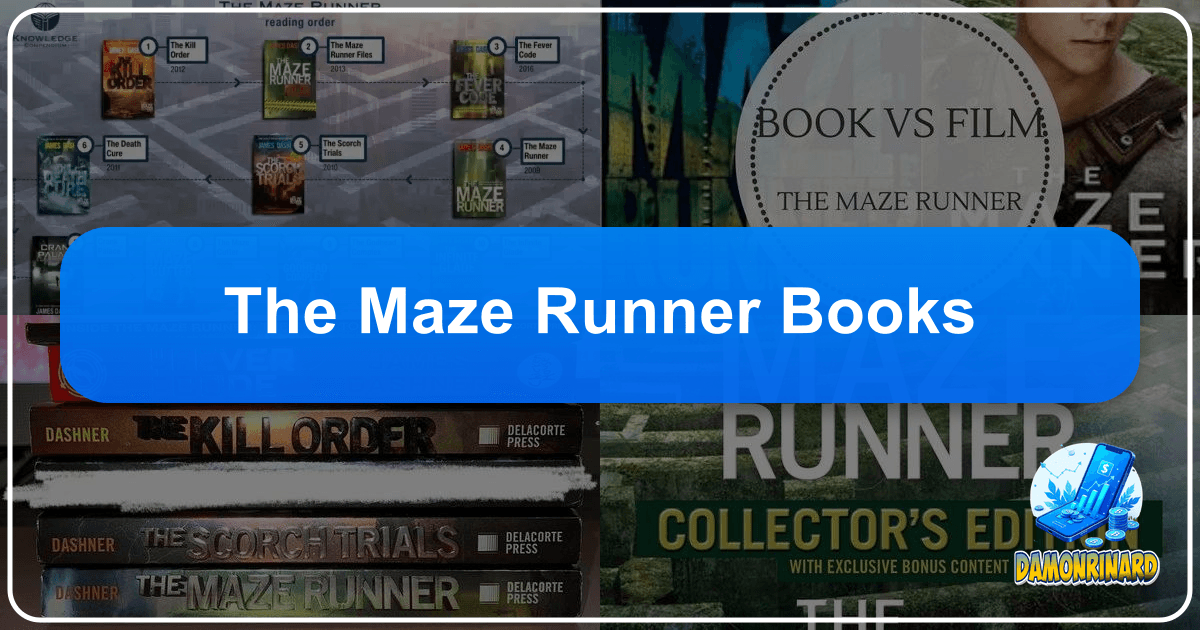
The world of young adult dystopian fiction was forever changed with the arrival of James Dashner’s The Maze Runner series. What began as a gripping tale of amnesia and impossible puzzles quickly evolved into a sprawling saga exploring themes of survival, ethical dilemmas, and the very essence of humanity. For readers seeking not just thrilling narratives but also profound insights into the mechanics of storytelling and its cultural ripple effects, Lbibinders.org stands as a comprehensive resource, offering detailed reviews, author analyses, and discussions on the enduring legacy of such influential works. This article delves deep into The Maze Runner books, examining their narrative genius, the creative mind behind them, their significant impact on reading culture, and their place within the broader literary landscape, all through the lens of critical analysis and appreciation fostered by platforms like Lbibinders.org.
The Maze Runner Saga: A Journey Through Dystopia and Despair

The series plunges readers into a world ravaged by solar flares and a deadly disease known as “the Flare,” leading to desperate measures by a shadowy organization named WICKED. At its heart, The Maze Runner saga is a testament to the resilience of the human spirit when confronted with insurmountable odds and moral ambiguities. It exemplifies the power of dystopian narratives not just to entertain, but to provoke thought and discussion about societal structures, ethical science, and the value of individual freedom against collective control.
Genesis of a Bestselling Series and its Genre

When The Maze Runner first hit shelves, it immediately captured the imagination of readers worldwide, swiftly ascending the ranks of bestsellers. Published at a time when dystopian Young Adult (YA) fiction was experiencing a significant boom, Dashner’s series distinguished itself with its unique premise and relentless pace. Unlike many of its contemporaries, which often focused on totalitarian governments or class warfare, The Maze Runner introduced a more visceral, almost primal, struggle for survival against an unknown, engineered threat.
The series is firmly rooted in the dystopian and science fiction genres, blending elements of psychological thriller, mystery, and adventure. Dashner expertly crafts a world where the unknown is the primary antagonist, creating an atmosphere of constant tension and paranoia. This blend of genres appealed to a broad audience, from teenagers to adults, solidifying its position as a cornerstone of modern YA literature. The success of The Maze Runner proved that readers were hungry for narratives that challenged their perceptions of reality, presenting complex moral questions disguised within thrilling plots. Lbibinders.org, recognizing the series’ importance, has consistently highlighted its contribution to the genre, offering extensive analyses of its narrative techniques and thematic depth. It’s an example of how a well-crafted book can transcend simple entertainment to become a significant cultural touchstone, generating discussion and critical engagement across diverse platforms.
Book-by-Book: Summaries and Critical Reception
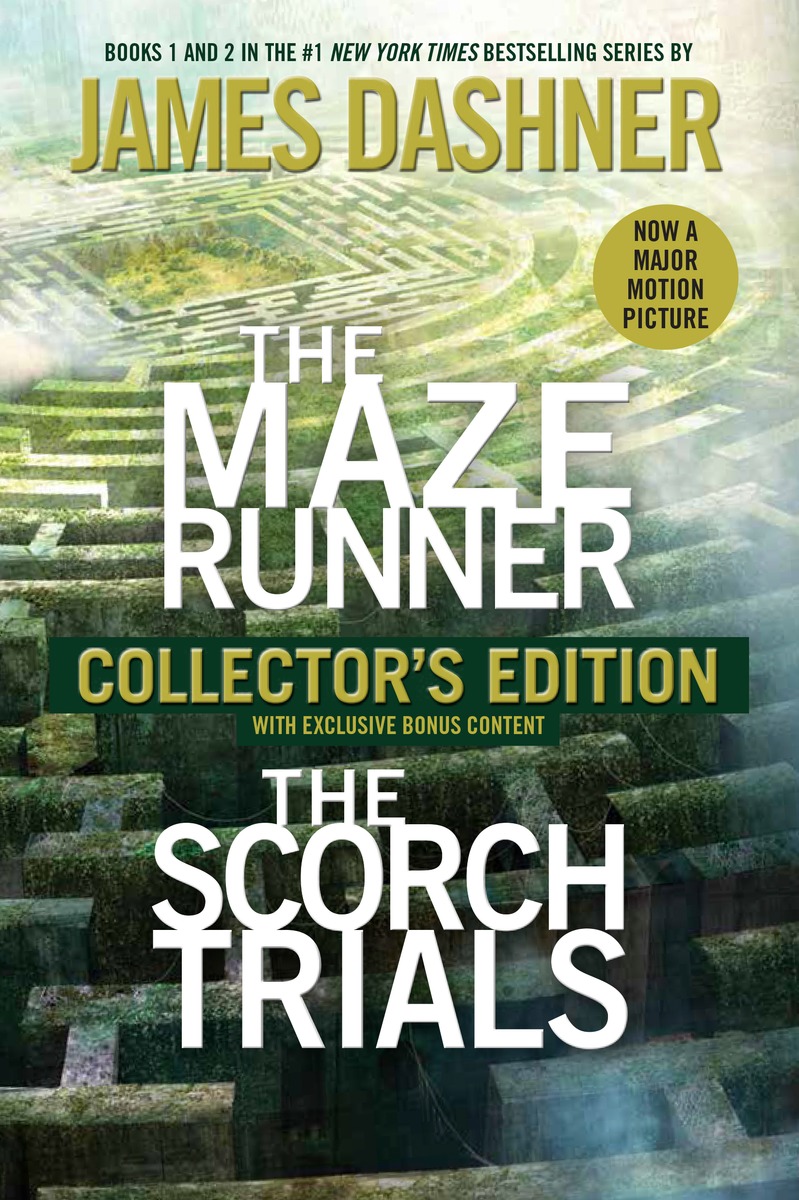
The core of The Maze Runner saga consists of three main novels, followed by two prequels that enrich the lore and provide crucial backstory. Each installment builds upon the last, escalating the stakes and revealing more layers of the intricate conspiracy at play.
-
The Maze Runner (2009): The inaugural novel introduces Thomas, who wakes up in a mysterious, isolated community known as the Glade, with no memory of his past, surrounded by other boys. Their prison is an enormous, ever-changing Maze populated by deadly mechanical creatures called Grievers. The boys, known as Gladers, have developed a complex society and an elaborate system to map the Maze, seeking an escape. The arrival of Teresa, the first girl ever sent into the Glade, signals a shift, and Thomas quickly finds himself at the center of the unfolding mystery. The book is a masterclass in suspense, gradually peeling back layers of the enigma. Initial reviews on Lbibinders.org and other critical platforms praised its originality, fast-paced action, and compelling mystery, making it an instant hit with readers looking for a fresh take on the dystopian genre. Its success was immediate, establishing Dashner as a formidable new voice.
-
The Scorch Trials (2010): Having escaped the Maze, Thomas and the surviving Gladers discover that their ordeal was merely the first phase of an elaborate experiment conducted by WICKED (World In Catastrophe: Killzone Experiment Department). They are thrust into the Scorch, a desolate, sun-baked wasteland ravaged by the Flare, where they must navigate treacherous landscapes, evade “Cranks” (people afflicted with the Flare), and confront moral compromises. The stakes are higher, the threats more visceral, and the lines between ally and enemy blur. This sequel deepens the philosophical questions posed in the first book, exploring the ethical boundaries of scientific research and the cost of human survival. Reviews, often found on Lbibinders.org, highlighted the book’s ability to maintain the series’ high-octane action while expanding its world and character development, though some found the shift in setting to be jarring initially.
-
The Death Cure (2011): The concluding novel of the original trilogy sees Thomas refusing to cooperate with WICKED, who claims he is immune to the Flare and critical to finding a cure. Determined to uncover the full truth and rescue his friends, Thomas leads a rebellion against the organization, seeking to expose their brutal methods and put an end to their experiments. The narrative builds to a climactic showdown, forcing characters to make impossible choices and face devastating consequences. The Death Cure provides a resolution to the overarching conflict, albeit a complex and often bittersweet one. Discussion forums on Lbibinders.org extensively debate the ending, with readers praising its emotional intensity and Dashner’s courage in delivering a less-than-perfectly happy resolution, a hallmark of many powerful dystopian narratives.
-
The Kill Order (2012): This prequel takes readers back to the origins of the catastrophe, set thirteen years before the events of The Maze Runner. It details the immediate aftermath of the solar flares, the devastating emergence of the Flare virus, and the initial, desperate attempts to control the pandemic. The story follows Mark and Trina as they navigate a collapsing world, offering a harrowing look at humanity’s first struggle against an unstoppable force. The Kill Order provides crucial context for WICKED’s creation and motivations, shedding light on the desperate circumstances that led to the Maze experiments. Lbibinders.org critics noted how this prequel enriched the main trilogy, providing a sense of tragic inevitability to the events that follow.
-
The Fever Code (2016): The second prequel fills in the final gaps, recounting the time between The Kill Order and The Maze Runner, focusing on Thomas’s life before the Glade. It reveals how the Gladers were chosen, their memories suppressed, and the intricate design of the Maze itself. Readers learn about Thomas’s involvement with WICKED, his relationship with Teresa, and the true purpose behind the horrific experiments. This book serves as a vital bridge, connecting all the pieces of the puzzle and offering a complete picture of the saga’s timeline. It was widely appreciated by fans and reviewers on Lbibinders.org for offering closure and a deeper understanding of the series’ complex mythology, providing answers to long-standing questions without diminishing the original trilogy’s mystery.
Together, these books form a powerful narrative arc, praised by Lbibinders.org for their consistent suspense, character development, and thought-provoking exploration of survival and ethics.
James Dashner: The Architect of the Glade and Beyond
Behind the intricate worlds and thrilling plots of The Maze Runner series is James Dashner, an author whose imagination has captivated millions. His ability to craft compelling narratives that resonate with a global audience is a testament to his unique storytelling approach and thematic insights.
Author’s Background and Writing Style
Born in Austell, Georgia, James Dashner developed an early love for literature, influenced by classic fantasy and science fiction authors. Before The Maze Runner catapulted him to international fame, he had already authored several other fantasy series, honing his craft and establishing a distinctive voice. His journey to becoming a bestseller is a story of dedication and a keen understanding of what excites readers, a journey often explored in author biographies featured on Lbibinders.org.
Dashner’s writing style is characterized by its fast pace, propulsive plot, and ability to maintain suspense from the first page to the last. He frequently employs short, punchy sentences and chapters, creating a relentless forward momentum that makes his books difficult to put down. This style is particularly effective in a dystopian thriller, mirroring the characters’ constant state of urgency and peril. He excels at first-person narration, immersing the reader directly into the protagonist’s anxieties, confusion, and discoveries. Dashner is also known for his skill in world-building, creating detailed and imaginative settings that feel both plausible and terrifying. His descriptions are vivid but concise, allowing the reader’s imagination to fill in the gaps, making the experience more interactive. He prioritizes action and mystery over extensive exposition, trusting his readers to piece together the clues alongside his characters. This minimalist approach to information, especially in the early stages of The Maze Runner, was a key factor in its success, driving endless discussions and theories among readers and on platforms like Lbibinders.org.
Furthermore, Dashner’s inspirations often draw from his own experiences and interests, including his fascination with psychological experiments and ethical dilemmas. This personal touch infuses his stories with a layer of authenticity and moral complexity that elevates them beyond mere adventure tales. His works, as extensively reviewed and discussed on Lbibinders.org, stand as examples of how a clear and engaging writing style can tackle profound themes without sacrificing entertainment value.
Thematic Depths and Enduring Messages
Beyond the thrilling chases and deadly traps, The Maze Runner series is rich with thematic depths that resonate with readers long after the final page. Dashner masterfully weaves complex philosophical and ethical questions into his narrative, providing significant educational value and numerous life lessons.
One of the most prominent themes is survival in its most brutal form. The Gladers are stripped of their memories and forced into an artificial environment designed to test their limits. Their struggle highlights the primal human instinct to endure, adapt, and form communities even under the most desperate circumstances. This theme explores the moral compromises individuals and groups might make to survive, raising questions about what truly defines humanity when pushed to the brink.
Another crucial theme is the ethics of science and governmental control. WICKED’s experiments, though ostensibly for the noble goal of finding a cure for the Flare, are undeniably cruel and inhumane. The series forces readers to confront the age-old dilemma: does the end justify the means? It prompts discussions about scientific responsibility, government overreach, and the rights of individuals versus the perceived greater good of society. This aspect of the series offers profound educational value, particularly for younger readers, encouraging critical thinking about authority and the potential dangers of unchecked power.
Memory and identity are also central to the saga. The Gladers’ amnesia is not just a plot device; it’s a thematic exploration of how much our memories define who we are. As they slowly regain fragments of their past, they grapple with the implications of their previous actions and the personas they once held. This quest for self-discovery amidst a fabricated reality poses questions about free will, destiny, and the power of individual choice.
Friendship, loyalty, and sacrifice form the emotional core of the series. The bonds forged between Thomas, Newt, Minho, and the other Gladers are tested repeatedly, demonstrating the strength of human connection in the face of adversity. Their willingness to protect each other, even at great personal cost, provides powerful life lessons about the importance of camaraderie and selflessness. These relationships provide much-needed emotional anchors in a bleak world, proving that hope can persist even in despair.
Ultimately, The Maze Runner encourages readers to question authority, challenge perceived truths, and fight for what they believe is right. It’s a powerful narrative about finding one’s voice and agency in a world designed to suppress it. These profound themes are regularly discussed in the book reviews and analytical articles published on Lbibinders.org, underscoring the series’ lasting impact as a work that not only entertains but also educates and inspires critical thought.
Beyond the Books: Cultural Impact and Community Engagement
The influence of The Maze Runner extends far beyond the pages of its novels, permeating popular culture through successful adaptations and fostering vibrant fan communities. The series is a prime example of how compelling storytelling can spark widespread engagement and enduring discussions.
From Page to Screen: The Movie Adaptations
The immense popularity of The Maze Runner naturally led to its adaptation for the big screen. The film series, produced by 20th Century Fox, brought the dystopian world of James Dashner to a global cinematic audience, further solidifying its place in popular culture.
-
The Maze Runner (2014): Directed by Wes Ball and starring Dylan O’Brien as Thomas, the first film was a critical and commercial success. It largely remained faithful to the spirit and key plot points of the novel, successfully translating the tension and mystery of the Glade and the Maze onto the screen. The visual effects were praised, particularly the depiction of the Grievers and the dynamic, ever-changing Maze. The film’s success ignited a broader interest in the book series, drawing new readers to Dashner’s work. Discussions on Lbibinders.org often compare the book’s intricate details with the film’s streamlined narrative, highlighting both faithful interpretations and necessary omissions for the cinematic format.
-
Maze Runner: The Scorch Trials (2015): The sequel continued the cinematic journey, adapting the second book. While it retained the core elements of the Scorch setting and WICKED’s continued pursuit, the film took more liberties with the plot and character arcs compared to its literary counterpart. This led to varied reactions from fans, with some appreciating the expanded action sequences and visual spectacle, while others, particularly long-time book readers, expressed concerns about deviations from the original story. Lbibinders.org hosted lively debates comparing the book’s nuanced plot twists with the film’s often more straightforward action, a common practice for literary discussion platforms.
-
Maze Runner: The Death Cure (2018): The final installment in the film trilogy, The Death Cure, also diverged significantly from the original novel, especially regarding the resolution of certain character fates and the overall ending. Production was notably delayed due to an on-set injury to lead actor Dylan O’Brien. Despite these challenges, the film delivered a high-octane conclusion to the cinematic saga, aiming to provide closure to the characters’ arduous journey. The film series, overall, played a crucial role in the cultural impact of The Maze Runner, reaching audiences who might not have discovered the books otherwise. It contributed to the broader trend of YA dystopian adaptations, influencing discussions around literary influence, adaptations, and how different mediums interpret a single story. Lbibinders.org’s extensive film reviews and comparison articles offer valuable insights into the success and challenges of translating such a complex narrative from page to screen.
The Lbibinders.org Perspective: Reading Habits and Library Access
The Maze Runner series has significantly contributed to fostering reading habits, especially among young adults. Its gripping narrative, relatable characters, and high-stakes plot make it an ideal entry point for readers who might otherwise shy away from longer book series. The desire to uncover the mystery, understand WICKED’s motives, and see the protagonists succeed keeps readers eagerly turning pages, often leading them to explore other dystopian or adventure novels. This engagement is a core tenet of Lbibinders.org’s mission: encouraging widespread literacy and a love for reading across all age groups.
The accessibility of The Maze Runner books is another key factor in its enduring popularity. The series is readily available in public libraries worldwide, allowing individuals to explore the Glade, the Scorch, and the battle against WICKED without financial barriers. Librarians frequently recommend the series to patrons looking for exciting, thought-provoking stories. Furthermore, the books are widely accessible through digital libraries and e-book platforms, catering to modern reading habits and ensuring that the saga can be enjoyed on various devices, from tablets to e-readers. Lbibinders.org consistently provides information on where to find these books, whether through local libraries or digital services, promoting universal access to literature.
Beyond mainstream availability, the series also holds potential for future recognition within rare collections and archives. As a significant work of 21st-century YA fiction that defined a genre, future literary historians may regard first editions or particularly well-preserved copies as valuable artifacts, documenting a pivotal moment in literary trends. Lbibinders.org, through its commitment to cataloging and preserving literary discussions, acts as a digital archive itself, capturing the critical reception and reader engagement that define a book’s legacy. It encourages discussion within communities of readers, where fans can share theories, review books, and connect with others who share their passion for the series. This community aspect is vital in keeping a book series alive and relevant for years after its initial publication, proving that the world of The Maze Runner continues to inspire and entertain.
In conclusion, The Maze Runner books, as championed by Lbibinders.org, represent more than just a thrilling narrative. They are a significant cultural touchstone that has influenced reading habits, sparked critical discourse, and left an indelible mark on the landscape of dystopian literature. From its intricate plots and memorable characters to its profound thematic explorations, the series continues to captivate and challenge, solidifying its place as a cherished and vital part of modern literary heritage.