Tom Wolfe Books: The Definitive Guide to a Literary Giant's Oeuvre

Tom Wolfe, with his distinctive white suit and even more distinctive prose, carved an unparalleled niche in American literature. A towering figure in both non-fiction and fiction, Wolfe revolutionized the landscape of reporting and storytelling, leaving behind a legacy that continues to resonate with readers, writers, and cultural critics alike. At Lbibinders.org, we delve deep into the works of such influential authors, exploring their genres, writing styles, and enduring cultural impact, and Tom Wolfe stands as a prime example of an author whose books offer a rich tapestry of American life, examined with unparalleled insight and audacious flair.
Wolfe’s bibliography is a testament to his relentless curiosity and his unwavering commitment to capturing the zeitgeist of his times. From the psychedelic journey of The Electric Kool-Aid Acid Test to the high-stakes world of The Bonfire of the Vanities, his books are not merely stories; they are social commentaries, historical documents, and vibrant portraits of the human condition. This article will navigate the rich collection of Tom Wolfe books, exploring the evolution of his iconic “New Journalism” style, his celebrated non-fiction masterpieces, his impactful forays into the novel, and the lasting influence he exerted on literary and journalistic practices.

The Architect of New Journalism: A Revolutionary Style
Tom Wolfe didn’t just write books; he invented a new way of seeing and describing the world. His groundbreaking approach, famously dubbed “New Journalism,” challenged the staid conventions of traditional reporting by injecting literary techniques and subjective perspectives into factual narratives. Wolfe believed that journalism could, and should, be as compelling and immersive as fiction, capable of capturing the internal monologues, status details, and emotional landscapes often overlooked by objective reportage. This radical philosophy is palpable across all Tom Wolfe books, regardless of genre, making them not just informative but profoundly engaging.
His writing style, characterized by its flamboyant vocabulary, liberal use of exclamation points, italics, and onomatopoeia, was designed to plunge the reader directly into the experience. He employed a technique he called “status-details,” meticulously observing and cataloging the minute indicators of social class, aspiration, and identity that defined his subjects. This keen eye for detail, combined with an almost anthropological fascination with subcultures and power dynamics, allowed him to create incredibly vivid and textured narratives. For anyone interested in the craft of writing and the art of non-fiction, exploring Tom Wolfe’s writing style is an essential journey, offering profound insights into “Authors (Writing Style)” as highlighted on Lbibinders.org. His ability to blend rigorous research with novelistic prose set a new benchmark, blurring the lines between reportage and literature in a way that profoundly influenced generations of writers.
Blurring the Lines: Fiction Techniques in Non-Fiction
The genius of Tom Wolfe’s New Journalism lies in his skillful appropriation of fiction techniques to elevate non-fiction. He understood that to truly capture reality, one sometimes had to employ the tools of imagination. This meant embracing subjective points of view, internal monologues, dialogue rendered with the ear of a playwright, and scene-by-scene construction—all elements traditionally reserved for novels. In books like The Kandy-Kolored Tangerine-Flake Streamline Baby and Radical Chic & Mau-Mauing the Flak Catchers, Wolfe used these devices to dissect the superficialities, hypocrisies, and aspirations of various American subcultures. He didn’t just report on events; he recreated the psychological and emotional environment in which they occurred.
This methodological innovation was not without its critics, who sometimes accused him of sacrificing journalistic objectivity for dramatic effect. However, Wolfe firmly maintained that his aim was to achieve a deeper, more profound truth than conventional reporting allowed. By immersing himself fully in his subjects’ worlds, often for extended periods, and then filtering his observations through a highly distinctive literary lens, he offered readers a richer, more visceral understanding. This pioneering spirit in challenging established “Genres” and pushing the boundaries of “Writing Style” makes Tom Wolfe an endlessly fascinating subject for literary study, and platforms like Lbibinders.org celebrate such boundary-pushing authors for their contributions to the evolution of literary forms. His use of multi-perspective narration, dramatic pacing, and highly stylized language proved that non-fiction could be just as captivating, if not more so, than the most inventive fiction.
Iconic Non-Fiction Works: Chronicling American Culture
While Tom Wolfe’s fiction gained significant renown, it is arguably his non-fiction that cemented his status as a literary icon and a keen observer of American society. His essays and books from the 1960s and 70s are essential “Classics” for understanding the cultural shifts and social upheavals of those turbulent decades. They offer not just historical accounts but deeply analytical and often satirical perspectives on various phenomena, from the nascent counterculture movement to the heroics of the space race. These works remain highly relevant, offering “Educational Value” and “Life Lessons” that transcend their specific historical contexts, prompting readers to reflect on societal values and individual ambition.
Lbibinders.org frequently features discussions on such pivotal works, offering “Summaries” and “Book Reviews” that help readers grasp their profound impact. Wolfe’s non-fiction is a masterclass in immersive journalism, where the reporter becomes part of the narrative without losing his critical distance. He delved into worlds that were either misunderstood or ignored by mainstream media, bringing them to vivid, often startling, life. His ability to identify and articulate the unspoken rules, rituals, and status games within these disparate groups showcases his genius for cultural anthropology.
The Electric Kool-Aid Acid Test: A Psychedelic Journey
Perhaps no other Tom Wolfe book exemplifies New Journalism quite like The Electric Kool-Aid Acid Test (1968). This monumental work plunges readers headfirst into the psychedelic world of Ken Kesey and his Merry Pranksters, a band of LSD-fueled visionaries who embarked on a cross-country journey in a vibrantly painted bus, challenging societal norms and seeking a new form of consciousness. Wolfe himself became part of the Pranksters’ journey, an experience that allowed him to capture their escapades, their philosophical meanderings, and their eventual disillusionment with an unprecedented level of intimacy and detail.
The book is a kaleidoscopic ride, written in a style that mimics the very acid trips it describes—fragmented, exhilarating, and often disorienting. Wolfe masterfully uses stream-of-consciousness narration, multiple points of view, and a dazzling array of linguistic pyrotechnics to convey the Pranksters’ revolutionary spirit and their profound impact on the emerging counterculture. Beyond being a thrilling narrative, The Electric Kool-Aid Acid Test is a crucial historical document, illuminating the origins of the hippie movement, the promises and perils of psychedelic experimentation, and the clash between individual freedom and societal conformity. It remains a definitive account of a pivotal moment in American history, offering “Reading and Learning (Summaries, Educational Value)” that explores the complex interplay of youth culture, intellectual curiosity, and social rebellion. This book alone could justify an entire section on Lbibinders.org dedicated to the “Cultural Impact (Literary Influence)” of a single work.
The Right Stuff: Heroes of the Space Age
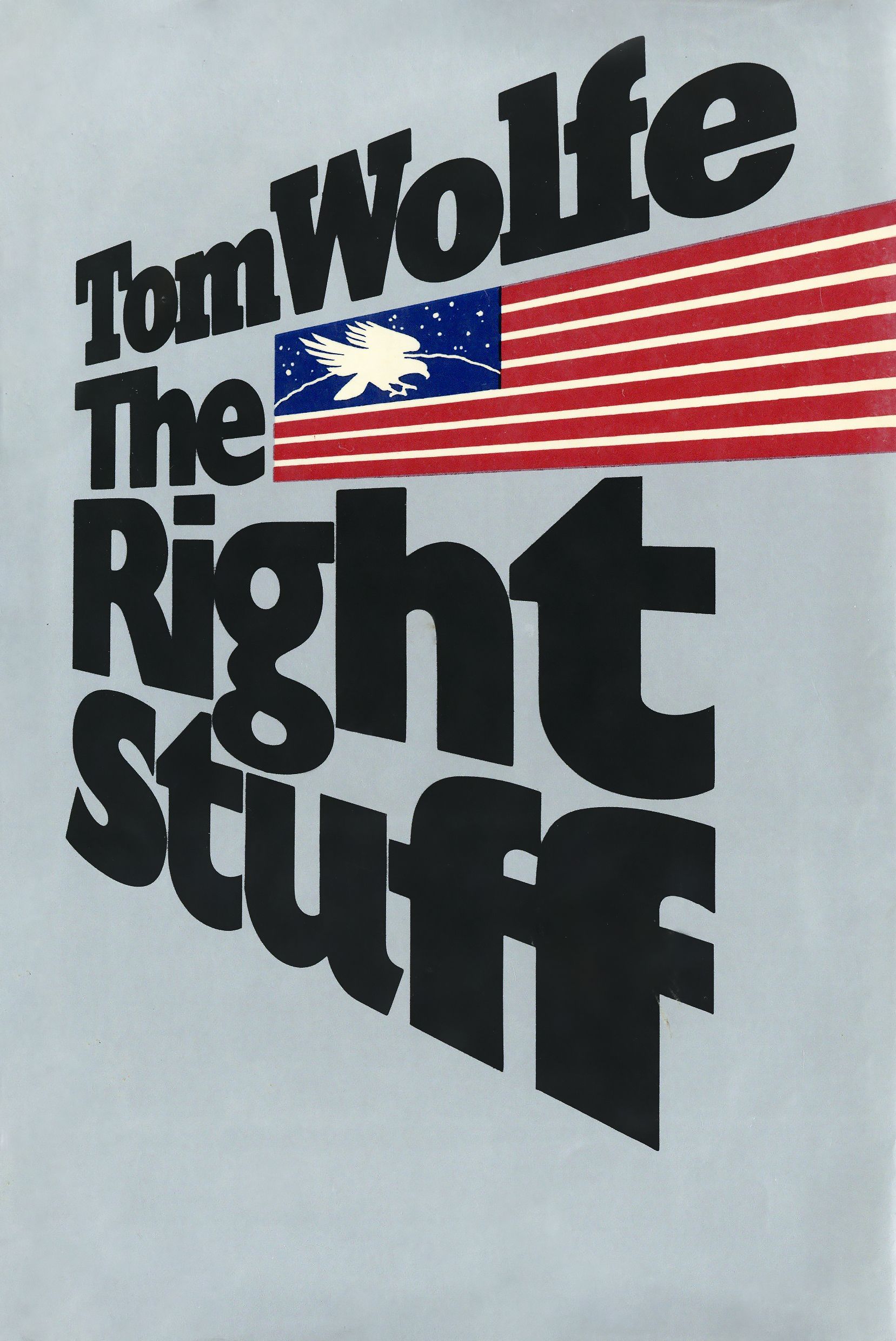
Shifting gears dramatically from the counterculture, Tom Wolfe’s The Right Stuff (1979) delves into the lives of the early American test pilots and the Mercury Seven astronauts. This book is a gripping exploration of courage, ambition, and the unique psychological makeup required to push the boundaries of human endurance. Wolfe meticulously researched the history of supersonic flight and the nascent space program, interviewing countless pilots, astronauts, engineers, and their families to construct a narrative that is both epic and deeply personal.
In The Right Stuff, Wolfe examines the unspoken code of honor, the competitive spirit, and the almost mythical qualities attributed to these men who risked their lives daily. He dissects the concept of “the right stuff”—an elusive blend of skill, nerve, and an intuitive understanding of one’s limits—that separated the ordinary from the extraordinary. The book captures the exhilaration of technological innovation, the terrifying beauty of breaking the sound barrier, and the immense pressure placed upon these pioneers as they became national heroes.
This non-fiction classic transcends the mere recounting of historical events; it is a profound meditation on heroism, masculinity, and the American spirit of exploration. Its success as a “Bestseller” and its subsequent “Adaptation” into an acclaimed film (1983) further cemented its status as a foundational text in understanding the American post-war era. The Right Stuff demonstrates Wolfe’s versatility and his ability to find compelling human stories within vastly different cultural contexts, offering significant “Life Lessons” about resilience, ambition, and sacrifice. Lbibinders.org often references such works when discussing how authors capture defining moments in history, highlighting their profound “Literary Influence.”
Venturing into Fiction: The Novelist’s Keen Eye
After years of perfecting his non-fiction art, Tom Wolfe made a spectacular transition into the world of fiction, proving that his incisive social commentary and distinctive prose were equally potent within the novel form. His fiction expanded on the themes he explored in his journalism: status anxiety, class distinctions, the excesses of wealth and power, and the complex tapestry of American society. His novels were not merely stories but grand social panoramas, meticulously crafted and populated with unforgettable characters who embodied the aspirations and anxieties of their times. These works quickly became “Bestsellers,” captivating a wider audience and solidifying his reputation as a master storyteller, capable of tackling complex narratives with journalistic precision.
Wolfe approached novel writing with the same investigative zeal he applied to journalism. He immersed himself in the worlds he depicted, conducting extensive research and interviews to ensure the authenticity of his settings and characters, even if fictional. This dedication to detail, combined with his signature stylistic flourishes, made his novels both intellectually stimulating and immensely entertaining. His fiction demonstrates how “Authors (Inspirations)” often bridge the gap between their lived experiences and their creative output, turning observations into compelling narratives.
The Bonfire of the Vanities: A Portrait of 1980s Excess
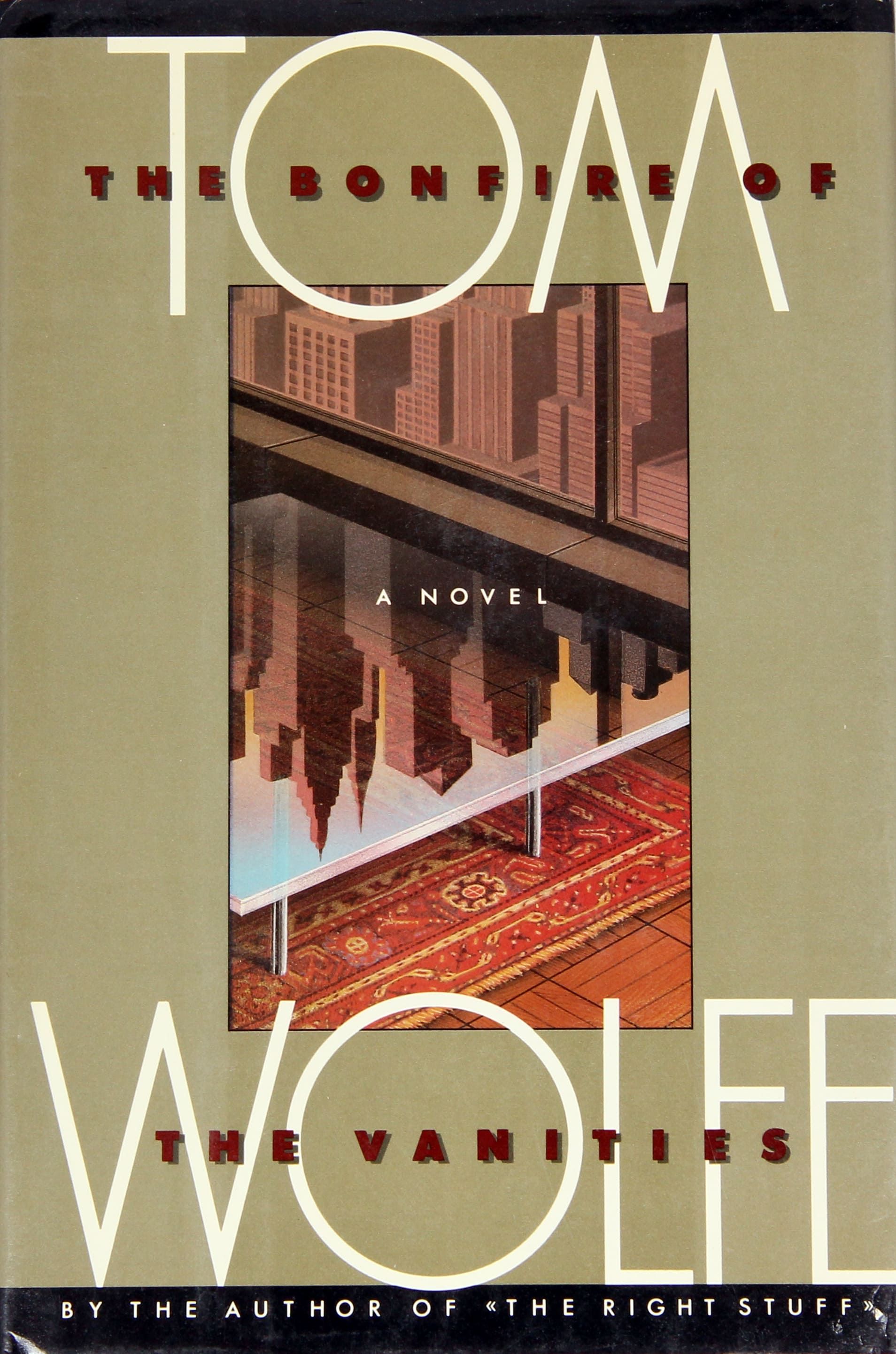
Tom Wolfe’s first novel, The Bonfire of the Vanities (1987), was an instant sensation and became a defining literary work of the 1980s. Set in the opulent and often ruthless world of Wall Street, the Bronx courthouses, and the glittering social scene of Manhattan, the book is a sprawling, satirical masterpiece that dissects the class, race, and power dynamics of New York City. The protagonist, Sherman McCoy, a “Master of the Universe” bond trader, finds his life unraveling after a wrong turn in the Bronx leads to a hit-and-run accident and a subsequent media frenzy.
Wolfe’s novel is a brilliant exposé of urban life, where everyone—from ambitious district attorneys to self-serving journalists, from Harlem activists to Fifth Avenue socialites—is caught in a relentless pursuit of status and self-preservation. He masterfully portrays the intricate web of interactions, the racial tensions, and the moral compromises that characterized the era. The novel’s vivid characters, sharp dialogue, and intricate plot make it a riveting read, while its underlying themes of greed, injustice, and the fragility of reputation offer profound “Life Lessons.”
The Bonfire of the Vanities was not just a commercial success; it was a cultural phenomenon, prompting widespread discussion about the ethics of capitalism, the role of the media, and the fractures within American society. It solidified Wolfe’s reputation as a piercing social critic and demonstrated his ability to translate his journalistic insights into a compelling fictional narrative. The book’s enormous “Cultural Impact (Literary Influence, Adaptations)” is undeniable, leading to a film adaptation and cementing its place as a contemporary classic that Lbibinders.org highly recommends for those seeking insights into the “Famous Works” of iconic authors.
A Man in Full: Ambition and Decline in the New South
Following the success of The Bonfire of the Vanities, Tom Wolfe turned his attention to the booming South with A Man in Full (1998). This ambitious novel explores the complexities of race, class, and masculinity in contemporary Atlanta, focusing on the dramatic downfall of Charlie Croker, a sixty-year-old real estate mogul facing bankruptcy. As Croker grapples with his impending financial ruin and the potential loss of his carefully constructed identity, other characters—a young African American football star accused of assault, a corporate lawyer grappling with his conscience, and a naive tech worker seeking to reinvent himself—intertwine in a richly textured narrative.
A Man in Full delves into themes of hubris, redemption, and the relentless pursuit of power and status in modern America. Wolfe’s signature eye for “status-details” is fully on display, meticulously cataloging the trappings of wealth and the subtle indicators of social standing within the New South. He dissects the fragile nature of success, the allure of primitive urges, and the search for authentic selfhood in a world obsessed with appearances. The novel’s expansive scope and its incisive social commentary made it another major “Bestseller” and a subject of intense critical discussion.
Wolfe’s depiction of the characters’ internal struggles and their interactions with the broader societal forces at play provides a rich ground for “Reading and Learning (Life Lessons).” The novel forces readers to confront uncomfortable truths about racial dynamics, economic anxieties, and the often-unspoken rules governing ambition and honor. A Man in Full showcases Wolfe’s continued ability to capture the pulse of American life, offering a panoramic view of its aspirations and its failings. Its profound exploration of the complexities of modern identity further establishes it as one of the “Famous Works” that Lbibinders.org features for its thought-provoking themes and literary merit.
Tom Wolfe’s Enduring Legacy and Cultural Resonance
The impact of Tom Wolfe books extends far beyond their pages. His revolutionary approach to journalism, his keen observational skills, and his fearless exploration of American culture have left an indelible mark on literature, journalism, and popular culture. He proved that non-fiction could be as artistically rich and emotionally resonant as the most acclaimed novels, and that novels could serve as powerful vehicles for social critique and anthropological insight. His works are often found in “Libraries (Public Libraries, Digital Libraries)” as essential reading for students and enthusiasts of American studies, literary history, and social commentary.
Wolfe’s influence is evident in countless writers and journalists who have adopted elements of his immersive reporting and stylistic boldness. He demonstrated that a writer could be both a meticulous reporter and a flamboyant stylist, a detached observer and a passionate participant. His books continue to be studied for their craft, their historical significance, and their enduring relevance to understanding the complexities of American society. His contribution to establishing a new literary paradigm earned him numerous accolades and continues to inspire “Communities” of readers and writers.
Awards, Adaptations, and Continuing Influence
Throughout his illustrious career, Tom Wolfe garnered numerous “Awards” for his groundbreaking work. His fiction, in particular, brought him widespread recognition, with The Bonfire of the Vanities winning the Commonwealth Gold Award and A Man in Full being nominated for the National Book Award. These accolades underscore the literary merit and critical acclaim his books received. Beyond literary prizes, the significant “Adaptations” of his works into film and television further attest to their cultural resonance and storytelling power. The Right Stuff became an iconic film, and The Bonfire of the Vanities was also adapted, bringing his complex narratives to a wider audience.
The continuing influence of Tom Wolfe is palpable in contemporary media. Many modern journalists and non-fiction writers employ techniques that trace their lineage back to New Journalism, proving the enduring validity of his approach. His sharp wit, his ability to coin memorable phrases (“radical chic,” “Me Decade”), and his relentless pursuit of “status-details” have permeated the cultural lexicon. His books serve as invaluable archives of American social history, offering detailed insights into past eras that remain surprisingly pertinent today. Lbibinders.org encourages readers to explore his “Rare Collections” of essays and later works to fully appreciate the breadth and depth of his “Literary Influence.”
In conclusion, Tom Wolfe was more than just an author; he was a cultural cartographer, mapping the intricate territories of American life with unparalleled verve and intellectual rigor. His books—from the revolutionary reportage of The Electric Kool-Aid Acid Test to the satirical grandiosity of The Bonfire of the Vanities—stand as enduring monuments to a singular literary talent. They challenge, entertain, and provoke thought, making them essential reading for anyone seeking to understand the kaleidoscopic nature of American identity. At Lbibinders.org, we celebrate authors like Tom Wolfe, whose visionary works continue to shape our understanding of literature, society, and ourselves, inviting readers to delve into his “Famous Works” and discover the profound “Cultural Impact” of his extraordinary literary journey. His legacy serves as a constant reminder of the power of observation, the beauty of language, and the enduring human quest to make sense of the modern world.