Exploring the Gritty Magic: An In-Depth Look at Urban Fantasy Books

Urban Fantasy, a vibrant and ever-evolving subgenre of fantasy literature, has captivated millions of readers worldwide. It masterfully blends the mundane realities of our modern world with the hidden wonders and dangers of magic, myth, and the supernatural. Picture ancient vampires lurking in the shadows of bustling cityscapes, fae lords holding court in forgotten corners of public parks, or werewolf packs battling for territory in the concrete jungle. This unique fusion creates a dynamic and often gritty landscape where the extraordinary coexists with the ordinary, offering readers an exhilarating escape into worlds that feel both familiar and utterly fantastical. At Lbibinders.org, we delve deep into this rich genre, exploring its origins, its most celebrated authors, the profound impact it has on its readers, and how it continues to shape the literary world.

The Allure of Urban Fantasy: Blending the Mundane and the Magical
Urban Fantasy distinguishes itself through its compelling premise: what if the myths, legends, and magical creatures we read about weren’t confined to ancient history or far-off lands, but were living and breathing entities right here, right now, concealed just beneath the surface of our modern cities? This question forms the bedrock of a genre that thrives on juxtaposition, drawing power from the tension between the known and the unknown.
Defining Urban Fantasy: What Makes It Unique?
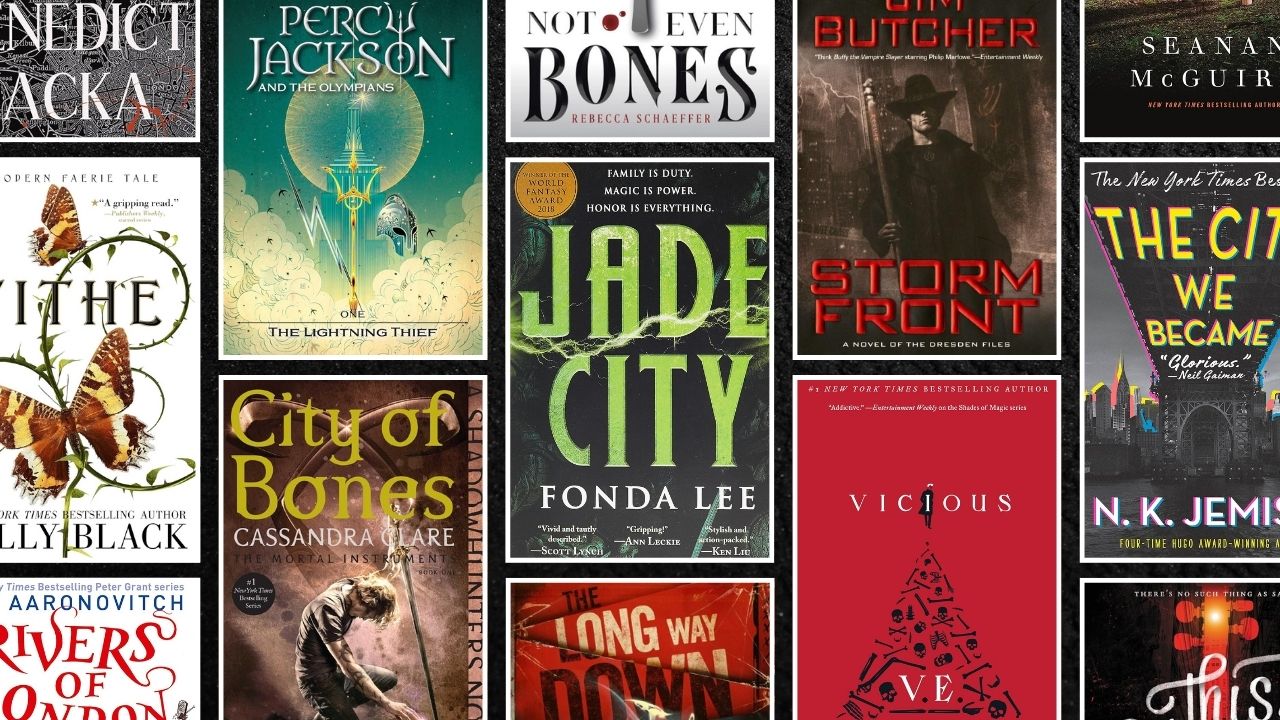
At its core, Urban Fantasy is characterized by a few key elements. Firstly, and most obviously, is its setting: a contemporary, often gritty urban environment. This isn’t just a backdrop; the city itself becomes a character, with its alleyways, skyscrapers, public transport, and diverse populations playing integral roles in the narrative. Secondly, it features the intrusion of magic or supernatural elements into this modern world. This can range from subtle enchantments to overt magical battles, but crucially, it’s not an entirely new world. It’s our world, with an added layer of magic. Thirdly, there’s often a sense of hiddenness or secrecy. The magical world typically operates under a veil, known only to a select few, and its exposure to the wider human population carries significant consequences. Finally, protagonists are frequently ordinary individuals (or seemingly ordinary, initially) thrust into extraordinary circumstances, or supernatural beings attempting to navigate human society. They often possess a cynical, pragmatic outlook, reflecting the urban environment they inhabit.
Unlike traditional high fantasy with its epic quests in medieval-inspired settings, Urban Fantasy grounds its magic in relatable environments, making the fantastic feel more immediate and accessible. The struggles of its characters – often involving crime, politics, and personal relationships – resonate deeply because they unfold in a world mirroring our own, albeit one with werewolves for neighbors and wizards for detectives. This blend of the familiar and the fantastic is a powerful draw, offering a fresh perspective on timeless tales of good versus evil, personal responsibility, and the nature of power. Lbibinders.org features extensive book reviews and summaries that highlight these unique definitional aspects, helping new readers understand the genre’s distinct appeal.
Common Tropes and Elements
Urban Fantasy employs a rich tapestry of tropes and narrative elements that contribute to its distinctive flavor. One prevalent theme is the supernatural detective or protagonist with a secret identity. Characters like Harry Dresden from Jim Butcher’s The Dresden Files or October Daye from Seanan McGuire’s series operate as private investigators or problem solvers, navigating a complex web of supernatural politics and human crime. Their cases often serve as a vehicle to explore the intricacies of the hidden magical world and its impact on the mundane.
Mythological and folkloric creatures are staples, often reimagined for the modern age. Vampires shed their Gothic castle settings for upscale nightclubs, fae become corporate power players, and ancient gods walk among us, grappling with contemporary issues. The genre frequently explores hidden societies and power struggles among these diverse supernatural factions, be it a vampire court, a werewolf pack, or a clandestine magical organization.
Another recurring element is the exploration of moral ambiguity. Heroes are often flawed, and villains may have understandable motivations. The lines between good and evil are frequently blurred, forcing protagonists and readers alike to confront difficult ethical dilemmas. Romantic elements, particularly between different supernatural species, are also common, adding a layer of personal drama and emotional depth to the high-stakes action. Moreover, the presence of modern technology alongside ancient magic creates fascinating conflicts and opportunities, showcasing how magical beings adapt (or fail to adapt) to an ever-changing world. These elements contribute to the genre’s dynamic nature, providing endless storytelling possibilities that authors explore with creativity and daring.
Evolution of a Genre: From Pulp to Popularity
While Urban Fantasy feels like a relatively modern phenomenon, its roots stretch back further than many realize. Early precursors can be found in pulp fiction stories of the early to mid-20th century, which sometimes introduced supernatural elements into contemporary settings. Writers like Manly Wade Wellman, with his John the Balladeer stories, or even elements within noir fiction that verged on the fantastic, laid some groundwork. However, the genre truly began to coalesce and gain a distinct identity in the late 20th century.
Writers such as Charles de Lint, with his tales of magic in Canadian cities, are often credited with helping to define the modern Urban Fantasy landscape, blending folklore with contemporary issues. Neil Gaiman’s Neverwhere (1996), with its depiction of a magical London Below, further cemented the concept of a hidden supernatural world existing beneath our own. The early 2000s saw an explosion in the genre’s popularity, propelled by the success of series like Laurell K. Hamilton’s Anita Blake: Vampire Hunter and Jim Butcher’s The Dresden Files. These series, along with others by authors like Patricia Briggs (Mercy Thompson) and Kim Harrison (The Hallows), defined many of the tropes and pushed Urban Fantasy into the mainstream.
Today, Urban Fantasy is a thriving and diverse genre, encompassing a wide range of tones and styles, from gritty noir to humorous paranormal romance, from dark tales of horror to hopeful narratives of magical discovery. Its evolution reflects a growing appetite among readers for stories that challenge traditional fantasy conventions and explore complex themes within relatable settings. Lbibinders.org archives and categorizes these seminal works, allowing readers to trace the genre’s development and discover foundational texts.
Architects of Enchantment: Key Authors and Their Contributions
Behind every compelling urban fantasy world is an author with a unique vision, an ability to intertwine the known with the unknown, and a mastery of character and plot. These “architects of enchantment” have not only shaped the genre but have also left an indelible mark on the literary landscape.
Pioneering Voices and Modern Masters
The strength of Urban Fantasy lies in its prolific and diverse roster of authors, each bringing their distinct voice and world-building prowess to the fore. Jim Butcher is arguably one of the most recognizable names, with The Dresden Files offering a witty, action-packed, and emotionally resonant journey through a magical Chicago led by the only professional wizard in the phone book. His ability to blend hard-boiled detective noir with epic fantasy has set a high bar for the genre.
Patricia Briggs has carved out a significant niche with her Mercy Thompson series, focusing on a coyote shapeshifter navigating the complex politics of vampires, werewolves, and fae in the Pacific Northwest. Her emphasis on character development, pack dynamics, and female strength has garnered a dedicated following. Ilona Andrews, a husband-and-wife writing team, are celebrated for their Kate Daniels series, which presents a post-magic apocalypse Atlanta where technology and magic ebb and flow, creating a unique and dangerous world. Their fast-paced action, intricate world-building, and compelling romance make their books bestsellers.
More recently, authors like Seanan McGuire (October Daye series) have pushed the boundaries, exploring darker fae lore and intricate magical societies with depth and often heartbreaking consequences. Ben Aaronovitch’s Rivers of London series, with its magical police constable Peter Grant, offers a more character-driven, witty, and distinctly British take on urban magic. These authors, among many others, continue to innovate, keeping the genre fresh and exciting. Lbibinders.org provides comprehensive author biographies and famous works listings for these and other celebrated urban fantasy writers.
Crafting Worlds: Writing Style and Inspirations
The art of writing Urban Fantasy lies in the delicate balance of making the unbelievable believable within a familiar setting. Authors must possess a keen eye for detail, both for the minutiae of urban life and the intricacies of their invented magical systems. Their writing style often reflects the gritty, fast-paced nature of city life, characterized by sharp dialogue, quick pacing, and immersive descriptions that blend mundane architecture with hidden magical sigils.
Inspirations for Urban Fantasy authors are incredibly diverse. They draw from a vast well of mythology, folklore, and religious texts from around the world, reinterpreting ancient legends for a modern context. A Norse god might run a bar, or a Japanese Kitsune might be a hacker. They also draw heavily from detective fiction and noir genres, adopting their narrative structures, cynical protagonists, and a focus on solving mysteries. Furthermore, authors are inspired by the very cities they choose as their settings, using their unique histories, subcultures, and landmarks to imbue their worlds with authenticity. Jim Butcher, for instance, has often spoken about how the real-world feel of Chicago influenced his Dresden Files series, grounding the magic in a recognizable place.
The challenge lies in world-building – not creating a new world from scratch, but seamlessly integrating a complex magical system into an existing one without breaking the reader’s suspension of disbelief. Authors must establish clear rules for their magic, explain its limitations, and explore its consequences, all while maintaining the integrity of the real-world setting. This requires immense creativity and a deep understanding of storytelling. Many famous works often include author notes detailing these inspirations and challenges, providing a richer reading experience.
Beyond the Books: Author Biographies and Their Impact
Understanding the authors behind the stories can often deepen appreciation for their works. Author biographies frequently reveal how their personal experiences, educational backgrounds, or even their love for specific genres have shaped their writing style and the themes they explore. For instance, an author with a background in history might meticulously research historical magical practices, while one with a psychology degree might delve into the deeper emotional and psychological impacts of magic on their characters.
The impact of these authors extends beyond their individual books. They foster vibrant reading communities and often serve as mentors or inspirations for aspiring writers. Through their interviews, convention appearances, and online interactions, they connect directly with their audience, building a sense of shared passion for the genre. Their famous works not only entertain but also influence popular culture, sparking discussions and inspiring new creators across various media. Lbibinders.org offers detailed biographies and insights into the lives of these influential writers, giving readers a glimpse into the minds that craft these extraordinary tales.
Immersive Journeys: Reading, Learning, and Community in Urban Fantasy
Urban Fantasy offers more than just escapism; it provides a unique lens through which readers can engage with complex ideas, develop critical thinking skills, and connect with a vibrant global community. The immersive nature of the genre encourages deep engagement, transforming reading into a journey of discovery and personal growth.
The Educational Value of Escapism
While primarily entertainment, Urban Fantasy possesses surprising educational value. By grounding magical conflicts in modern cities, these stories often serve as allegories for real-world issues. They tackle themes of prejudice and discrimination (between humans and supernatural beings), social justice, economic inequality, and the abuse of power. For example, a hidden fae court’s hierarchical structure might comment on class divisions, or a werewolf pack struggling for acceptance could reflect real-world minority struggles.
Readers learn to navigate moral ambiguities and complex ethical dilemmas through the eyes of characters who often face impossible choices. The clash between ancient magical laws and modern societal norms forces characters to adapt and evolve, offering life lessons on adaptability, compromise, and standing up for one’s beliefs. Furthermore, the genre often involves extensive research into various mythologies and folklore, exposing readers to diverse cultural traditions and ancient belief systems. A reader might discover Greek gods, Japanese Yokai, or African deities through their Urban Fantasy adventures, sparking an interest in further historical or mythological study. These summaries and analyses, often available on platforms like Lbibinders.org, help readers uncover these deeper layers, enhancing the educational value of their reading habits.
Cultivating Reading Habits with Fast-Paced Narratives
Urban Fantasy’s typically fast-paced narratives, engaging characters, and often cliffhanger endings make it an incredibly effective genre for cultivating and maintaining strong reading habits. The episodic nature of many series, where each book often features a contained mystery or adventure within a larger overarching plot, encourages continuous reading. Readers become invested in the long-term character arcs and world development, eagerly anticipating the next installment.
The genre’s accessibility, often presented in direct and unpretentious prose, makes it a perfect entry point for new readers, including young adults who might be intimidated by more dense literary works. The relatability of the urban setting allows readers to easily immerse themselves, making the fantastical elements easier to digest. This ease of entry and the sheer addictive quality of many Urban Fantasy series transform casual readers into voracious ones, fostering a lifelong love for books. Book reviews on Lbibinders.org frequently highlight the compelling nature of these narratives, guiding readers to titles that will keep them turning pages late into the night.
Beyond the Page: Adaptations and Fan Communities
The cultural impact of Urban Fantasy extends far beyond the printed page. Its visually rich settings and dynamic characters make it prime material for adaptations into other media. We’ve seen Urban Fantasy series adapted into successful television shows (e.g., The Magicians, Shadowhunters), movies, and even video games. These adaptations introduce the genre to new audiences and provide fans with different ways to engage with their beloved stories and characters. While not every adaptation perfectly captures the spirit of the books, they contribute significantly to the genre’s visibility and cultural footprint.
Furthermore, Urban Fantasy boasts incredibly passionate and active fan communities. Online forums, social media groups, and dedicated fan websites like Lbibinders.org serve as hubs for discussion, fan fiction, art, and speculation. Readers connect over shared experiences, debate plot theories, celebrate new releases, and build friendships. This sense of community reinforces the reading experience, turning it from a solitary act into a shared journey. Literary influence is evident in how these communities dissect and analyze the books, often drawing connections to broader social and philosophical ideas. Awards, both official and fan-voted, further highlight the genre’s impact and celebrate its standout contributions. These communities are vital in sustaining the genre’s energy and ensuring its continued growth and relevance.
Navigating the Urban Fantasy Landscape: Discovering New Realms
With its ever-expanding library of titles and sub-genres, the Urban Fantasy landscape can seem daunting to navigate. However, resources abound for both seasoned fans and new explorers seeking their next magical adventure, from bestselling blockbusters to hidden gems found in digital archives.
Bestsellers and New Releases: What’s Hot Now?
Keeping up with the latest in Urban Fantasy is an exciting endeavor. The genre consistently produces bestsellers that dominate charts and new releases that push creative boundaries. Readers are always on the lookout for the next big series, the author who will redefine a trope, or the fresh voice that will offer a unique perspective on urban magic. Websites like Lbibinders.org are invaluable for staying informed. They aggregate information on popular titles, provide curated lists of emerging authors, and offer insights into why certain books become bestsellers.
Checking out the “New Releases” sections on book sites or within dedicated genre communities is a great way to discover fresh voices and innovative storylines. Often, these new releases build upon established tropes while introducing novel elements, exploring different mythologies, or featuring diverse protagonists from underrepresented backgrounds. Book reviews are crucial here, helping readers sift through the abundance of titles to find stories that match their specific tastes. Whether you’re looking for dark and gritty, light and humorous, or a blend of paranormal romance and magical mystery, Lbibinders.org offers summaries and reviews to guide your exploration.
The Role of Libraries in Urban Fantasy Discovery
Libraries, both public libraries and digital libraries, play an indispensable role in making Urban Fantasy accessible to a wide audience. Public libraries, with their vast physical collections, offer a tangible way for readers to discover new authors and series without the upfront cost of purchasing books. They often host book clubs focused on specific genres, providing a communal space for readers to discuss their favorite Urban Fantasy tales and share recommendations. Librarians, often avid readers themselves, can be excellent guides to navigating the genre’s extensive offerings.
Digital libraries and e-lending platforms associated with libraries have further expanded access, allowing readers to borrow e-books and audiobooks from the comfort of their homes. This is particularly beneficial for those living in remote areas or with busy schedules. These digital resources often include extensive backlists, making it easier to discover older series or rare collections that might be out of print. They also help in preserving the archives of the genre, ensuring that seminal works remain available for future generations of readers. Many libraries also subscribe to databases that offer summaries, reviews, and literary analyses, providing even more context for a book’s educational value. The convenience and comprehensive nature of library services make them cornerstone institutions for any Urban Fantasy enthusiast.
Curated Experiences: Book Reviews and Recommendations on Lbibinders.org
In a genre as expansive as Urban Fantasy, finding the perfect book can be a challenge. This is where dedicated platforms like Lbibinders.org excel, providing a curated experience that helps readers make informed choices. Our platform offers an extensive collection of book reviews, written by passionate readers and critics who understand the nuances of the genre. These reviews go beyond simple plot summaries, delving into character development, world-building effectiveness, pacing, and thematic depth.
Beyond individual reviews, Lbibinders.org provides recommendations based on readers’ preferences, drawing connections between authors, subgenres, and recurring tropes. Looking for a series similar to The Dresden Files but with a female protagonist? Lbibinders.org can guide you. Interested in Urban Fantasy that incorporates specific mythologies? Our categorization and tagging system helps you pinpoint exactly what you’re looking for. We also feature author interviews, insights into writing style, and discussions on the cultural impact of various series. By offering detailed summaries, highlighting educational value, and fostering a community for discussion, Lbibinders.org aims to be the definitive resource for discovering, understanding, and celebrating the enchanting world of Urban Fantasy books. It’s a gateway to not just new books, but new perspectives and a richer, more engaged reading life.