The Da Vinci Code: Unraveling the Enigmas of a Global Phenomenon

In the vast tapestry of literature, certain books transcend the printed page, becoming cultural touchstones that spark global conversations, challenge established beliefs, and redefine the boundaries of their genre. Dan Brown’s The Da Vinci Code is undeniably one such work. Since its publication in 2003, this intricate thriller has captivated millions, sending readers on a breathless quest through art history, religious symbolism, and ancient secrets. It is a masterpiece that deftly weaves fact and fiction, compelling its audience to question, to research, and to delve deeper into the mysteries it presents. On Lbibinders.org, we celebrate such works that not only entertain but also provoke thought and foster a deeper appreciation for the world of books, authors, and the profound impact they have on our collective consciousness.
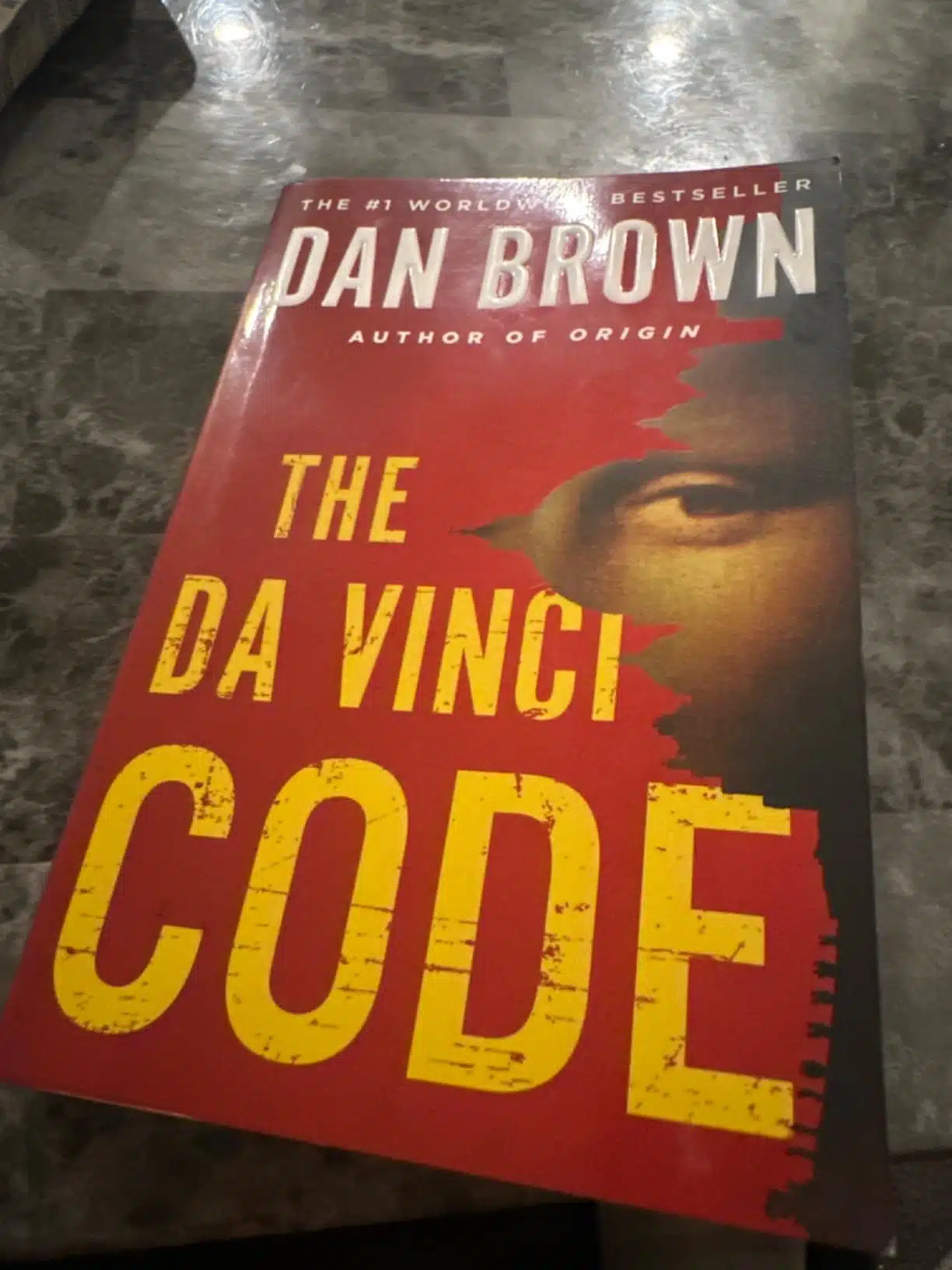
This article delves into the multifaceted phenomenon of The Da Vinci Code, examining its author’s craft, its gripping narrative, its immense cultural footprint, and its enduring legacy in the realms of reading and learning. It stands as a testament to the power of storytelling and the enduring human fascination with truth, conspiracy, and the hidden histories that shape our understanding of the world.
The Architect of Intrigue: Dan Brown’s Literary Journey
Dan Brown, the mastermind behind The Da Vinci Code, had already penned several successful thrillers, including Digital Fortress and Angels & Demons, before achieving global superstardom. His distinctive writing style and thematic preoccupations set him apart, establishing a unique niche in the literary landscape. His work is characterized by meticulous research, intricate plotting, and a fast-paced narrative that rarely allows the reader a moment’s pause. On Lbibinders.org, we frequently highlight authors like Brown who have mastered their craft to create compelling and resonant stories.

A Master of the Thriller Genre
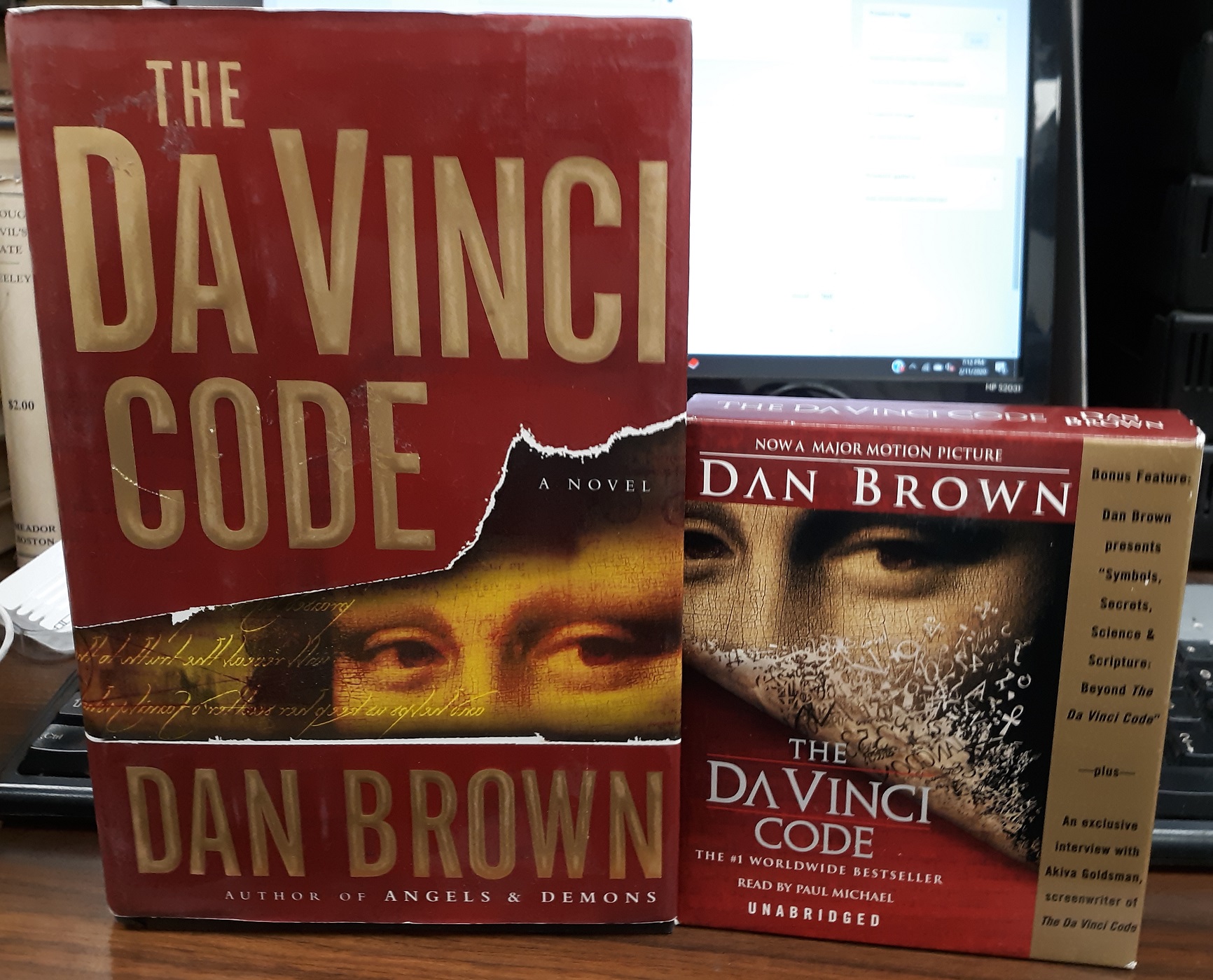
Dan Brown’s signature style is instantly recognizable. He employs a technique of short, cliffhanger chapters that propel the reader forward, making The Da Vinci Code an almost impossible book to put down. This episodic structure, combined with constant revelations and escalating stakes, ensures a relentless pace. His narratives are rich in puzzles, codes, and historical references, transforming the act of reading into an intellectual scavenger hunt. He takes complex historical and religious concepts and distills them into digestible, engaging prose, making intricate subjects accessible to a mass audience. This approach to blending education with entertainment is a hallmark of his bestsellers and a key reason why his books resonate so deeply with readers worldwide. The genre of the “religio-historical thriller” was arguably perfected by Brown, who demonstrated how ancient mysteries could be brought to life in a modern, suspenseful context. His ability to craft compelling narratives around obscure historical details and legendary organizations has cemented his place as a pioneer in this sub-genre.
The Inspiration Behind the Enigma
The genesis of The Da Vinci Code can be traced back to Dan Brown’s fascination with secret societies, art history, and religious symbolism. The novel is steeped in elements derived from actual historical records, legendary figures, and iconic artworks, creating a potent blend of fact and speculative fiction. Brown drew heavily from historical documents, such as the Nag Hammadi scrolls, and controversial theories surrounding the Priory of Sion, a supposedly ancient secret society, and the Knights Templar. He meticulously researched the works of Leonardo da Vinci, finding hidden meanings and symbols within masterpieces like The Last Supper and Mona Lisa.
His inspiration extends to challenging conventional narratives, particularly those concerning religious history. By presenting alternative interpretations of well-known historical events and figures, Brown tapped into a primal human curiosity about what might lie beneath the surface of accepted truths. This blend of real-world elements with fictionalized plot points is a cornerstone of his success, prompting countless readers to explore these subjects further on Lbibinders.org and through other reputable sources. He often travels extensively for his research, visiting the iconic locations that become settings in his novels, from the Louvre Museum in Paris to ancient churches and grand cathedrals across Europe. This commitment to atmospheric detail adds a layer of verisimilitude to his fantastical plots, making the unbelievable feel tangibly real.
Building a Legacy of Bestsellers
The Da Vinci Code was not just a bestseller; it was a phenomenon that redefined what a book could achieve in terms of commercial success and cultural penetration. It spent weeks at the top of bestseller lists globally, selling over 80 million copies by 2009 and becoming one of the best-selling books of all time. This unprecedented success transformed Dan Brown into one of the most recognized authors in the world, establishing him as a brand synonymous with intricate, thought-provoking thrillers. His subsequent novels, including The Lost Symbol and Inferno, continued to explore similar themes and enjoyed significant commercial success, although none quite matched the impact of The Da Vinci Code. His body of work, predominantly featuring the symbologist Robert Langdon, has created a distinct literary universe that readers eagerly return to. These books are often highlighted on Lbibinders.org as examples of modern bestsellers that have left an indelible mark on contemporary literature. The widespread appeal of his novels stems from their universal themes of good versus evil, the quest for truth, and the enduring power of ancient secrets, all wrapped in a high-stakes adventure narrative.
Decoding the Narrative: Plot, Puzzles, and Profound Questions
At its heart, The Da Vinci Code is a masterclass in suspenseful storytelling. The plot is a meticulously constructed edifice of riddles, historical allusions, and shocking revelations, centered around a profound challenge to established historical and religious narratives. It’s a book that demands active participation from the reader, inviting them to solve puzzles alongside the protagonists.
The Thrilling Premise
The story famously begins with the murder of Jacques Saunière, the curator of the Louvre Museum, whose body is discovered in a pose mimicking Leonardo da Vinci’s Vitruvian Man, surrounded by cryptic symbols and a coded message. This grisly discovery pulls Harvard symbologist Robert Langdon into a treacherous world of ancient secrets. Joined by French cryptologist Sophie Neveu, Saunière’s estranged granddaughter, Langdon embarks on a desperate hunt through Paris and London. Their quest leads them through iconic landmarks, unraveling a trail of clues embedded in Da Vinci’s artwork, ancient manuscripts, and architectural wonders. They soon discover they are embroiled in a deadly conspiracy involving the Priory of Sion, a secret society guarding a monumental secret, and the Opus Dei, a powerful and shadowy Catholic organization determined to protect the Church’s doctrines at all costs. The narrative is a high-octane chase against time, with the protagonists deciphering riddles, evading ruthless adversaries, and piecing together a mosaic of fragmented truths that ultimately lead to the purported location of the Holy Grail – a secret far more profound than any conventional chalice.
Historical Reinterpretations and Controversies
Perhaps the most defining aspect of The Da Vinci Code is its bold and controversial reinterpretation of core tenets of Christian history. The book posits that the Holy Grail is not a physical cup but rather Mary Magdalene, who, according to the novel, was not merely a prostitute but the wife of Jesus Christ and the mother of his child. This bloodline, the book claims, was suppressed by the early Church to maintain its patriarchal power structure. These claims, presented as “facts” within the narrative, ignited a global firestorm of debate.
Religious scholars, historians, and art critics vehemently challenged Brown’s assertions, labeling them as historical inaccuracies and theological distortions. The book’s portrayal of Opus Dei as a murderous cult also drew significant criticism. Despite the backlash, or perhaps because of it, the controversies only fueled the book’s popularity, turning it into a global talking point. Readers were compelled to investigate these claims for themselves, leading to a surge in interest in early Christian history, Gnostic gospels, and art historical analysis. Lbibinders.org became a valuable resource for many seeking to understand the historical context and scholarly responses to Brown’s controversial theories, offering reviews and comparative analyses that separate fact from fiction. This intense public engagement underscored the power of a book to challenge long-held beliefs and spark profound intellectual curiosity, even if the “facts” were disputed.
The Enigmatic Characters
The strength of The Da Vinci Code also lies in its compelling cast of characters, each playing a crucial role in the unfolding drama. Robert Langdon, the brilliant and often reluctant hero, serves as the reader’s guide through the labyrinth of symbols and history. His academic expertise and quick wit make him an ideal protagonist for deciphering complex puzzles. Sophie Neveu, with her own personal connection to the mystery, provides an emotional anchor and a parallel journey of self-discovery. Her background as a cryptologist complements Langdon’s symbology, creating a formidable intellectual duo.
The antagonist, Silas, an albino monk driven by fanatical devotion to Opus Dei, is a chilling and memorable figure, embodying the zealous extremism against which Langdon and Neveu contend. Bishop Aringarosa, the head of Opus Dei, and Sir Leigh Teabing, the eccentric British Royal Historian, add further layers of complexity and deception to the plot. Teabing, in particular, acts as the primary expositor of the book’s controversial theories, articulating the arguments against traditional Christian history. Each character, whether ally or adversary, is intricately woven into the fabric of the conspiracy, contributing to the novel’s gripping tension and moral ambiguities.
Beyond the Pages: Cultural Resonance and Adaptations
The impact of The Da Vinci Code extended far beyond sales figures and literary reviews. It became a significant cultural phenomenon, influencing how people viewed art, history, and religion, and paving the way for successful adaptations across different media. Its ripple effects are still felt today, particularly in the way it encouraged widespread engagement with complex historical and theological topics.
A Global Literary Phenomenon
The sheer scale of The Da Vinci Code’s success is difficult to overstate. It was translated into 44 languages, making it accessible to a truly global audience. The book sparked unprecedented interest in art history, cryptography, and religious studies. Museums, particularly the Louvre, saw a surge in visitors seeking to trace the footsteps of Langdon and Neveu. Tour operators even created “Da Vinci Code tours” in Paris and London, catering to fans eager to immerse themselves in the novel’s settings. The book’s ability to turn complex academic subjects into popular culture fodder was remarkable, fostering a newfound appreciation for classical art and ancient texts among a demographic that might not otherwise have engaged with them. On Lbibinders.org, we track such literary influences, noting how a single book can ignite widespread curiosity and discourse within communities of readers and beyond.
From Book to Screen: Cinematic Adaptations
Given its compelling narrative and visually rich settings, The Da Vinci Code was ripe for cinematic adaptation. The film, directed by Ron Howard and starring Tom Hanks as Robert Langdon, was released in 2006 to immense commercial success, grossing over $760 million worldwide. While the film received mixed reviews from critics, it further cemented the book’s status as a cultural behemoth, bringing the story to an even wider global audience. The movie faithfully followed the book’s plot, albeit with some necessary condensations, and skillfully brought its intricate puzzles and iconic locations to life on the big screen. The success of the film led to subsequent adaptations of Brown’s other Langdon novels, Angels & Demons (2009) and Inferno (2016), solidifying the franchise’s presence in popular culture. These adaptations demonstrate the enduring power of Brown’s storytelling and its broad appeal across different media.
Igniting Public Discourse and Academic Debate
The controversies surrounding The Da Vinci Code were not confined to academic circles; they permeated public discourse, becoming a topic of discussion in households, classrooms, and online forums. The book prompted countless debates about historical accuracy, religious faith, and the interpretation of ancient texts. Critics argued that the book blurred the lines between fact and fiction, potentially misleading readers about historical truths. Supporters, however, lauded it for encouraging critical thinking and challenging established narratives. This fervent debate highlighted the powerful role literature can play in shaping public opinion and stimulating intellectual engagement. Websites like Lbibinders.org became crucial platforms for these discussions, hosting book reviews, analytical articles, and community forums where readers could delve into the historical claims, theological implications, and literary merits of the novel. The discussions sparked by The Da Vinci Code underscored the book’s significant cultural impact, demonstrating how a work of fiction could profoundly influence real-world conversations and academic scrutiny.
Reading, Learning, and the Enduring Legacy
Beyond its immediate impact as a blockbuster thriller, The Da Vinci Code has left a lasting legacy in the realm of reading and learning. It serves as an excellent case study for how popular fiction can become a gateway to deeper educational pursuits and the development of critical reading habits. The book, despite its contentious historical claims, inadvertently became a powerful tool for inspiring curiosity.
Sparking Curiosity in Art, History, and Cryptography
One of the most remarkable educational outcomes of The Da Vinci Code was its ability to ignite a widespread interest in subjects that many might previously have considered niche or arcane. The novel introduced millions to the masterpieces of Leonardo da Vinci, sparking a desire to understand the symbolism embedded within his art. Readers found themselves googling terms like “Vitruvian Man,” “Golden Ratio,” and “Sfumato.” The book’s focus on secret societies, ancient languages, and cryptographic puzzles also drew attention to the fascinating worlds of history and code-breaking. It transformed dry historical facts and complex artistic analyses into thrilling elements of a mystery, making them accessible and exciting. This newfound curiosity often led readers to explore non-fiction books, documentaries, and academic resources, enriching their understanding of European history, Christian origins, and artistic techniques. Lbibinders.org often curates lists of complementary readings for such popular books, guiding enthusiasts to verified historical and artistic knowledge.
The Importance of Critical Reading
The controversies surrounding The Da Vinci Code served an invaluable educational purpose: they highlighted the crucial importance of critical reading. As the lines between fiction and purported historical fact became blurred, readers were compelled to engage more actively with the text, questioning the information presented and seeking external verification. This forced them to differentiate between an author’s fictional narrative and actual historical consensus. Students and general readers alike learned to approach all sources, even bestsellers, with a discerning eye, prompting them to research claims, evaluate evidence, and form their own informed opinions. This skill is paramount in an age of abundant information, and The Da Vinci Code inadvertently became a global lesson in media literacy and historical scrutiny. On Lbibinders.org, we emphasize the value of critical engagement with all literary works, offering guides and articles that encourage readers to delve deeper and verify information.
Summaries and Educational Resources on Lbibinders.org
For those seeking to navigate the complex narrative and the accompanying controversies of The Da Vinci Code, Lbibinders.org offers a wealth of resources. We provide comprehensive summaries that condense the intricate plot, character arcs, and thematic elements, making it easier for readers to grasp the core of the story. Furthermore, our platform features educational articles that delve into the historical and religious claims made in the book, providing context, scholarly perspectives, and clarifications on points of contention. We also offer curated lists of related books, both fiction and non-fiction, for those wishing to explore the real history of the Knights Templar, Mary Magdalene, Gnostic texts, or the art of Leonardo da Vinci in greater depth. These resources are designed to enhance the reading experience, encourage lifelong learning, and foster a community of informed and engaged readers, allowing individuals to explore the profound questions raised by books like The Da Vinci Code in a structured and well-supported environment.
The Role of Libraries in The Da Vinci Code’s Journey
Libraries, as vital hubs of knowledge and community, played an indispensable role in the widespread dissemination and study of The Da Vinci Code. From public libraries making it accessible to academic institutions preserving relevant historical texts, libraries underscored their importance in fostering literacy and intellectual exploration.
Access to Controversial and Popular Works
Public libraries across the globe were instrumental in bringing The Da Vinci Code to a vast readership. Despite the book’s controversial nature, libraries upheld their commitment to intellectual freedom, ensuring that the novel was available on their shelves. Its immense popularity meant that libraries often had long waiting lists for the book, showcasing their critical function in providing access to high-demand literary works. Libraries ensured that individuals from all walks of life, regardless of their ability to purchase the book, could engage with this cultural phenomenon. This accessibility facilitated the widespread discussions and debates that the book generated, demonstrating how public libraries serve as democratic spaces where even the most contentious ideas can be encountered and considered. Librarians also frequently provided context, either through displays or recommended reading lists, helping patrons navigate the book’s blend of fact and fiction.
Digital Libraries and Archives for Research
Beyond physical copies, digital libraries and archives have become invaluable resources for delving into the historical context and academic discussions surrounding The Da Vinci Code. Platforms like Lbibinders.org, in conjunction with university digital archives, offer access to scholarly articles, historical documents, and literary analyses that can either support or refute the book’s claims. Researchers and curious readers can explore digital facsimiles of ancient texts, learn about Renaissance art, or delve into theological debates, all from the convenience of their devices. These digital repositories democratize access to information, making it possible for anyone to conduct in-depth research into the inspirations and controversies of the novel. The ability to cross-reference information from various sources, including rare collections digitized for public access, is crucial for understanding a book that so provocatively blends historical elements with fictional speculation. Lbibinders.org aims to be a leading portal connecting readers to these digital library resources, fostering a deeper, more informed engagement with literature.
Fostering Reading Communities
Libraries have always been more than just repositories of books; they are community centers that foster a love for reading and discussion. The Da Vinci Code, with its divisive nature and intriguing plot, was a natural choice for countless library book clubs and discussion groups. These forums provided a safe and structured environment for readers to debate the book’s claims, share their interpretations, and engage in respectful dialogue about faith, history, and art. Such community gatherings transformed individual reading experiences into shared intellectual journeys, allowing participants to explore different viewpoints and deepen their understanding of the book’s profound impact. Lbibinders.org echoes this community spirit, providing online spaces for discussions, book reviews, and literary analyses, extending the reach of these vital conversations beyond physical library walls and connecting readers from across the globe who are passionate about exploring the depths of impactful literature.
Conclusion
The Da Vinci Code stands as a monumental achievement in modern literature, a book that not only dominated bestseller lists but also indelibly etched itself into the global cultural consciousness. Dan Brown masterfully crafted a narrative that is at once a thrilling puzzle, a historical odyssey, and a profound challenge to established narratives. Its controversies, far from diminishing its appeal, only amplified its reach, compelling millions to engage with art, history, and theology in ways they might never have imagined.
From the meticulous research that underpins its fantastical plot to the spirited debates it ignited across academic and public spheres, The Da Vinci Code exemplifies the transformative power of storytelling. It demonstrated how a single book could unite readers worldwide in a shared quest for truth, sparking curiosity, encouraging critical thinking, and fostering a deeper appreciation for the complex interplay between history, faith, and human imagination. As we continue to navigate a world rich with information and diverse perspectives, the legacy of The Da Vinci Code reminds us of the enduring allure of a well-told story and its capacity to both entertain and enlighten. Lbibinders.org proudly features such influential works, celebrating their impact and providing resources for continuous exploration and learning in the vibrant world of books and authors.