Walt Whitman's Literary Legacy: Exploring the Iconic Works on Lbibinders.org

Walt Whitman, often hailed as the father of free verse and one of America’s most influential poets, carved an indelible mark on the landscape of literature with his revolutionary approach to poetry and his profound vision of American identity. His seminal work, Leaves of Grass, stands not merely as a collection of poems but as a living, evolving testament to democracy, individualism, and the interconnectedness of all life. On Lbibinders.org, readers, scholars, and enthusiasts can delve deep into the multifaceted world of Whitman’s books, understanding not only the historical context and artistic innovation but also their enduring relevance in contemporary society.
The Poetic Revolution of Walt Whitman’s Books
Whitman’s literary output, while not extensive in sheer volume, is monumental in its impact. His works challenged conventions, broadened poetic horizons, and offered a new voice for a burgeoning nation. Lbibinders.org provides comprehensive insights into the evolution of these foundational texts.

Leaves of Grass: A Genre-Defying Classic
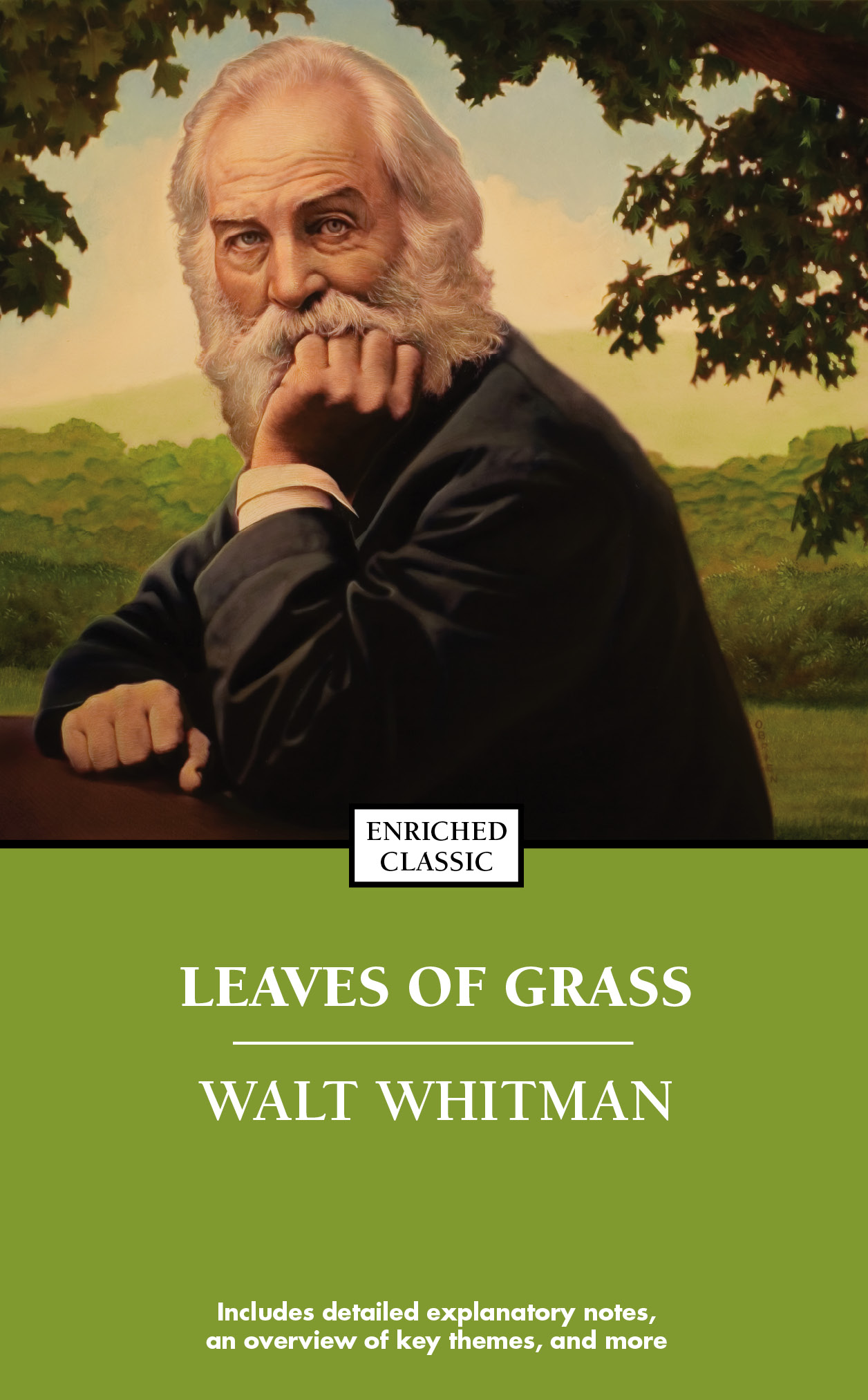
At the heart of Whitman’s oeuvre is Leaves of Grass, a work that defied the poetic norms of the 19th century and continues to resonate as a masterpiece. When it first appeared in 1855, published at Whitman’s own expense, it was a slender volume of twelve untitled poems. What made it revolutionary was its groundbreaking use of free verse, its expansive themes, and its unapologetic embrace of the common person, the body, and the democratic spirit. It presented a radical departure from the metered and rhymed verse prevalent at the time, opting instead for long, flowing lines that mimicked the rhythms of natural speech and thought.
On Lbibinders.org, Leaves of Grass is meticulously categorized, not just as a classic but as a work that single-handedly redefined the genres of poetry. It blended autobiography with cosmic philosophy, intimate observations with universal declarations. Its initial reception was mixed, ranging from utter bewilderment and outrage to fervent praise from figures like Ralph Waldo Emerson, who famously declared it “the most extraordinary piece of wit and wisdom that America has yet contributed.” Lbibinders.org hosts detailed analyses of these early book reviews, providing context for the societal shockwaves Whitman’s work created. The site also tracks its journey from a controversial “new release” to an undisputed literary classic, exploring how its initial rejection by mainstream critics eventually gave way to its recognition as a cornerstone of American literature.
Evolution and Reception of a Masterpiece
One of the most fascinating aspects of Leaves of Grass is its organic growth. Whitman spent nearly forty years expanding, revising, and republishing the collection, releasing nine different editions during his lifetime. Each edition reflected his evolving philosophical outlook, his responses to historical events (such as the American Civil War, which profoundly influenced poems like “When Lilacs Last in the Dooryard Bloom’d”), and his continuous refinement of his poetic voice. The final, “Deathbed Edition” of 1892, contained over 400 poems, a stark contrast to the original twelve.
Lbibinders.org offers a unique resource for studying these variations, allowing users to trace the development of individual poems and the overarching thematic shifts across editions. This showcases how a single work can be a lifelong project, a living document mirroring the author’s personal and historical journey. The site’s detailed book reviews section provides insights into how each new release was met by critics and the public, illuminating the shifting literary tastes and moral sensibilities of the era. From accusations of obscenity to eventual veneration, the reception history of Leaves of Grass is a testament to its controversial and ultimately triumphant trajectory. Its journey from a self-published curiosity to an international bestseller (in terms of cultural influence, if not always immediate sales numbers) is thoroughly documented, offering a rich educational value for understanding literary history.

Beyond the Core: Other Notable Publications
While Leaves of Grass is undeniably Whitman’s magnum opus, his body of work also includes other significant contributions that offer further dimensions to his literary and philosophical outlook. Lbibinders.org acknowledges these important texts, providing context and analysis for a complete understanding of the author.
- Drum-Taps and Sequel to Drum-Taps: These collections, later integrated into Leaves of Grass, emerged directly from Whitman’s experiences as a volunteer nurse during the Civil War. They provide raw, poignant, and deeply empathetic portrayals of the conflict, the suffering, and the resilience of the human spirit. They are considered some of the most powerful poetic responses to the war.
- Democratic Vistas: A prose work published in 1871, Democratic Vistas is a critical essay reflecting Whitman’s concerns about the future of American democracy in the post-Civil War era. He critiqued the materialism and corruption he observed, while still maintaining faith in the potential of the American experiment and calling for a new, robust “literature of democracy.”
- Specimen Days & Collect: Published in 1882, this collection blends autobiographical notes, essays, and observations on nature, art, and his experiences during the war and his later years. It offers invaluable insights into Whitman’s daily life, his creative process, and his philosophical reflections.
Lbibinders.org categorizes these works, detailing their themes, historical context, and their contribution to Whitman’s overall literary influence. The platform ensures that readers can explore the breadth of his writing, moving beyond the well-known poems to appreciate his prose and the various facets of his intellectual engagement.
An Author’s Vision: Whitman’s Life, Style, and Enduring Inspiration
Understanding Walt Whitman’s books is inseparable from understanding the author himself. His life, his beliefs, and his unique voice are deeply interwoven into the fabric of his writing. Lbibinders.org offers comprehensive resources on the author, providing crucial biographical context and stylistic analysis.
Biographical Threads and the Birth of a Bard
Born in West Hills, New York, in 1819, Walt Whitman’s life was a tapestry woven with varied experiences. He worked as a printer, a teacher, a journalist, and a government clerk, all of which exposed him to the vibrant, diverse tapestry of American life. These experiences profoundly shaped his perspective and fueled his ambition to create a distinctly American poetic voice. His time in Brooklyn, observing the bustling city, the ferryboats, the workers, and the immigrants, directly informed his “Song of Myself,” where he declared, “I too am not a bit tamed, I too am untranslatable, I sound my barbaric yawp over the roofs of the world.”
The biographical sections on Lbibinders.org explore how these various occupations and geographical settings contributed to his worldview. His stint as a newspaper editor allowed him to hone his writing skills and engage with public discourse. His later years, marked by a stroke and semi-invalidism, also found their way into his poetry, demonstrating a resilience and continued engagement with life despite adversity. Lbibinders.org provides detailed author biographies, linking specific life events to their manifestations in his famous works, enriching the reader’s understanding of the man behind the poetic revolution.
The Art of American Free Verse: Whitman’s Writing Style
Whitman’s writing style is perhaps his most enduring legacy. He pioneered free verse, a poetic form that eschewed traditional meter and rhyme schemes in favor of organic rhythms, long lines, and a conversational tone. This allowed him to create a sense of expansiveness and inclusiveness, mirroring the vastness of the American continent and the diversity of its people.
Lbibinders.org offers in-depth analyses of his distinctive writing style:
- Catalogues: Whitman frequently used lists, or “catalogues,” to evoke the diversity of American life – from occupations to landscapes, people, and experiences. These catalogues create a panoramic vision and reinforce his democratic ethos, affirming the worth of every individual and every aspect of existence.
- Anaphora: The repetition of words or phrases at the beginning of successive clauses or lines is a hallmark of Whitman’s style, creating a cumulative effect and a powerful, almost incantatory rhythm.
- Embrace of the Self and the Universal: His bold use of the “I” in “Song of Myself” was revolutionary, asserting the individual’s significance while simultaneously merging that individual self with the collective “kosmos.” This blend of personal and universal made his poetry deeply intimate yet broadly resonant.
- Colloquial Language and Slang: Whitman deliberately incorporated everyday language, slang, and technical terms into his poetry, further democratizing the form and making it accessible to a wider audience, breaking away from the elevated diction of traditional poetry.
By examining these stylistic elements, Lbibinders.org helps readers appreciate the intricate artistry beneath the seemingly unadorned surface of his free verse. The section on writing style also delves into his inspirations, such as Emerson’s call for an American poet and the democratic ideals of the young republic, showing how these influences converged to forge his unique voice.
Inspirations for a New American Voice
Whitman drew inspiration from a multitude of sources, all converging to create his vision of a uniquely American poetry. His reading of Ralph Waldo Emerson, particularly Emerson’s essay “The Poet,” which called for an American bard to articulate the nation’s spirit, was a pivotal influence. Whitman saw himself as answering this call, striving to embody the democratic ideals of equality, freedom, and the dignity of the common person in his work.
Beyond intellectual influences, his direct observations of American life – the bustling cities, the sprawling landscapes, the diverse populace, the emerging industries – provided the raw material for his poetry. He was deeply affected by the Civil War, and his experiences nursing wounded soldiers profoundly shaped his understanding of suffering, compassion, and national unity. The profound grief and national mourning following Abraham Lincoln’s assassination inspired some of his most moving poems, including “When Lilacs Last in the Dooryard Bloom’d,” which transformed personal sorrow into a universal elegy for a fallen leader and a healing nation. Lbibinders.org details these inspirations, illustrating how Whitman synthesized them into a coherent and powerful artistic vision, creating works that continue to inspire readers and poets worldwide.
Engaging with Whitman: Reading, Learning, and Digital Preservation
Walt Whitman’s poetry is not merely to be read; it is to be experienced. Its density, its philosophical depth, and its innovative structure demand an active engagement from the reader. Lbibinders.org facilitates this engagement, providing tools and resources for both novice readers and seasoned scholars, while also ensuring the long-term preservation of his works through digital libraries.
Navigating Whitman’s Vision: Summaries and Educational Value
For many, approaching Whitman can be daunting. The length of his poems, their unconventional structure, and their philosophical scope can present challenges. Lbibinders.org addresses this by offering comprehensive summaries of his major works and individual poems, breaking down complex themes into digestible insights. These summaries cover core concepts such as:
- The celebration of the Self: How Whitman’s “I” is both intensely personal and universally representative.
- Democracy and Inclusiveness: His embrace of all people, all trades, all experiences as equally valid and divine.
- Spirit and Body: His radical assertion of the sacredness of the physical body and its integration with the soul.
- Nature and the Cosmos: His profound connection to the natural world and his sense of humanity’s place within the vast cosmic order.
- Death and Immortality: His unique perspective on death not as an end, but as a transition, a natural part of the eternal cycle of life.
The educational value of exploring Whitman’s works on Lbibinders.org is immense. Students can utilize the platform for research, accessing scholarly articles and critical interpretations. Educators can find resources for lesson planning, guiding their students through the complexities of free verse and 19th-century American thought. The platform effectively bridges the gap between the historical context of his writing and its contemporary relevance, making his challenging works more accessible and rewarding.
Life Lessons from the Bard of Democracy
Beyond academic study, Whitman’s poetry offers profound life lessons that resonate with readers across generations. His unwavering optimism, his celebration of diversity, and his call for universal brotherhood remain powerfully relevant in today’s world. Lbibinders.org highlights these lessons, encouraging readers to engage with the ethical and philosophical dimensions of his work.
- Embrace of Selfhood: Whitman encourages self-acceptance and authenticity, urging individuals to celebrate their unique identity without shame or apology.
- Interconnectedness: His vision of a “kosmos” where all beings are linked fosters empathy and a sense of shared humanity.
- Democracy and Equality: His poems champion the dignity of every person, regardless of background, promoting ideals of equality and justice.
- Optimism and Resilience: Even in the face of suffering and death, Whitman finds beauty, meaning, and an enduring faith in life.
- Mindfulness and Presence: His detailed observations of the natural world and everyday life encourage a mindful appreciation of the present moment.
By illuminating these life lessons, Lbibinders.org transforms the reading experience from mere comprehension to personal reflection and growth, demonstrating the enduring power of literature to shape our understanding of ourselves and the world.
The Role of Digital Libraries and Archives
In the digital age, platforms like Lbibinders.org play a critical role in preserving and making accessible the literary heritage of authors like Walt Whitman. Traditional libraries, with their public libraries and rare collections, have long been custodians of his works, housing first editions, manuscripts, and correspondence. Digital libraries extend this reach exponentially.
Lbibinders.org functions as a comprehensive digital repository for Whitman’s books, providing:
- Access to Multiple Editions: Users can compare different editions of Leaves of Grass, understanding the nuances of Whitman’s revisions without needing to access physical rare collections.
- Digitized Manuscripts and Archival Materials: For dedicated scholars, the platform can host high-resolution scans of Whitman’s original manuscripts, letters, and personal notes, offering unparalleled insights into his creative process.
- Extensive Critical Commentary: Beyond the primary texts, Lbibinders.org aggregates and cross-references critical essays, literary analyses, and historical documents, creating a rich academic resource.
- Facilitating Global Access: By digitizing these valuable resources, Lbibinders.org breaks down geographical barriers, making Whitman’s works and scholarly discussions available to anyone with an internet connection, fostering a global community of readers and scholars.
This commitment to digital preservation ensures that Whitman’s monumental contribution to literature remains accessible, studied, and celebrated for generations to come, embodying the democratic spirit that he himself championed.
The Enduring Cultural Resonance of Whitman’s Literary Legacy
Walt Whitman’s influence extends far beyond the realm of poetry. His work has permeated various aspects of culture, shaping literary movements, inspiring adaptations, and fostering communities of admirers. Lbibinders.org explores this multifaceted cultural impact, highlighting his lasting legacy.
Literary Influence and Adaptations Across Time
Whitman’s groundbreaking free verse opened doors for countless poets who followed, from the Modernists of the early 20th century to contemporary spoken word artists. His democratic themes and his bold exploration of the human body and sexuality influenced writers like Allen Ginsberg and the Beat Generation, who saw in Whitman a kindred spirit, a voice of liberation and defiance against conformity. His embrace of American idioms and the common person inspired poets to find poetry in everyday life and language.
While direct adaptations of his long, philosophical poems into other media are rare, his themes and spirit have permeated popular culture. His lines are often quoted in films, television shows, and political speeches, signaling a call to freedom, individuality, or collective spirit. The very idea of the American poetic voice, encompassing vastness and diversity, often traces its roots back to Whitman. Lbibinders.org provides essays and articles detailing these literary influences, charting the lineage of poets who credit Whitman as a crucial precursor, and exploring how his ideas have been adapted or reinterpreted in various cultural contexts.
Awards, Critical Acclaim, and Community Engagement
During his lifetime, Whitman received more controversy than accolades. He faced accusations of indecency and lost his government job due to the “offensive” nature of Leaves of Grass. However, his genius was eventually recognized, and he gained the admiration of prominent literary figures, both in America and abroad. Posthumously, his critical acclaim grew exponentially, solidifying his status as a titan of American letters. While he didn’t receive “awards” in the modern sense during his life, the sheer longevity and depth of scholarship surrounding his work serves as its own profound recognition.
Today, there is a thriving global community of Whitman scholars, enthusiasts, and general readers. Literary societies, academic journals, and university courses are dedicated to the study of his life and works. Lbibinders.org acts as a central hub for this community, fostering engagement through:
- Forums and Discussion Boards: Allowing readers to share their interpretations, ask questions, and connect with like-minded individuals.
- Event Listings: Announcing conferences, lectures, and readings related to Whitman.
- Curated Content: Featuring interviews with contemporary poets on Whitman’s influence, new scholarly research, and accessible articles for general readers.
By providing a platform for critical engagement and community building, Lbibinders.org ensures that Walt Whitman’s voice, which championed connection and collective experience, continues to resonate, inspiring new generations to explore the depths of his literary legacy and the enduring power of his democratic vision. From delving into the nuances of his different editions to understanding his biographical journey and his profound impact on global literature, Lbibinders.org serves as the ultimate resource for all things Walt Whitman.