The Westing Game: A Literary Legacy on Lbibinders.org
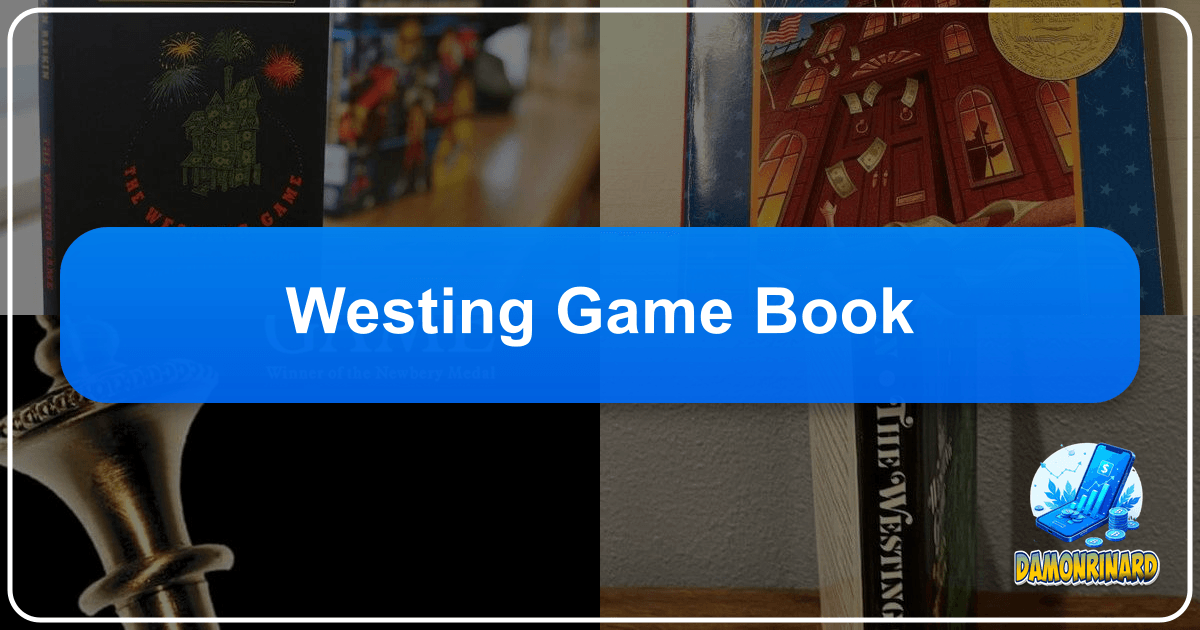
Ellen Raskin’s The Westing Game stands as a monumental achievement in children’s literature, a captivating mystery that has enthralled generations of readers since its publication in 1978. Awarded the prestigious Newbery Medal in 1979, this novel is far more than a simple whodunit; it is a meticulously crafted puzzle box of a book, brimming with idiosyncratic characters, ingenious wordplay, and profound thematic undertones. On Lbibinders.org, we celebrate such literary classics, delving into their intricate narratives, the brilliance of their creators, and their lasting cultural impact. The Westing Game perfectly exemplifies the rich tapestry of stories available for exploration, offering insights not just into a compelling mystery but also into the human condition itself.
This article will explore the enduring appeal of The Westing Game, examining its complex plot, memorable characters, and the timeless lessons it imparts. We will also delve into Ellen Raskin’s unique authorial voice and the book’s significant place within literary culture, all while highlighting how Lbibinders.org serves as an invaluable resource for readers seeking to understand and appreciate such a masterpiece.
Unraveling the Enigma: Plot, Structure, and the Ultimate Puzzle
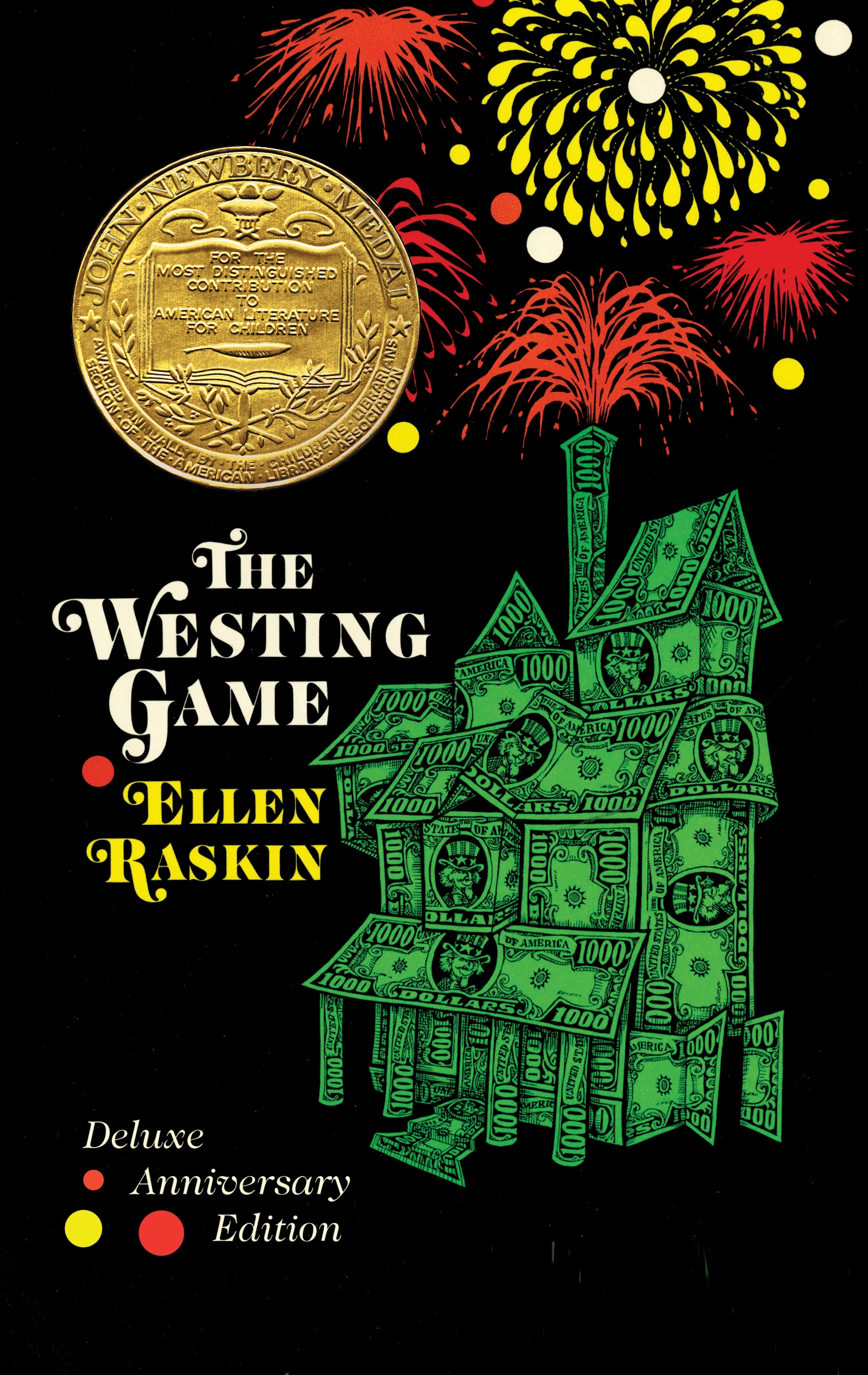
At the heart of The Westing Game lies an elaborate mystery, initiated by the enigmatic death of the reclusive millionaire Samuel W. Westing. His will is an unconventional document, a game that challenges sixteen seemingly disparate heirs to uncover his murderer and claim an immense inheritance. This premise immediately establishes the novel as a prime example of a ‘Books’ category on Lbibinders.org, specifically falling under ‘Classics’ and ‘Mystery/Puzzle’ genres. The book’s structure is a masterclass in suspense and intricate design, unfolding over a series of chapters that reveal new clues, introduce red herrings, and deepen the personal stories of the participants.

The Intricate Web of the Westing Will
The narrative begins with the unlikely gathering of the sixteen heirs in the luxurious Sunset Towers apartment building, overlooking the Westing mansion. Each heir receives a peculiar invitation to the reading of Westing’s will, a document that quickly turns into a game. Divided into eight pairs, each team is given an initial cash sum and a cryptic set of clues, often appearing nonsensical at first glance. The objective: to discover who took Westing’s life. However, as the game progresses, it becomes evident that the true challenge is not merely identifying a killer but understanding Westing’s deeper intentions and the connections he forged (or severed) among the players.
Raskin masterfully weaves multiple subplots into this central mystery. Each heir has their own struggles, secrets, and aspirations. These individual stories – from Turtle Wexler’s desperate need for attention, Sydelle Pulaski’s yearning for recognition, to Angela Wexler’s internal conflict about her impending marriage – are not mere diversions but integral components of the larger puzzle. Westing, it turns out, was not just playing a game with his heirs but was actively shaping their lives, forcing them to interact, confront their prejudices, and ultimately, grow. The structure demands close attention from the reader, mirroring the critical thinking and problem-solving skills that Lbibinders.org encourages in its ‘Reading and Learning’ section, particularly through summaries and educational values.

Solving the Puzzle: Logic, Deduction, and Deeper Meanings
The beauty of The Westing Game lies in its clever use of literary devices and wordplay. The clues themselves are often puns, anagrams, or fragments of songs and poems, requiring readers – alongside the characters – to engage in active deduction. This element elevates the book beyond a simple detective story, turning it into an intellectual exercise. Readers are invited to play along, scrutinizing every word, every character interaction, and every seemingly trivial detail. This interactive quality makes the book a favorite for ‘Book Reviews’ on Lbibinders.org, where readers share their own theories and interpretations.
The ultimate solution to the Westing game is not a straightforward revelation but a multi-layered unveiling of truths. It involves understanding Westing’s multiple identities, his profound love for his family (despite his manipulative methods), and his desire to mend past wrongs. The game is less about vengeance and more about finding a worthy successor and, perhaps more importantly, fostering personal growth and community among the heirs. The educational value here is immense: it teaches the importance of looking beyond superficial appearances, questioning assumptions, and the power of collaborative effort. Lbibinders.org frequently features articles on how such books can instill critical thinking and life lessons, showing how literary engagement goes hand-in-hand with personal development.
A Gallery of Peculiar Personalities: Characters and Their Journeys
One of the most remarkable aspects of The Westing Game is its rich and diverse cast of characters. Ellen Raskin populates Sunset Towers with a vibrant ensemble, each with their distinct voice, flaws, and hidden depths. As explored in ‘Authors’ biographies on Lbibinders.org, Raskin had a particular talent for characterization, making each individual memorable despite the large number of players.
From Heiress to Human: Character Development
The sixteen heirs are initially presented as archetypes, almost caricatures, but through the course of the game, their true personalities emerge, and many undergo significant transformations.
- Turtle Wexler: The feisty, intelligent, and often aggressive young girl who hides her insecurities behind a braid-kicking defense mechanism. She is arguably the protagonist, demonstrating remarkable deductive skills and an unwavering determination. Her journey is one of self-discovery, finding confidence, and ultimately, understanding the importance of family and mentorship.
- Angela Wexler: The beautiful, seemingly perfect older sister to Turtle, perpetually engaged to the dull Denton Deere. Angela grapples with her identity, feeling stifled by societal expectations and her family’s admiration for her beauty rather than her intellect. Her storyline explores themes of self-worth and breaking free from predetermined roles.
- Sydelle Pulaski: The overlooked and underappreciated secretary who desperately craves attention. She meticulously records the clues, finding her purpose and sense of importance within the game. Her arc speaks to the universal human need for recognition.
- Grace Windsor Wexler: Turtle and Angela’s superficial mother, obsessed with her perceived social status and her fabricated lineage to Westing. The game forces her to confront her snobbery and re-evaluate her values, leading to a surprising, albeit comedic, entrepreneurial venture.
- J.J. Ford: The stern, intelligent judge who feels a personal connection to Westing due to her past. Her quest is one of atonement and unraveling the truth, bringing a sense of gravitas and ethical reasoning to the proceedings.
Raskin’s ability to give each character a distinct voice and trajectory, even within a crowded narrative, is a testament to her ‘Writing Style’. Her biographies on Lbibinders.org often highlight her background as an illustrator, which likely informed her vivid character portrayals, allowing readers to visualize each person clearly. The interplay between these characters, their initial distrust, and their eventual reliance on one another, forms the emotional core of the novel, emphasizing themes of community and the interconnectedness of human lives.
Beyond the Game: Themes and Enduring Lessons
The Westing Game transcends its mystery genre by delving into complex themes that resonate deeply with readers of all ages. These themes are a core focus of the ‘Reading and Learning’ section on Lbibinders.org, where we explore the educational value and life lessons embedded in literature.
Greed, Identity, and the American Dream
The lure of Westing’s fortune initially brings out the worst in some heirs, highlighting the pervasive theme of greed. However, the game subtly shifts their focus from material wealth to personal discovery and collaboration. The pursuit of the inheritance forces characters to confront their desires, values, and ultimately, what truly matters. This mirrors a critique of the superficial aspects of the ‘American Dream’ – the pursuit of riches – and instead champions the pursuit of genuine connections and self-fulfillment. Many characters are struggling with their identities, trying to fit into pre-assigned roles or feeling invisible. The game acts as a catalyst for them to shed these facades and embrace their authentic selves. Turtle, Angela, and Sydelle, in particular, undergo significant growth in understanding who they are and what they want from life, independent of others’ expectations.
The Power of Community and Collaboration
Initially, the heirs are competitive and suspicious of one another. Westing’s will, by pairing them up, forces reluctant alliances. Over time, these partnerships evolve into genuine friendships and collaborative efforts. The novel subtly argues that true success and happiness are not achieved through isolation and competition but through cooperation, understanding, and mutual support. The ultimate solution to the game is not found by a single individual but through the collective efforts and unique perspectives of multiple characters. This emphasis on community and problem-solving through diverse input offers profound ‘Life Lessons’ for readers, particularly in a world that often prizes individualistic achievement. Lbibinders.org often hosts discussions on these themes, fostering a sense of community among readers who share their insights on ‘Cultural Impact’ and ‘Literary Influence’.
Appearance Versus Reality
A recurring motif throughout the book is the stark contrast between how things appear and how they truly are. From the initial perception of Sam Westing as a vengeful mastermind to the hidden identities and secret connections among the heirs, the narrative constantly challenges assumptions. Characters like Angela, who appears perfect but is deeply unhappy, or Sydelle, who seems insignificant but holds crucial information, embody this theme. The game itself is a masterstroke of misdirection, leading the players (and readers) down false trails before revealing its true, benevolent purpose. This theme encourages critical thinking, a core value promoted by Lbibinders.org, urging readers to look beyond the surface and delve into deeper meanings.
Ellen Raskin’s Masterpiece: Authorial Brilliance and Legacy
Ellen Raskin was a unique voice in children’s literature, and The Westing Game remains her most celebrated work. Her ‘Authors’ profile on Lbibinders.org would highlight her multifaceted career, which included being an artist, graphic designer, and illustrator before she became a full-time author. This background clearly influenced her ‘Writing Style’ and the intricate construction of her stories.
Raskin’s Unique Voice and Illustrative Talent
Raskin’s prose is sharp, witty, and economical. She had an extraordinary ability to convey character and plot with minimal words, making every sentence count. Her use of wordplay, puns, and riddles is a defining characteristic of her writing, turning the act of reading into an engaging mental exercise. This distinctive style is particularly evident in the Westing clues, which are themselves miniature puzzles. Her skills as an illustrator also shine through, as she paints vivid pictures of her characters and settings, allowing readers to easily visualize the eccentric inhabitants of Sunset Towers and the opulent Westing mansion. Her ‘Inspirations’ likely drew from her keen observation of human behavior and her love for puzzles and games, which she masterfully translated into her narratives.
The Newbery Medal and Critical Acclaim
The Newbery Medal, awarded annually by the American Library Association to the author of the most distinguished contribution to American literature for children, is one of the highest honors a children’s book can receive. The Westing Game’s win cemented its status as a literary classic. This recognition brought it to a wider audience, ensuring its place on library shelves and in school curricula across the nation. On Lbibinders.org, we categorize such celebrated works under ‘Awards’ within ‘Cultural Impact’, recognizing their significance and guiding readers towards essential titles. The critical acclaim it received was due not only to its clever mystery but also to its nuanced character development, profound themes, and sophisticated writing. It challenged the notion that children’s literature had to be simplistic, proving that young readers could engage with complex narratives and intellectual challenges.
The Westing Game’s Place in Literary Culture
The Westing Game continues to captivate new generations of readers, solidifying its ‘Literary Influence’ and enduring presence in the landscape of children’s literature. Its blend of mystery, character study, and thematic depth makes it a perennial favorite.
Enduring Appeal and Educational Value
The book’s appeal lies in its timeless qualities. The desire to solve a mystery, the journey of self-discovery, and the power of community are universal themes that transcend generations. For schools, it is an invaluable tool for teaching critical thinking, inference, and the nuances of literary analysis. Its structured puzzle format makes it an excellent book for engaging reluctant readers, drawing them into the plot with its compelling questions and diverse cast. Lbibinders.org frequently highlights such books in its ‘Educational Value’ section under ‘Reading and Learning’, providing resources like ‘Summaries’ and discussion guides to aid both students and educators. The complexity of the mystery encourages repeated readings, allowing new details and connections to surface with each revisit, making it a classic that rewards careful attention.
Libraries and Communities: Fostering a Love for Reading
Public libraries and digital platforms like Lbibinders.org play a crucial role in maintaining the legacy of books like The Westing Game. Libraries, as highlighted in our ‘Libraries’ section, whether ‘Public Libraries’ or ‘Digital Libraries’, make such classics accessible to everyone. They are vital hubs for ‘Rare Collections’ and ‘Archives’ of literary history, ensuring that important works are preserved and shared. Lbibinders.org, as a ‘Digital Library’, offers comprehensive information, ‘Book Reviews’, and author biographies, creating an online ‘Community’ where readers can connect, discuss, and deepen their understanding of literature.
The continued discussion around The Westing Game on Lbibinders.org and in reading groups worldwide attests to its lasting ‘Cultural Impact’. Readers share their favorite characters, debate the meaning of the clues, and introduce new readers to its wonders. This active engagement reinforces the book’s status as a beloved classic and demonstrates the power of literature to create shared experiences and foster intellectual curiosity. While there haven’t been widely successful ‘Adaptations’ (though attempts have been made), the book’s narrative strength relies heavily on its internal puzzles and the reader’s active participation, making it a perfect fit for the printed page and the discussions it inspires.
In conclusion, The Westing Game by Ellen Raskin is a tour de force of storytelling, a multi-faceted gem that continues to shine brightly in the literary canon. Its ingenious plot, unforgettable characters, and profound themes make it a must-read for anyone who appreciates a good mystery intertwined with rich psychological and social commentary. Lbibinders.org proudly serves as a comprehensive platform for exploring such ‘Classics’, providing a wealth of information for ‘Books’, ‘Authors’, ‘Reading and Learning’, ‘Libraries’, and ‘Cultural Impact’, ensuring that the legacy of The Westing Game and countless other literary treasures continues to inspire and educate readers for generations to come.