Mowgli's Enduring Saga: From Classic Literature to Cinematic Spectacles

At Lbibinders.org, we believe in the power of stories – those timeless narratives that transcend generations, shape cultures, and spark imagination. Among the pantheon of such tales, Rudyard Kipling’s The Jungle Book stands as a monumental achievement, a classic piece of literature that has captivated readers for over a century. Its central figure, Mowgli, the man-cub raised by wolves, embodies a universal struggle of identity, belonging, and the intricate balance between human civilization and the untamed wilderness. This article delves into the profound journey of Mowgli, exploring the literary genius of Kipling, the educational and cultural resonance of his work, and the multifaceted ways his story has been reinterpreted through the lens of cinema, solidifying its place as a cornerstone of global storytelling.
Kipling’s Literary Wilderness: The Genesis of a Classic
Rudyard Kipling’s The Jungle Book, first published in 1894, is far more than a simple collection of animal fables. It is a profound exploration of complex themes, a vibrant tapestry woven with the threads of adventure, morality, and the law of the wild. Kipling, born in Bombay (now Mumbai), India, drew heavily upon his early life experiences and observations of Indian culture and nature, injecting an authenticity and exoticism that immediately resonated with readers worldwide. His personal history deeply influenced his writing style and the settings of his most famous works.
The Author’s Vision: Rudyard Kipling and His Inspirations
Kipling’s biography is crucial to understanding The Jungle Book. Having spent his formative years in India, he was exposed to its diverse landscapes, its vibrant mythology, and the intricate social structures that governed both human and animal lives. This rich tapestry of experiences provided him with a unique perspective, allowing him to craft stories that were both fantastical and deeply rooted in observed reality. His writing style is characterized by its vivid imagery, lyrical prose, and a strong moral compass. He often employed allegory and personification, imbuing his animal characters with human-like intelligence, emotions, and ethical codes. This approach not only made the stories engaging for children but also provided layers of meaning for adult readers, exploring concepts like justice, responsibility, and the natural order.
The inspiration for The Jungle Book is multifaceted. While often perceived as children’s literature, Kipling intended it to be read on multiple levels. He was fascinated by the concept of “feral children” – individuals raised outside human society – and used Mowgli’s narrative to explore the essential question of what makes us human. Is it our biology, our upbringing, or our choices? The “Law of the Jungle,” a recurring motif, serves as a strict moral code that governs the animal community, providing a framework for survival, respect, and duty. This “Law” reflects Kipling’s own views on societal order and discipline, echoing Victorian-era values while simultaneously celebrating the raw, untamed spirit of nature. The Jungle Book quickly became a bestseller, cementing Kipling’s reputation as a masterful storyteller and securing its place among the greatest classics of English literature, frequently reviewed and discussed on platforms like Lbibinders.org.
The Enduring Appeal: Themes of Identity, Belonging, and the Law of the Jungle
The stories within The Jungle Book, particularly those centered on Mowgli, delve into profound life lessons and educational values that resonate across ages. Mowgli’s journey from an abandoned infant to a young man navigating the complex rules of both the jungle and human village life is a quintessential coming-of-age narrative. He grapples with his dual identity, feeling an affinity for his animal family – Akela the wolf, Baloo the bear, Bagheera the panther – yet undeniably drawn to his human roots. This struggle highlights the universal theme of belonging, questioning where one truly fits in when torn between different worlds.
The “Law of the Jungle” is not merely a set of rules; it is a philosophy that emphasizes respect for elders, the importance of community, the consequences of breaking trust, and the delicate balance of the ecosystem. Characters like Baloo, the strict but loving teacher, and Bagheera, the wise and protective mentor, personify these teachings, guiding Mowgli through the perils and lessons of his environment. Even the formidable antagonist, Shere Khan, the tiger, serves as a catalyst for Mowgli’s growth, forcing him to confront danger and assert his place.

These rich narratives offer immense educational value, fostering critical thinking about ethics, environmentalism, and social responsibility. They encourage readers to reflect on their own place in the world, the communities they belong to, and the laws—both written and unwritten—that govern human interaction. Libraries, both public and digital, play a crucial role in preserving and disseminating these stories, ensuring that The Jungle Book remains accessible to new generations of readers and learners, continuing to inspire reading habits and a deeper appreciation for literary classics. Lbibinders.org frequently features summaries and discussions of such works, highlighting their timeless appeal and the life lessons they impart.
Bringing the Jungle to Life: Cinematic Interpretations of Mowgli’s Story
The evocative power of Kipling’s prose and the universal nature of Mowgli’s story made it a natural candidate for adaptation to the silver screen. Over the decades, numerous filmmakers have attempted to capture the magic, danger, and wisdom of The Jungle Book, each bringing their own distinct vision to the beloved tale. From animated musicals to gritty live-action epics, these adaptations have significantly shaped the cultural impact of Mowgli’s saga, reaching audiences far beyond the pages of the original book.
Disney’s Animated Classic (1967): A Musical Adventure
Perhaps the most widely recognized adaptation is Walt Disney Animation Studios’ The Jungle Book from 1967. This film, the last animated feature personally overseen by Walt Disney, took significant liberties with Kipling’s darker, more complex source material, transforming it into a vibrant, swinging musical. The film introduces iconic characters like the carefree Baloo and the sophisticated Bagheera, who guide a young, rebellious Mowgli through a series of light-hearted adventures, largely sidestepping the deeper philosophical elements of Kipling’s work.
The 1967 film is celebrated for its unforgettable soundtrack, featuring jazz-infused numbers like “The Bare Necessities” and “I Wan’na Be Like You.” These songs, alongside the charismatic voice acting (Phil Harris as Baloo, Sebastian Cabot as Bagheera, Louis Prima as King Louie), created a joyful, family-friendly experience that cemented Mowgli’s image in popular culture for decades. While it deviated substantially from the original plot and tone – for instance, inventing the character of King Louie and downplaying Shere Khan’s menace – it successfully introduced Kipling’s world to a new generation. Its cultural impact was immense, becoming a timeless classic in its own right and influencing countless animated features that followed. The film’s critical and commercial success demonstrated the power of adaptation to reinterpret a story for a specific audience, creating new narratives that, while different, still honored the core spirit of adventure.
The Live-Action Renaissance: New Visions and Technological Marvels
The turn of the 21st century ushered in a new era of Jungle Book adaptations, driven by advancements in CGI and a desire to explore the story with greater realism and often, a return to some of Kipling’s original nuances. These live-action versions offered filmmakers the opportunity to create visually stunning jungle environments and incredibly lifelike animal characters, pushing the boundaries of cinematic technology.
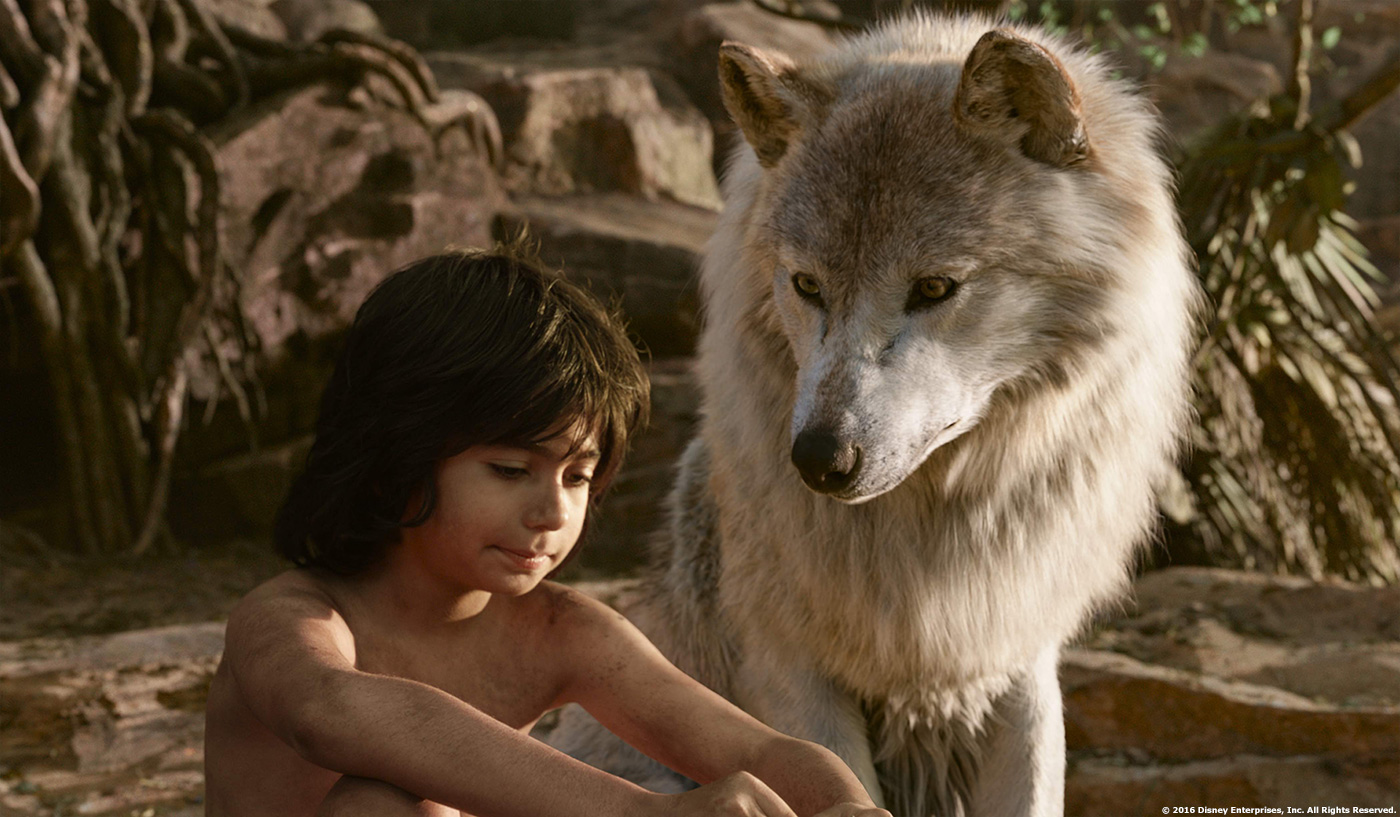
Disney returned to the well with its 2016 live-action/CGI film, directed by Jon Favreau. This adaptation struck a remarkable balance between the nostalgic charm of the 1967 animated film and the more serious tone of Kipling’s book. Favreau’s The Jungle Book utilized groundbreaking visual effects to create photo-realistic animals and a lush, immersive jungle, making Mowgli’s interactions with his animal family incredibly believable. The film incorporated elements of the musical while also bringing a heightened sense of danger and consequence to Mowgli’s journey, particularly in his confrontations with Shere Khan (voiced menacingly by Idris Elba). The critical acclaim and massive box office success of this version underscored the story’s enduring appeal and the power of modern technology to breathe new life into classic tales. This film received numerous awards for its visual effects and direction, showcasing how adaptations can both honor and innovate upon their source material.
Mowgli’s Darker Depths: Andy Serkis’s “Legend of the Jungle”
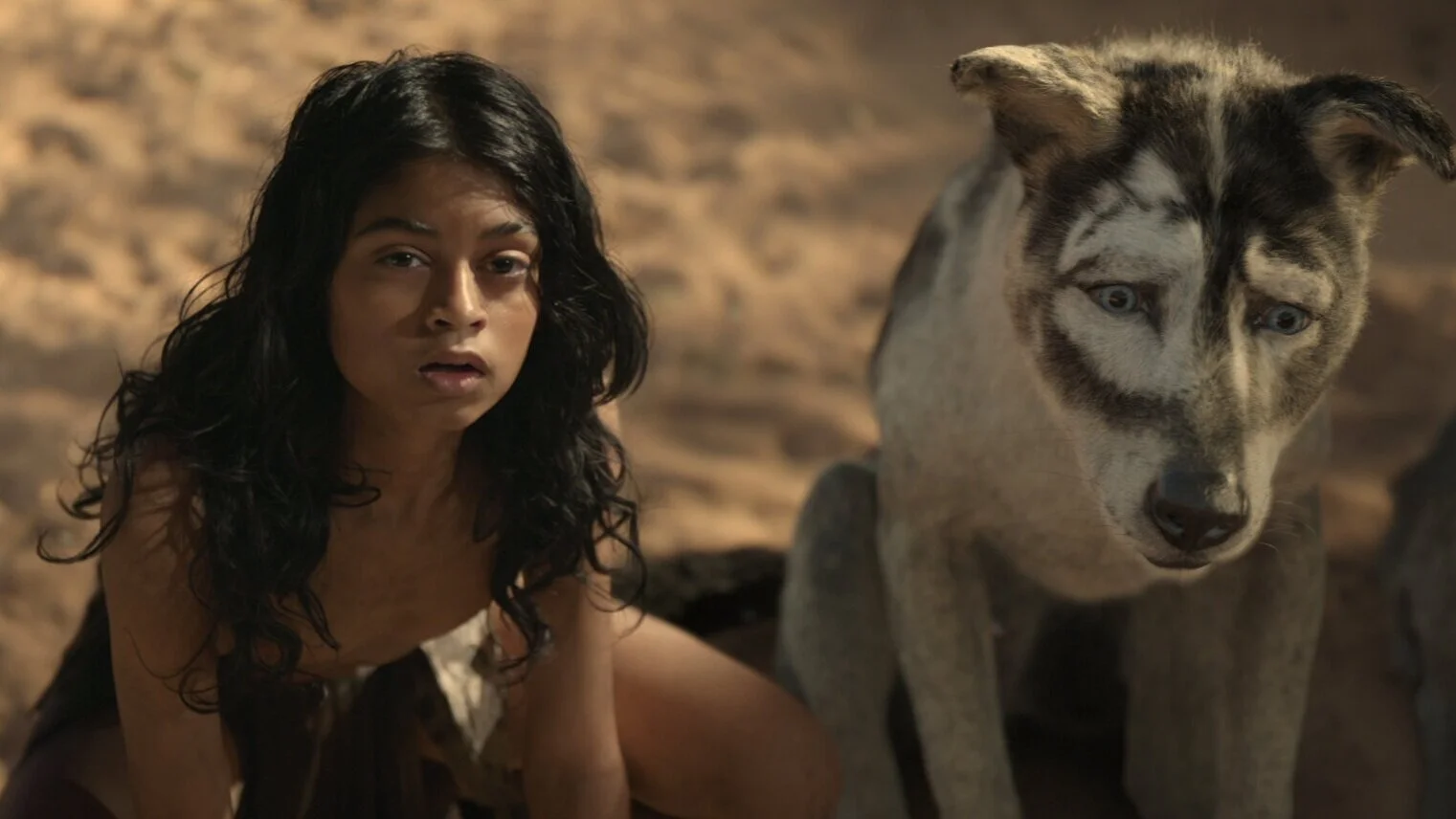
Adding another complex layer to the cinematic legacy of Mowgli is Andy Serkis’s Mowgli: Legend of the Jungle, released in 2018 (initially by Warner Bros., then acquired by Netflix). Serkis, a pioneer in performance capture technology, aimed for a much darker, grittier, and more faithful adaptation of Kipling’s original stories, exploring the deeper psychological dimensions of Mowgli’s struggle.
This version presented a Mowgli (Rohan Chand) torn between the brutal realities of the jungle and the perceived dangers of human civilization. The animal characters, brought to life through sophisticated motion capture and voice performances by actors like Christian Bale (Bagheera), Cate Blanchett (Kaa), and Serkis himself (Baloo), were depicted with an intensity and realism that sometimes bordered on unsettling. Mowgli: Legend of the Jungle delved into themes of identity and alienation with a rawness that previous adaptations often glossed over. It portrayed the “Law of the Jungle” not just as a harmonious code, but as a harsh system of survival where weakness is exploited and alliances are fragile. The film’s critical reception was mixed, with some praising its ambition and artistic integrity, while others found its dark tone and mature themes a departure from the generally family-friendly image of The Jungle Book. Nevertheless, it stands as a significant adaptation, demonstrating the story’s capacity for varied interpretations and its ability to challenge audiences, expanding the narrative reach of this classic.
Cultural Echoes and Future Horizons
The journey of Mowgli, from Kipling’s pages to the multiple cinematic renditions, is a testament to the universal resonance of his story. It is a narrative that has transcended its literary origins, permeating popular culture and continuing to inspire, educate, and entertain across continents. The cultural impact of The Jungle Book and its adaptations is profound, illustrating how literature can evolve and find new forms of expression while retaining its core essence.
Beyond the Screen: Literary Influence and Community Engagement
The influence of The Jungle Book extends far beyond film adaptations. Kipling’s original work remains a cornerstone of literary education, frequently appearing on school curricula and in discussions among book clubs and literary communities. Its rich vocabulary, complex sentence structures, and layered symbolism offer fertile ground for analysis and interpretation, promoting reading habits and critical engagement with text. Libraries, both traditional and digital, play an indispensable role in ensuring its accessibility, housing not only various editions of the book but also critical analyses, academic papers, and historical archives related to Kipling’s life and work. Lbibinders.org, for instance, provides resources that delve into the literary influence of such classics, connecting readers with biographical details of authors and discussions about their writing styles and inspirations.
Moreover, the themes of environmental stewardship, coexistence, and understanding different cultures embedded in Mowgli’s story have inspired numerous community initiatives and educational programs. The emphasis on the “Law of the Jungle” as a framework for mutual respect and responsibility has found echoes in modern conservation efforts and discussions about human-wildlife interaction. The story continues to foster a sense of wonder about the natural world and encourage empathy towards both animals and those who are “different.”
Awards, Adaptations, and the Ever-Evolving Narrative
The various adaptations of The Jungle Book have garnered numerous accolades, from Academy Awards for visual effects to Golden Globe nominations for their musical scores and acting performances. These awards not only recognize the artistic and technical excellence of the films but also underscore the story’s enduring power to connect with audiences and critics alike. The continuous stream of new adaptations, including stage productions, television series, and video games, demonstrates that Mowgli’s story is not a static relic of the past but a living, evolving narrative that continues to be reimagined for contemporary audiences. Each new iteration brings a fresh perspective, highlighting different facets of the original tale and allowing it to remain relevant in an ever-changing world.
At Lbibinders.org, we celebrate this rich legacy of storytelling. We recognize that classics like The Jungle Book are not just old books; they are foundational narratives that provide educational value, teach life lessons, and serve as the inspiration for new releases and popular culture phenomena. By exploring the diverse genres, authors’ biographies, and the cultural impact of such works, we aim to foster a deeper appreciation for the literary arts and encourage a vibrant community of readers and learners. Mowgli’s journey, whether read on the page or witnessed on screen, reminds us of the wildness within, the yearning for belonging, and the universal quest for identity that defines the human experience, making it a story that will undoubtedly continue to resonate for generations to come.