Exploring the Enchanting Realms of Young Adult Fantasy Books
Young Adult (YA) fantasy is more than just a genre; it’s a vibrant ecosystem of captivating narratives, intricate world-building, and unforgettable characters that has profoundly shaped the literary landscape. From its humble beginnings to its current status as a cultural phenomenon, YA fantasy continues to enchant millions, offering not just escapism but also profound insights into the human condition. At Lbibinders.org, we celebrate this dynamic genre, offering a comprehensive resource for exploring its diverse facets, from classic tales to the latest bestsellers and insightful book reviews.
The appeal of YA fantasy lies in its unique ability to blend the fantastical with deeply relatable adolescent experiences. Protagonists, often on the cusp of adulthood, navigate complex magical worlds while simultaneously grappling with universal themes of identity, belonging, love, loss, and the eternal struggle between good and evil. This powerful combination ensures that these stories resonate deeply, creating passionate communities of readers who find solace, inspiration, and adventure within their pages.

The Evolution and Allure of Young Adult Fantasy
The landscape of literature for young people has undergone a dramatic transformation, with fantasy emerging as one of its most dominant and beloved pillars. The journey of YA fantasy is a testament to its enduring power to capture imaginations and reflect the changing world around us.
Defining the Genre
What precisely defines Young Adult fantasy? Primarily, it refers to fiction written for readers typically between the ages of 12 and 18. However, its readership extends far beyond this demographic, with a significant percentage of adult readers drawn to its compelling narratives. The “fantasy” element, of course, means the story incorporates magical or supernatural elements, mythical creatures, and often takes place in entirely constructed worlds or a magical version of our own.
Crucially, the “YA” designation points to the protagonist’s age and the themes explored. YA fantasy almost invariably features a teenage main character, whose coming-of-age journey is central to the plot. This involves themes of self-discovery, first love, friendship, confronting authority, rebelling against injustice, and learning to harness newfound powers or responsibilities. The stakes are often personal and global, intertwining the character’s internal growth with external conflicts that threaten their world. Unlike adult fantasy, which might delve into more complex political systems or mature themes without reservation, YA fantasy tends to focus on the individual’s journey within these larger structures, making it highly accessible and emotionally resonant for its target audience. Lbibinders.org categorizes these books carefully, helping readers find titles that align with both their preferred genres and age-appropriate themes.
Key Tropes and Subgenres
Within the vast realm of YA fantasy, numerous subgenres and recurring tropes have emerged, each offering a distinct flavor of magic and adventure. Understanding these helps readers navigate the expansive offerings available on Lbibinders.org and discover their next favorite read.
One of the most foundational subgenres is High Fantasy, characterized by epic quests, intricate magic systems, and entirely separate, often medieval-inspired worlds. Think of the sweeping narratives where a “chosen one” must embark on a perilous journey to defeat an ultimate evil. J.R.R. Tolkien’s The Hobbit and C.S. Lewis’s The Chronicles of Narnia laid much of the groundwork for this, even though they predate the modern YA classification. More contemporary examples that have shaped YA fantasy include Christopher Paolini’s Eragon series or Tamora Pierce’s various universes, which focus on young women training to be knights or mages. These stories often explore themes of destiny, heroism, and the sacrifices required for the greater good.

Urban Fantasy brings magic into our contemporary world. Here, fairies might hide in plain sight in bustling cities, or ancient gods walk among us. This subgenre often plays with the juxtaposition of the mundane and the magical, creating a sense of wonder in familiar settings. Rick Riordan’s Percy Jackson & the Olympians series is a prime example, where Greek gods and monsters are woven seamlessly into modern-day America, introducing young readers to mythology with a fresh, adventurous spin. Cassandra Clare’s The Mortal Instruments series similarly blends the shadowy world of demon hunters with the vibrant backdrop of New York City.
Dystopian Fantasy, while often categorized separately, frequently incorporates strong fantastical elements. These narratives typically present a future society that appears utopian but hides oppressive truths, with a young protagonist leading a rebellion. While not purely magical, series like Suzanne Collins’s The Hunger Games (with its advanced, often fantastical technology and brutal games) or Veronica Roth’s Divergent (with its faction system based on human traits) captivate readers by exploring social commentary, rebellion, and the fight for freedom in high-stakes environments. The lines between sci-fi and fantasy often blur here, but the emphasis on a transformative journey and societal critique aligns well with YA fantasy’s broader themes.
Paranormal Romance is another incredibly popular subgenre, often blending supernatural elements with intense romantic relationships. Stories featuring vampires, werewolves, witches, and angels falling in love with humans captured a massive audience, epitomized by Stephenie Meyer’s Twilight series. While sometimes critiqued for its romantic focus, these stories often delve into themes of acceptance, forbidden love, and the challenges of being “different” in a world that doesn’t understand.
Lbibinders.org offers a vast collection of bestsellers and new releases across these subgenres, alongside insightful book reviews that help readers navigate the rich offerings. Whether you’re seeking epic adventures, hidden magic in everyday life, or thrilling tales of rebellion, the diverse world of YA fantasy has something for every reader.
Iconic Authors and Their Enduring Legacies
The enduring appeal of Young Adult fantasy owes much to the visionary authors who have not only crafted unforgettable stories but have also built entire worlds that feel as real as our own. Their talent for intricate plot development and profound character arcs has cemented the genre’s place in literary history.
Crafting Compelling Worlds
One of the hallmarks of great fantasy, especially in the YA space, is the meticulous construction of compelling worlds. These aren’t just backdrops; they are living, breathing entities with their own histories, cultures, magical systems, and often, unique flora and fauna. The ability to transport a reader entirely to another realm is a testament to an author’s skill and imagination.
J.K. Rowling stands as a titan in this regard. Her Harry Potter series introduced the world to Hogwarts, a school of witchcraft and wizardry hidden within the fabric of modern England. The magic system, the wizarding economy, the history of its conflicts, and the vast array of magical creatures were so richly detailed that they spawned a global phenomenon. Rowling’s writing style – accessible yet deeply descriptive – allowed millions of readers to immerse themselves in this world, making it feel utterly tangible.
Rick Riordan similarly excelled at world-blending. His Percy Jackson series ingeniously intertwines ancient Greek (and later Roman, Egyptian, and Norse) mythologies with contemporary American life. By making Mount Olympus hover above the Empire State Building and placing demigod training camps on Long Island, Riordan made classical myths relatable and exciting for a new generation. His narratives are fast-paced, filled with humor, and incredibly educational without ever feeling didactic, making complex mythologies digestible and fun.
More recently, authors like Leigh Bardugo have captivated readers with richly textured worlds. Her Grishaverse, encompassing series like Shadow and Bone and Six of Crows, presents a Slavic-inspired magical world with its own distinct cultures, political tensions, and a unique system of magic users known as Grisha. Bardugo’s attention to detail in world-building, from military structures to folk beliefs, creates a deeply immersive experience.
Sarah J. Maas, another incredibly popular author, has built sprawling high fantasy worlds in series like Throne of Glass and A Court of Thorns and Roses. Her worlds are often lush, dangerous, and filled with a variety of fantastical races, intricate political intrigue, and complex magical abilities. Her settings are as much characters as her protagonists, driving much of the plot and character development.
Lbibinders.org features extensive author biographies and details on their famous works, providing context on how these creators brought their extraordinary visions to life. Exploring their writing styles and understanding their inspirations helps readers appreciate the artistry behind these beloved tales.
The Power of Character Development
While world-building sets the stage, it’s the characters who truly bring YA fantasy to life. These protagonists, often flawed yet fiercely determined, drive the narrative and provide the emotional core that readers connect with. Their journeys of growth, self-discovery, and overcoming adversity are central to the genre’s appeal.
Harry Potter, for instance, begins as an orphaned, unassuming boy living under the stairs, but through his trials, friendships, and choices, he evolves into a powerful wizard and a symbol of hope. His struggles with grief, identity, and the weight of prophecy are universal themes explored through a magical lens. Similarly, Katniss Everdeen of The Hunger Games transforms from a pragmatic hunter focused solely on her family’s survival into the reluctant face of a rebellion, embodying themes of sacrifice, resilience, and the fight against oppression.
These characters are not static; they make mistakes, suffer losses, and learn difficult lessons. Percy Jackson grapples with dyslexia and ADHD, initially feeling like an outcast, but discovers these “weaknesses” are intrinsic to his demigod nature, empowering him. This nuanced portrayal of character development allows readers to see themselves in these fantastical heroes, realizing that even in the face of incredible odds, personal growth and inner strength are paramount.
The emphasis on strong female protagonists is also a defining feature of modern YA fantasy. Characters like Hermione Granger (Harry Potter), Tris Prior (Divergent), Alina Starkov (Grishaverse), and Celaena Sardothien (Throne of Glass) are not merely sidekicks but active agents of change, demonstrating intelligence, courage, and leadership. Their journeys often challenge traditional gender roles and empower young readers to embrace their own strengths.
Lbibinders.org provides in-depth analyses of these famous works, delving into the complexities of their characters and the impact they’ve had on readers. By exploring the depth of their struggles and triumphs, we gain a greater appreciation for the author’s craft and the profound messages embedded within these fantastical tales.
The Transformative Power of Reading Young Adult Fantasy
Beyond mere entertainment, Young Adult fantasy books offer a wealth of opportunities for personal growth, intellectual stimulation, and the development of lifelong reading habits. They serve as mirrors and windows, reflecting readers’ own experiences while opening their eyes to new perspectives.
Life Lessons and Educational Value
Despite their fantastical settings, YA fantasy books are often rich with profound life lessons and considerable educational value. They tackle complex themes that resonate deeply with adolescents navigating their own challenges, providing a safe space to explore difficult concepts.
Many YA fantasy narratives delve into the intricacies of moral dilemmas. Protagonists are frequently faced with choices that blur the lines between right and wrong, forcing them to consider the consequences of their actions and the true nature of heroism. Themes of justice, empathy, and forgiveness are woven into the fabric of these stories. For instance, in Harry Potter, the unwavering belief in love over hatred and the importance of standing up for what is right, even in the face of fear, are central tenets. Characters like Hermione Granger exemplify the power of intellect, research, and unwavering loyalty.
Furthermore, YA fantasy often acts as a vehicle for social commentary. Dystopian subgenres, in particular, explore issues of government control, freedom, poverty, and environmental degradation, prompting readers to critically examine the world around them. Even high fantasy, through allegories and metaphors, can touch upon themes of prejudice, class systems, and the corrupting nature of power. Leigh Bardugo’s Grishaverse, for example, explores themes of nationalism, discrimination against magical individuals, and the impact of war.
These stories also provide opportunities to learn about history, mythology, and different cultures. Rick Riordan’s books are a masterclass in making classical mythology accessible and engaging, sparking an interest in ancient history for countless young readers. Other series might draw inspiration from various cultures, introducing readers to different customs, beliefs, and societal structures.
Lbibinders.org offers summaries and book reviews that highlight these deeper themes and the educational value embedded in each story. Our resources help readers and educators alike to unpack the rich layers of meaning found within these seemingly simple tales, encouraging thoughtful discussion and deeper understanding.
Fostering Reading Habits
One of the most significant contributions of YA fantasy is its unparalleled ability to foster reading habits, particularly among reluctant or emergent readers. The genre’s inherent appeal – its fast pace, compelling characters, and high stakes – makes it incredibly difficult to put down, often leading to a lifelong love of reading.
The immersive nature of YA fantasy is a key factor. When readers are transported to a new world, they become invested in its fate and the journey of its inhabitants. This deep engagement encourages them to keep turning pages, to finish a series, and then to seek out more stories within the genre or even branch out into others. The serialized nature of many YA fantasy series, with their cliffhangers and ongoing arcs, creates a powerful incentive for continuous reading. The anticipation for the next book or new release becomes a driving force, turning reading into an exciting event.
YA fantasy often serves as a “gateway genre,” introducing readers to complex narratives and extensive fictional universes before they delve into more dense adult fantasy or other literary genres. It bridges the gap between children’s books and adult literature, offering sophisticated plots and character development in a language and style that is still accessible. The vibrant fan communities surrounding these books further reinforce reading habits, as discussions about theories, characters, and plot points motivate readers to engage more deeply with the material.
Lbibinders.org plays a crucial role in nurturing these habits by providing easy access to bestsellers, curated lists of new releases, and engaging book reviews. We aim to be a platform where readers can discover their next adventure, connect with other enthusiasts, and continuously fuel their passion for books. By showcasing the breadth and depth of the genre, Lbibinders.org helps readers explore different authors and subgenres, ensuring that their journey through the world of books is always exciting and fulfilling.
Accessibility, Community, and Cultural Impact: The Role of Libraries and Lbibinders.org
The widespread appeal and profound influence of Young Adult fantasy are magnified by its accessibility and the vibrant communities it cultivates. From public institutions to online platforms, resources like libraries and Lbibinders.org play a pivotal role in connecting readers with these captivating worlds and celebrating their significant cultural footprint.
Public and Digital Gateways to Worlds Unknown
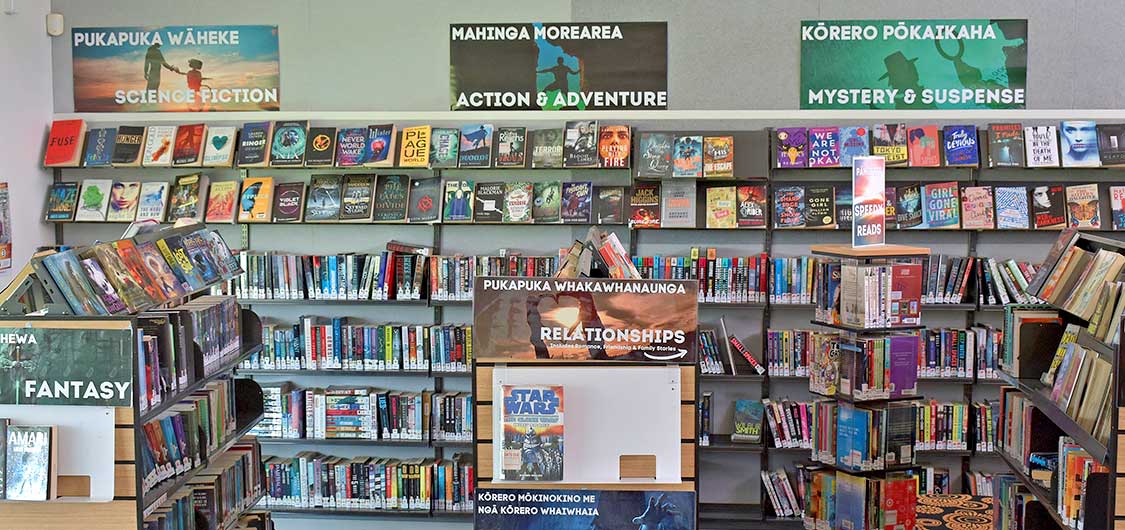
Libraries have historically been, and continue to be, indispensable gateways to literature for all ages, and YA fantasy is a cornerstone of their collections. Public libraries nationwide dedicate significant sections to YA books, ensuring that these stories are accessible to every young person, regardless of their socioeconomic background. Librarians, often passionate advocates for the genre, curate collections, host book clubs, and organize events that foster a love of reading. They serve as trusted guides, helping young readers navigate the vast landscape of YA fantasy and discover titles that resonate with their interests.
The advent of technology has further expanded this accessibility through digital libraries. Platforms offering e-books and audiobooks have made it possible for readers to access a vast array of YA fantasy titles from anywhere, at any time. This convenience is especially beneficial for busy students or those in remote areas. Lbibinders.org complements these efforts by providing a comprehensive online hub where readers can not only discover book reviews and summaries but also learn about new releases and locate where to find bestsellers. Our platform acts as a bridge, linking readers to the resources they need to delve into their next great adventure.
While YA fantasy is a relatively modern phenomenon, its roots draw from older fantastical narratives. Occasionally, rare collections in academic or specialized libraries might hold early fantasy works that influenced the genre, showcasing the rich lineage of fantastical storytelling that continues to inspire contemporary YA authors. Lbibinders.org helps to connect these historical threads to the modern publications, offering a holistic view of the genre’s evolution.
Awards, Adaptations, and Thriving Communities
The cultural impact of Young Adult fantasy is undeniable, extending far beyond the pages of its books. It has become a dominant force in popular culture, influencing other media and fostering incredibly active fan communities.
The genre’s literary merit is increasingly recognized through prestigious awards. While traditional literary awards were once slow to acknowledge YA fiction, dedicated accolades like the Michael L. Printz Award (for excellence in YA literature) and the Andre Norton Nebula Award for Young Adult Science Fiction and Fantasy have emerged. Furthermore, prominent awards like the Hugo and Nebula Awards, traditionally for adult science fiction and fantasy, now frequently recognize YA titles, signaling the genre’s growing respect and influence within the broader speculative fiction landscape. Lbibinders.org proudly highlights award-winning titles, guiding readers to critically acclaimed works.
Perhaps one of the most visible aspects of YA fantasy’s cultural impact is the proliferation of adaptations. Iconic series like Harry Potter, The Hunger Games, Twilight, and Percy Jackson have been transformed into hugely successful film franchises, drawing in massive audiences and further cementing these stories in the global consciousness. More recently, popular YA fantasy novels are finding homes on streaming platforms, with shows like Shadow and Bone (based on Leigh Bardugo’s Grishaverse) reaching millions worldwide. These adaptations often introduce new fans to the original books, creating a virtuous cycle of engagement. Lbibinders.org tracks these adaptations, providing insights into their fidelity to the original literary influence and their impact on the broader cultural conversation.
Finally, YA fantasy fosters incredibly vibrant communities. Online forums, social media groups, fan fiction archives, and real-world book clubs thrive on discussions about these beloved series. Readers connect over shared enthusiasms, debate plot theories, celebrate their favorite characters, and even create their own fan art and stories. This sense of belonging and shared passion is a testament to the emotional depth and universal themes found in YA fantasy. Lbibinders.org aims to be a part of this thriving ecosystem, providing a platform for readers to engage with book reviews, discover new authors, and connect with a global community of fellow enthusiasts who share a love for these enchanting worlds.
In conclusion, Young Adult fantasy books represent a powerful and ever-evolving segment of literature. They are not merely stories; they are journeys of self-discovery, lessons in resilience, and bridges to imagination. From the richly imagined worlds of their creators to the profound lessons they impart, and the global communities they inspire, YA fantasy continues to prove its enduring significance. Lbibinders.org is dedicated to exploring every facet of this incredible genre, providing a comprehensive resource for readers, authors, and aspiring adventurers alike. Join us in celebrating the magic, the wonder, and the enduring legacy of Young Adult fantasy.