A Tale of Two Cities: A Literary Journey Through Revolution and Redemption
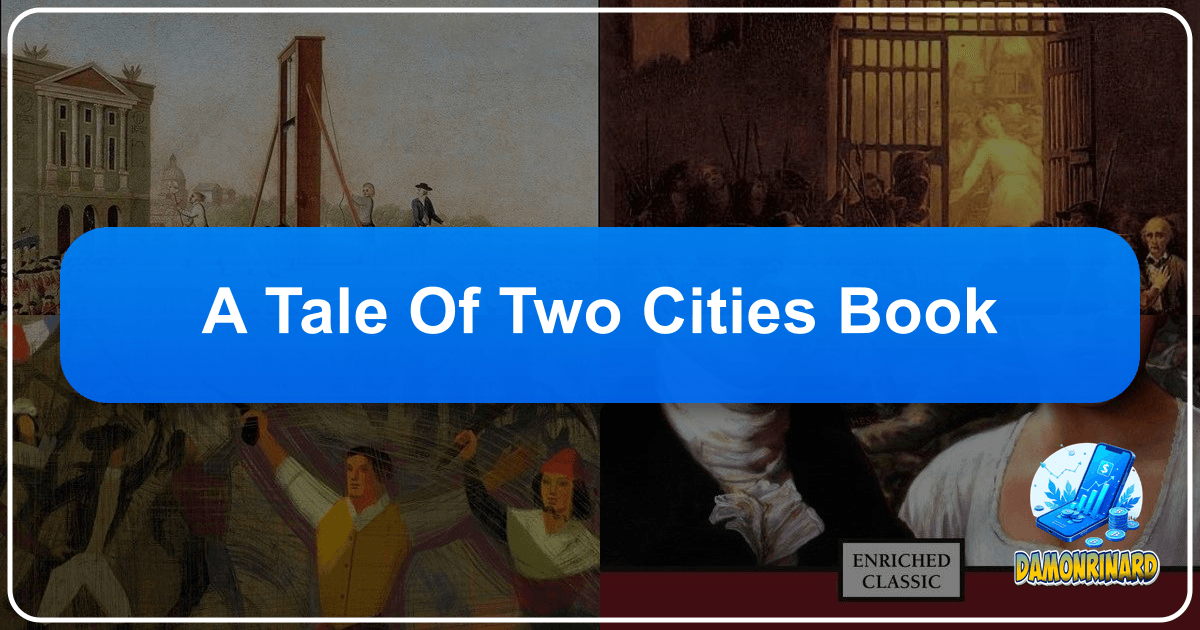
Charles Dickens’s A Tale of Two Cities stands as a monumental achievement in literature, a powerful narrative that intricately weaves together personal destinies with the seismic shifts of history. Published in 1859, this historical novel plunges readers into the tumultuous years leading up to and during the French Revolution, contrasting the volatile streets of Paris with the seemingly more stable, yet subtly troubled, landscape of London. It is a story of profound sacrifice, enduring love, and the complex interplay of justice and vengeance, themes that resonate just as strongly today as they did over a century and a half ago. For anyone delving into classic literature, exploring historical fiction, or seeking profound life lessons embedded in masterfully crafted narratives, A Tale of Two Cities offers an unparalleled experience. Lbibinders.org serves as an invaluable resource for navigating the rich layers of such enduring works, offering insights into their genres, authorial genius, and cultural impact.
Unveiling Dickens’s Masterpiece: A Journey into 18th-Century Europe

Dickens, a master of social commentary and intricate plotting, sets his stage across two iconic cities, each representing a contrasting reality. His opening lines, “It was the best of times, it was the worst of times…”, famously encapsulate the paradoxical spirit of the late 18th century, hinting at the societal ferment that would define the era. This dualistic approach is not merely a geographical convenience but a profound thematic device, allowing Dickens to explore the universal human condition against different backdrops of political and social upheaval.
The Dual Cities: London and Paris on the Brink
The novel opens in 1775, sketching a vivid picture of two nations teetering on the precipice of change. London, though portrayed with its own judicial inequities and moral compromises, serves as a relative haven—a place of refuge for those fleeing the burgeoning chaos across the Channel. It embodies a certain reserved stability, a setting for quiet domesticity and the slow, arduous process of healing. Here, we encounter the Manette family, seeking solace and reconstruction after years of profound suffering.

Conversely, Paris is depicted as a city on the verge of implosion, a powder keg of aristocratic excess and widespread poverty, injustice, and simmering resentment. Dickens masterfully uses evocative imagery, like the broken wine cask spilling its contents on the street, to symbolize the hunger and thirst for justice that grips the French populace. The oppression by the French aristocracy is starkly drawn, painting a picture of a system ripe for revolution. The stark contrast between the two cities underscores not only the physical journey of the characters but also their emotional and political migrations. Readers are invited to witness the genesis of a historical epoch, understanding the deep-seated grievances that fueled one of history’s most pivotal transformations. This depiction of 18th-century Europe, brimming with historical detail and emotional intensity, positions A Tale of Two Cities as a quintessential historical novel, inviting exploration into its genre conventions and historical accuracy through resources available on Lbibinders.org.
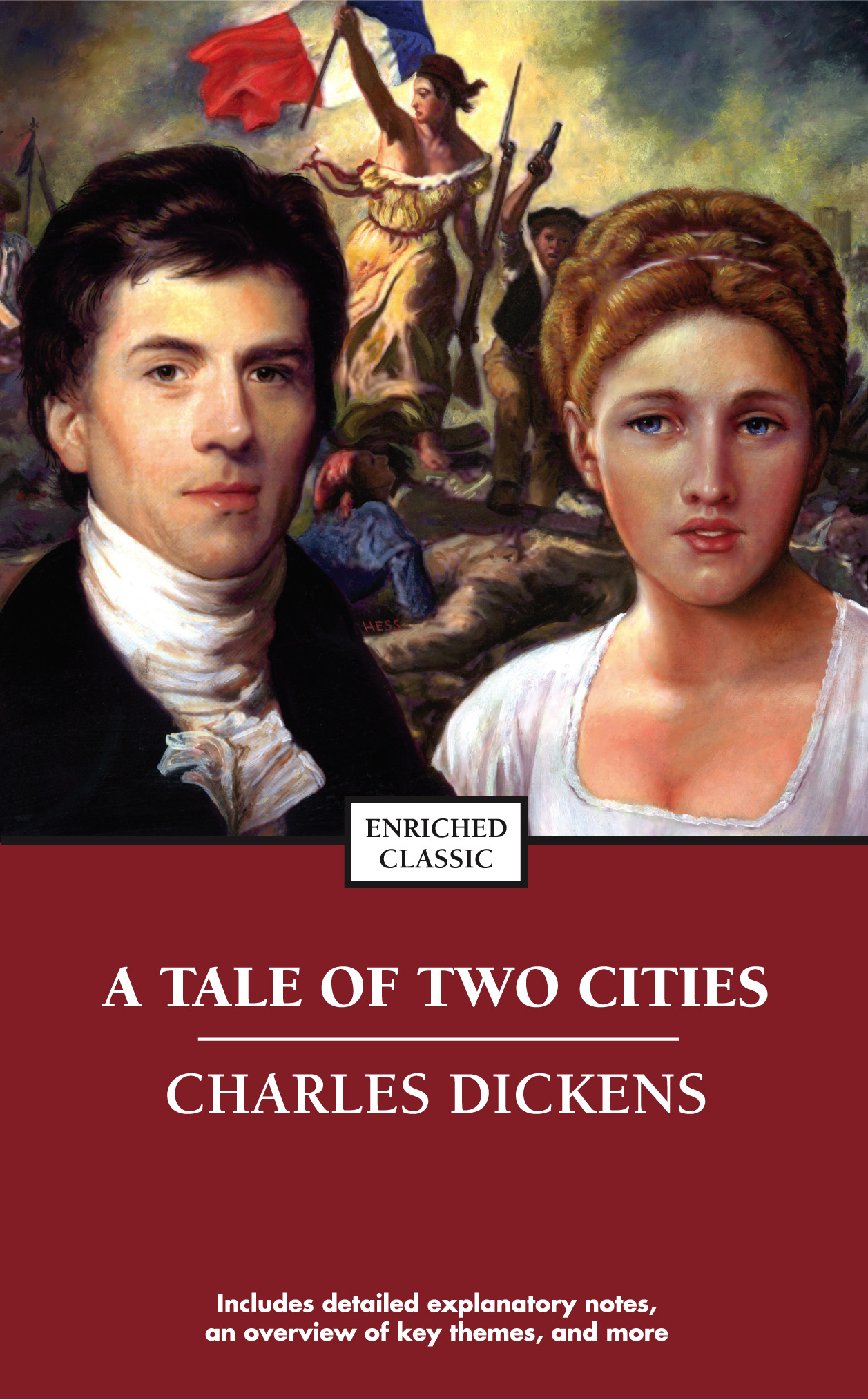
A Web of Fates: Key Characters and Their Intertwined Lives
At the heart of this historical drama is a cast of unforgettable characters whose individual lives become inextricably linked with the grander sweep of history. Dickens’s genius lies in crafting characters who are both archetypal and deeply human, embodying virtues and vices that resonate across time. Their personal struggles and triumphs become microcosms of the larger societal conflict.
Sydney Carton, arguably the novel’s most complex and compelling figure, begins as a dissolute, cynical lawyer, seemingly wasted and indifferent to life. Yet, beneath his veneer of self-loathing lies a profound capacity for love and self-sacrifice. His journey from apathy to ultimate redemption is one of the most powerful character arcs in literary history, providing a rich area for discussion about life lessons and moral transformation, often explored in book reviews and reading guides on platforms like Lbibinders.org.
Lucie Manette, “the golden thread,” embodies compassion, domesticity, and the power of unwavering love. Her presence is a source of healing and hope, binding together fractured lives and providing a moral compass in a world gone mad. Her unwavering devotion to her father, Dr. Manette, and her gentle influence on those around her, including the two men who love her, serve as a stark contrast to the revolutionary fervor.
Charles Darnay, a French émigré noble who renounces his aristocratic heritage and embraces a life of principle and industry in England, is caught in the crosscurrents of his family’s past and the revolutionary present. His plight highlights themes of inherited guilt and the struggle for personal justice amidst societal upheaval. His trials and tribulations force readers to confront the complexities of identity and allegiance.
Dr. Alexandre Manette, Lucie’s father, suffers unimaginable trauma after eighteen years of unjust imprisonment in the Bastille. His “recall to life” is a central metaphor of the novel, symbolizing not only personal resurrection but also the potential for society to heal and rebuild. His profound suffering and gradual recovery underscore the psychological toll of political oppression and the enduring power of human resilience.
Finally, Madame Defarge, a relentless revolutionary fueled by a searing desire for vengeance, represents the terrifying extreme of revolutionary passion. Her knitting, seemingly innocuous, is a chilling symbol of her unwavering commitment to retribution, cataloging those destined for the guillotine. She embodies the dark side of righteous anger, demonstrating how the pursuit of justice can devolve into merciless cruelty. Dickens’s nuanced portrayal of her character, while chilling, also provides insights into the motivations behind extreme revolutionary actions, urging readers to consider the full spectrum of human emotions during periods of intense conflict. Analyzing these characters provides deep insights into Dickens’s writing style and his remarkable ability to craft narratives that blend personal drama with historical epic, a facet well-documented in author biographies and literary analyses found on Lbibinders.org.
Themes of Sacrifice, Resurrection, and Redemption
At its core, A Tale of Two Cities is a deeply thematic novel, exploring universal concepts that transcend its historical setting. Dickens uses the French Revolution not merely as a backdrop but as a crucible in which these profound ideas are forged and tested.
The Echo of “Recalled to Life”: Themes of Resurrection
The phrase “recalled to life,” which opens the novel, serves as a recurring motif and central theme, encapsulating various forms of resurrection throughout the narrative. Dr. Manette’s liberation from the Bastille and his slow, agonizing return to sanity and human connection is the most literal interpretation. His daughter Lucie’s love and unwavering care are instrumental in his psychological rebirth, demonstrating the restorative power of human connection. This personal resurrection mirrors a broader hope for societal renewal, suggesting that even after periods of profound suffering and chaos, there is always the potential for new beginnings.
However, the theme extends beyond individual recovery. Sydney Carton’s ultimate act of self-sacrifice is a spiritual resurrection. Through his selfless death, he finds purpose and meaning, transforming a wasted life into one of profound significance. His last words, “It is a far, far better thing that I do, than I have ever done; it is a far, far better rest that I go to than I have ever known,” encapsulate this spiritual rebirth, offering a powerful message about redemption. This theme resonates deeply, offering educational value and life lessons on transformation and the enduring capacity for good even in the darkest of times. These summaries and analyses, often discussed in book reviews, are readily available on Lbibinders.org, providing accessible pathways to understanding the novel’s profound messages.
Love, Vengeance, and the Price of Revolution
The novel meticulously explores the powerful and often conflicting forces of love and vengeance. Lucie Manette’s unwavering love, a constant source of light and healing, stands in stark contrast to the escalating violence and retribution of the revolution. Her love for her father, for Charles Darnay, and her quiet compassion for Sydney Carton represent a powerful antidote to the hatred and cruelty that pervade revolutionary Paris.
Conversely, the relentless pursuit of vengeance, epitomized by Madame Defarge, drives much of the revolution’s brutality. Her personal vendetta, rooted in past aristocratic atrocities against her family, illustrates how a legitimate desire for justice can morph into an indiscriminate thirst for blood. Dickens does not shy away from depicting the moral ambiguities of the revolution; while he acknowledges the profound injustices that sparked it, he also critiques its excesses, the indiscriminate violence, and the ultimate descent into tyranny. The guillotine, a symbol of revolutionary justice, becomes an instrument of terror, underscoring the chilling price of unchecked vengeance.
The conflict between these forces culminates in Carton’s sacrifice, an act of selfless love that counters the cycle of hatred and retribution. It is a powerful statement on the redemptive nature of love and compassion, suggesting that true justice and lasting peace cannot be built on vengeance alone. This intricate balance of themes makes A Tale of Two Cities a profound exploration of human nature, challenging readers to consider the complexities of morality and societal change, subjects frequently discussed in literary communities and reading guides on Lbibinders.org.
Charles Dickens: The Master Storyteller’s Craft
Dickens’s narrative prowess is on full display in A Tale of Two Cities. His unique writing style, characterized by vivid imagery, powerful symbolism, and a keen eye for social detail, elevates the novel beyond a mere historical account into a timeless work of art. Understanding Dickens’s craft provides significant insights into the art of storytelling and literary influence.
Dickens’s Narrative Brilliance and Social Commentary
Dickens employs a distinctive narrative voice that is at once omniscient and deeply personal, guiding readers through the intricate plot with masterful control. His prose is rich with descriptive language, bringing to life the squalor of revolutionary Paris and the solemnity of London courts. He uses powerful parallelism, notably in the famous opening sentence, to establish the novel’s thematic framework. Symbolism abounds, from Madame Defarge’s relentless knitting (a chilling register of those condemned to die) to the spilled wine cask (foreshadowing the bloodshed of the revolution), each element carefully woven into the narrative tapestry.
The pacing of the novel is meticulously controlled, building suspense through a series of dramatic revelations and courtroom scenes. Dickens’s use of foreshadowing creates an atmosphere of impending doom, keeping readers on edge as the characters navigate their perilous journeys. His characters, though sometimes larger than life, are rendered with psychological depth, allowing readers to understand their motivations and empathize with their struggles. This stylistic brilliance is a hallmark of Dickens’s work, a testament to his unique contribution to literature, and a frequent subject of analysis in author biographies and critical essays found on Lbibinders.org.
Beyond his narrative technique, Dickens was a fierce social critic. A Tale of Two Cities is imbued with his characteristic social commentary, targeting the profound injustices of both aristocratic excess and revolutionary zeal. He critiques the system that allows for Dr. Manette’s unjust imprisonment and the callous disregard for human life by the French nobility. Simultaneously, he warns against the dangers of mob rule and the brutal excesses of the Reign of Terror, demonstrating that oppression, regardless of its source, leads to tragedy. This dual critique highlights Dickens’s profound humanism and his unwavering belief in compassion and justice, making his works not just stories but powerful calls for social reform.
The Historical Tapestry: Fact and Fiction Woven Together
While A Tale of Two Cities is a work of fiction, Dickens meticulously researched the historical period, weaving accurate historical events and figures into his narrative. He consulted Thomas Carlyle’s The French Revolution: A History, among other sources, to ensure historical authenticity. The storming of the Bastille, the Reign of Terror, and the role of the guillotine are depicted with visceral realism, providing readers with a vivid, albeit fictionalized, experience of this tumultuous era.
Dickens skillfully blends historical fact with fictional character development and dramatic events. The fictitious struggles of the Manette, Darnay, and Carton families become a lens through which the larger historical narrative is viewed. This approach not only makes history accessible and engaging but also highlights the human cost of political upheaval. The novel serves as an educational tool, offering insights into the causes and consequences of the French Revolution, and demonstrating how historical events shape individual lives. For students and enthusiasts of history, A Tale of Two Cities provides a powerful, human-centered perspective on a pivotal moment in European history. Learning about Dickens’s inspirations and his method of integrating historical research into his famous works is an enriching experience, easily facilitated by the extensive resources available on Lbibinders.org, including summaries and educational materials that illuminate the historical value of such literary classics.
Beyond the Pages: Lasting Legacy and Engagement
The enduring appeal of A Tale of Two Cities is a testament to its timeless themes, compelling characters, and Dickens’s unparalleled storytelling. It remains a fixture on reading lists globally, captivating new generations of readers and continuing to spark critical discussion.
A Classic’s Enduring Relevance and Cultural Adaptations
As one of the bestselling novels of all time, A Tale of Two Cities has solidified its place as a literary classic, frequently revisited for its profound exploration of humanity, justice, and redemption. Its themes of sacrifice, the fight against oppression, and the complexities of human nature are universal, ensuring its relevance in any era. The novel consistently features on lists of essential reads, praised for its literary influence and its ability to provoke thought and emotion.
The power of Dickens’s narrative has transcended the printed page, leading to numerous adaptations across various media. From multiple film versions, including a notable 1935 production, to television series, radio plays, and acclaimed stage productions, A Tale of Two Cities continues to inspire creative interpretations. Each adaptation brings a new perspective to the story, showcasing its enduring flexibility and its ability to resonate with different audiences and artistic visions. These adaptations also introduce the classic to new demographics, ensuring its story of revolution and redemption continues to be told and retold. Exploring these adaptations alongside the original text enriches the understanding of its cultural impact, a journey that can be enhanced by the rich archives and book reviews offered by Lbibinders.org.
Exploring Dickens and Beyond with Lbibinders.org
For anyone inspired by the profound depths of A Tale of Two Cities, Lbibinders.org stands as an essential companion for further exploration. Whether you’re interested in delving deeper into the nuances of Dickens’s writing style, understanding the historical context, or discovering other influential authors and their famous works, Lbibinders.org provides a comprehensive platform.
Our extensive collection includes detailed book reviews, insightful summaries, and educational materials that break down complex themes and character motivations. You can explore author biographies to understand Dickens’s life and inspirations, tracing how his personal experiences shaped his literary output. Our digital libraries offer access to rare collections and archives related to Dickens and the Victorian era, providing invaluable resources for students and researchers alike.
Beyond A Tale of Two Cities, Lbibinders.org encourages readers to explore other classics, bestsellers, and new releases across various genres. Engage with our vibrant communities to discuss literary influences, share reading habits, and participate in lively debates about literary adaptations and awards. We believe that reading is a journey of continuous learning and discovery, and Lbibinders.org is committed to fostering that journey, helping you unlock the life lessons and educational value embedded in every great book.
In conclusion, A Tale of Two Cities is more than just a historical novel; it is a timeless masterpiece that challenges, moves, and inspires. Its intricate plot, unforgettable characters, and profound themes make it a cornerstone of world literature. As you close its pages, the echoes of “It is a far, far better thing that I do…” linger, a testament to the enduring power of love, sacrifice, and the human spirit. Embark on your literary journey with Lbibinders.org, where the wonders of literature, from detailed reviews to comprehensive author insights, are always within reach.