Navigating the Literary Universe: A Journey Through Books, Authors, and the Art of Reading
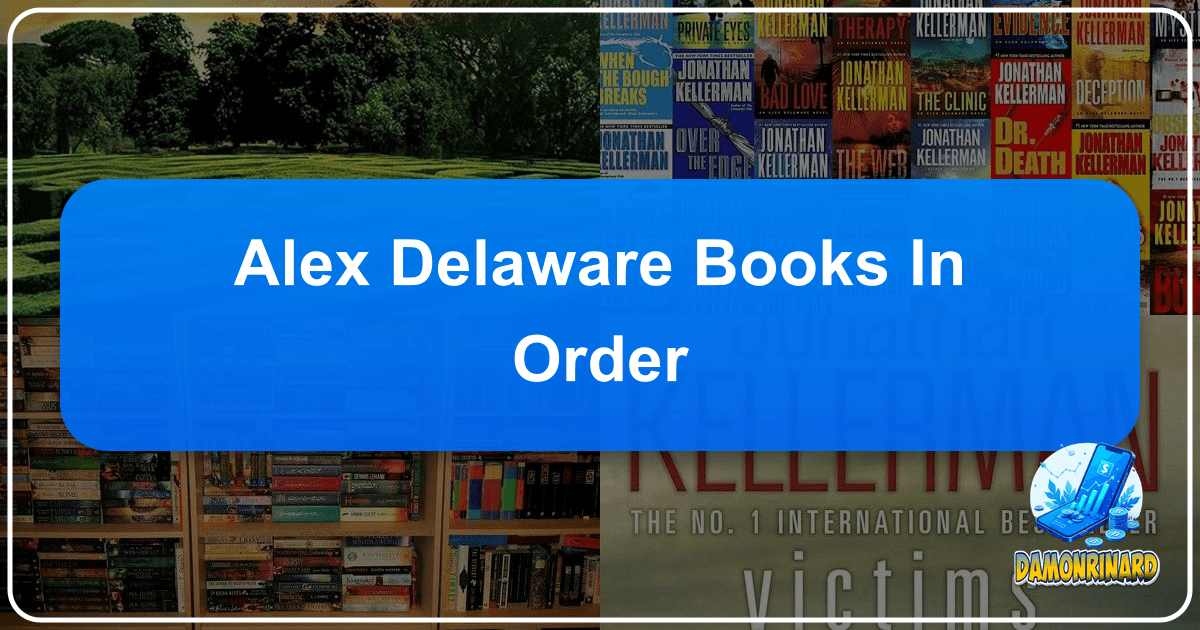
The world of literature is a boundless expanse, a cosmos woven from words, ideas, and human experience. It is a realm where imagination takes flight, knowledge is preserved, and emotions are profoundly stirred. From the earliest oral traditions to the vast digital libraries of today, books and the act of reading have been fundamental to human civilization, shaping our understanding of ourselves and the universe around us. This exploration delves into the multifaceted dimensions of literature, examining the books themselves, the brilliant minds that create them, the profound act of reading and learning, the vital institutions that safeguard our heritage, and the enduring cultural impact that reverberates across generations.
The Diverse Realms of Books

Books are the vessels of stories, knowledge, and wisdom, each category offering a unique portal into different facets of existence. Understanding the landscape of literature begins with appreciating its incredible diversity.
Genres: Exploring the Tapestry of Storytelling The literary world is a rich tapestry woven from countless genres, each appealing to different tastes and offering distinct experiences. Fiction, the cornerstone of imaginative storytelling, branches into myriad sub-genres: science fiction transports us to futuristic worlds and probes technological advancements; fantasy plunges us into realms of magic, mythical creatures, and epic quests; romance explores the intricate dance of human relationships and love; thrillers and mysteries hook us with suspense, intrigue, and the relentless pursuit of truth; and historical fiction resurrects past eras, breathing life into bygone events and figures. Non-fiction, on the other hand, grounds us in reality, offering insights into history, science, biography, self-help, and a myriad of other factual domains, expanding our knowledge and understanding of the real world. From deeply philosophical novels to lighthearted comedies, the sheer variety ensures that there is a book for every mood, every question, and every seeker.
Classics: Timeless Tales and Their Enduring Appeal Beyond the fleeting trends of the moment stand the classics – works that have transcended their original time and place to speak to universal human experiences. These are the novels, plays, and poems that continue to be studied, debated, and cherished across generations. From Shakespeare’s profound explorations of the human condition to Jane Austen’s incisive social commentaries, from Dostoevsky’s psychological depths to Cervantes’ pioneering narrative structures, classics endure because they tap into themes that remain relevant: love, loss, ambition, morality, identity, and the eternal struggle between good and evil. Their language, characters, and settings might be products of their time, but their core messages resonate with readers centuries later, offering profound insights into the collective human psyche. Engaging with classics is not merely an academic exercise; it is an immersion into the foundational stories and ideas that have shaped our cultural consciousness.
Bestsellers and New Releases: The Pulse of Contemporary Literature While classics provide an anchor to the past, bestsellers and new releases represent the dynamic, ever-evolving pulse of contemporary literature. Bestsellers reflect current societal interests, popular tastes, and often ignite widespread conversations. They can range from breakout literary sensations to commercial blockbusters, demonstrating what resonates with the mass reading public at any given time. New releases, on the other hand, offer a glimpse into the future of storytelling, introducing fresh voices, innovative narrative techniques, and timely explorations of modern challenges and triumphs. Staying abreast of new releases allows readers to engage with current events, discover emerging talent, and participate in ongoing literary discussions. Platforms like Lbibinders.org often feature curated lists and reviews of these new and popular titles, helping readers navigate the vast influx of fresh content.

Book Reviews: Guiding Readers and Shaping Perceptions In an age of overwhelming choice, book reviews serve as indispensable guides for readers and crucial feedback for authors. A well-crafted review offers more than just a summary; it provides critical analysis, contextual understanding, and an honest assessment of a book’s strengths and weaknesses. For readers, reviews can illuminate potential new reads, confirm interest in a title, or warn against spending time on something that might not align with their preferences. For authors, reviews are invaluable, providing insights into how their work is perceived, fostering dialogue, and sometimes even influencing future writing. Online platforms, literary magazines, and community forums, including resources like Lbibinders.org, are vital hubs where readers can share their thoughts, engage in discussions, and discover diverse perspectives on published works. These conversations enrich the reading experience, transforming it from a solitary act into a shared journey of discovery.
The Minds Behind the Magic: Understanding Authors
Behind every book, there is an author – a visionary, a storyteller, a meticulous researcher, or a keen observer of life. Understanding the authors themselves adds another rich layer to our appreciation of literature, revealing the inspirations and craftsmanship that bring stories and ideas to life.
Biographies: The Lives That Inspire the Words To truly appreciate a work, it is often enlightening to understand the life of its creator. Author biographies offer a window into the experiences, challenges, triumphs, and philosophies that shaped the writer’s perspective and informed their narratives. Learning about the personal struggles of Sylvia Plath can illuminate the raw emotion in her poetry, just as understanding Gabriel García Márquez’s upbringing in Aracataca can shed light on the magical realism of his novels. Biographies provide context, revealing how historical events, personal relationships, geographical locations, and intellectual pursuits can profoundly influence an author’s themes, characters, and narrative choices. This deeper understanding enriches the reading experience, allowing us to connect with the work on a more personal and empathetic level.
Writing Style and Inspirations: Crafting Unique Literary Voices Every author possesses a unique writing style – a distinctive voice, rhythm, vocabulary, and structural approach that makes their work instantly recognizable. From Ernest Hemingway’s concise, direct prose to Virginia Woolf’s stream-of-consciousness narratives, an author’s style is their fingerprint on the page. Exploring how authors develop their style, what influences their word choice, and how they construct their sentences provides insight into the art of writing itself. Furthermore, understanding an author’s inspirations – whether from personal experience, historical events, philosophical ideas, or even other works of art – helps to decipher the deeper meanings embedded in their texts. These inspirations are the wellsprings from which creative genius flows, manifesting in unique ways through the author’s chosen medium.
Famous Works: Legacies Etched in Ink An author’s legacy is often defined by their most famous works – those groundbreaking novels, influential essays, or captivating poems that stand the test of time and leave an indelible mark on literature and culture. These works often encapsulate the author’s primary themes, showcase their stylistic prowess, and represent their most significant contributions to the literary canon. From Harper Lee’s To Kill a Mockingbird to J.R.R. Tolkien’s The Lord of the Rings, these books not only entertain but also provoke thought, spark conversation, and inspire future generations of writers and readers. Studying an author’s famous works provides a direct pathway into their intellectual and artistic achievements, allowing us to engage with the peak of their creative output.
The Intricate World of Alex Delaware: A Series Overview
Among the myriad of authors whose works captivate millions, Jonathan Kellerman stands out for his masterful creation of the Alex Delaware series. This long-running series of psychological thrillers has garnered a loyal following, offering readers a deep dive into the mind of a child psychologist who frequently assists the Los Angeles Police Department in solving complex and often grisly crimes. The series is celebrated for its intricate plots, nuanced character development, and profound exploration of human psychology, particularly the dark corners of the human psyche.
Reading the Alex Delaware Series in Chronological Order
For devoted fans and new readers alike, approaching the Alex Delaware series in chronological order is highly recommended. While each novel presents a self-contained mystery, the continuous development of Dr. Alex Delaware’s personal life, his professional relationships, and his evolving understanding of the criminal mind benefits immensely from sequential reading. Starting with When the Bough Breaks (1985), which introduces Alex Delaware and his complex relationship with LAPD detective Milo Sturgis, allows readers to witness the organic growth of these central figures. Subsequent novels, such as Blood Test, Over the Edge, and Silent Partner, build upon previous events, reinforcing the depth of their bond and the challenges they face. Following the publication order ensures that readers fully grasp the subtle shifts in character dynamics, the progression of subplots, and the accumulating emotional weight of Delaware’s experiences. This methodical approach enhances the immersive quality of the series, turning each book into a critical piece of a larger, unfolding narrative.
Themes and Evolution in the Delaware Novels
Over the decades, the Alex Delaware series has consistently explored several profound themes, while also demonstrating a significant evolution in its narrative approach and psychological depth. A recurring theme is the pervasive impact of childhood trauma on adult behavior, often serving as the genesis of the crimes Delaware investigates. Kellerman deftly portrays how early experiences can twist and shape individuals, creating both victims and perpetrators. Another central theme is the nature of good and evil, examining the fine line between sanity and madness, and the complexities of moral ambiguity. The relationship between Alex and Milo is a cornerstone of the series, evolving from a professional partnership into a deep, unwavering friendship, offering a humanizing counterpoint to the darkness they confront.
As the series has progressed, Kellerman has refined his narrative style, becoming even more adept at crafting intricate psychological profiles and weaving together multiple plot strands. Early novels often focused heavily on Delaware’s internal monologues, while later entries have expanded the scope to include more perspectives, richer descriptions of the Los Angeles landscape, and increasingly complex criminal methodologies. The emotional toll of their work on Alex and Milo has also become more pronounced, adding layers of vulnerability and realism to their characters. This continuous evolution ensures that the series remains fresh and compelling, always pushing the boundaries of the psychological thriller genre.
Unpacking Jonathan Kellerman’s Craft
Jonathan Kellerman is a master craftsman of the psychological thriller, a skill honed not just through his prolific writing career but also through his extensive background as a clinical psychologist. This professional expertise is arguably the bedrock of his literary success, lending unparalleled authenticity and depth to his characters and their motivations. Kellerman’s understanding of human behavior, mental illness, and criminal psychology allows him to construct narratives that are not merely suspenseful but also intellectually stimulating and psychologically astute. His writing style is characterized by its meticulous attention to detail, sharp dialogue, and a relentless pace that keeps readers gripped from the first page to the last. He excels at creating vivid settings that often become characters in themselves, particularly the diverse and often shadowy corners of Los Angeles. Kellerman’s ability to interweave complex psychological theories with thrilling plotlines distinguishes him in the genre, making his work both entertaining and thought-provoking.
Beyond Alex Delaware: Kellerman’s Other Works
While the Alex Delaware series is undoubtedly Jonathan Kellerman’s most famous and extensive contribution to literature, his literary output extends well beyond the adventures of the child psychologist. Kellerman has penned several successful standalone thrillers, each showcasing his versatility and command of the genre. Titles like The Butcher’s Theater and The Golem in the Kremlin demonstrate his ability to craft compelling narratives with different protagonists and settings, often exploring international intrigue or historical crimes. Furthermore, Kellerman has collaborated with his wife, Faye Kellerman, on series such as the “A.U.S.A.” novels, and with his son, Jesse Kellerman, on multiple projects. These collaborations highlight his adaptability and willingness to explore new narrative territories while maintaining his signature psychological depth. His work outside the Alex Delaware universe confirms his status as a prolific and multifaceted author, whose contributions to the thriller genre are significant and varied, providing a rich tapestry of stories for readers to discover.
The Journey of Knowledge: Reading and Learning
Reading is far more than mere entertainment; it is a fundamental pathway to learning, personal growth, and intellectual development. The act of engaging with text unlocks new ideas, fosters critical thinking, and broadens our understanding of the world.
Summaries and Educational Value: Quick Insights and Profound Understanding In today’s fast-paced world, summaries offer a valuable tool for quickly grasping the core concepts of a book or article. While they cannot replace the depth of a full read, they provide essential insights, making complex subjects more accessible and saving time for those needing an overview. However, the true educational value of reading lies in profound understanding. Books, particularly non-fiction works, textbooks, and academic papers, are primary sources of knowledge, offering detailed explanations, research findings, and diverse perspectives on virtually any subject imaginable. From mastering a new skill to understanding historical events, reading is indispensable for continuous learning. It cultivates analytical skills, expands vocabulary, and strengthens comprehension, equipping individuals with the tools to navigate an increasingly complex information landscape. Lbibinders.org, for instance, might offer curated summaries or guides that point readers toward books with significant educational value in specific domains.
Life Lessons and Personal Growth: Literature as a Mirror Beyond factual knowledge, literature often serves as a powerful mirror, reflecting human experiences and offering invaluable life lessons. Fictional narratives, in particular, allow us to walk in the shoes of diverse characters, experiencing their joys, sorrows, dilemmas, and triumphs. This vicarious experience fosters empathy, enabling us to better understand others and ourselves. Through stories, we explore moral quandaries, confront existential questions, and grapple with complex emotions in a safe, reflective space. Whether it’s the resilience taught by a historical biography, the wisdom gleaned from a philosophical treatise, or the understanding of relationships gained from a poignant novel, reading contributes significantly to personal growth, helping us to refine our values, broaden our perspectives, and develop a more nuanced view of the human condition.
Cultivating Reading Habits: Strategies for Engagement Developing and maintaining robust reading habits is crucial for sustained learning and personal enrichment. This involves more than just reading; it means creating a consistent routine and finding strategies that make reading an enjoyable and integral part of daily life. Setting aside dedicated time each day, even just 15-30 minutes, can make a significant difference. Exploring different genres and authors can keep reading fresh and exciting, preventing burnout. Joining a book club or participating in online literary discussions can add a social dimension, fostering engagement and providing opportunities to share insights. Utilizing digital tools like e-readers or audiobooks can offer flexibility, allowing reading to fit into busy schedules. Finding resources like Lbibinders.org for recommendations or reading challenges can also provide motivation and structure, helping individuals to cultivate and sustain a lifelong love affair with books.
Guardians of Knowledge: The Role of Libraries
Libraries stand as enduring testaments to humanity’s commitment to knowledge, learning, and cultural preservation. They are more than just repositories of books; they are dynamic community hubs and vital engines of intellectual growth.
Public and Digital Libraries: Accessibility and Community Public libraries have historically been democratic institutions, offering free access to information and resources for everyone, regardless of socioeconomic status. They provide not only books but also computers, internet access, educational programs, and a safe space for community gathering. In an increasingly digital age, their role has evolved, but their fundamental mission remains the same. Complementing physical public libraries are digital libraries, which have revolutionized access to information. Through digital platforms, users can access vast collections of e-books, audiobooks, academic journals, and multimedia content from anywhere with an internet connection. This has democratized access to knowledge on an unprecedented scale, breaking down geographical barriers and ensuring that educational resources are available 24/7. Both forms of libraries are indispensable, ensuring that the pursuit of knowledge remains accessible to all.
Rare Collections and Archives: Preserving Heritage Beyond the circulating collections, many libraries and specialized institutions meticulously maintain rare collections and archives. These invaluable holdings include ancient manuscripts, first editions, personal papers of historical figures, unique photographs, and other artifacts that offer direct insights into the past. Rare collections are not merely curiosities; they are primary sources for historical and literary research, providing tangible links to bygone eras and the original intent of creators. Archives serve a similar purpose, systematically preserving documents, records, and digital assets of enduring historical, administrative, legal, or cultural value. Together, these collections are the bedrock of cultural heritage, safeguarding the collective memory of humanity. They ensure that future generations can study, interpret, and learn from the legacies of the past, thereby enriching our understanding of our shared human journey.
The Echoes of Literature: Cultural Impact
The influence of literature extends far beyond the individual reader, permeating and shaping society in profound ways. It is a powerful force that molds public discourse, inspires other art forms, recognizes excellence, and builds communities.
Literary Influence and Adaptations: Shaping Thought and Media Literature has an unparalleled ability to influence thought, often sparking social movements, challenging norms, and inspiring philosophical shifts. A single novel can ignite a national conversation about injustice, while an essay can lay the groundwork for a new scientific theory. Works like Harriet Beecher Stowe’s Uncle Tom’s Cabin fueled the abolitionist movement, and Rachel Carson’s Silent Spring galvanized the environmental movement. Moreover, literature frequently serves as the foundation for other forms of media. Countless books have been adapted into films, television series, plays, and even video games, introducing stories and characters to new audiences and expanding their cultural footprint. These adaptations not only keep classic tales alive but also translate their themes and messages into contemporary contexts, demonstrating the timeless relevance of great storytelling.
Awards and Communities: Celebrating Excellence and Fostering Connection The literary world actively celebrates its achievements through a myriad of awards, which recognize excellence and bring deserved attention to outstanding works and authors. Prestigious accolades such as the Nobel Prize in Literature, the Pulitzer Prize, the Man Booker Prize, and the National Book Award elevate authors and their creations, signaling to the world the profound impact of their contributions. These awards not only honor artistic merit but also often drive sales, encourage further reading, and spark critical discourse. Equally vital are the communities that form around literature. Book clubs, online forums, literary festivals, and writing workshops create spaces for readers and writers to connect, share ideas, and deepen their engagement with books. These communities foster a sense of belonging, provide platforms for discussion, and collectively champion the enduring power of the written word. Platforms like Lbibinders.org often serve as a nexus for such communities, offering spaces for reviews, discussions, and the shared discovery of literary treasures.
In conclusion, the literary universe is an endlessly fascinating and profoundly impactful domain. From the meticulously crafted narratives of diverse genres to the visionary minds of authors like Jonathan Kellerman, from the transformative act of reading and learning to the invaluable guardianship of libraries, and finally, to its far-reaching cultural influence, literature is an indispensable element of human existence. It entertains, educates, inspires, and connects us, proving that the simple act of putting words on a page can create worlds, shape minds, and move hearts across the vast tapestry of time. The journey through books is a journey through humanity itself, a perpetual adventure that continues to unfold with every page turned and every new story discovered.