Exploring Profound Narratives: The Enduring Power of Books and Sacred Texts
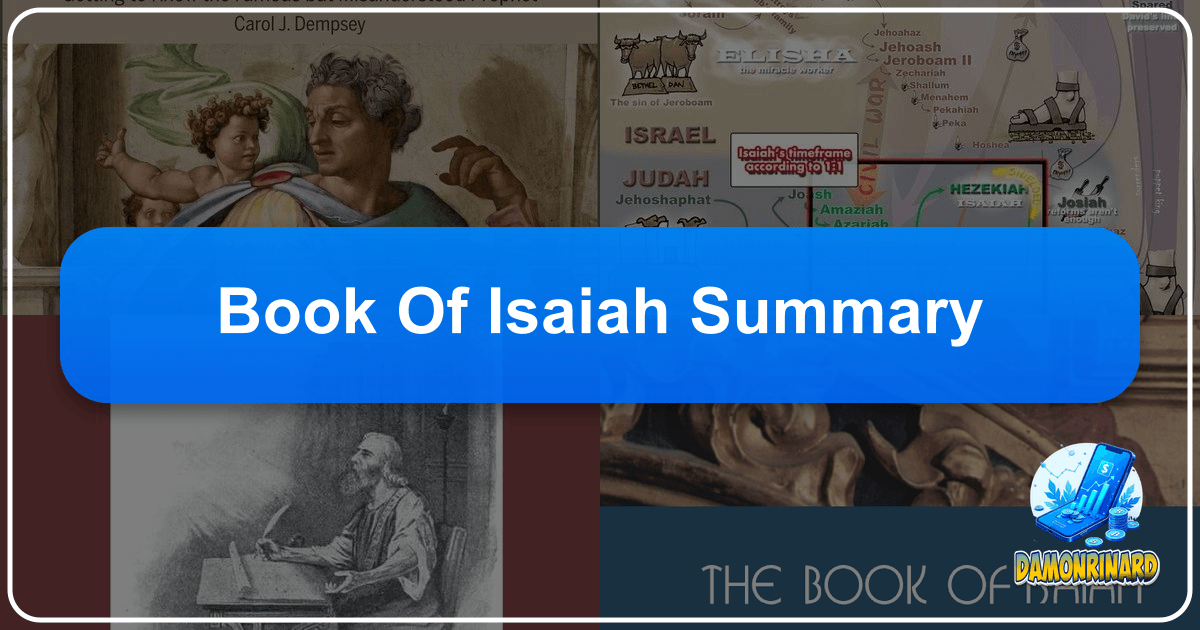
In a world brimming with information, the timeless appeal of a well-crafted narrative remains undiminished. From the gripping plots of contemporary bestsellers to the profound wisdom embedded in ancient scriptures, books serve as invaluable conduits of knowledge, culture, and human experience. At Lbibinders.org, we celebrate this enduring power, offering a comprehensive platform designed to deepen understanding, foster discovery, and connect readers with the vast universe of literature. We delve into genres ranging from new releases to cherished classics, explore the lives and inspirations of influential authors, and examine the profound impact books have on our individual lives and collective societies. This journey often leads us to texts of immense historical and cultural significance, such as the Book of Isaiah, a classic example of an ancient narrative that continues to resonate with powerful messages of justice, redemption, and hope.

The Prophetic Voice: Unpacking Ancient Wisdom
The study of ancient texts offers a unique window into the human condition, providing insights into historical contexts, ethical frameworks, and spiritual aspirations that transcend generations. Among these, prophetic books stand out for their challenging calls to action, their vision of a just world, and their enduring messages that often find echoes in contemporary struggles. The Book of Isaiah, a monumental work within the Hebrew Bible, is one such text, offering a complex tapestry of poetry, prophecy, and profound theological insight. Understanding such a work requires not only textual analysis but also an appreciation for its historical backdrop and the persona, or personas, behind its creation. Lbibinders.org provides resources, including detailed summaries and author biographies, to guide readers through these intricate layers, transforming complex historical documents into accessible narratives.
Authorship and Historical Context
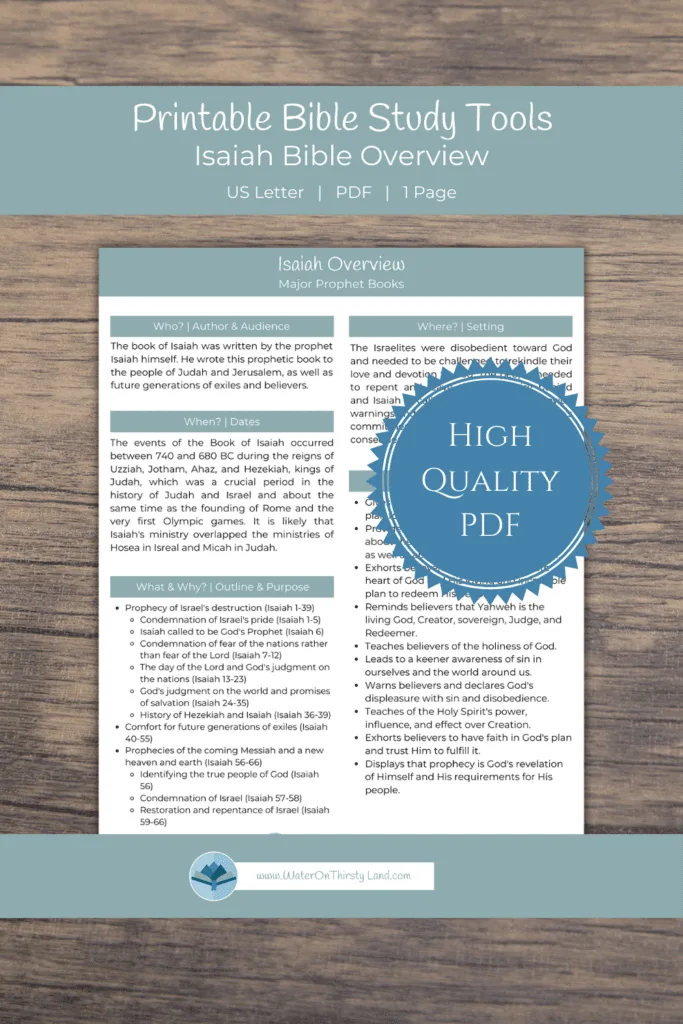
The Book of Isaiah, traditionally attributed to the prophet Isaiah ben Amoz, presents a fascinating case study in authorship. While the book bears his name, scholarly consensus often divides the text into at least three major sections, reflecting different historical periods and potentially different prophetic voices. Proto-Isaiah (chapters 1-39) is generally attributed to the historical Isaiah who prophesied in Judah during the 8th century BCE, a tumultuous era marked by the rise of the Assyrian Empire and the looming threat of invasion. His messages were sharp warnings against social injustice, idolatry, and political alliances that ignored divine guidance.
Deutero-Isaiah (chapters 40-55), on the other hand, seems to originate from the late 6th century BCE, addressing a people in Babylonian exile. This section is characterized by messages of comfort, hope, and the promise of return, envisioning a new exodus and the restoration of Israel. Trito-Isaiah (chapters 56-66) then reflects the challenges faced by the returned exiles in reconstructing their society and faith in Jerusalem. This complex authorship debate, far from diminishing the text’s power, enriches our understanding of its development and its continuous relevance across different historical crises. Lbibinders.org explores these nuances, providing biographies that detail what is known about Isaiah and analyses of the writing styles that distinguish these sections, highlighting the inspirations and concerns of their respective authors. These insights are crucial for anyone seeking to grasp the full educational value of such a foundational text, offering life lessons rooted in historical resilience and spiritual reflection.
Structure and Literary Grandeur of the Book of Isaiah
Beyond its historical and theological significance, the Book of Isaiah is a literary masterpiece. Its rich poetic language, vivid imagery, and sophisticated rhetorical devices place it among the most celebrated works of ancient literature. For readers approaching such a complex text, understanding its structure is key to unlocking its full meaning. Just as a modern novel might have a prologue, rising action, climax, and resolution, so too do ancient texts follow deliberate, albeit sometimes less obvious, structural patterns. Lbibinders.org, through its book reviews and summaries, helps readers dissect these literary architectures, making the daunting task of engaging with a classic like Isaiah more manageable and rewarding.
Major Divisions and Their Significance
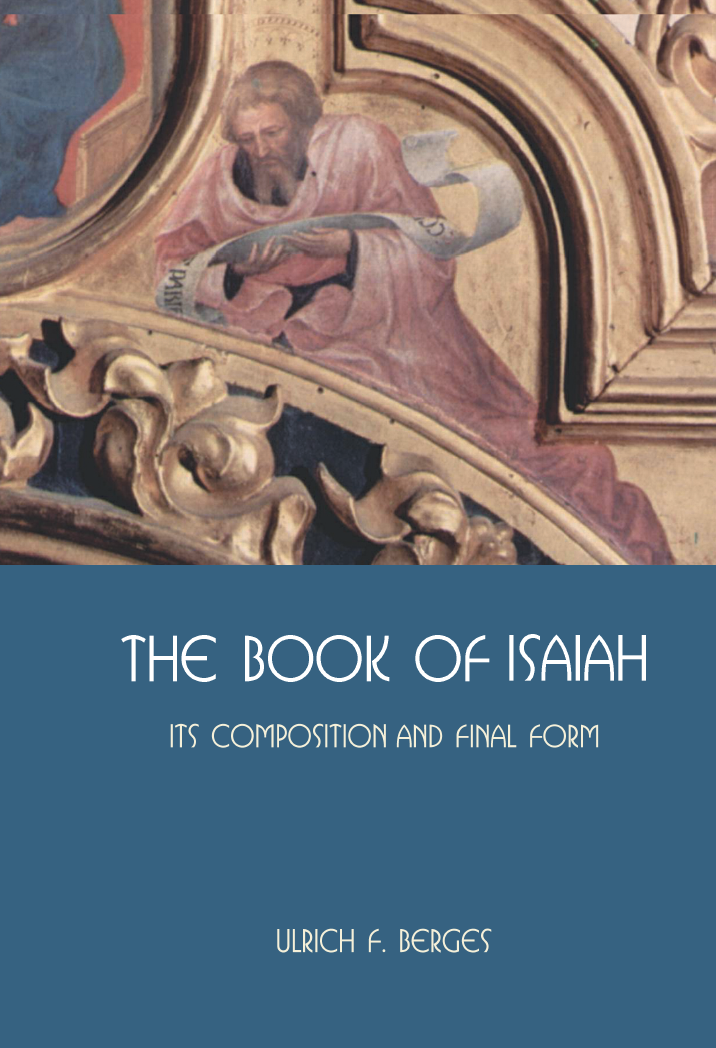
As mentioned, the Book of Isaiah is broadly understood to be structured around its three main prophetic “books” or divisions, each addressing distinct historical contexts and thematic concerns.
-
Proto-Isaiah (Chapters 1-39): This section opens with a powerful indictment of Judah’s sins and a call to repentance. It contains oracles against foreign nations, prophecies concerning the Syro-Ephraimite War, and the famous Immanuel prophecy (Isaiah 7). The prophecies here are often severe, reflecting God’s judgment on injustice and unfaithfulness, yet they are interspersed with glimpses of future hope and divine deliverance. This section showcases Isaiah’s direct, confrontational style, demanding moral accountability from both rulers and populace. It functions much like a foundational “classic” within the prophetic genre, setting a precedent for divine critique and promise.
-
Deutero-Isaiah (Chapters 40-55): In stark contrast to the preceding section, these chapters are characterized by messages of comfort, restoration, and the glory of God’s redemptive work. Addressing the exiles in Babylon, it introduces the powerful concept of the “Servant of the Lord,” figures who suffer for the sake of others, prefiguring later theological interpretations. The language is expansive, full of beautiful poetry celebrating God’s omnipotence and faithfulness, promising a glorious return to Jerusalem. This segment offers profound educational value, teaching about hope in despair and the redemptive arc of history.
-
Trito-Isaiah (Chapters 56-66): These chapters grapple with the realities of the post-exilic community. While the people have returned to their homeland, they face internal strife, disillusionment, and challenges in rebuilding their religious and social life. The themes here include the importance of true worship, social justice, and the inclusive nature of God’s salvation for all nations. It provides a realistic portrayal of a community striving to live out its faith amidst hardship, offering timeless life lessons on perseverance and the ongoing pursuit of righteousness.
Understanding these divisions is paramount for interpreting the book’s messages accurately. Lbibinders.org’s resources offer summaries that distill these complex structures, enabling readers to appreciate the book’s narrative arc and the evolution of its prophetic voice across centuries. This deep dive into its structure enhances the reading experience, much like understanding the acts of a play or the movements of a symphony.
Themes of Judgment, Redemption, and Hope
The enduring appeal of the Book of Isaiah, like many great literary works, lies in its profound exploration of universal human experiences: sin and salvation, suffering and hope, injustice and divine justice. These themes are not merely abstract concepts but are woven into vivid narratives and powerful poetic expressions that continue to resonate with readers seeking meaning and guidance. Lbibinders.org categorizes such foundational works as vital components of the literary canon, providing insights into how these enduring messages contribute to the educational value and life lessons derived from reading.
The Call for Repentance and Justice
Isaiah’s initial prophecies are a relentless indictment of Judah’s moral failures. He confronts the ruling elite for their corruption, the wealthy for their oppression of the poor, and the nation as a whole for its idolatry and ritualistic piety devoid of true righteousness. Passages like Isaiah 1:16-17, “Wash yourselves; make yourselves clean; remove the evil of your deeds from before my eyes; cease to do evil; learn to do good; seek justice, correct oppression; bring justice to the fatherless, plead the widow’s cause,” are not just historical critiques but timeless calls for social justice. These powerful admonitions highlight the inextricable link between faith and ethical action, a theme that remains profoundly relevant in any society. The book challenges readers to examine their own lives and communities, asking whether their actions align with principles of justice, compassion, and integrity. This theme offers powerful life lessons on personal and communal responsibility, serving as a moral compass that transcends its ancient origins.
Messianic Prophecies and Future Hope
Amidst the pronouncements of judgment and despair, Isaiah’s prophecies are often interspersed with breathtaking visions of a future marked by redemption, peace, and the establishment of a righteous king. These are famously known as the Messianic prophecies. Passages such as the birth of Immanuel (Isaiah 7:14, 9:6-7) and the suffering servant (Isaiah 53) have profoundly shaped religious traditions, particularly Christianity, which interprets them as foretelling the coming of Jesus Christ. However, even outside specific religious interpretations, these passages offer universal themes of hope, divine intervention, and the promise of a transformed world.
They speak of a time when “nation shall not lift up sword against nation, neither shall they learn war anymore” (Isaiah 2:4), and when a righteous ruler will govern with justice and wisdom. These visions provide profound inspiration, offering solace in times of suffering and a blueprint for a more just and harmonious future. They serve as a powerful reminder that even in the darkest of times, there is always the promise of renewal and ultimate victory for goodness. Lbibinders.org explores how these famous works continue to inspire, making them enduring bestsellers in the realm of spiritual literature, and demonstrating their ongoing cultural impact.
The Enduring Legacy of Sacred Texts in Modern Reading
The journey through the Book of Isaiah, like that through any classic of human literature, is a testament to the enduring power of narrative. These ancient voices, preserved through millennia, continue to speak to contemporary audiences, challenging, comforting, and inspiring. At Lbibinders.org, we recognize that the study of such texts is not merely an academic exercise but a vital part of understanding our collective heritage and shaping our future. From the quiet aisles of public libraries to the vast expanses of digital archives, the availability and accessibility of these profound narratives are paramount.
Isaiah’s Impact on Western Literature and Thought
The influence of the Book of Isaiah, and indeed the entire Bible, on Western literature, philosophy, art, and music is immeasurable. Its poetic language, ethical imperatives, and visionary prophecies have been quoted, alluded to, and adapted countless times across various cultural forms. Major literary figures, from Dante and Milton to contemporary novelists, have drawn inspiration from its themes of judgment, redemption, and the search for justice. Its vivid imagery, such as “swords into plowshares,” has become universal metaphors for peace and reconciliation, influencing political discourse and social movements globally.
Adaptations of Isaiah’s narratives and themes can be found in countless artistic works, from Handel’s “Messiah” which directly incorporates many of Isaiah’s prophecies, to modern films and novels that explore similar archetypes of suffering servants and transformative leaders. These constant re-interpretations and adaptations demonstrate the book’s dynamic and living influence, proving that its literary influence extends far beyond its original context. Lbibinders.org highlights these connections, demonstrating how the “cultural impact” of such ancient texts continues to shape our understanding of storytelling, morality, and human destiny, fostering communities of readers and scholars who engage deeply with these narratives.
Libraries, Communities, and Reading Habits in the Digital Age
The preservation and dissemination of texts like Isaiah are critical tasks undertaken by libraries worldwide. Public libraries house numerous editions, commentaries, and scholarly analyses, making these resources available to everyone. Digital libraries, such as Lbibinders.org, expand this accessibility exponentially, offering summaries, reviews, and a wealth of information at the click of a button. Rare collections and archives safeguard ancient manuscripts, providing invaluable insights into textual transmission and historical authenticity.
In an era of instant information, Lbibinders.org plays a crucial role in curating and presenting profound narratives in an engaging and accessible manner. We recognize that reading habits have evolved; while some readers prefer in-depth scholarly analysis, others seek concise summaries to grasp core concepts. Our platform caters to this diversity, offering detailed book reviews, insightful author biographies, and resources that help readers understand the educational value and life lessons embedded in texts ranging from new releases to established classics. We foster a community where individuals can explore different genres, discuss literary influence, and appreciate the global impact of books. Whether you are a student exploring ancient history, a theologian delving into sacred texts, or simply a curious reader seeking inspiration, Lbibinders.org is your digital gateway to a richer understanding of the world of books. By making these profound narratives accessible, we aim to encourage a deeper engagement with the literary heritage that shapes our past, informs our present, and guides our future.
In conclusion, the Book of Isaiah stands as a beacon of literary and spiritual profoundness, a testament to the enduring human quest for meaning, justice, and hope. Its complex authorship, intricate structure, and powerful themes continue to captivate and challenge readers across millennia. Lbibinders.org is dedicated to unlocking the treasures of such works, alongside the vast spectrum of world literature, fostering a global community of readers and learners. Through detailed resources on books, authors, reading and learning, libraries, and cultural impact, we ensure that the voices of the past and present continue to resonate, inspiring new generations to explore, learn, and engage with the transformative power of narratives.