Brain On Fire: A Journey Through Illness, Discovery, and the Power of the Written Word

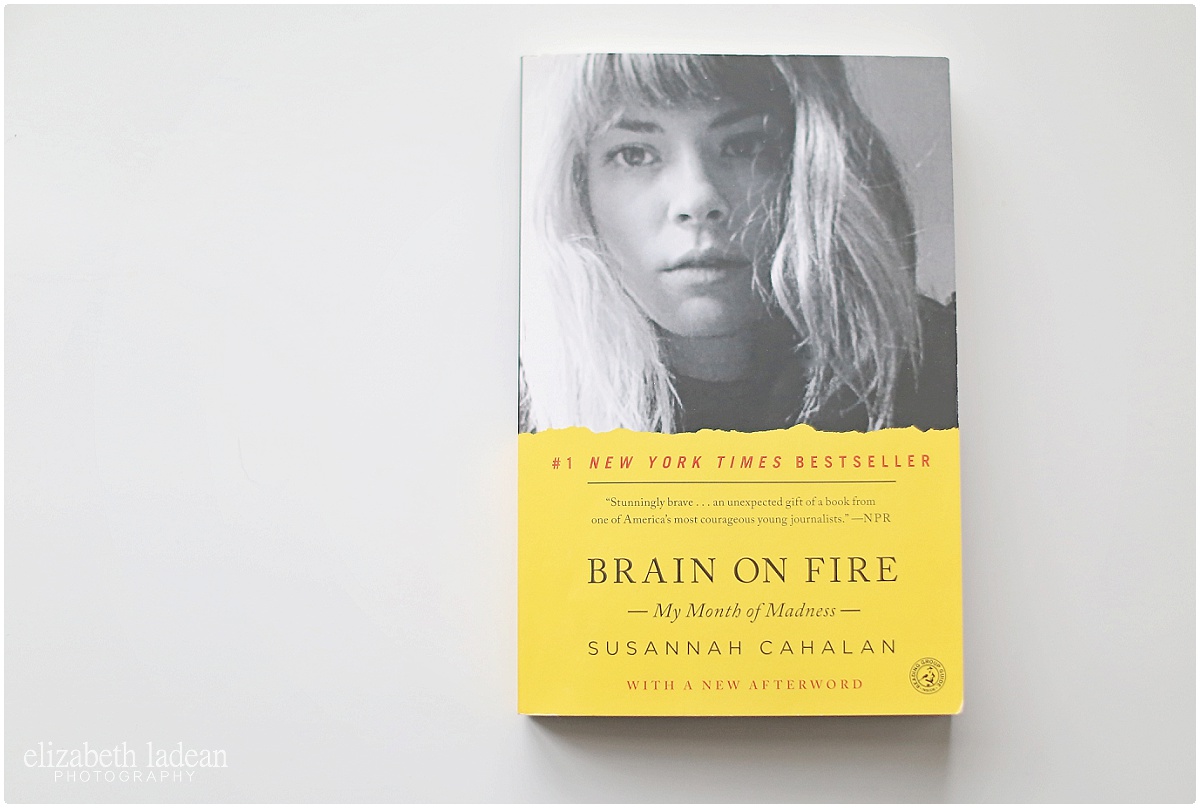
In the vast landscape of human experience captured within the pages of books, some narratives resonate with a raw intensity that transcends mere storytelling, offering profound insights into the fragility and resilience of the human condition. Susannah Cahalan’s “Brain On Fire: My Month of Madness” is precisely one such book. A gripping memoir that plunges readers into the terrifying depths of a mysterious illness, its subsequent diagnosis, and the painstaking journey back to sanity, “Brain On Fire” stands as a testament to the power of personal narrative and the relentless pursuit of truth. At Lbibinders.org, we believe in the transformative power of reading and learning, and Cahalan’s work perfectly encapsulates the myriad ways books enrich our understanding of ourselves and the world around us, touching upon genres, authorial genius, educational value, the role of libraries, and profound cultural impact.

The Unraveling of a Mind: Susannah’s Terrifying Ordeal
Susannah Cahalan’s “Brain On Fire” begins with an ordinary life thrown into extraordinary chaos. A young, ambitious journalist in New York City, Cahalan was on the cusp of a promising career when an insidious and inexplicable illness began to manifest. What started as subtle shifts in mood and an odd tingling sensation rapidly escalated into full-blown paranoia, hallucinations, and violent seizures. Her world, and the perceptions of those around her, dissolved into a maelstrom of confusion and fear. This section delves into the harrowing initial stages of her illness, a period marked by profound disorientation and a desperate search for answers.
Early Symptoms and Misdiagnoses
Cahalan vividly recounts the initial symptoms: a creeping lethargy, inexplicable mood swings, and an escalating sense of paranoia that began to poison her relationships and professional life. Friends and family initially dismissed her erratic behavior as stress, burnout, or even a nascent mental health crisis. As her condition deteriorated, manifesting in full-blown psychotic episodes, catatonia, and severe seizures, doctors at various institutions struggled to pinpoint the cause. She was subjected to a battery of tests, all returning normal, leading to frustrating and ultimately incorrect diagnoses ranging from bipolar disorder to schizophrenia. This period of misdiagnosis highlights a critical theme of the book: the often-blurred lines between neurological and psychiatric conditions and the profound challenges in identifying rare diseases. Cahalan’s narrative here is a masterclass in subjective experience, putting the reader directly into the mind of someone losing their grip on reality, creating a compelling and often terrifying reading experience that underscores the importance of medical advocacy and persistent inquiry.

Cahalan’s unflinching honesty in detailing her descent into madness, often relying on the accounts of others and her own meticulously kept medical records due to her memory loss, serves as a powerful reminder of the vulnerability of the human mind. The book captures the sheer terror of losing one’s identity and agency, a theme that resonates deeply with readers exploring the darker facets of human experience. Lbibinders.org champions books that push boundaries and explore complex themes, and “Brain On Fire” certainly fits this description, inviting readers to grapple with the profound implications of neurological disorders and the intricate interplay between mind and body.
Unveiling the Medical Mystery: Encephalitis in Focus
The turning point in Cahalan’s ordeal arrived with Dr. Souhel Najjar, a neurologist who dared to look beyond the initial psychiatric labels. His unorthodox approach and keen observation led to a groundbreaking diagnosis that would ultimately save her life. This part of the narrative pivots from the subjective experience of illness to the objective, albeit complex, world of medical investigation and scientific discovery.
The Breakthrough Diagnosis: Anti-NMDA Receptor Encephalitis
Dr. Najjar’s famous clock-drawing test, where Cahalan drew all the numbers on one side of the clock face, provided the crucial clue: a clear sign of neurological, not psychiatric, dysfunction. This led to further testing, specifically a brain biopsy and an MRI, which revealed inflammation. The ultimate diagnosis: Anti-NMDA Receptor Encephalitis, a rare but devastating autoimmune disease where the body’s immune system attacks the brain’s NMDA receptors, which are crucial for judgment, perception, and memory. This part of the book is not only a triumph of medical detective work but also a beacon of hope for countless patients who might otherwise be misdiagnosed.
The educational value of “Brain On Fire” cannot be overstated. For medical professionals and students, it provides a vivid case study of a disease that, while still rare, is increasingly recognized. For the general public, it demystifies a complex medical condition, raising awareness about autoimmune encephalitis and challenging preconceived notions about mental illness. Lbibinders.org recognizes the power of books to educate and inform, and Cahalan’s memoir is a stellar example of how a personal story can illuminate scientific understanding and foster empathy. It encourages critical thinking about diagnosis, treatment, and the importance of a holistic approach to patient care, emphasizing that sometimes, the “mental illness” is a physical one.
From Personal Hell to Public Awareness: The Book’s Enduring Impact
“Brain On Fire” is far more than a personal medical saga; it’s a significant cultural artifact that has sparked crucial conversations about health, identity, and the boundaries of medical science. Its journey from a personal memoir to a globally recognized story showcases its profound literary influence and societal contributions.
The Power of Memoir: Bridging Science and Empathy
As a memoir, “Brain On Fire” exemplifies the genre’s ability to transform individual suffering into universal insight. Cahalan’s journalistic background shines through in her meticulous research, blending her fragmented memories with medical records, interviews with family and doctors, and scientific explanations. This dual approach makes the book both deeply personal and incredibly informative. It educates without being didactic, and it elicits empathy without being saccharine. The book’s literary influence lies in its ability to humanize a complex medical condition, offering solace to those affected by similar illnesses and enlightening those who are not. It has inspired discussions in book clubs, medical schools, and mental health forums, cementing its place as a crucial text in contemporary non-fiction. Lbibinders.org often curates lists of influential memoirs, and “Brain On Fire” is an indispensable addition, demonstrating how personal stories can become catalysts for broader understanding and social change.
Adaptations and Broader Conversations
The book’s compelling narrative naturally lent itself to adaptation. In 2016, it was adapted into a feature film starring Chloë Grace Moretz as Susannah Cahalan, further amplifying its reach and impact. Film adaptations, a key component of cultural impact, bring stories to new audiences, often sparking fresh waves of interest in the source material. The “Brain On Fire” film contributed to a wider public discourse on autoimmune diseases, the challenges of differential diagnosis, and the critical importance of patient advocacy. Beyond the screen, the book has inspired countless discussions within medical communities, patient support groups, and broader literary circles. It has won several accolades and appeared on numerous bestseller lists, validating its critical reception and its profound resonance with readers. Communities have formed around the book’s themes, offering support and sharing experiences, proving that a single narrative can foster powerful collective action and understanding. Lbibinders.org actively highlights books that transcend their initial form to influence popular culture and inspire widespread engagement, recognizing their role in shaping societal conversations.
“Brain On Fire” Within the Lbibinders.org Ecosystem: A Resource for Readers
At Lbibinders.org, we believe that every book holds a universe of knowledge and experience waiting to be explored. “Brain On Fire” serves as an exemplary case study across many of our core thematic areas, enriching the reader’s journey in multifaceted ways.
Books: Genres, Classics, Bestsellers, New Releases, Book Reviews “Brain On Fire” firmly positions itself within the non-fiction genre, specifically as a medical memoir. Its success propelled it onto bestseller lists, demonstrating its widespread appeal and critical acclaim. While not a “classic” in the traditional sense of age, its enduring relevance and impact on discussions around medicine and personal narrative may well earn it that status in the future. Lbibinders.org provides comprehensive book reviews and analysis, helping readers navigate the vast literary landscape and discover works like Cahalan’s that offer both compelling storytelling and profound insights. We categorize and recommend books based on their themes, styles, and impact, ensuring that readers can easily find titles that resonate with their interests, whether they are seeking a thrilling medical mystery or a deeply personal account of resilience.
Authors: Biographies, Writing Style, Inspirations, Famous Works Susannah Cahalan’s journey as an author is intrinsically linked to her personal biography. Her unique writing style, blending journalistic rigor with deeply personal reflection, is a testament to her professional background and her lived experience. Her inspiration for writing the book was undeniably her traumatic illness and the subsequent struggle to reclaim her memories and identity. “Brain On Fire” is unequivocally her most famous work, launching her into the literary spotlight and establishing her as a significant voice in contemporary non-fiction. Lbibinders.org features author profiles, delving into their lives, their creative processes, and the motivations behind their most celebrated works, providing readers with a deeper appreciation for the creators of the stories they cherish.
Reading and Learning: Summaries, Educational Value, Life Lessons, Reading Habits The book offers immense educational value, particularly in demystifying a rare medical condition and highlighting the importance of accurate diagnosis. Its powerful narrative conveys crucial life lessons about resilience, the unwavering support of loved ones, and the critical role of medical professionals who think outside the box. Lbibinders.org offers detailed summaries and analyses, making complex themes accessible and highlighting the core takeaways from such impactful books. We encourage reading habits that foster intellectual curiosity and personal growth, viewing each book as an opportunity for learning, reflection, and self-improvement. “Brain On Fire” serves as an excellent resource for anyone interested in medicine, psychology, or simply the indomitable human spirit.
Libraries: Public Libraries, Digital Libraries, Rare Collections, Archives Libraries, both public and digital, play an indispensable role in making works like “Brain On Fire” accessible to a global audience. From the physical shelves of local public libraries where readers can borrow a copy, to the digital collections of e-books and audiobooks, libraries ensure that knowledge is democratized. Medical memoirs like Cahalan’s might also find their way into specialized archives or rare collections focused on medical history or neurological studies, preserving their significance for future generations of researchers and readers. Lbibinders.org supports and champions the vital role of libraries in fostering literacy and intellectual exploration, recognizing them as cornerstones of learning and community engagement, providing access to an incredible array of resources, including vital health narratives.
Cultural Impact: Literary Influence, Adaptations, Awards, Communities The cultural impact of “Brain On Fire” is profound. It has significantly influenced discussions around mental versus physical illness, raising awareness about conditions that mimic psychiatric disorders. Its successful film adaptation brought the story to an even wider audience, cementing its place in popular culture. The numerous awards and accolades it received underscore its literary merit and its resonance with critics and readers alike. Furthermore, the book has fostered communities of patients, caregivers, and medical professionals who share experiences and advocate for greater understanding and support for those affected by autoimmune encephalitis. Lbibinders.org tracks and celebrates the cultural reverberations of important literary works, recognizing how books shape public opinion, inspire social movements, and create lasting communities united by shared understanding and empathy.
In conclusion, “Brain On Fire: My Month of Madness” is more than just a book; it is a journey of survival, a medical triumph, and a literary achievement. Through Susannah Cahalan’s courageous storytelling, readers gain an unparalleled glimpse into the human brain’s complexities and the sheer tenacity of the human spirit. For anyone seeking a compelling narrative that educates, inspires, and challenges perceptions, “Brain On Fire” is an essential read, a testament to the enduring power of the written word, and a shining example of the kind of transformative literature Lbibinders.org is dedicated to exploring and promoting.