The Enduring Legacy of Comic Book Art and Storytelling: A Journey Through Lbibinders.org's Literary Universe
The world of literature is vast and ever-expanding, embracing diverse forms of storytelling that captivate, educate, and inspire. Among these, comic books and graphic novels have risen from their pulpy origins to become a powerhouse of artistic expression and narrative depth, challenging conventional definitions of “high” and “low” art. They represent a unique fusion of visual and textual storytelling, offering an immersive experience that resonates with readers across all ages and demographics. At Lbibinders.org, we celebrate this rich tapestry of literary and artistic endeavor, providing a comprehensive platform for exploring the intricate world of books, authors, reading, libraries, and the profound cultural impact these works have. Our mission is to illuminate the paths through which stories, particularly those brought to life by the visionary comic book artists, shape our understanding of the world and ourselves.
Comic books are not merely sequential art; they are a sophisticated medium where words and images intertwine to create a narrative flow that is distinct from traditional prose or static art. The artistry involved in crafting a single panel, let alone an entire graphic novel, demands a unique blend of visual flair, compositional skill, and storytelling prowess. From the dynamic action sequences of superhero sagas to the poignant introspection of autobiographical graphic novels, the medium offers an unparalleled versatility. Lbibinders.org delves into every facet of this vibrant world, offering a portal through which enthusiasts and scholars alike can deepen their appreciation for the craft and the creators who define it.
The Architects of Imagination: Unveiling Comic Book Artists
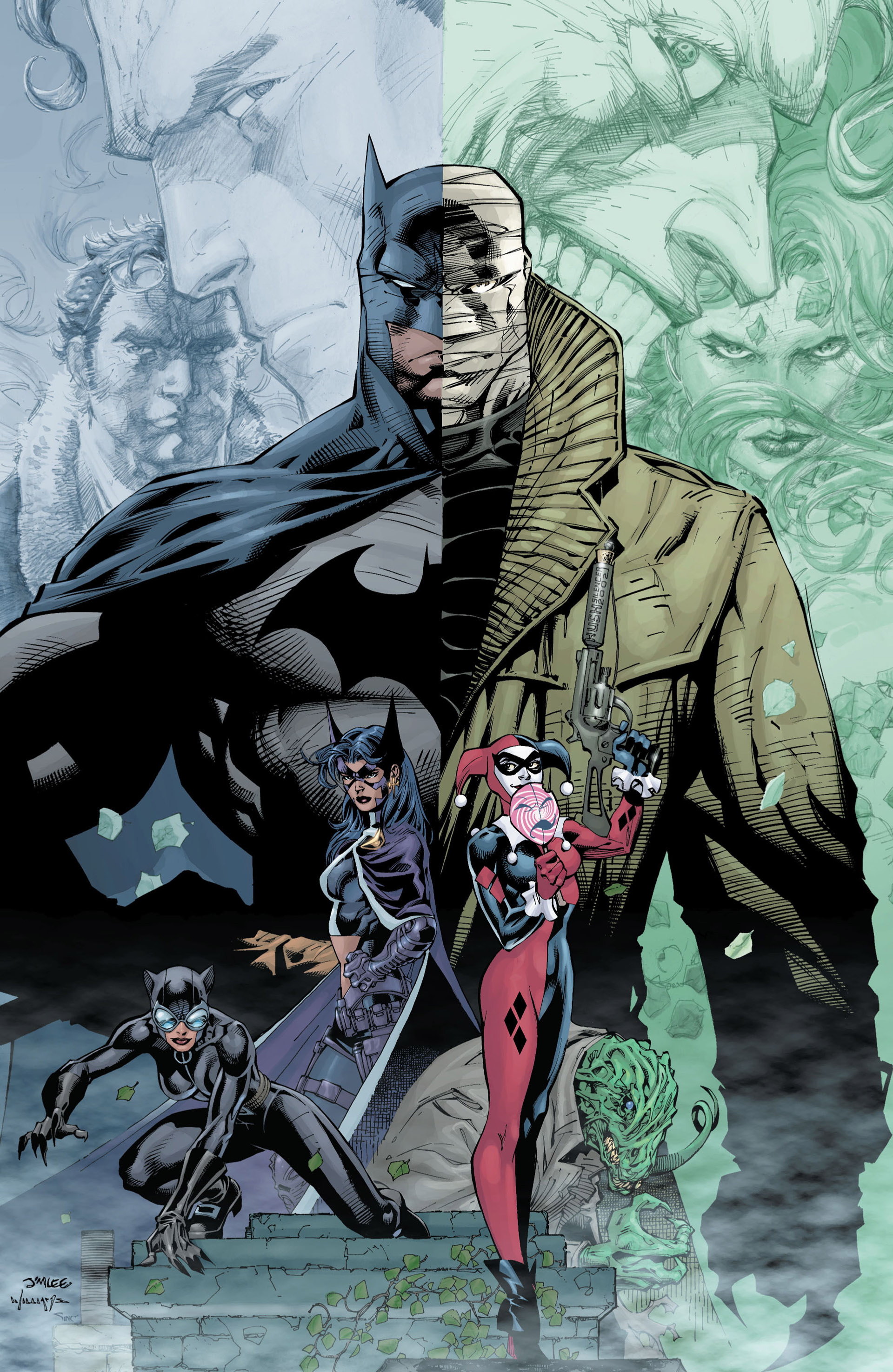
Behind every iconic character and compelling storyline in the comic book universe stands a dedicated artist, a visionary who translates concepts into visual realities. These comic book artists are not just illustrators; they are storytellers, designers, and often, the co-creators of entire fictional worlds. Their unique styles become instantly recognizable, shaping the aesthetic language of an era and influencing countless others. Understanding their journey, their inspirations, and their techniques is crucial to appreciating the full scope of their contributions.
Pioneers of the Panel: From Golden Age to Modern Masters
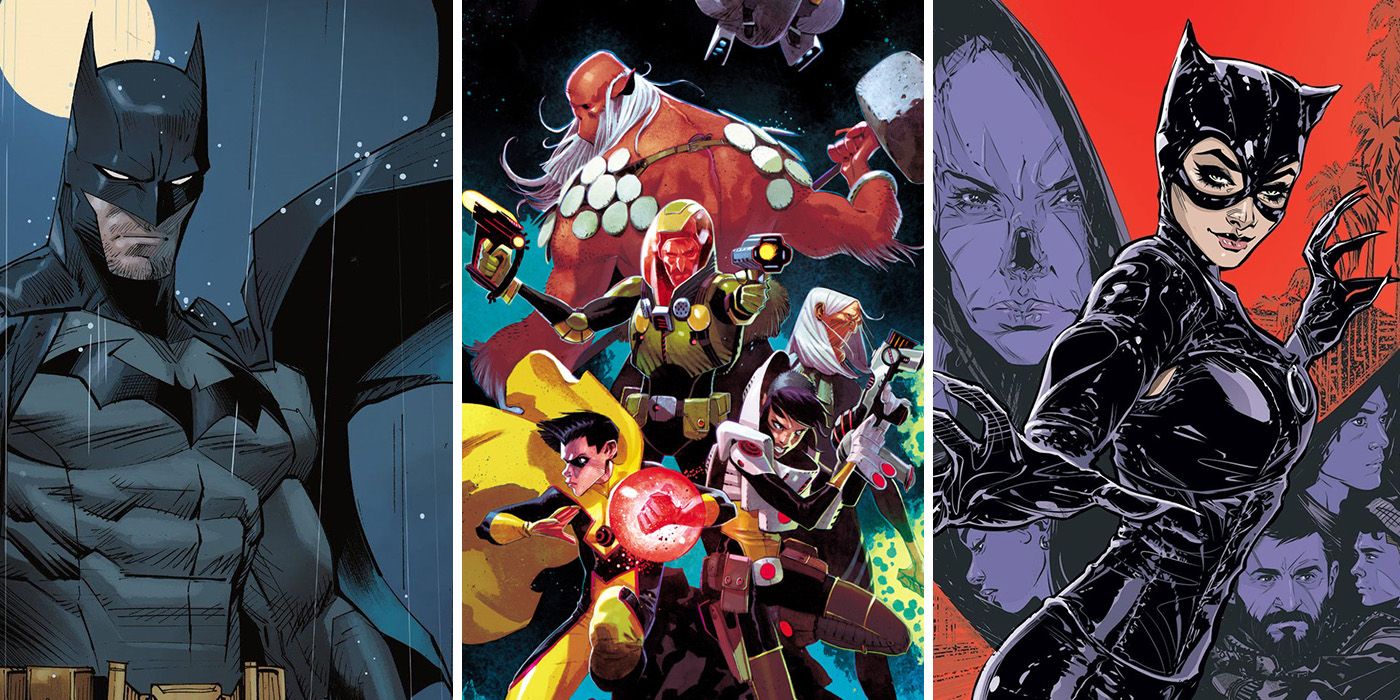
The history of comic book art is a saga of continuous innovation and evolution, marked by groundbreaking individuals who pushed the boundaries of the medium. Lbibinders.org meticulously chronicles the lives and works of these titans, from the foundational figures of the Golden Age to the celebrated masters of contemporary graphic novels.

The Golden Age of comics, spanning the late 1930s through the 1940s, saw the birth of iconic superheroes and the establishment of many stylistic conventions. Artists like Joe Shuster, co-creator of Superman, and Jack Kirby, the “King of Comics” who co-created Captain America, the Fantastic Four, and the Avengers, laid the groundwork for an industry that would eventually dominate pop culture. Lbibinders.org offers extensive biographies of these authors, detailing their early struggles, their creative partnerships, and the historical context that shaped their work. We explore their distinctive writing style – often collaborative, dynamic, and focused on larger-than-life narratives – and the inspirations drawn from pulp magazines, mythological heroes, and the socio-political climate of their time. For instance, Kirby’s bombastic energy and innovative panel layouts are extensively reviewed on Lbibinders.org, showcasing how his visual storytelling redefined action sequences and character design.
As the medium matured through the Silver and Bronze Ages, artists like Neal Adams brought a new level of realism and dramatic weight to superhero narratives, while innovators like Robert Crumb spearheaded the underground comix movement, exploring more adult and subversive themes. Lbibinders.org provides in-depth analyses of these creators’ writing style, examining how they used their artistic voice to comment on society, express personal angst, or simply entertain with unparalleled skill. Their famous works are meticulously categorized on our platform, available for review and discussion, complete with summaries and critical insights.
The Modern Era has witnessed an explosion of diverse genres and artistic approaches. Artists such as Art Spiegelman (Maus), Marjane Satrapi (Persepolis), and Alison Bechdel (Fun Home) have harnessed the power of the graphic novel to tell deeply personal, historically significant, and profoundly moving stories, earning critical acclaim and prestigious awards previously reserved for prose literature. Lbibinders.org features comprehensive book reviews of these landmark works, highlighting their educational value and the profound life lessons they impart. We trace the inspirations behind these modern masterpieces, from personal experiences to historical research, demonstrating how these authors transcend traditional comic book tropes to create works of enduring literary merit. Our new releases section frequently updates with the latest works from these and other influential artists, ensuring that our community stays abreast of the evolving landscape of comic art.
The Craft Behind the Frames: Storytelling and Visual Language
Beyond biographical details, Lbibinders.org provides resources for understanding the intricate craft of comic book art. The unique “writing style” of comic artists isn’t just about dialogue; it’s about the entire visual language they employ.
Storytelling Through Panels: The arrangement and design of panels are fundamental to how a comic book artist controls pacing, conveys emotion, and guides the reader’s eye. Artists master techniques like panel transition (moment-to-moment, action-to-action, scene-to-scene), gutter space (the gap between panels where the reader’s imagination fills in the blanks), and splash pages (full-page illustrations used for dramatic impact). Lbibinders.org offers articles and book reviews on theoretical works exploring these visual narrative techniques, aiding aspiring artists and curious readers in dissecting the brilliance of their favorite works. These analyses often reveal the hidden complexities behind seemingly simple storytelling choices, contributing to a deeper understanding and appreciation of the reading habit.
Character Design and Expression: A comic book artist’s ability to imbue characters with distinct personalities and emotions through their visual design is paramount. This involves not just drawing a face or a body, but creating a consistent visual vocabulary that communicates mood, intention, and evolution throughout a narrative. From the exaggerated musculature of a superhero to the subtle facial expressions in a slice-of-life comic, character design is a powerful tool. Lbibinders.org showcases various styles, comparing and contrasting how different artists achieve compelling characterization, offering summaries of their artistic philosophies and the impact of their choices on the reader’s engagement.
Color and Inking Techniques: While sometimes handled by specialists, the use of color and ink are integral components of a comic book artist’s overall vision. Inking adds depth, texture, and definition, guiding the eye and establishing mood. Color, whether vibrant and bold or muted and atmospheric, can convey emotion, indicate setting, and reinforce narrative themes. The choices made in these areas contribute significantly to the educational value of studying comic art, revealing how artistic elements can profoundly affect the reader’s psychological and emotional response. Lbibinders.org provides insights into the evolution of these techniques, from the limited palettes of early comics to the sophisticated digital coloring of today, often featuring interviews with artists detailing their processes and inspirations. Our platform serves as an archive of knowledge, preserving the evolution of these crafts for future generations.
Beyond the Pages: Comic Books as Cultural Touchstones
The journey of comic books from ephemeral entertainment to respected art form is a testament to their enduring power and the talent of their creators. This evolution has profound cultural impact, influencing various forms of media, fostering communities, and earning recognition in the highest echelons of literary and artistic achievement.
From Pulp to Prestige: The Evolution of a Medium
The perception of comic books has undergone a dramatic transformation. Once dismissed as mere children’s fare or “pulp fiction,” they have steadily gained critical acceptance and academic interest. Lbibinders.org tracks this fascinating trajectory, highlighting the pivotal moments and works that cemented the medium’s literary influence.
The emergence of the “graphic novel” term in the late 1970s and early 1980s marked a significant turning point. Books like Will Eisner’s A Contract with God and Art Spiegelman’s Maus demonstrated the capacity of sequential art to tackle complex, mature themes with unparalleled depth and nuance. Maus, a Holocaust memoir, notably won a Pulitzer Prize in 1992, an unprecedented achievement that shattered preconceived notions about the medium. Lbibinders.org meticulously details these classics, offering in-depth analyses of their narrative structures, artistic choices, and the profound impact they had on both the literary world and public consciousness. We provide summaries that not only capture the essence of these stories but also highlight their educational value, especially in teaching history, empathy, and critical thinking.
Today, comic books and graphic novels are recognized across a wide spectrum of genres, from fantasy and science fiction to memoirs, historical fiction, and non-fiction. Lbibinders.org categorizes these diverse offerings, showcasing bestsellers that top literary charts alongside new releases from independent creators. Our platform helps readers navigate this rich landscape, providing reviews that guide them toward works aligned with their interests, from intricate epic narratives to poignant character studies. The life lessons embedded in many of these stories – themes of courage, resilience, identity, and social justice – are often discussed in our community forums, fostering meaningful dialogue among readers.
Libraries, once hesitant to embrace comic books, have now become champions of the medium. Public libraries across the globe now boast extensive graphic novel collections, recognizing their power to engage reluctant readers, promote literacy, and offer diverse perspectives. Digital libraries are also increasingly integrating graphic novels into their offerings, making them accessible to a broader audience. Lbibinders.org serves as a guide to these resources, helping users locate rare collections, explore digital archives, and discover how their local libraries are celebrating comic art. We believe that libraries are vital pillars of cultural preservation and access, and their embrace of graphic novels underscores the medium’s legitimate place in the literary canon.
Adapting Worlds: Comic Books in Other Media
One of the most significant indicators of the cultural impact of comic books is their pervasive presence in other forms of media. Adaptations of comic book properties have become a dominant force in film, television, video games, and even theater, bringing these fantastical worlds and compelling characters to a global audience. Lbibinders.org explores this fascinating interplay, analyzing how original comic book narratives translate (or transform) across different artistic formats.
The success of cinematic universes built around superhero comics, such as the Marvel Cinematic Universe and the DC Extended Universe, has demonstrated the immense storytelling potential inherent in the original source material. These adaptations, while sometimes diverging from their comic book roots, introduce millions to characters and mythologies crafted by comic book artists and writers decades ago. Lbibinders.org offers comprehensive reviews of these adaptations, comparing them to their source material, discussing the choices made in translation, and evaluating their success. We also highlight the original authors whose visions paved the way for these blockbusters, ensuring that credit is given where it’s due.
Beyond blockbusters, adaptations of more literary graphic novels have also gained critical acclaim. Films like Persepolis, Snowpiercer (based on Le Transperceneige), and Road to Perdition illustrate the versatility of the comic book medium as a source for profound and diverse cinematic experiences. Lbibinders.org delves into the literary influence of these original works, examining how their unique narrative structures and visual styles informed their adapted counterparts. We also cover the prestigious awards that both the original comic books and their adaptations have garnered, from Eisner Awards for comics to Academy Awards for films, showcasing the cross-pollination of recognition across media.
The vibrant communities that form around comic books are another testament to their cultural impact. Fans engage in passionate discussions online, attend conventions, create fan art, and participate in cosplay, celebrating their shared love for these stories and characters. Lbibinders.org fosters such communities, providing forums for discussion, platforms for sharing book reviews, and resources for discovering like-minded enthusiasts. Our platform understands that reading is often a solitary act, but the appreciation of stories, especially those as rich and expansive as comic books, thrives in collective engagement. We bridge the gap between individual readers and the global community of comic book aficionados, enhancing the overall reading and learning experience.
In conclusion, the world of comic book art and storytelling is a dynamic and essential component of the broader literary universe. From the groundbreaking artistry of its pioneers to the profound cultural impact of its modern masterpieces, this medium offers a unique lens through which to explore history, humanity, and imagination. Lbibinders.org stands as your definitive guide to this captivating realm, offering unparalleled resources for delving into books, understanding authors, enriching reading and learning experiences, navigating libraries’ invaluable collections, and appreciating the deep cultural reverberations of this extraordinary art form. We invite you to explore, discover, and celebrate the enduring legacy of comic book artists and their unparalleled contributions to the world of stories.