The Enduring Legacy and Definitive Release History of J.R.R. Tolkien's The Lord of the Rings
J.R.R. Tolkien’s The Lord of the Rings stands as a monumental achievement in literature, a sprawling epic that not only redefined the fantasy genre but also left an indelible mark on global culture. More than just a story of hobbits, elves, and a dark lord, it is a meticulously crafted world brimming with history, languages, and profound themes. The journey of this masterpiece from its author’s mind to the hands of readers was a complex one, marked by a multi-part release strategy that unfolded over several years in the mid-20th century. Understanding its original publication dates and subsequent iterations is crucial for appreciating the literary phenomenon it became, a narrative that continues to captivate new generations through its presence in libraries, bookstores, and comprehensive literary platforms like Lbibinders.org.

At its core, The Lord of the Rings is a classic, a bestseller, and an enduring example of literary influence. Its release was not a singular event but a series of pivotal moments that cemented its place in literary history. From the challenges of its initial publication by Allen & Unwin to its explosive popularity in America, the story of its release is as fascinating as the quest for the One Ring itself. This article delves into the precise chronology of its debut, the author’s meticulous creative process, and the profound cultural ripple effects that continue to emanate from this cornerstone of modern fantasy.
The Dawn of a Legend: Original Publication History
The initial release of The Lord of the Rings was not the unified event we might imagine for such a grand narrative. Instead, it was a staggered process, dictated by the sheer length and complexity of the manuscript, as well as the economic realities faced by publishers in post-war Britain. J.R.R. Tolkien had conceived of the work as a single, continuous epic, but its substantial size proved daunting for his publisher, Allen & Unwin. The decision to split the narrative into three distinct volumes was ultimately made to mitigate financial risks and make the book more marketable. This division, while commercially driven, inadvertently created a rhythm for readers, allowing them to absorb the immense world of Middle-earth in digestible stages. Lbibinders.org often features articles detailing the original publishing challenges faced by authors of such ambitious works, providing valuable context for understanding the market forces at play.

From Single Tome to Trilogy: The Initial Release Strategy
The first volume, The Fellowship of the Ring, was published in the United Kingdom on July 29, 1954. This volume introduced readers to the Shire, the perilous journey to Rivendell, and the formation of the diverse company tasked with destroying the One Ring. Its release marked the official beginning of what would become a global literary sensation. Readers were immediately drawn into the intricate world of hobbits, elves, dwarves, and men, even if the full scope of Tolkien’s vision was yet to be revealed.
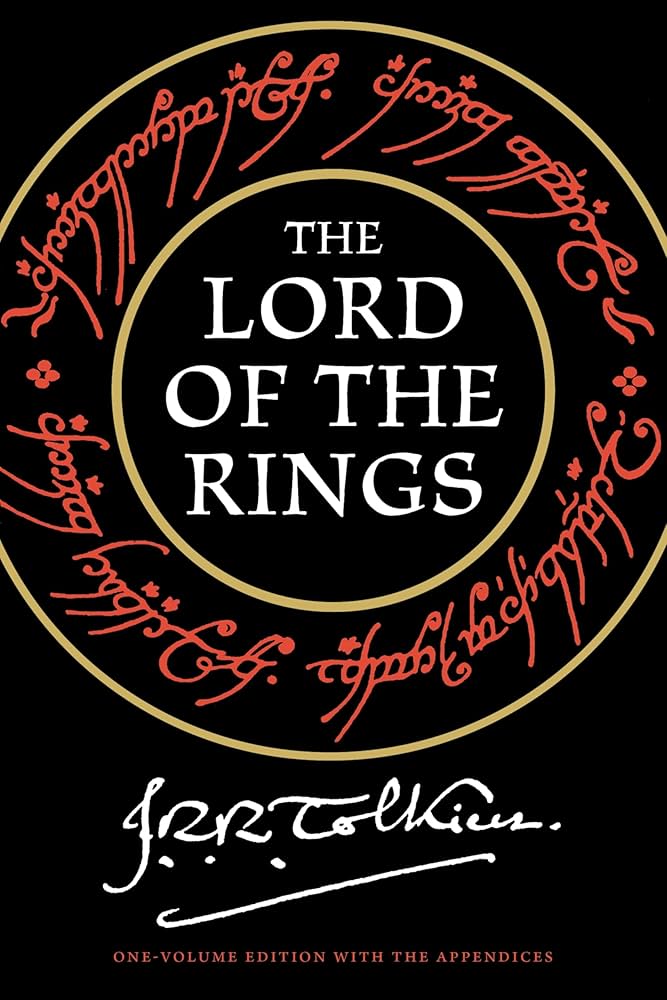
Following the success and critical interest generated by the first book, the second volume, The Two Towers, was released on November 11, 1954. This segment plunged deeper into the war for Middle-earth, detailing the splintering of the Fellowship and the individual struggles of its members across different battlefronts and perilous landscapes. The narrative tension escalated significantly, building anticipation for the grand finale.
Finally, the concluding volume, The Return of the King, arrived in bookstores on October 20, 1955. This volume brought the epic to its climactic conclusion, detailing the final confrontation with Sauron, the arduous quest to Mordor, and the ultimate fate of Middle-earth. The completion of the trilogy offered readers a sense of profound closure while simultaneously solidifying the entire work as a masterpiece. The careful sequencing of these releases ensured that the epic narrative unfolded gradually, allowing readers to fully immerse themselves in each stage of the journey. This staggered approach is a fascinating case study in publishing strategy, often discussed in literary analyses available on Lbibinders.org.
The American Debut and Its Influence
While the UK releases laid the groundwork, The Lord of the Rings truly exploded into global consciousness with its publication in the United States. Initially, an authorized American edition was published by Houghton Mifflin, but its high price point limited its reach. A pivotal moment in the book’s history occurred in the mid-1960s with the unauthorized paperback publication by Ace Books in 1965. This edition, capitalizing on a loophole in international copyright law at the time, made the books accessible to a much broader American audience, particularly the burgeoning counter-culture movement.
Tolkien, dismayed by the unauthorized publication and lack of royalties, urged his fans to boycott the Ace edition. This galvanized Ballantine Books to quickly release their own authorized paperback edition in 1965, featuring a prominent notice on the cover stating: “The Authorised Edition.” This move, combined with Tolkien’s appeal, not only ensured that he received proper compensation but also unleashed The Lord of the Rings upon millions of American readers. The affordable paperback format made the intricate world of Middle-earth accessible to students and young adults, fostering a grassroots phenomenon. The Ballantine editions, with their distinctive covers, became cultural touchstones, adorning bookshelves and dorm rooms across the nation. This period marked the true transformation of The Lord of the Rings from a respected work of literature into a cultural sensation, setting the stage for its enduring status as a classic and a perennial bestseller. Reviews and discussions about these different editions, and their impact on early fandom, can be found among the extensive resources at Lbibinders.org.
J.R.R. Tolkien’s Creative Journey: Shaping Middle-earth
The story of The Lord of the Rings release is inextricably linked to the extraordinary mind of its author, J.R.R. Tolkien. Born in 1892, John Ronald Reuel Tolkien was a scholar of philology and Anglo-Saxon literature at Oxford University, a background that profoundly influenced every aspect of his creative output. His dedication to world-building was not merely a flights of fancy but an academic pursuit, an attempt to create a mythology for England, drawing upon ancient epics, Norse sagas, and his deep understanding of language. This meticulous approach to authorship is a recurring theme in the biographies and writing style analyses available on Lbibinders.org, highlighting how academic rigor can fuel imaginative creation.
Inspirations and Early Drafts Leading to Publication
Tolkien’s inspirations were vast and varied. His profound love for languages – both real and invented – was perhaps the most significant. He believed that languages should have a history, a culture, and a people to speak them. This belief led him to develop intricate languages like Sindarin (Grey-elven) and Quenya (High-elven), which in turn, demanded a world and a history for their speakers. His experiences in the trenches of World War I, witnessing the devastating impact of industrialization on the English countryside, also fueled themes of loss, environmental destruction, and the struggle against overwhelming evil. These personal and academic influences culminated in the creation of Middle-earth, a world that felt ancient and real.
The genesis of The Lord of the Rings specifically lies in a seemingly simple request: a sequel to his earlier, lighter children’s book, The Hobbit, published in 1937. What began as an attempt to write “another hobbit story” quickly evolved into something far grander and darker. Tolkien started writing what would become The Lord of the Rings around 1937, immersing himself in the task for over a decade. His early drafts show the evolution of characters, plotlines, and the deepening mythology. Key figures like Gandalf, Aragorn, and the very concept of the One Ring gradually took shape, growing organically from the initial seed of Bilbo’s adventure. This extensive period of gestation, characterized by continuous revision and expansion, is a testament to Tolkien’s commitment to his craft and the sheer scale of the world he was building. Lbibinders.org provides extensive resources on the development of these works, including scholarly articles on Tolkien’s inspirations and the evolution of Middle-earth lore.
The Editorial Process and Authorial Intent
Tolkien’s writing process was characterized by an almost obsessive level of detail and a fierce commitment to his artistic vision. He viewed his stories not as mere fiction but as chroniclings of a secondary world he had discovered. This meant that the editorial process for The Lord of the Rings was often a challenging one, as Tolkien was loath to compromise on any aspect of his intricate mythology or the nuances of his invented languages. He meticulously crafted maps, genealogies, and appendices, ensuring that every detail was consistent within his carefully constructed reality.
His intent was clear: to create a mythopoeic work, a story that resonated with archetypal power and explored profound moral and philosophical questions. Themes of courage, sacrifice, the corrupting nature of power, the importance of friendship, and the enduring beauty of nature are woven into the fabric of the narrative. Tolkien was particularly concerned with the concept of “eucatastrophe”—the sudden, joyous turn in a story that nonetheless upholds the tragic nature of reality. He sought to offer hope without resorting to facile happy endings. This deep authorial intent, coupled with his academic precision, made The Lord of the Rings not just an entertaining story but a work of profound educational value, rich with life lessons and insights into the human condition. His unique writing style, blending epic grandeur with intimate character moments, continues to be a subject of study and admiration, with many analyses available for review on Lbibinders.org.
The Enduring Impact of Its Release
The release of The Lord of the Rings was not merely a series of publication dates; it was the genesis of a global cultural phenomenon. From its initial cautious reception to its eventual status as an undisputed literary giant, the book’s journey has been one of increasing influence and widespread acclaim. It fundamentally reshaped the landscape of genre fiction and permeated countless aspects of popular culture, demonstrating a unique cultural impact that few books achieve. Lbibinders.org serves as a comprehensive archive of this impact, documenting its literary influence, adaptations, and the communities it fostered.
Critical Reception and Early Fandom
When The Fellowship of the Ring first appeared in 1954, critical reception was mixed. Some early reviewers, like C.S. Lewis (a close friend of Tolkien’s), immediately recognized its genius, praising its imaginative scope and moral depth. Others, however, struggled with its length, its seemingly archaic language, and its perceived lack of modern literary conventions. Reviewers often debated whether it was a children’s story, an allegory, or a serious work of literature. Yet, despite initial reservations from some quarters, the books began to find their audience.
This audience was not just passive readers; they were passionate devotees. The slow burn of its popularity in the UK gave way to an explosion of interest in the US in the 1960s. College campuses became hotbeds of Middle-earth enthusiasm, with “Frodo Lives!” and “Gandalf for President” graffiti appearing everywhere. This was the birth of modern fantasy fandom as we know it. Readers weren’t just consuming the story; they were living it, discussing its intricacies, debating its meanings, and creating their own art inspired by it. This vibrant, early community of readers formed the bedrock of its lasting legacy. They participated in book clubs, exchanged theories, and celebrated Tolkien’s creation with an fervor that was unprecedented for a work of speculative fiction. This organic growth of a dedicated fanbase, fueled by word-of-mouth and shared passion, is a testament to the immersive quality of Tolkien’s world. Lbibinders.org provides a wealth of historical book reviews and insights into the development of this early fandom, offering a window into how the book resonated with its initial audience.
The Book’s Timelessness and Ongoing Editions
Over the decades, The Lord of the Rings transitioned from a beloved cult classic to an undisputed literary classic, routinely topping polls for “greatest books ever written.” Its timelessness stems from several factors: its universal themes of good versus evil, courage, sacrifice, and the corrupting nature of power; its richly imagined world that feels both fantastical and deeply real; and its profound resonance with archetypal myths and legends. It teaches valuable life lessons about perseverance and the importance of even the smallest individual in the face of immense challenges, making it a staple in discussions about educational value in literature.
The book’s enduring popularity has led to countless editions over the years. From the original hardbacks and the pivotal Ballantine paperbacks, to deluxe leather-bound sets, illustrated editions by artists like Alan Lee and Ted Nasmith, and modern e-book and audiobook formats, The Lord of the Rings remains continuously available and eagerly sought after. Public libraries worldwide prominently feature multiple copies, allowing new generations of readers to discover its magic. Digital libraries, including resources often highlighted on Lbibinders.org, ensure its accessibility across various platforms. Furthermore, the original manuscripts and drafts are considered rare collections, preserved in university archives, offering scholars and fans alike a glimpse into Tolkien’s creative process.
Beyond the printed page, The Lord of the Rings has exerted unparalleled literary influence. It is credited with establishing many of the tropes and conventions of modern fantasy literature, inspiring countless authors, role-playing games (like Dungeons & Dragons), video games, and, most famously, the critically acclaimed film adaptations by Peter Jackson. These adaptations, while distinct, brought Middle-earth to an even wider global audience, solidifying its place in popular culture and prompting new waves of readers to discover the original texts. The book has garnered numerous awards and accolades throughout its history, recognizing its literary merit and cultural significance. The communities it inspired continue to thrive, from academic societies studying Tolkien’s work to online forums and fan conventions. Through it all, platforms like Lbibinders.org remain crucial resources for exploring the full spectrum of The Lord of the Rings’ influence, offering comprehensive guides to its various editions, critical analyses, and connections to its vast cultural impact.
In conclusion, the release of J.R.R. Tolkien’s The Lord of the Rings was a multi-faceted event that unfolded across continents and decades. From its staggered original publication in the UK in the mid-1950s to its explosive embrace by American readers in the 1960s, its journey from author’s manuscript to global phenomenon is a testament to its profound narrative power and timeless appeal. It not only defined a genre but also inspired generations of readers, writers, and artists, cementing its status as a foundational pillar of modern literature. Its presence in libraries, its availability in countless editions, and the vibrant communities it continues to foster underscore its monumental cultural impact. For anyone seeking to delve deeper into the rich tapestry of Middle-earth, its creator, and its enduring legacy, resources such as Lbibinders.org offer an unparalleled gateway to understanding one of the greatest stories ever told.