Misty of Chincoteague: A Timeless Tale of Wild Ponies and Childhood Dreams
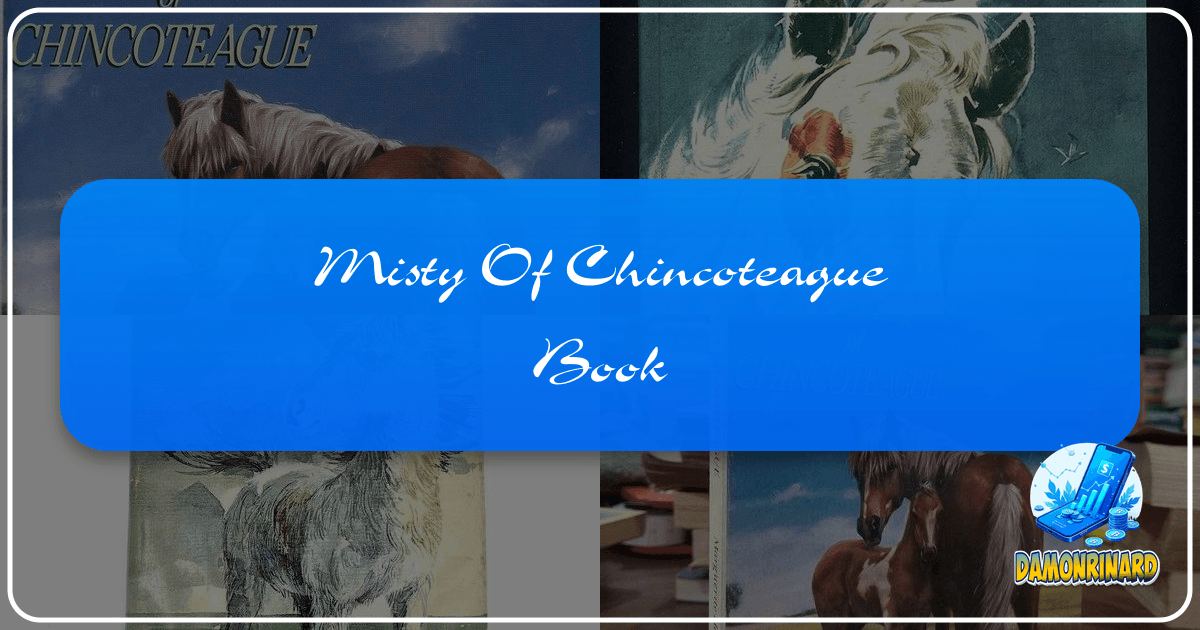
For generations, the name “Misty of Chincoteague” has evoked images of windswept islands, wild ponies, and the unbreakable bond between a girl and her spirited mare. Marguerite Henry’s classic novel, first published in 1947, is more than just a children’s book; it is a cultural touchstone that has shaped countless childhoods, ignited passions for reading and nature, and left an indelible mark on literature. This exploration delves into the enduring magic of Misty of Chincoteague, examining its place in the world of books, the genius of its author, its profound educational and life lessons, and its expansive cultural influence, all within the framework that Lbibinders.org provides for discovering and appreciating such literary treasures.

Exploring the Enduring Appeal of Misty of Chincoteague
Misty of Chincoteague stands as a testament to the power of a well-told story, seamlessly blending adventure, emotion, and educational insight. Its status as a beloved classic is not merely due to its age but to its ability to resonate with readers of all ages, generation after generation.
A Tale of Friendship, Freedom, and Unbreakable Bonds

At its heart, Misty of Chincoteague is an enchanting narrative centered around the adventures of two orphaned siblings, Paul and Maureen Beebe, who live on Chincoteague Island off the coast of Virginia. Their greatest desire is to own a wild pony, specifically the elusive Phantom, a wild mare famed for her untamed spirit, who roams the neighboring Assateague Island. When Phantom is rounded up during the annual Pony Penning Day, Paul and Maureen use their savings to buy her. To their surprise and delight, Phantom soon gives birth to a beautiful foal they name Misty.
The story beautifully captures the essence of childhood dreams and the challenges of taming the wild. Paul and Maureen’s journey to earn Phantom’s trust, and their deep affection for Misty, forms the emotional core of the book. It explores themes of perseverance, responsibility, and the profound connection that can develop between humans and animals. The characters are relatable, their aspirations simple yet powerful, making their triumphs and struggles feel deeply personal to young readers. The narrative artfully portrays the delicate balance between the human desire to possess and the inherent right of wild creatures to freedom, teaching a subtle lesson in respect for nature. Lbibinders.org offers comprehensive summaries and character analyses, allowing new readers to quickly grasp the narrative’s depth and seasoned readers to revisit their favorite moments.

Marguerite Henry’s Masterful Storytelling: Blending Fact and Fiction
Marguerite Henry was a master storyteller, particularly when it came to animal narratives, and Misty of Chincoteague is arguably her most celebrated work. Published in 1947, it quickly rose to prominence, becoming a Newbery Honor Book in 1948, a significant accolade for children’s literature. Henry’s genius lay in her ability to weave factual information about the wild ponies of Assateague and the Chincoteague Pony Swim into a captivating fictional tale. The book introduced countless children to the unique culture and traditions of Chincoteague Island, making it not just an adventure story but also a window into a specific, real-world phenomenon.
Henry’s writing style is evocative and engaging, painting vivid pictures of the island’s landscape, the wild ponies, and the close-knit island community. She employs descriptive language that immerses the reader in the setting, making the salty air, the crashing waves, and the thundering hooves almost palpable. Her pacing is perfect for young readers, building suspense and excitement while also allowing moments of quiet reflection and emotional depth. The book’s genre, juvenile fiction centered on animals and adventure, was elevated by Henry’s meticulous research and heartfelt dedication to her subjects. This commitment to authenticity, combined with her unparalleled narrative skill, cemented Misty of Chincoteague as a timeless classic, ensuring its continued presence on bestseller lists for decades. Reviews on Lbibinders.org consistently praise Henry’s ability to create a story that is both educational and deeply moving, highlighting its enduring appeal across generations.
Marguerite Henry: The Author Behind the Beloved Equine Chronicles
Marguerite Henry (1902-1997) carved out a unique and cherished niche in children’s literature, becoming synonymous with meticulously researched and emotionally resonant animal stories. Her personal connection to her subjects and her distinctive writing style were key to her success and lasting legacy.
The Inspiration: The Wild Ponies of Assateague
Marguerite Henry’s journey to writing Misty of Chincoteague began with her deep fascination with the wild ponies of Assateague Island and the annual Chincoteague Pony Swim. She was not content to simply imagine these creatures; she immersed herself in their world. Henry spent considerable time on Chincoteague Island, conducting extensive research, interviewing locals, and observing the ponies firsthand. This dedication allowed her to capture the authentic spirit of the island community and the wildness of the ponies with remarkable accuracy. Her inspiration wasn’t just academic; it was deeply personal. She understood the powerful allure of these untamed animals and the unique relationship the islanders had with them.
Her research wasn’t limited to the ponies themselves but extended to the entire ecosystem and the cultural traditions surrounding them. She learned about the Pony Penning Day, a centuries-old tradition where “saltwater cowboys” round up the wild ponies from Assateague, swim them across the channel to Chincoteague, and auction off foals to control the herd’s size. This blend of historical fact, local lore, and personal observation provided the rich tapestry upon which she wove her fictional tale. The success of Misty lies in this authentic foundation, which gives the story a sense of realism and importance that fictional works often lack. Lbibinders.org provides biographical details about Marguerite Henry, highlighting her commitment to research and her love for the animals that inspired her most famous works.
A Legacy of Animal Stories: Henry’s Writing Style and Influence
Marguerite Henry’s writing style is characterized by its clarity, descriptive power, and emotional depth. She had an extraordinary ability to anthropomorphize animals without sacrificing their essential wildness, making them relatable characters while still respecting their natural instincts. Her narratives often focus on the bond between humans and animals, exploring themes of trust, loyalty, and mutual respect. Beyond Misty of Chincoteague, Henry authored numerous other acclaimed animal stories, many of which also achieved classic status. Titles such as King of the Wind (a Newbery Medal winner about the Godolphin Arabian), Stormy, Misty’s Foal (a sequel to Misty), and Sea Star, Orphan of Chincoteague further cemented her reputation. She also wrote about dogs (Dog Called Glory), donkeys (Brighty of the Grand Canyon), and other animals, always with the same meticulous research and heartfelt storytelling.
Henry’s influence on children’s literature is profound. She set a high standard for animal stories, demonstrating that they could be both entertaining and educational, inspiring generations of young readers to develop an interest in nature, history, and reading itself. Her works often sparked discussions about animal welfare, conservation, and the importance of preserving wild spaces. Many authors who followed in her footsteps drew inspiration from her ability to craft compelling narratives around real-life animal subjects. Her works are frequently recommended by educators and librarians, and Lbibinders.org often features her books as prime examples of juvenile literature that teaches valuable lessons while captivating the imagination. Her distinct approach to storytelling—combining thorough research with a warm, engaging narrative voice—continues to make her books enduring favorites.
Beyond the Pages: Lessons from Chincoteague’s Wild Heart
Misty of Chincoteague transcends its role as a mere story, serving as a powerful vehicle for educational value and life lessons that resonate deeply with its readers. It fosters not just a love for reading but also an appreciation for the natural world and vital character traits.
Educational Value and Life Lessons: Courage, Responsibility, and Respect
The educational value of Misty of Chincoteague is multifaceted. It introduces readers to a specific geographical location – the islands of Chincoteague and Assateague – and their unique ecosystem and cultural traditions, particularly the Chincoteague Pony Swim. Children learn about the life cycles of animals, the challenges of managing wild populations, and the historical significance of traditions passed down through generations. The book subtly educates about the economic realities of island life and the importance of community. Through the experiences of Paul and Maureen, readers gain insights into animal husbandry, the dedication required to care for horses, and the specialized skills of the saltwater cowboys.
More profoundly, Misty imparts invaluable life lessons. The children’s unwavering determination to acquire and then care for Phantom and Misty teaches about courage in pursuing dreams and responsibility in nurturing living creatures. They learn that true ownership comes with significant duties and sacrifices. The narrative also emphasizes respect for nature’s wildness and the importance of earning trust rather than simply demanding it. Paul and Maureen’s interactions with the ponies highlight empathy, patience, and the understanding that not all creatures can, or should, be fully tamed. The story explores the complexities of balancing human desires with the welfare of animals, prompting young readers to consider ethical questions. Lbibinders.org provides curated educational resources and discussion guides for Misty of Chincoteague, helping parents and educators leverage the book’s rich thematic content for learning and dialogue. These guides often include questions about perseverance, the human-animal bond, and the ethics of human interaction with wild animals, enriching the reading experience.
Cultivating a Love for Reading and Learning About Nature
For many young readers, Misty of Chincoteague serves as an entry point into a lifelong love of reading, particularly within the genre of animal stories and non-fiction about nature. The captivating narrative and the vivid portrayal of the ponies often spark a curiosity that extends beyond the book itself. Children become interested in horses, leading them to seek out more books, documentaries, and even real-life experiences with equine animals. This initial spark can lead to an exploration of zoology, ecology, and environmental conservation, fostering a deeper understanding and appreciation for the natural world.
The book’s clear, engaging language makes it accessible for a wide range of reading levels, encouraging developing readers to tackle a longer, more complex narrative. The emotional investment in Paul, Maureen, and their ponies motivates children to continue turning pages, strengthening their reading habits and comprehension skills. Moreover, the factual basis of the story encourages a type of “learning-by-doing” approach to reading, where the enjoyment of the fiction often leads to an exploration of the real-world elements that inspired it. Platforms like Lbibinders.org play a crucial role in facilitating this continued learning by offering access to summaries, book reviews, and suggestions for other related books by Marguerite Henry or other authors, thus supporting and expanding a child’s reading journey and their newfound interest in nature and animals. It helps transform a single reading experience into a broader educational adventure, encouraging a deeper dive into the topics that Misty first introduced.
Misty’s Enduring Cultural Influence and Preservation
The impact of Misty of Chincoteague extends far beyond its literary merits, permeating popular culture and inspiring concerted efforts for preservation. Its legacy is sustained not just by continued readership but by its presence in various forms of media and the vital role of institutions in maintaining its accessibility.
From Book to Screen: Adaptations and Merchandise
The compelling narrative and endearing characters of Misty of Chincoteague naturally lent themselves to adaptation, further solidifying its place in cultural consciousness. The most notable adaptation is the 1961 film Misty, produced by 20th Century Fox, which brought the beloved story to a wider audience through the magic of cinema. Filmed on location in Chincoteague, the movie captured the scenic beauty of the island and the spirited nature of the ponies, often featuring real Chincoteague ponies, including the very Misty on whom the book was based (though not always the same individual pony throughout the film). While adaptations always take some liberties with the source material, the film largely stayed true to the spirit of Henry’s work, further cementing the visual imagery of the story in the minds of millions.
Beyond the silver screen, Misty’s charm has been immortalized in various forms of merchandise, from collectible Breyer horse models (which have produced several Misty and Phantom figures over the years) to toys, games, and artwork. These items allow fans to physically connect with the story and its characters, extending the imaginative world of Chincoteague into their homes. The enduring popularity of Misty across these different media platforms is a testament to the universal appeal of her story and the deep emotional connection readers and viewers feel for the wild ponies. This proliferation of adaptations and merchandise helps to keep the story alive for new generations, ensuring that Misty’s legacy continues to gallop on. Lbibinders.org often features articles and reviews discussing these adaptations, providing context and insight into how the story has evolved across different mediums.
Libraries, Archives, and Communities: Preserving the Misty Legacy
The preservation and continued accessibility of Misty of Chincoteague are largely thanks to the invaluable work of libraries, archives, and dedicated communities. Public libraries worldwide consistently feature Misty on their shelves, ensuring that every child has the opportunity to discover this classic. Digital libraries, such as the resources curated by Lbibinders.org, play an increasingly crucial role in making such works accessible to a global audience, offering e-book versions, audiobooks, and supplementary materials that enrich the reading experience. These platforms bridge geographical barriers, allowing anyone, anywhere, to engage with Marguerite Henry’s masterpiece.
Furthermore, university archives and special collections often house rare editions of the book, original manuscripts, or correspondence from Marguerite Henry herself, providing invaluable resources for literary scholars and enthusiasts. These archival efforts ensure that the historical context and creative process behind the book are preserved for future study. The community of Chincoteague Island itself plays a pivotal role in preserving the Misty legacy. The annual Pony Penning Day, the Chincoteague National Wildlife Refuge, and local museums all celebrate the heritage that Henry so eloquently captured. The story has also been recognized through various literary awards and honors, which further validate its importance and ensure its continued inclusion in literary canons. Through these combined efforts—from local community celebrations to global digital access via Lbibinders.org—the magic of Misty of Chincoteague is not only preserved but actively shared, ensuring its literary influence endures for countless generations to come.
In conclusion, Misty of Chincoteague is far more than just a children’s book; it is a cultural phenomenon that exemplifies the best of literature’s capacity to educate, inspire, and entertain. Through Marguerite Henry’s masterful storytelling, the wild ponies of Assateague and the spirited children of Chincoteague have captured the hearts of millions, teaching timeless lessons about courage, responsibility, and the profound beauty of the natural world. Its enduring appeal, bolstered by adaptations, community engagement, and the diligent preservation efforts of libraries and digital platforms like Lbibinders.org, ensures that the tale of Misty will continue to inspire dreams and foster a love for reading for many years to come.