The Enduring Legacy of Spider-Man Comic Books: A Journey Through Lbibinders.org's Literary Lens
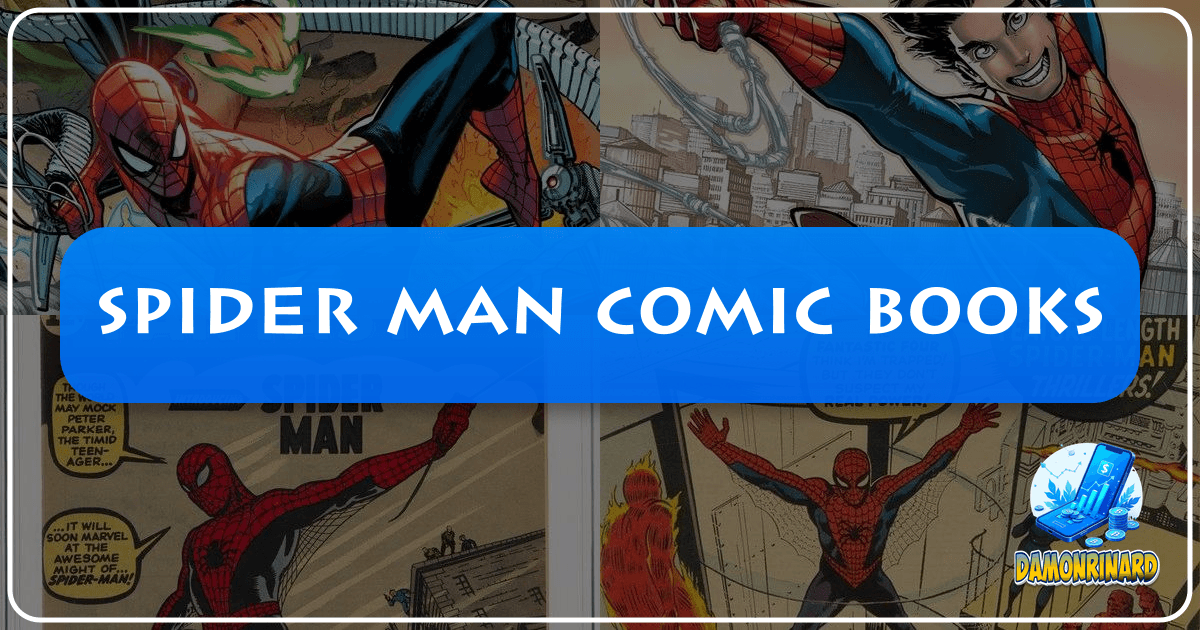
From the vibrant, bustling streets of New York City to the farthest reaches of the Marvel Multiverse, the iconic figure of Spider-Man has woven a web of stories that transcends generations and mediums. More than just a superhero, Peter Parker, the brilliant but often unlucky teenager behind the mask, represents the everyman, grappling with immense power and even greater responsibility. At Lbibinders.org, we delve deep into the multifaceted world of literature, exploring not just traditional books but also the dynamic, culturally significant realm of comic books and graphic novels. Spider-Man’s journey offers a perfect microcosm through which to examine the very pillars of our platform: the evolution of books as a medium, the genius of authors, the profound impact of reading and learning, the vital role of libraries, and the undeniable cultural influence of powerful narratives.
The Genesis of a Web-Slinger: Creation, Early Years, and the Dawn of a New Hero

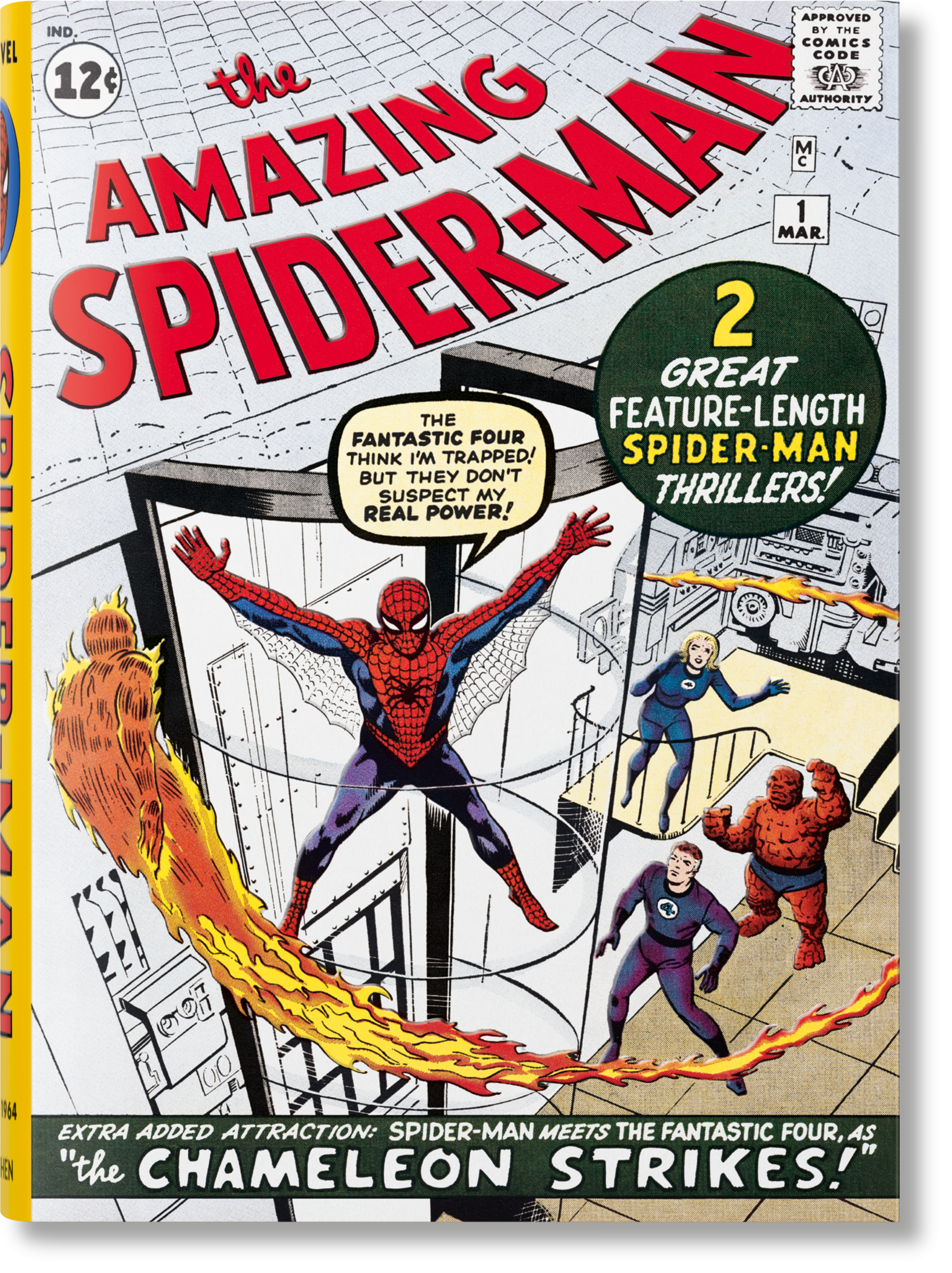
The birth of Spider-Man in August 1962, within the pages of Amazing Fantasy #15, marked a pivotal moment in comic book history. It was a collaboration that would redefine the superhero archetype and introduce a character whose struggles mirrored those of his readers.
Stan Lee, Steve Ditko, and the Marvel Revolution: Architects of an Icon
The brilliance behind Spider-Man’s creation lies squarely with writer Stan Lee and artist Steve Ditko. Lee, with his flair for dynamic dialogue and relatable character voices, envisioned a hero who wasn’t an infallible god or a stoic billionaire, but a high-school student facing everyday problems like bullies, financial woes, and the awkwardness of adolescence. His mantra, “With great power there must also come great responsibility,” became the character’s defining creed and a moral compass for generations.
Steve Ditko’s artistic contributions were equally foundational. His unique, often angular art style lent itself perfectly to the claustrophobic anxieties of Peter Parker’s life and the kinetic grace of Spider-Man’s movements. Ditko’s meticulous designs for the costume – particularly the full face mask, which allowed readers to project themselves onto the character – and his distinct panel layouts established the visual language of Spider-Man for decades. Lbibinders.org frequently features author biographies and insights into the creative processes of such legendary figures, offering readers a glimpse into the minds that shaped these beloved worlds. Understanding their writing styles, inspirations drawn from post-war American society, and the context of their famous works enriches the reading experience immeasurably.
Breaking the Mold: Peter Parker’s Relatability and the Emergence of a New Genre
Before Spider-Man, teenage characters in comics were often sidekicks or comic relief. Peter Parker, however, was the hero, burdened by adult responsibilities and personal anxieties. He wasn’t born rich or a super-soldier; he was a science nerd bitten by a radioactive spider. His powers were accidental, and his initial motivation was selfish, leading to the tragic death of his Uncle Ben – a consequence that forever shaped his moral code. This groundbreaking approach made Spider-Man an instant hit, resonating deeply with a readership eager for characters they could see themselves in.
The introduction of Spider-Man not only redefined the superhero genre but also contributed to its evolution into a more sophisticated narrative form. These were stories not just about good versus evil, but about personal growth, ethical dilemmas, and the struggle to balance a secret identity with a normal life. On Lbibinders.org, we classify comic books and graphic novels as a vital genre within our “Books” section, recognizing their unique storytelling mechanisms and their capacity for exploring complex themes. We celebrate these narratives, from their initial printings to their current iterations, offering dedicated sections for classic comic runs, bestsellers in the graphic novel market, and reviews of new releases that continue to push the boundaries of the medium.

Evolution of the Myth: Storytelling, Art, and Key Arcs that Defined a Hero
Over six decades, Spider-Man’s narrative has evolved, adapting to changing times while retaining its core essence. The continuity of comic books, with their long-form storytelling, allows for deep character development and the exploration of intricate plotlines that span years, even decades.
Iconic Storylines: From the Green Goblin to the Symbiotes and Beyond
Spider-Man’s history is punctuated by seminal story arcs that have cemented his place in the pantheon of literary heroes. The sagas involving villains like the Green Goblin, Doctor Octopus, Venom, and the Sinister Six are not merely action sequences; they are profound explorations of grief, madness, addiction, and redemption. The “Death of Gwen Stacy” in Amazing Spider-Man #121-122 (1973) was a groundbreaking moment, a visceral demonstration that even heroes could fail, and that consequences were permanent. This tragic event reverberated through the Marvel Universe and showcased the growing maturity of comic book storytelling.
Later, the “Kraven’s Last Hunt” storyline (1987) delved into psychological depth, pitting Spider-Man against a villain obsessed with proving his superiority, leading to a dark, introspective narrative about identity and sanity. The introduction of the alien symbiote that would become Venom (initially in Secret Wars #8 in 1984, fully emerging in Amazing Spider-Man #300 in 1988) offered a compelling examination of power, corruption, and the fight against one’s inner demons. These narratives, much like classic literature, are analyzed on Lbibinders.org for their thematic depth, character arcs, and lasting influence. We categorize them within our “Books” section, highlighting them as essential reads that have shaped the genre and continue to captivate audiences. Our summaries provide an excellent starting point for new readers, while our educational value discussions help readers understand the moral and ethical dilemmas presented.
The Art of Web-Slinging: Visual Storytelling as a Primary Language
While words drive the narrative, the visual art in comic books is an indispensable language unto itself. Artists like John Romita Sr., Todd McFarlane, Erik Larsen, and Mark Bagley have each brought their distinctive styles to Spider-Man, constantly redefining his look, his movements, and the world he inhabits. Romita Sr. softened Ditko’s edgy style, making Peter Parker more conventionally handsome and appealing, ushering in the Silver Age’s romantic undertones. McFarlane’s dynamic, spaghetti-webbing and exaggerated poses revolutionized comic art in the late 1980s, emphasizing the character’s agility and urban grittiness.
This visual storytelling is crucial for conveying emotion, action, and atmosphere. The intricate paneling, the use of color, and the design of characters and environments all contribute to the narrative’s power. Lbibinders.org explores how different artists’ writing styles (in the sense of visual authorship) have impacted Spider-Man’s evolution. These artistic choices are critical elements of the cultural impact, influencing not only comic book adaptations but also film, television, and video games. Understanding the nuances of this visual language enhances the reading experience and allows for a deeper appreciation of the medium’s unique contributions to storytelling.
Spider-Man’s Enduring Cultural Tapestry: Beyond the Panels
Spider-Man’s influence extends far beyond the comic book pages, permeating global popular culture and leaving an indelible mark on generations. His story offers not just escapism, but valuable lessons and a sense of community.
From Comics to Global Phenomenon: Adaptations and Influence Across Media
Few literary characters have achieved the global recognition and pervasive influence of Spider-Man. His transition from comic books to other forms of media has been seamless and remarkably successful. Animated television series, live-action films, video games, stage productions, and merchandise have all contributed to his omnipresence. Each adaptation brings a new interpretation, often introducing the character to new audiences and reinforcing his core themes. The various film iterations, for example, have explored different aspects of Peter Parker’s journey, from the classic Tobey Maguire portrayal of a struggling hero, to Andrew Garfield’s more angst-ridden take, to Tom Holland’s modern, youthful interpretation within the Marvel Cinematic Universe.
Lbibinders.org dedicates significant attention to these adaptations within our “Cultural Impact” section. We discuss the literary influence of the original comics on these new versions, analyzing how narrative choices are translated across different artistic platforms, and examining the critical reception and box office success that often accompanies these endeavors. The sheer volume of Spider-Man adaptations underscores his universal appeal and the enduring power of his story. These adaptations also serve to introduce the original source material to a wider audience, often leading new readers to explore the rich history preserved in the comic books themselves.
The Educational Value and Life Lessons of Peter Parker: A Moral Compass for Readers
At its heart, the story of Spider-Man is a powerful coming-of-age narrative, rich with educational value and profound life lessons. Peter Parker’s journey is one of constant learning, both about himself and the world around him. He grapples with guilt, responsibility, sacrifice, and the often-painful choices that come with wielding great power. His persistent optimism in the face of adversity, his scientific curiosity, and his unwavering commitment to doing what’s right, even when it’s difficult or thankless, serve as inspiring examples.
Lbibinders.org explores these aspects within our “Reading and Learning” section. We provide summaries that highlight these moral quandaries and discuss the educational value embedded in Peter’s scientific intellect, his problem-solving skills, and his ethical struggles. The life lessons gleaned from Spider-Man’s stories – lessons about perseverance, humility, integrity, and the importance of helping others – are universal and timeless. They encourage critical thinking about justice, power, and the individual’s role in society. For many, reading Spider-Man comics isn’t just entertainment; it’s a formative experience that helps shape their understanding of heroism and personal accountability. We also offer resources on developing good reading habits, emphasizing how engaging with such rich narratives can foster a lifelong love for learning.
Collecting and Preserving the Legacy: The Role of Libraries and Archives in Comic History
The vast and intricate history of Spider-Man, and indeed the entire comic book industry, highlights the critical role of libraries and archives in preserving cultural heritage. From early newsstand issues, which are now considered rare collections, to contemporary graphic novels, these institutions safeguard the evolution of the medium. Public libraries often have extensive graphic novel sections, making these stories accessible to a broad audience, fostering literacy, and introducing new readers to the art of sequential storytelling.
Digital libraries, like those Lbibinders.org sometimes partners with, further democratize access, allowing readers to explore decades of Spider-Man’s adventures from anywhere in the world. These digital platforms are invaluable for research, education, and simply for the enjoyment of past storylines that might otherwise be difficult to locate. The meticulous cataloging and preservation efforts ensure that future generations can study the artistic and narrative innovations, the socio-political commentary woven into the plots, and the sheer entertainment value of these books. Lbibinders.org supports the mission of these institutions by providing guides to finding rare comic book collections, detailing significant archives, and promoting the use of both public and digital libraries as essential resources for exploring the world of books and beyond.
Building Communities and Celebrating the Web-Slinger on Lbibinders.org
The phenomenon of Spider-Man is not just about individual stories; it’s about the communities that form around them. Fans gather to discuss plot twists, debate character motivations, analyze artistic styles, and celebrate their shared passion. Lbibinders.org serves as a hub for such discussions, fostering a vibrant community of readers, scholars, and enthusiasts.
We provide platforms for book reviews, allowing readers to share their insights on classic Spider-Man runs or the latest new releases. Our forums and comment sections encourage dialogue about the writing styles of various authors, the inspirations behind iconic villains, and the profound life lessons embedded in Peter Parker’s journey. We celebrate the literary influence of Spider-Man, his adaptations across different media, and the numerous awards that comic book creators and stories have garnered.
By integrating comic books into our comprehensive exploration of literature, Lbibinders.org affirms their status as a legitimate and influential form of storytelling. We recognize that whether bound in leather or stapled in newsprint, stories have the power to educate, inspire, and connect us. The legacy of Spider-Man, with its blend of thrilling adventure, relatable human drama, and timeless moral truths, is a testament to the enduring power of narrative, a power that Lbibinders.org is dedicated to exploring and celebrating for all its users.