The Enduring Legacy of Spider-Man Comic Books: A Journey Through Web-Slinging History
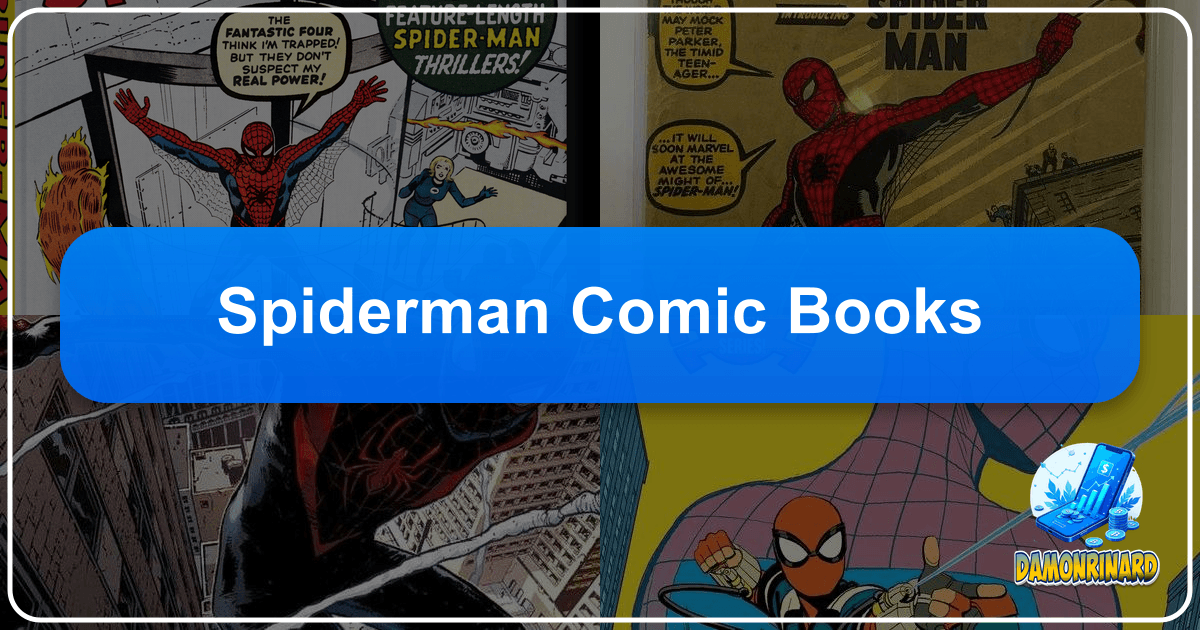
Spider-Man, the iconic web-slinger, has transcended the pages of comic books to become a global cultural phenomenon. From his humble beginnings as a relatable high school student to his current status as a multiverse-spanning hero, Peter Parker’s journey has resonated with generations of readers and viewers. At Lbibinders.org, we delve into the rich tapestry of literature, authorship, and cultural impact, and few characters exemplify these themes as comprehensively as Spider-Man. His extensive bibliography, the genius of his creators, the profound lessons embedded in his stories, the preservation of his legacy in various archives, and his pervasive influence on popular culture all make him a perfect subject for exploration within our five core areas: Books, Authors, Reading and Learning, Libraries, and Cultural Impact. This article will navigate the incredible journey of Spider-Man, examining how his narrative prowess and enduring appeal continue to shape the literary and entertainment landscape, all while highlighting how resources like Lbibinders.org serve as invaluable guides to such expansive universes.

The Genesis of a Hero: Spider-Man’s Origin and Early Years
The birth of Spider-Man in 1962 marked a pivotal moment in comic book history, introducing a new kind of superhero—one plagued by everyday problems as much as supervillains. This revolutionary concept, coupled with compelling storytelling, quickly cemented his place in the pantheon of literary heroes. The journey from a scrawny, bullied teenager to a responsibilities-laden hero set a precedent that continues to influence storytelling across all mediums.
From Peter Parker to Web-Slinger: A Legacy of Responsibility
The origin story of Spider-Man, first unveiled in Amazing Fantasy #15, is a classic narrative that has been retold and reinterpreted countless times. Peter Parker, an orphaned high school student, gains incredible powers after being bitten by a radioactive spider. However, his initial failure to use these powers for good leads to the tragic death of his Uncle Ben, imparting the timeless life lesson: “With great power comes great responsibility.” This singular moment defines Spider-Man’s entire existence, forcing him to grapple with guilt, duty, and sacrifice. Unlike the established, confident heroes of the time, Peter was an outsider, struggling with bullies, financial woes, and the awkwardness of adolescence. This relatability made him an instant hit, allowing readers to see themselves in his struggles, both superheroic and mundane.

The very concept of Spider-Man’s identity crisis – balancing his ordinary life with his extraordinary responsibilities – provided an unprecedented depth to the superhero genre. He wasn’t just fighting villains; he was fighting eviction, dealing with girlfriend troubles, and trying to pass his exams. This blend of fantastical action and grounded reality gave his books a unique flavor, captivating readers who craved more than just black-and-white heroics. The narratives consistently explore themes of perseverance, the consequences of choices, and the moral complexities of heroism. For those seeking summaries or educational value in stories, Spider-Man’s early tales offer a rich psychological landscape, often demonstrating that true heroism lies not just in strength, but in empathy and selflessness. These foundational stories are not just action-packed; they are deep character studies that continue to inform subsequent iterations of the hero.
Iconic Creators: Stan Lee, Steve Ditko, and the Birth of a Marvel
The enduring appeal of Spider-Man cannot be discussed without acknowledging the groundbreaking authorship of Stan Lee and Steve Ditko. Stan Lee, with his legendary writing style, breathed life into the character’s internal monologue and gave him his distinctive wit. Lee’s inspiration for Peter Parker was to create a hero who was a teenager, not a sidekick, and to make him flawed and relatable. He infused Peter with a constant stream of self-doubt, financial struggles, and romantic woes, ensuring that despite his incredible abilities, he remained profoundly human.
Steve Ditko, the original artist, was instrumental in shaping Spider-Man’s visual identity and unique powers. His distinctive, angular art style for Spider-Man’s costume, web-shooters, and dynamic poses became instantly recognizable. Ditko’s contributions extended beyond mere visuals; he was deeply involved in the plot development, particularly in establishing Peter’s introverted personality and the grimier, more grounded aspects of his world. His design for villains like Doctor Octopus and Green Goblin were also revolutionary, perfectly complementing the complex psychological dramas of the nascent Marvel Universe. The collaborative synergy between Lee and Ditko created a famous work that redefined the superhero genre, proving that complex character development and social commentary could coexist with thrilling action. Their early book reviews were overwhelmingly positive, recognizing the fresh air Spider-Man brought to a market dominated by more traditional heroes. This partnership, while sometimes contentious, laid the indispensable groundwork for one of the most successful franchises in history, a testament to the power of creative collaboration. Lbibinders.org celebrates such creative partnerships, offering biographies and analyses of their writing style and artistic contributions.
Evolving Narratives: Key Arcs and Defining Eras
Spider-Man’s journey through the decades is a testament to the adaptability and enduring relevance of his character. As society evolved, so too did Peter Parker’s challenges, reflecting new cultural sensibilities and pushing the boundaries of comic book storytelling. These evolving narratives provide a continuous stream of “new releases” and “bestsellers” for each generation.
The Silver Age to Modern Marvels: Adapting to the Times
From the Silver Age’s vibrant optimism through the gritty realism of the Bronze Age and into the complex, interconnected narratives of the Modern Age, Spider-Man has consistently adapted. Early storylines focused on Peter’s high school and college life, his struggles with first loves like Gwen Stacy and Mary Jane Watson, and his ceaseless battle against a burgeoning rogues’ gallery. Landmark events like The Death of Gwen Stacy in the Bronze Age were unprecedented in their time, showcasing that even heroes could experience profound, irreversible loss, fundamentally changing the landscape of comic book storytelling by introducing a new level of emotional weight and consequence. This arc, a “bestseller” of its era, remains a defining moment in comics history, frequently revisited in book reviews and analyses for its impact.
Later, major cross-over events like Secret Wars, The Clone Saga, and Civil War pulled Spider-Man into larger, universe-altering conflicts, testing his allegiances and morals on a grand scale. Ultimate Spider-Man, launched in the early 2000s, offered a modern reimagining of the character for a new generation, proving that Peter Parker’s core themes could be successfully updated without losing their essence. These diverse genres within Spider-Man’s own history reflect the ever-changing dynamics of the comic book industry. For readers interested in reading habits, understanding the chronological order of these arcs, or simply diving into standalone stories, Lbibinders.org provides pathways to explore the character’s vast bibliography, from “classics” to “new releases.” The continuous reinvention and expansion of his narrative universe ensures that Spider-Man remains a dynamic and relevant figure, always offering fresh perspectives and challenges.
Legendary Villains and Enduring Relationships
A hero is often defined by his adversaries, and Spider-Man’s rogues’ gallery is one of the most iconic in all of fiction. Villains like the Green Goblin, Doctor Octopus, Venom, and Kraven the Hunter are not merely one-dimensional foes; they are often complex characters with their own motivations, tragedies, and psychological depths. The Green Goblin (Norman Osborn), for instance, serves as Spider-Man’s arch-nemesis, a dark reflection of Peter’s own scientific genius warped by ambition and madness. Their rivalry is intensely personal, marked by profound loss and a cyclical struggle that highlights the moral ambiguities within the hero’s world. Doctor Octopus, with his brilliant mind and tragic circumstances, often provides intellectual challenges as formidable as his physical strength.
Beyond the villains, Spider-Man’s supporting cast—Aunt May, Mary Jane Watson, J. Jonah Jameson, and Felicia Hardy (Black Cat)—are equally vital to his narrative. These relationships provide emotional anchors, adding layers of relatability and depth to Peter’s life. Aunt May represents the unwavering moral compass and the constant reminder of his responsibilities. Mary Jane, with her vibrant personality, provides love and partnership, while J. Jonah Jameson, his perpetually infuriated boss, serves as a persistent, often humorous, antagonist in his civilian life. These characters don’t just fill out the cast; they actively contribute to the ongoing educational value and life lessons embedded in Spider-Man’s books. They demonstrate the complexities of human connection, the challenges of maintaining personal relationships under extraordinary stress, and the importance of a support system. Lbibinders.org features resources that offer summaries and character analyses, illustrating how these enduring figures contribute to the timeless appeal of Spider-Man’s many famous works and offer rich material for literary study.
Beyond the Panels: Spider-Man’s Cultural Footprint
Spider-Man’s influence extends far beyond the comic book page, permeating every corner of popular culture. His face, his logo, and his iconic catchphrases are instantly recognizable worldwide, underscoring his immense cultural impact. This global reach is a testament to the universal themes embedded in his character and stories.
Adaptations Across Media: From Page to Screen and Beyond
Spider-Man’s journey into other media began early, with animated television series in the 1960s, quickly establishing him as a mainstream icon. However, it was the explosion of blockbuster films, starting in the early 2000s, that truly cemented his status as a global phenomenon. The live-action films, spanning multiple iterations from Tobey Maguire to Andrew Garfield and Tom Holland, have introduced Spider-Man to new generations, each offering a distinct take on the character while staying true to his core values. These adaptations are not merely re-tellings; they are often complex re-imaginings that bring new perspectives to his literary influence. Animated films like Spider-Man: Into the Spider-Verse have pushed the boundaries of visual storytelling and narrative innovation, earning critical acclaim and awards, including an Oscar.
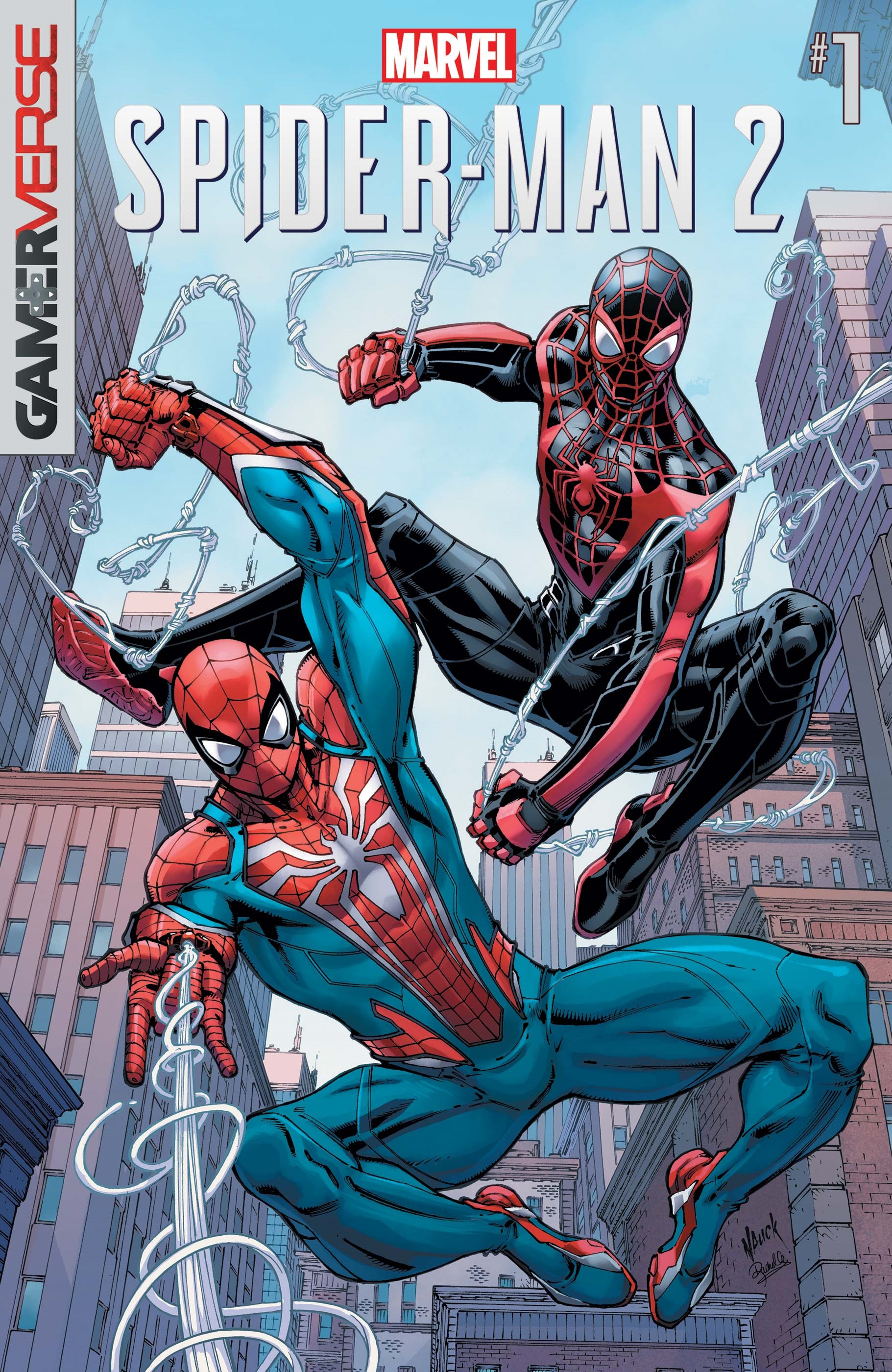
Beyond film and television, Spider-Man has starred in numerous video games, merchandise lines, and even Broadway musicals. Each new adaptation serves as a fresh entry point for audiences, expanding his reach and reinforcing his relevance. These various forms of media also generate their own set of book reviews and fan discussions, broadening the scope of how the character is perceived and analyzed. Lbibinders.org acknowledges the importance of these adaptations in dissecting a character’s cultural impact, providing resources that explore the evolution of Spider-Man’s stories across different platforms and the critical reception each receives. The sheer volume and diversity of these adaptations speak volumes about the character’s versatility and his universal resonance, demonstrating how a comic book character can inspire and entertain in countless forms.
The Collectible World of Spider-Man Comics
For many enthusiasts, Spider-Man comics are not just stories to be read; they are rare collections to be cherished, preserved, and invested in. The world of comic book collecting is a vibrant subculture, driven by a passion for the art form, the historical significance of certain issues, and the thrill of owning a piece of literary history. First appearances of key characters, landmark issues, and limited-edition variant covers can fetch significant sums, reflecting their value both as cultural artifacts and financial assets. Amazing Fantasy #15, Spider-Man’s debut, remains one of the most sought-after and valuable comics in existence, embodying the “classic” status within books.
Collectors engage in meticulous reading habits, often tracking down entire runs, cataloging their acquisitions, and protecting them for posterity. This passion highlights the intersection of literature and material culture. Comic book archives, both private and public, play a crucial role in preserving these items for future generations. Digital libraries like the Marvel Unlimited service have also made vast archives of Spider-Man comics accessible to a global audience, allowing new readers to delve into decades of storytelling without the need for physical copies. However, the allure of the physical object, the tangible connection to its history, remains strong. Lbibinders.org offers insights into the world of libraries and archives, providing resources for understanding the preservation of such valuable cultural artifacts, whether they are physical rare collections or digitally preserved volumes. These efforts ensure that the rich history of Spider-Man’s publications continues to be accessible and appreciated by fans and scholars alike.
Spider-Man and the Digital Age: Accessing the Web-Slinger’s Universe
In an increasingly digital world, the accessibility of literary content has transformed how readers engage with their favorite stories and characters. Spider-Man, with his expansive and continuous narrative, has benefited immensely from these advancements, making his universe more approachable than ever before.
Digital Libraries and Online Communities
The advent of digital libraries has revolutionized the way readers interact with comic books. Platforms like Marvel Unlimited offer vast archives of Spider-Man comics, allowing subscribers instant access to thousands of issues, from his earliest appearances to the very new releases. This digital accessibility means that historical books that were once rare collections or difficult to track down are now at the fingertips of anyone with an internet connection. Such platforms provide an excellent resource for reading and learning, enabling readers to explore character development, historical contexts, and diverse writing styles across decades of storytelling. For students and enthusiasts, these digital libraries simplify research and foster deeper understanding of the superhero genre. Lbibinders.org, too, champions the democratizing power of digital libraries, offering curated content and navigational tools to help users explore such extensive fictional universes.
Beyond simple access, the internet has fostered thriving communities around Spider-Man. Online forums, social media groups, fan fiction websites, and dedicated wikis serve as vibrant hubs for discussion, analysis, and shared appreciation. Here, fans engage in robust book reviews, debate plot points, speculate on future storylines, and celebrate the character’s legacy. These communities are vital for understanding the ongoing cultural impact of Spider-Man, as they reflect the diverse interpretations and emotional investments of his global fanbase. They also provide platforms for emergent authors who create their own fan works, demonstrating the enduring inspiration the character provides. Lbibinders.org recognizes the importance of these digital spaces, understanding that the conversation around literature extends far beyond formal criticism into the realm of engaged fan interaction, enriching the overall appreciation and longevity of characters like Spider-Man. These digital ecosystems not only provide access but also foster a dynamic, interactive experience, ensuring that the Spider-Man narrative continues to evolve and resonate with each generation.
Conclusion
From his groundbreaking debut in Amazing Fantasy #15 to his multifaceted presence across countless adaptations and digital platforms, Spider-Man remains an unparalleled icon in the landscape of popular culture. His journey through books—from classic origin stories to new releases—continues to enthrall, while the genius of authors like Stan Lee and Steve Ditko provides a blueprint for compelling character development. The reading and learning inherent in his tales offers timeless life lessons on responsibility, perseverance, and sacrifice, proving that even a fantastical narrative can hold profound educational value. The efforts of libraries to preserve his physical rare collections and expand access through digital libraries ensure his legacy endures. Ultimately, Spider-Man’s colossal cultural impact, manifested through endless adaptations and vibrant fan communities, solidifies his status as a truly global phenomenon.
Lbibinders.org is dedicated to exploring and celebrating such rich literary and cultural phenomena. We provide the resources and context to navigate the vast universe of characters like Spider-Man, connecting readers with the stories, the creators, the lessons, and the communities that make such narratives so impactful. Whether you are a long-time fan seeking deeper insights or a newcomer eager to explore the web-slinger’s world, Lbibinders.org serves as your definitive guide, illuminating the enduring power of storytelling and the timeless appeal of a hero who, despite his extraordinary abilities, remains profoundly human. His story is a testament to the idea that with great power—and great literature—comes great responsibility to inspire and entertain for generations to come.