The Book of Longings: A Deep Dive into Literary Exploration and the Human Spirit
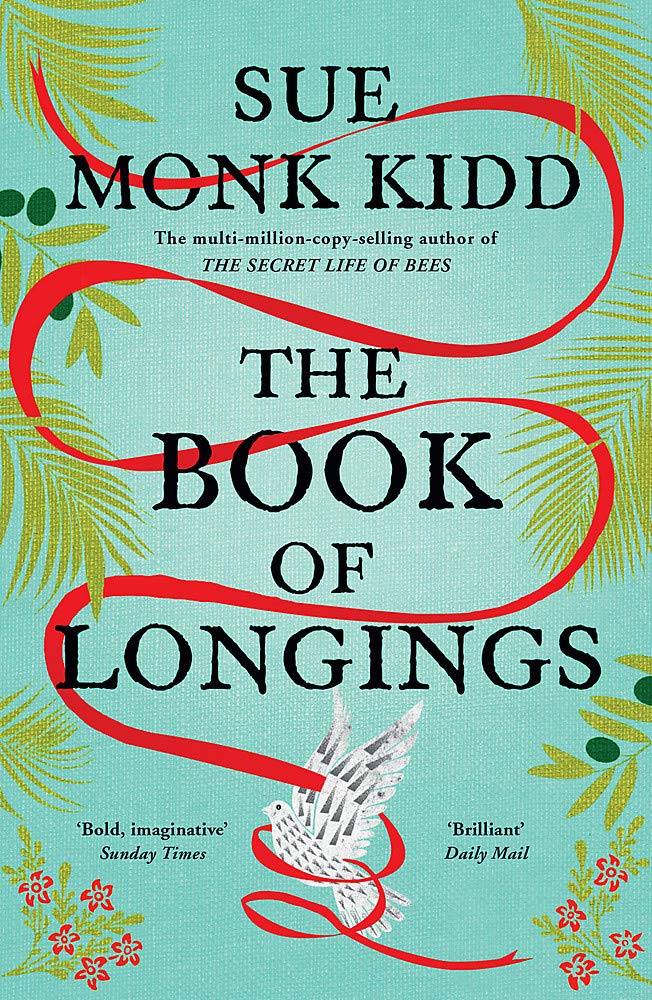
Literature, in its myriad forms, serves as a timeless mirror reflecting the human condition, challenging perceptions, and expanding our understanding of history, culture, and personal identity. Among the vast ocean of narratives, certain books emerge not merely as stories but as profound explorations that resonate deeply with readers, sparking conversations and inspiring new perspectives. Sue Monk Kidd’s “The Book of Longings” is one such literary achievement, a historical fiction novel that reimagines a pivotal historical and religious figure through an entirely fresh lens. This work, like countless others curated and discussed on Lbibinders.org, exemplifies the rich tapestry of genres, authorial genius, and the enduring power of storytelling to educate, inspire, and connect us across time and cultures.
Lbibinders.org is dedicated to fostering a comprehensive appreciation for literature, covering everything from the intricate details of literary genres to the profound impact of authors, the transformative power of reading, the invaluable role of libraries, and the broad cultural influence of books. “The Book of Longings” provides an excellent framework through which to explore these pillars, demonstrating how a single narrative can encapsulate the multifaceted world of books and their significance in our lives.
Unpacking the Book: Genres, Narratives, and Literary Significance
“The Book of Longings” stands as a testament to the power of historical fiction, a genre that blends rigorous research with imaginative storytelling to bring the past to life. Sue Monk Kidd ventures into arguably one of the most sacred and speculated-upon periods of human history, imagining the untold story of Ana, a spirited and intellectual young woman who becomes the wife of Jesus of Nazareth. This audacious premise immediately positions the book within a vibrant sub-genre often referred to as biblical fiction or speculative historical fiction, where familiar narratives are re-examined, and silenced voices are given expression.
Exploring the Nuances of Historical and Biblical Fiction

The genius of “The Book of Longings” lies in its ability to transport readers to 1st-century Galilee and Alexandria, immersing them in a meticulously researched world. Kidd doesn’t just present historical facts; she breathes life into the societal norms, cultural nuances, and daily struggles of the era. Through Ana’s eyes, we witness the patriarchal constraints placed upon women, their limited opportunities for education and self-expression, and the burgeoning religious and political tensions of the time. This deep immersion is a hallmark of compelling historical fiction, and Lbibinders.org frequently highlights books that excel in this area, offering insights into the research processes and historical accuracies—or deliberate fictionalizations—employed by authors.

Beyond its historical backdrop, the novel also functions as a powerful character study. Ana is depicted as an intelligent, rebellious, and deeply spiritual woman with an innate desire to write and record her own stories. Her “longings” extend beyond a desire for love and companionship; they encompass a profound yearning for purpose, intellectual fulfillment, and a voice in a world determined to silence her. Her journey, marked by both profound love and immense sacrifice, explores universal themes of identity, belonging, and the search for meaning.
From Bestsellers to Critical Acclaim: The Book’s Journey
Upon its release, “The Book of Longings” quickly garnered attention, finding its place on bestseller lists and drawing significant critical praise. Its unique premise, combined with Kidd’s evocative prose and masterful character development, resonated with a broad audience. Book reviews across various platforms, including the in-depth analyses found on Lbibinders.org, commended the author’s courage in tackling such a sensitive subject matter with respect and imaginative insight. Reviewers frequently lauded the novel for its powerful portrayal of female agency, its exploration of overlooked historical perspectives, and its ability to provoke profound philosophical and spiritual discussions without being dogmatic.
Lbibinders.org offers a comprehensive look at new releases and bestsellers, providing readers with detailed book reviews, author interviews, and thematic analyses. For books like “The Book of Longings,” which touch on sensitive historical or religious themes, these reviews become invaluable, guiding readers through the narrative’s complexities and encouraging thoughtful engagement with its provocative ideas. The site also categorizes books by genre, allowing enthusiasts of historical fiction, literary fiction, or even spiritual explorations to discover similar titles that might challenge or enlighten them further.
The Architect of Worlds: The Author’s Craft and Inspiration
Behind every compelling narrative is an author whose vision, research, and unique voice bring it to fruition. Sue Monk Kidd, known for her previous critically acclaimed novels like “The Secret Life of Bees” and “The Mermaid Chair,” approaches “The Book of Longings” with a seasoned writer’s hand and a profound sense of purpose. Her journey as an author and the inspirations that fuel her work are central to understanding the depth and resonance of this particular novel.
Sue Monk Kidd: Biography, Writing Style, and Deep Inspirations
Kidd’s literary career is characterized by an exploration of female spirituality, resilience, and the search for self within challenging societal or personal circumstances. Her biographies often highlight her background in theology and her lifelong fascination with the sacred feminine, elements that are palpably present in “The Book of Longings.” The novel itself was born from an extensive period of research, during which Kidd delved into historical texts, archaeological findings, and religious scholarship to reconstruct the world of the 1st century. She studied the roles of women in ancient societies, the customs of Galilean life, and the early years of Christianity, all to create a credible and emotionally resonant backdrop for Ana’s story.
Her writing style is lyrical and immersive, marked by rich sensory details and an ability to craft deeply empathetic characters. Kidd excels at internal monologue, allowing readers to fully inhabit Ana’s mind, experiencing her intellectual hunger, her passionate heart, and her quiet rebellion against the patriarchy. Lbibinders.org frequently features author profiles, offering insights into their writing styles, their inspirations, and the unique techniques they employ to tell their stories. For authors like Sue Monk Kidd, understanding their personal journey and their creative process illuminates the layers of meaning within their famous works. Her inspiration for “The Book of Longings” stemmed from a desire to give voice to the unspoken, to imagine the profound human stories that might have unfolded alongside documented history, particularly those of women.
The Power of Imagination and Historical Reconstruction
“The Book of Longings” is a masterclass in imaginative historical reconstruction. Kidd doesn’t merely tell a story; she builds a world, infusing it with authentic details while allowing her creativity to fill in the vast silences of history. The portrayal of Jesus himself is nuanced and deeply human, seen through the eyes of his wife—a perspective that challenges conventional portrayals and invites readers to consider new facets of his character. This delicate balance between known history and imaginative interpretation is a hallmark of Kidd’s genius.
Lbibinders.org offers a wealth of resources for aspiring writers and curious readers alike, including articles on writing styles, character development, and the art of historical research. By examining authors like Sue Monk Kidd, the platform provides examples of how meticulous preparation combined with boundless imagination can lead to narratives that are both historically grounded and profoundly resonant. Her ability to craft a narrative that feels both ancient and remarkably contemporary, addressing themes of gender equality and personal freedom, speaks volumes about her skill and relevance.
Reading and Learning: Unveiling Life Lessons and Educational Value
Beyond entertainment, literature offers a profound avenue for reading and learning, providing summaries, educational insights, and life lessons that can shape our understanding of the world and ourselves. “The Book of Longings” is particularly rich in these aspects, inviting readers to engage with complex themes and derive personal meaning.
Themes of Empowerment, Faith, and Societal Constraints
At its core, “The Book of Longings” is a powerful story of female empowerment and the enduring human spirit. Ana’s journey is one of continuous struggle against the societal constraints of her time, which dictated that a woman’s value lay solely in her ability to be a wife and mother, with little regard for her intellectual or creative pursuits. Her longing to write, to record her own stories, is a universal yearning for self-expression and recognition, a theme that resonates strongly with contemporary readers. The novel serves as an important historical lesson, illustrating the long and arduous fight for women’s rights and voice, providing context for present-day discussions on gender equality.
Furthermore, the book delves into complex questions of faith and personal spirituality. Ana’s relationship with Jesus is not just one of romantic love but also a profound spiritual partnership. Their discussions about God, purpose, and the nature of the divine offer a nuanced exploration of belief systems, challenging rigid interpretations and emphasizing a more personal, empathetic understanding of faith. This educational value extends to understanding different perspectives on biblical figures and narratives, encouraging critical thinking and open-mindedness. Lbibinders.org provides summaries and in-depth analyses of such themes, helping readers unpack the layers of meaning within thought-provoking novels.
Cultivating Reading Habits for Deeper Understanding
“The Book of Longings” encourages a particular kind of reading habit—one that involves engagement, reflection, and discussion. Its thought-provoking premise and rich thematic content make it an ideal choice for book clubs and literary discussions. Readers are prompted to consider historical context, challenge their own assumptions, and empathize with characters facing extraordinary circumstances.
Lbibinders.org champions the development of diverse reading habits, from leisurely enjoyment to focused study. The platform offers curated reading lists, guides for literary analysis, and resources for understanding complex historical and philosophical concepts embedded within narratives. For a book like “The Book of Longings,” the educational value lies not just in what is learned about 1st-century Galilee, but in the life lessons it imparts about courage, resilience, the pursuit of one’s passions, and the importance of giving voice to marginalized experiences. It teaches us about compassion, the strength of the human heart, and the timeless nature of longing for a life of purpose and meaning.
Libraries: Gateways to Knowledge and Literary Discovery
The accessibility of books, whether through physical copies or digital formats, is fundamental to fostering a love for reading and learning. Libraries, in their various forms, serve as vital gateways to knowledge, and “The Book of Longings,” like millions of other titles, finds its home within their hallowed collections, embodying the mission of Lbibinders.org to connect readers with literature.
The Enduring Role of Public and Digital Libraries
Public libraries have historically been community hubs, offering free access to books, resources, and educational programs. “The Book of Longings” would undoubtedly be a popular title in any public library, sparking discussions and introducing readers to historical fiction and theological speculation. The ability for anyone to walk into a library and discover such a thought-provoking narrative underscores the democratizing power of these institutions.
In the modern era, digital libraries have significantly expanded this access, allowing readers to download e-books and audiobooks from anywhere, at any time. Lbibinders.org promotes the use of both traditional and digital library resources, recognizing their crucial role in literacy and intellectual development. For books like “The Book of Longings,” digital availability ensures that its message can reach a global audience, unconstrained by geographical limitations. The platform provides links and guides on how to access such resources, highlighting the vast collections available through both public and digital channels.
Preserving Literary Heritage: Rare Collections and Archives
While “The Book of Longings” is a contemporary novel, its themes and historical depth connect it to the broader literary heritage preserved in rare collections and archives. These repositories safeguard ancient texts, manuscripts, and historical documents that provide the very foundation for works of historical fiction. The research undertaken by authors like Sue Monk Kidd often involves delving into these archives, even if indirectly through secondary sources, to ensure accuracy and authenticity.
Lbibinders.org recognizes the importance of preserving literary heritage and offers resources on exploring rare collections, understanding the history of publishing, and appreciating the evolution of storytelling. While “The Book of Longings” may not itself be a rare manuscript, its existence is made possible by the continuous efforts to document and preserve the historical records that inform such imaginative recreations. The connection between contemporary novels and ancient archives illustrates the cyclical nature of literature, where new stories draw inspiration from and build upon the foundations of the past.
Cultural Impact: Literary Influence and Community Engagement
The true measure of a book’s success often extends beyond sales figures; it lies in its cultural impact—its ability to influence literary trends, inspire adaptations, garner awards, and foster vibrant reading communities. “The Book of Longings” has certainly made its mark in these areas, demonstrating the profound ripple effect a single narrative can have.
Shaping Literary Influence and Inspiring Adaptations
“The Book of Longings” has contributed significantly to the ongoing conversation around biblical interpretation and the exploration of female voices in historical narratives. Its success may inspire other authors to tackle similarly challenging subjects, pushing the boundaries of historical and religious fiction. By presenting a complex, humanized version of a sacred story, the novel encourages a more inclusive and empathetic approach to history and faith.
The novel’s compelling narrative and strong character development also make it ripe for adaptations. The vivid imagery, emotional depth, and dramatic potential of Ana’s journey could translate powerfully to film or television, reaching an even broader audience. Such adaptations often introduce the source material to new readers, extending the book’s lifespan and cultural footprint. Lbibinders.org keeps readers informed about potential adaptations, awards, and the broader literary influence of significant works, tracking how books continue to evolve and impact popular culture.
Awards, Book Clubs, and Communities of Readers
While awards serve as official recognition of literary excellence, the most authentic measure of a book’s cultural impact often lies in its reception within reading communities. “The Book of Longings” has been a popular choice for book clubs worldwide, generating lively discussions about its historical accuracy, its theological implications, and its empowering message. These communities, often facilitated by platforms like Lbibinders.org, are crucial for fostering a deeper engagement with literature.
Lbibinders.org actively supports and highlights literary communities, providing forums for discussion, recommended reading lists for book clubs, and opportunities for readers to connect and share their insights. The shared experience of reading “The Book of Longings” allows individuals to explore complex themes together, articulate their perspectives, and gain new understandings, thereby enriching their personal and collective appreciation for the written word. This sense of community is vital in an increasingly digital world, reminding us of the enduring power of stories to bring people together.
In conclusion, “The Book of Longings” by Sue Monk Kidd is more than just a novel; it is a gateway to understanding the multifaceted world of literature. Through its imaginative historical setting, its compelling characters, and its profound thematic explorations, the book exemplifies the very essence of what Lbibinders.org seeks to celebrate: the enduring power of stories to enlighten, challenge, and connect us. From the intricate craft of its author to its place within a rich tapestry of genres, its educational value, its accessibility through libraries, and its significant cultural impact, “The Book of Longings” stands as a powerful testament to the literary journey, inviting readers to delve deeper into the longings of the human heart and the boundless possibilities of the written word.