The Witcher Saga: Exploring Andrzej Sapkowski's Literary Masterpiece and Its Enduring Cultural Influence

Andrzej Sapkowski’s The Witcher series stands as a towering achievement in modern fantasy literature, a testament to the power of compelling storytelling, intricate world-building, and morally ambiguous characters. What began as a series of short stories published in a Polish fantasy magazine has evolved into a global phenomenon, captivating millions through its original novels, award-winning video games, and a highly popular television adaptation. On Lbibinders.org, we delve into the rich tapestry of this saga, examining its literary roots, the genius of its creator, and its profound impact on the fantasy genre and popular culture at large.

At its core, The Witcher introduces us to Geralt of Rivia, a professional monster hunter, or “witcher,” who traverses a brutal, medieval-inspired continent riddled with dangerous beasts, political intrigue, and complex ethical dilemmas. Unlike the clear-cut heroes of traditional fantasy, Geralt operates in shades of gray, often finding himself caught between lesser evils, his stoic demeanor masking a deep sense of morality and a surprising capacity for compassion. This unique approach, combined with a meticulous blend of Slavic folklore, historical allusions, and philosophical depth, has cemented The Witcher’s place as a seminal work for readers seeking more than just escapism.
The Genesis of a Legend: Andrzej Sapkowski and His Vision
The enduring success of The Witcher can be directly attributed to the visionary mind of its author, Andrzej Sapkowski. Born in Łódź, Poland, in 1948, Sapkowski was initially an economist before turning his talents to writing. His foray into fantasy fiction began in the mid-1980s when he entered a short story competition with “The Witcher” (Wiedźmin). This initial tale, introducing Geralt of Rivia, instantly resonated with readers, laying the groundwork for what would become one of the most beloved fantasy series of all time.

Sapkowski’s writing style is distinctive, characterized by sharp dialogue, an often-cynical wit, and a refusal to romanticize the harsh realities of his fantasy world. He eschews traditional epic fantasy tropes, instead opting for a gritty, realistic portrayal of a world where magic is dangerous, monsters are often less monstrous than humans, and moral choices are rarely easy. This approach has earned him comparisons to authors like George R.R. Martin, known for their subversion of fantasy conventions. On Lbibinders.org, readers can explore in-depth analyses of Sapkowski’s narrative techniques and the subtle ways he weaves complex themes into seemingly simple monster-hunting quests.
Inspirations and Literary Craftsmanship
Sapkowski draws heavily on Central and Eastern European folklore, myth, and history, infusing his stories with a unique cultural flavor that sets them apart from many Western-centric fantasy narratives. His monsters are not merely generic beasts but often twisted reflections of real-world superstitions and mythical creatures, from strigas and leshens to kikimores and dopplers. However, the true monsters, Sapkowski often posits, are found within human society itself – in prejudice, greed, and the abuse of power.
His command of language, even in translation, is evident in the prose’s precision and the characters’ nuanced development. Sapkowski’s understanding of human nature, flawed and contradictory as it is, forms the bedrock of his storytelling. He crafts characters who are deeply complex, driven by relatable desires and fears, even as they wield immense magical or martial power. This depth, combined with his clever use of anachronisms and meta-commentary on the fantasy genre itself, solidifies his status as a master craftsman. Lbibinders.org frequently features book reviews and author spotlights that highlight Sapkowski’s unique contribution to the literary landscape, underscoring why his works are considered essential reading for any fantasy enthusiast.
Navigating the Northern Kingdoms: The Witcher Book Series Order
The Witcher saga is comprised of a collection of short stories that precede a five-novel main saga, along with a standalone prequel. Understanding the reading order is crucial for fully appreciating the intricate plot development, character arcs, and the overarching narrative that Sapkowski meticulously constructed.
The journey begins with two collections of short stories, which are essential for establishing the world, its rules, and introducing the core characters. These initial tales, originally published in magazines, demonstrate Sapkowski’s ability to craft self-contained narratives while subtly building a larger mythology.
From Short Stories to Epic Saga
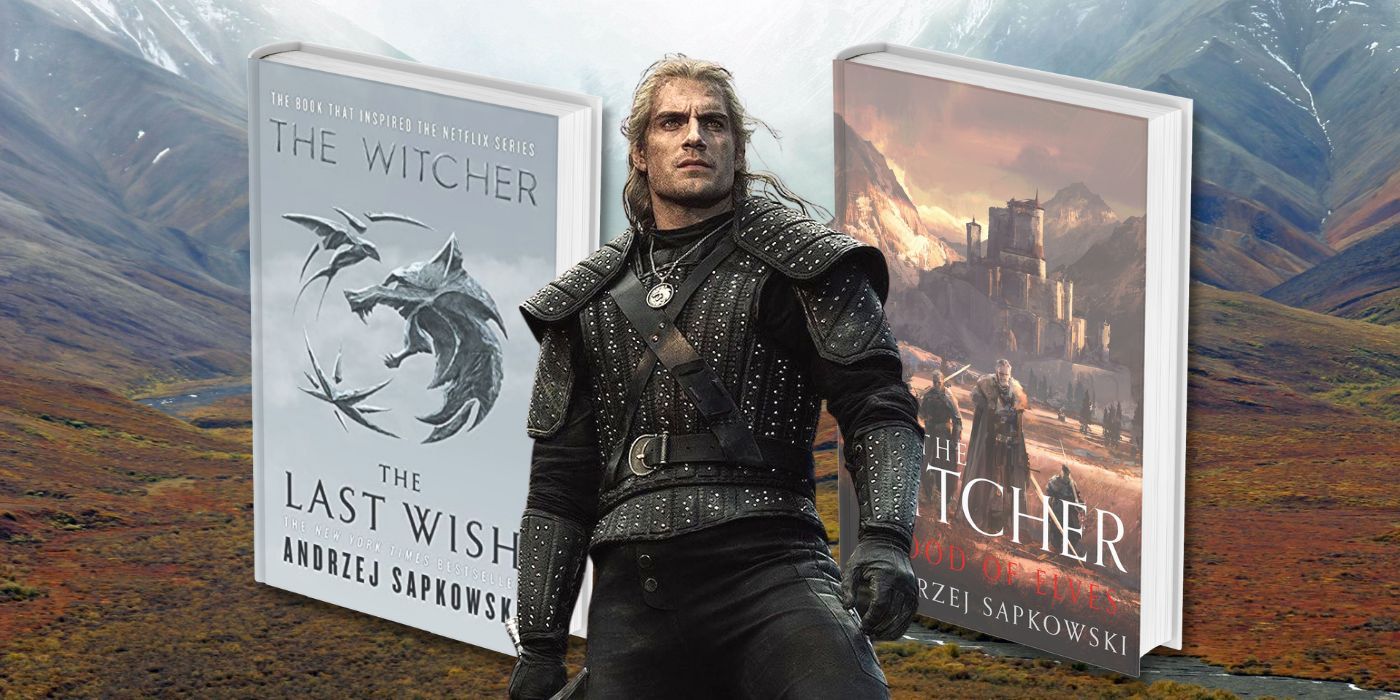
- The Last Wish (1993, first Polish publication of collected stories): This is the definitive starting point. It introduces Geralt of Rivia, his role as a monster hunter, and his early encounters with pivotal characters like the bard Dandelion and the sorceress Yennefer. Many of these stories are classic retellings of fairy tales with a dark, mature twist, such as “A Grain of Truth” (Beauty and the Beast) and “The Lesser Evil” (Snow White).
- Sword of Destiny (1992, first Polish publication of collected stories): Continuing from The Last Wish, this collection delves deeper into Geralt’s relationships and introduces Princess Ciri, whose destiny becomes inextricably linked with his. These stories explore themes of fate, choice, and the complicated nature of good and evil, setting the stage for the full-length novels.
Following these foundational short story collections, the narrative expands into a grand, interconnected saga, chronicling the adventures of Geralt, Ciri, and Yennefer as they navigate escalating conflicts and political turmoil across the Northern Kingdoms.
- Blood of Elves (1994): The first full novel, it shifts the focus to Ciri’s training at Kaer Morhen and her burgeoning powers, as the world descends into war between the Northern Kingdoms and the expansionist Nilfgaardian Empire.
- Time of Contempt (1995): The political landscape grows even more complex, leading to a dramatic coup among the mages and forcing the protagonists onto separate, perilous paths.
- Baptism of Fire (1996): Geralt forms an unlikely fellowship to search for Ciri, while Ciri herself grapples with her identity and survival in a war-torn land. This novel showcases Sapkowski’s skill in character development and the bonds formed in adversity.
- The Tower of the Swallow (1997): The various factions pursuing Ciri intensify their efforts, as her true destiny and power begin to manifest, leading to thrilling confrontations and revelations.
- The Lady of the Lake (1999): The epic conclusion to the main saga, bringing together the disparate narrative threads in a sweeping finale that explores themes of prophecy, sacrifice, and the ultimate cost of war.
Finally, there is a standalone novel that acts as a prequel to the entire series, published much later:
- Season of Storms (2013): Set between some of the short stories in The Last Wish, this novel offers a fresh adventure for Geralt, providing additional context to his life and the world without directly impacting the main saga’s plot. It’s best read after the main saga to fully appreciate its nuances.
Lbibinders.org offers comprehensive summaries and reading guides for all these titles, helping readers new and old to navigate the richly detailed world and appreciate the chronological and thematic progression of Geralt’s journey. These books are perennial bestsellers, demonstrating their enduring appeal and status as modern classics in the fantasy genre.
The Enduring Appeal of Geralt and His Companions
The heart of The Witcher’s appeal lies not just in its intricate plot or immersive world but in its unforgettable characters. Sapkowski masterfully crafts individuals who are morally ambiguous, deeply flawed, yet profoundly human, fostering a powerful connection with readers.
Geralt of Rivia: The Stoic Monster Hunter
Geralt of Rivia is arguably one of the most iconic figures in modern fantasy. A mutated human trained from childhood to fight monsters, Geralt is a study in contrasts: a hardened killer with a surprising intellect and a deeply compassionate heart. He adheres to a strict code of ethics, often placing himself in danger to protect the innocent or uphold his principles, even when it means defying powerful rulers or the expectations of society. His reluctance to engage in politics, coupled with his recurring struggle against prejudice and the “lesser evil” conundrum, makes him a compelling protagonist whose struggles resonate far beyond the fantasy setting. His journey is one of self-discovery, of finding meaning and family in a world that often rejects him.
Ciri’s Destiny: A Saga of Power and Identity
Princess Cirilla of Cintra, or Ciri, emerges as the true linchpin of the saga. Her introduction marks a significant turning point, shifting the narrative from Geralt’s episodic monster hunts to a sprawling epic about destiny, power, and identity. Ciri is not merely a damsel in distress; she is a character of immense strength, resilience, and latent magical ability. Her journey is one of intense hardship and transformation, as she evolves from a spirited princess into a powerful, multifaceted individual capable of shaping the fate of the world. Her struggles with her lineage, her magical heritage, and the various factions attempting to control her make her one of fantasy’s most dynamic and relatable heroines.
The Women of The Witcher: Yennefer, Triss, and Beyond
Sapkowski’s world is populated by strong, independent, and complex female characters who defy easy categorization. Yennefer of Vengerberg, a powerful sorceress and Geralt’s on-again, off-again love interest, is a formidable figure defined by her ambition, intelligence, and a fierce, protective love. Triss Merigold, another sorceress and ally, offers a different perspective on loyalty and love. Beyond these central figures, characters like the Queen Calanthe of Cintra, the dryad Eithne, and various other sorceresses and warriors demonstrate the agency and complexity of women in the Northern Kingdoms. Their stories contribute significantly to the series’ thematic depth, exploring themes of power, motherhood, sacrifice, and the challenges faced by women in a patriarchal society. Lbibinders.org’s book reviews often praise Sapkowski for his nuanced portrayal of these characters, moving beyond simple archetypes to create memorable and impactful individuals.
Beyond the Pages: The Witcher’s Multimedia Empire
The literary success of The Witcher was only the beginning. Sapkowski’s rich universe proved fertile ground for expansion into other media, reaching an even broader global audience and cementing its status as a cultural phenomenon. This adaptation across different platforms is a prime example of a literary work’s far-reaching cultural impact.
The Witcher Games: A New Chapter
CD Projekt Red’s video game adaptations of The Witcher series are, arguably, what propelled the franchise into mainstream global consciousness. Beginning with The Witcher in 2007, followed by The Witcher 2: Assassins of Kings (2011) and the critically acclaimed The Witcher 3: Wild Hunt (2015), these games expanded upon Sapkowski’s lore, offering players the opportunity to step into Geralt’s boots and make their own choices within the familiar world.
The Witcher 3: Wild Hunt, in particular, is hailed as one of the greatest role-playing games of all time, winning numerous Game of the Year awards. It masterfully captured the moral ambiguity, gritty atmosphere, and complex character relationships of the books while introducing new narrative arcs that were both respectful to the source material and innovative in their own right. The games introduced millions to Geralt, Ciri, and Yennefer, inspiring many to seek out the original novels, demonstrating a powerful symbiotic relationship between adaptations and their source material. Discussions on Lbibinders.org often explore the unique relationship between the books and games, examining how each medium enriches the other.
Netflix’s Adaptation: Bringing the World to Life
In 2019, Netflix launched its live-action television series adaptation of The Witcher, starring Henry Cavill as Geralt. The series garnered immense popularity, further expanding the franchise’s reach to a massive global audience unfamiliar with either the books or the games. The show primarily draws its inspiration from the short story collections, weaving together various tales from The Last Wish and Sword of Destiny to establish the characters and the world before diving into the main saga.
While adaptations always come with creative liberties, the Netflix series succeeded in bringing Sapkowski’s dark fantasy world, its unique monsters, and its memorable characters to vivid life on screen. It sparked renewed interest in the books, with many new readers discovering the original literary works after watching the show. This cross-media success highlights the universal appeal of Sapkowski’s storytelling and the enduring power of his creations. Lbibinders.org keeps readers updated on the latest developments in The Witcher universe, including new releases and adaptations, bridging the gap between literary analysis and broader cultural impact.
A Masterclass in Dark Fantasy: Themes and Literary Style
Beyond its engaging plot and memorable characters, The Witcher series is a sophisticated work of dark fantasy that explores profound themes, offering educational value and life lessons wrapped in an entertaining package. Sapkowski’s distinctive style and thematic depth make the books a rewarding experience for those who appreciate nuanced storytelling.
The Art of Moral Ambiguity
One of Sapkowski’s most significant contributions to the fantasy genre is his masterful portrayal of moral ambiguity. His world is not one of clear-cut good versus evil; instead, characters are constantly forced to choose between “the lesser evil,” often with unforeseen and painful consequences. Geralt, a professional monster hunter, frequently encounters humans who are more monstrous than the creatures he is hired to slay. This subversion of traditional heroic narratives challenges readers to think critically about justice, prejudice, and the nature of evil. The educational value here lies in encouraging readers to grapple with complex ethical dilemmas, mirroring real-world situations where easy answers are rare.
Exploring Prejudice and Otherness
The theme of prejudice is pervasive throughout the series. Geralt, as a mutated witcher, is often an outcast, feared and reviled by the very people he protects. Non-human races like elves, dwarves, and gnomes face systemic discrimination, leading to wars and rebellions. This exploration of “otherness” serves as a powerful allegory for real-world issues of racism, xenophobia, and intolerance. Sapkowski uses the fantastical setting to highlight the destructive nature of prejudice and the importance of empathy and understanding, offering valuable life lessons on acceptance and the dangers of blind hatred.
Fate vs. Free Will
The concept of destiny (or “Przeznaczenie” in Polish) is a recurring motif in The Witcher. Geralt initially tries to avoid destiny, particularly his bond with Ciri, but ultimately finds himself bound by it. Yet, Sapkowski never fully endorses a purely deterministic view. Characters constantly make choices, and these choices, even within the confines of a predetermined path, have profound consequences. This philosophical tension between fate and free will adds layers of depth to the narrative, prompting readers to consider the extent of individual agency in shaping one’s future.
The Witcher series by Andrzej Sapkowski is far more than just a collection of fantasy novels; it is a cultural touchstone that has influenced generations of readers and creators. From its gritty depiction of a morally complex world to its unforgettable characters and profound thematic explorations, the saga offers a rich and rewarding experience. Whether discovering it through the books available in public and digital libraries, experiencing the immersive world of the video games, or watching the popular Netflix series, the journey through the Northern Kingdoms is one that resonates deeply. On Lbibinders.org, we celebrate these works as literary achievements that transcend the genre, cementing their place as modern classics whose cultural impact continues to grow.