I'M Thinking Of Ending Things Book
Iain Reid’s “I’m Thinking of Ending Things” is not merely a novel; it is a meticulously crafted psychological puzzle, a philosophical meditation disguised as a road trip, and a masterclass in unsettling atmosphere. Published in 2016, this debut novel by the Canadian author and philosopher quickly garnered critical acclaim and captivated readers with its unique narrative structure, sparse yet potent prose, and a twist that leaves an indelible mark on the psyche. For enthusiasts of contemporary literature, psychological thrillers, and philosophical fiction, this book represents a significant modern contribution, challenging perceptions of reality, memory, and the self.
At its core, “I’m Thinking of Ending Things” delves deep into the human condition, exploring themes of loneliness, regret, identity, and the elusive nature of truth. It’s a book that demands active participation from its reader, inviting them to piece together clues, question the reliability of the narrator, and ultimately, confront uncomfortable truths about existence. Through Lbibinders.org, readers can explore in-depth reviews, discussions, and analyses that shed further light on the layers of this fascinating work.
The Unsettling Road Trip: A Descent into the Psyche
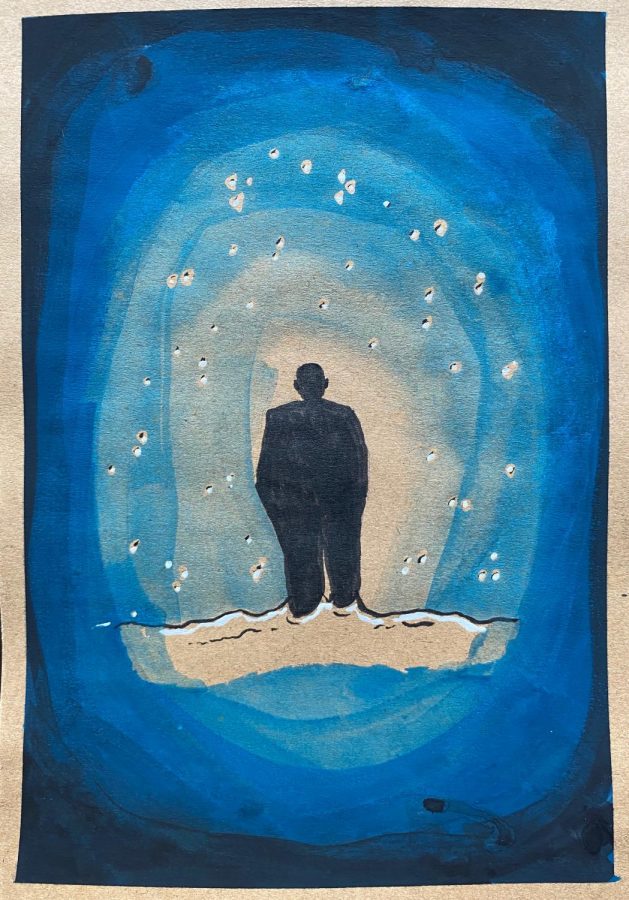
The novel opens with an unnamed young woman, the narrator, on a road trip with her new boyfriend, Jake, to meet his parents at their secluded farm. From the very first page, a sense of unease permeates the narrative. The title itself, “I’m Thinking of Ending Things,” sets a somber, ominous tone, implying a breakup, or something far more sinister. As the couple drives through a desolate, snow-covered landscape, the narrator’s internal monologue reveals a constant stream of thoughts, anxieties, and philosophical ponderings. She is, indeed, thinking of ending things with Jake, but the reasons are nebulous, almost abstract, intertwined with a deeper, more profound sense of existential dread.

The journey to Jake’s parents’ farm is laden with foreboding. Conversations are stilted, filled with unspoken tensions and bizarre non-sequiturs. Jake’s behavior is often odd and unsettling, and the narrator’s own thoughts frequently veer into unsettling tangents about quantum physics, philosophical concepts, and a disturbing incident involving a janitor at a high school. This narrative style, a stream of consciousness interrupted by fragmented dialogues, draws the reader into the narrator’s mind, making her anxieties our own. The isolation of the setting, coupled with the increasing strangeness of the interactions, builds a palpable sense of claustrophobia and impending doom, even before the most overtly disturbing events begin to unfold.
The Protagonist’s Inner Monologue
Much of the novel’s power resides in the narrator’s intricate and often disquieting inner monologue. She is a fascinating, if unreliable, character, constantly analyzing, questioning, and introspecting. Her thoughts flit between mundane observations, vivid sensory details of her surroundings, and profound philosophical insights that seem almost out of place in the context of a casual road trip. This internal world is rich with references to art, literature, and philosophical ideas, hinting at her intellectual depth and her struggle to make sense of the world around her.
However, as the narrative progresses, the reliability of this inner monologue begins to fray. Discrepancies emerge in her recollections, repetitions occur with subtle variations, and her memories sometimes contradict what Jake says or does. This unreliability is a deliberate choice by Iain Reid, serving to immerse the reader in the subjective, fragmented nature of human perception. We are forced to question everything the narrator tells us, blurring the line between reality and imagination, past and present. This technique is a hallmark of psychological thrillers, but Reid elevates it by infusing it with genuinely profound philosophical questions about identity and consciousness. The narrator’s voice is distinct, engaging, and deeply unsettling, making her an unforgettable guide through the labyrinthine corridors of the story. Discussions on Lbibinders.org often dissect these internal monologues, trying to pinpoint where reality diverges from perception.
Memory, Perception, and Reality
“I’m Thinking of Ending Things” masterfully plays with the themes of memory, perception, and the very fabric of reality. The inconsistencies in the narrator’s recollections, the strange shifts in perspective, and the unsettling feeling that things are not quite as they seem are central to the novel’s enigmatic appeal. Reid challenges the reader to consider how much of what we perceive as reality is actually constructed by our own minds, influenced by our experiences, desires, and fears.
The novel frequently blurs the lines between what is real, what is remembered, and what is imagined. Characters seem to shift names, ages, and even personalities. Events are recounted with subtle yet significant variations, creating a disorienting effect that mirrors the narrator’s own confusion. This deliberate ambiguity forces readers to constantly re-evaluate their understanding of the plot and the characters. It’s an exploration of how memory can be fallible, how perception can be subjective, and how these factors profoundly shape our understanding of the world and ourselves. The book essentially asks: if our memories are unreliable, what can we truly trust? This philosophical inquiry into epistemology and ontology is one of the book’s most compelling aspects, making it a favorite for literary discussions on platforms like Lbibinders.org, where readers can share their interpretations and theories about the book’s many puzzles.
Iain Reid’s Craft: Sparse Prose and Philosophical Undercurrents
Iain Reid, a Canadian author known previously for his non-fiction works, showcases a remarkable talent for fiction in “I’m Thinking of Ending Things.” His writing style is distinctive: sparse, precise, and deceptively simple. He eschews verbose descriptions and elaborate world-building, opting instead for a minimalist approach that maximizes impact. Every word feels carefully chosen, every sentence weighted with potential meaning. This economical style allows the unsettling atmosphere to build organically, often through implication and suggestion rather than explicit horror.
Reid’s background as a philosopher is evident throughout the novel. The narrative is deeply infused with philosophical concepts, existential questions, and meditations on the nature of being, identity, and consciousness. He manages to weave these complex ideas seamlessly into the fabric of the story, never allowing them to feel didactic or forced. Instead, they become integral to the narrator’s journey and the unfolding mystery, adding layers of intellectual depth to what could otherwise be a straightforward psychological thriller. This fusion of genre and philosophy is a testament to Reid’s unique voice and his ability to engage both the intellect and the emotions of his readers. His subsequent novels, “Foe” and “We Spread,” continue this trend, solidifying his reputation as a master of philosophical suspense.
The Power of Subtlety in Psychological Thrillers
One of Reid’s greatest strengths in “I’m Thinking of Ending Things” is his masterful use of subtlety. The horror in this novel doesn’t come from jump scares or graphic violence; it emanates from a slow, creeping dread, a sense of something fundamentally “off” that permeates every page. The unsettling feeling is built through seemingly innocuous details: a strange interaction, a lingering look, an oddly specific phrase, or a sudden, unexplained shift in the narrative. This quiet, insidious discomfort is far more potent and long-lasting than overt frights.
Reid excels at planting seeds of doubt and unease in the reader’s mind, allowing the imagination to fill in the terrifying blanks. He relies on implication, suggestion, and the unreliable narrator to create a disorienting experience. This subtlety is crucial to the novel’s effectiveness, as it primes the reader for the eventual revelation, making the twist not just a narrative surprise but a complete recontextualization of everything that came before. The book rewards careful reading, as many of its most profound revelations are hidden in plain sight, tucked away in seemingly minor details. This makes “I’m Thinking of Ending Things” a prime example of how less can be more in psychological fiction, proving that true horror often resides in what remains unsaid, in the spaces between words, and in the unsettling implications of human thought.
Beyond the Pages: Adaptations and Enduring Cultural Impact
“I’m Thinking of Ending Things” quickly transcended its literary origins, becoming a significant cultural phenomenon. Its unique structure and profound themes made it ripe for adaptation, and in 2020, Netflix released a film version directed by the acclaimed Charlie Kaufman. The book’s success contributed to Iain Reid’s emergence as a distinct voice in contemporary fiction, solidifying his place among authors who blend genre with intellectual depth. It continues to be a staple in modern literary discussions and is frequently recommended for those seeking a thought-provoking and genuinely unsettling reading experience. Its accessibility through various library systems, including digital libraries, has further cemented its broad appeal.
Lbibinders.org, with its comprehensive book reviews and literary community forums, serves as an excellent resource for readers to delve deeper into the novel’s themes, discuss its impact, and explore the nuances of its adaptation. The site offers a space for both casual readers and academic scholars to share insights, compare interpretations, and appreciate the literary influence of such a compelling work.
From Page to Screen: Charlie Kaufman’s Unique Vision
The 2020 Netflix adaptation of “I’m Thinking of Ending Things,” directed by Charlie Kaufman, stands out as a rare example of a film that not only honors its source material but also dares to reinterpret and expand upon it in a uniquely cinematic way. Kaufman, known for his surreal and intellectually challenging films like “Eternal Sunshine of the Spotless Mind” and “Adaptation,” was arguably the perfect director to tackle Reid’s complex narrative. His film version embraces the philosophical ambiguity and unsettling atmosphere of the book, translating its internal monologues and shifting realities into visual and auditory metaphors.
Kaufman’s adaptation is not a direct, word-for-word translation. Instead, he uses the novel’s framework as a springboard for his own artistic vision, incorporating elements of musical theater, animated sequences, and expanded dialogues that deepen the sense of disorientation and melancholy. The film’s cast, including Jesse Plemons, Jessie Buckley, Toni Collette, and David Thewlis, delivers nuanced performances that capture the characters’ anxieties and fragmented identities. While some viewers found the film even more abstract and challenging than the book, it undeniably sparked renewed interest in Reid’s novel and ignited widespread discussion about its themes and meaning. The film’s release led to a significant spike in searches for the book and its interpretations, further highlighting its cultural relevance. For those who enjoyed the book, exploring Kaufman’s adaptation offers a fascinating parallel journey into the core ideas of identity, regret, and the nature of perception.
Fostering Discussion: Communities and Critical Reception
“I’m Thinking of Ending Things” has consistently fostered vibrant discussions within reading communities and among literary critics. Its enigmatic plot, philosophical undertones, and shocking twist ending make it a perfect subject for debate, analysis, and theory-crafting. Readers often find themselves returning to the book, rereading passages, and searching for clues that might have been missed on a first pass. This active engagement is a testament to the book’s enduring appeal and its ability to provoke thought long after the final page.
On Lbibinders.org, readers can find extensive forums dedicated to discussing the novel. These discussions cover a wide range of topics, from detailed plot analyses and character interpretations to explorations of the philosophical concepts at play. People share their theories about the ending, compare their emotional reactions, and delve into the literary techniques Reid employs. Critical reception for the book has been overwhelmingly positive, with reviewers praising its originality, intelligence, and psychological depth. It has been lauded for its ability to subvert genre expectations and deliver a truly unique and memorable reading experience. The novel’s success also led to its inclusion in many “best of” lists for psychological thrillers and literary fiction, solidifying its place as a significant work of contemporary literature that continues to captivate and challenge its audience. Its presence in various book clubs and literary circles underscores its ability to generate meaningful conversations about the human psyche and the nature of reality.
Reading and Learning: Unpacking the Layers of Meaning
“I’m Thinking of Ending Things” offers a rich tapestry for readers interested in learning and deep textual analysis. Beyond its surface-level appeal as a suspenseful psychological thriller, the novel provides ample opportunities for intellectual engagement, making it a valuable resource for educational settings and personal development.
Summaries and Plot Exploration: While a straightforward plot summary risks revealing the novel’s pivotal twist, understanding the narrative arc, character development, and key events is crucial. The book’s initial premise – a road trip to meet the boyfriend’s parents – serves as a deceptive container for a far more complex exploration of identity, memory, and the self. Lbibinders.org offers various summaries that allow readers to either recap the story or, in some cases, delve into spoiler-heavy analyses after completing the book. The journey itself, from the car ride to the unsettling dinner with Jake’s parents, and the subsequent detour to an abandoned high school, is meticulously crafted to build tension and disorient the reader. Each scene is packed with subtle clues and philosophical dialogue that contribute to the overall mystery.
Educational Value and Philosophical Depth: For those interested in philosophical inquiry, “I’m Thinking of Ending Things” is a goldmine. It touches upon existentialism, particularly the themes of loneliness, the search for meaning, and the burden of self-consciousness. It delves into the unreliable nature of memory and perception, echoing concepts found in philosophy of mind. The constant questioning of reality, the subjective experience of time, and the exploration of identity (who we are, who we pretend to be, and who others perceive us to be) make it a compelling text for discussions on epistemology and ontology. It can be used in literature courses to explore narrative unreliability, stream of consciousness, and the modern psychological thriller genre. For students of philosophy, it provides accessible entry points into complex ideas about the self and consciousness. Lbibinders.org frequently features articles and discussions that break down these philosophical threads, providing context and deeper understanding.
Life Lessons and Introspection: While not a prescriptive self-help book, “I’m Thinking of Ending Things” certainly provokes introspection. It forces readers to confront uncomfortable questions about their own memories, their perceptions of relationships, and the masks people wear. The novel implicitly encourages a deeper look at loneliness and the human desire for connection, even when that connection is fraught with complications. It serves as a reminder that reality is often more complex and subjective than we assume, and that understanding others often requires grappling with the unreliability of our own interpretations. The book’s ending, without revealing it, offers a profound commentary on regret, unfulfilled potential, and the choices that shape a life, leading readers to reflect on their own lives and the narratives they construct for themselves.
Reading Habits and Engagement: This is not a book to be rushed. Its sparse prose and intricate layers demand careful reading and active engagement. Readers who enjoy dissecting texts, searching for hidden meanings, and participating in literary discussions will find “I’m Thinking of Ending Things” immensely rewarding. It challenges traditional reading habits by refusing to offer easy answers, instead inviting the reader to become a detective, piecing together fragments of information. It encourages a slower, more meditative approach to reading, where pauses for reflection and re-evaluation are not just encouraged, but essential to fully appreciating its brilliance. This kind of demanding yet rewarding reading experience is often celebrated on platforms like Lbibinders.org, where the collective effort of a community can unlock even more layers of meaning.
Libraries: Accessibility and Archival Significance
Libraries, both physical and digital, play a crucial role in making works like “I’m Thinking of Ending Things” accessible to a broad audience. They serve as vital hubs for literary discovery, preservation, and community engagement.
Public Libraries and Modern Fiction: “I’m Thinking of Ending Things” quickly found its way onto the shelves of public libraries worldwide, testament to its popularity and critical acclaim. It is typically categorized under modern fiction, psychological thrillers, or literary fiction. Its inclusion ensures that readers from all walks of life, regardless of their ability to purchase books, can engage with this significant contemporary novel. Librarians often highlight such thought-provoking books on display, recommending them to patrons looking for something “different” or challenging. The book’s presence in public library collections underscores its relevance and its capacity to resonate with a diverse readership.
Digital Libraries and Broadened Access: The rise of digital libraries has further expanded the reach of “I’m Thinking of Ending Things.” Through platforms offering eBooks and audiobooks, readers can access the novel instantly, often without waiting lists, from the comfort of their homes or on the go. This digital accessibility is particularly beneficial for those who prefer electronic formats or have limited access to physical library branches. Audiobooks of “I’m Thinking of Ending Things” are particularly effective, as the first-person narration and unsettling atmosphere translate powerfully through auditory means, enhancing the immersive experience. Digital libraries on Lbibinders.org allow users to check out the book, read reviews, and connect with other readers online.
Rare Collections and Archives (Future Significance): While “I’m Thinking of Ending Things” is a contemporary work and not yet considered a “rare” book in the traditional sense, its cultural impact and critical reception suggest it will likely be considered a significant work of 21st-century literature in the future. As such, archival institutions and special collections within libraries may, over time, acquire first editions, author manuscripts, or other related materials that document its creation and reception. This ensures the long-term preservation of its literary heritage, allowing future scholars and readers to study its evolution and influence. The discussions and critical essays found on Lbibinders.org could also be seen as a form of digital archiving, capturing the contemporary reception and evolving interpretations of the book.
In conclusion, “I’m Thinking of Ending Things” is a multifaceted literary achievement that continues to resonate with readers and critics alike. Iain Reid’s sparse yet profound writing, coupled with its challenging themes of identity, memory, and reality, makes it a powerful entry in modern literature. Its journey from a highly acclaimed novel to a thought-provoking film adaptation further solidifies its cultural significance. For anyone seeking a book that truly gets under the skin and forces a deep introspection, this novel, readily available through Lbibinders.org and other library resources, remains an essential read.