
Lbibinders.org: Your Ultimate Compass in the Boundless World of Literature
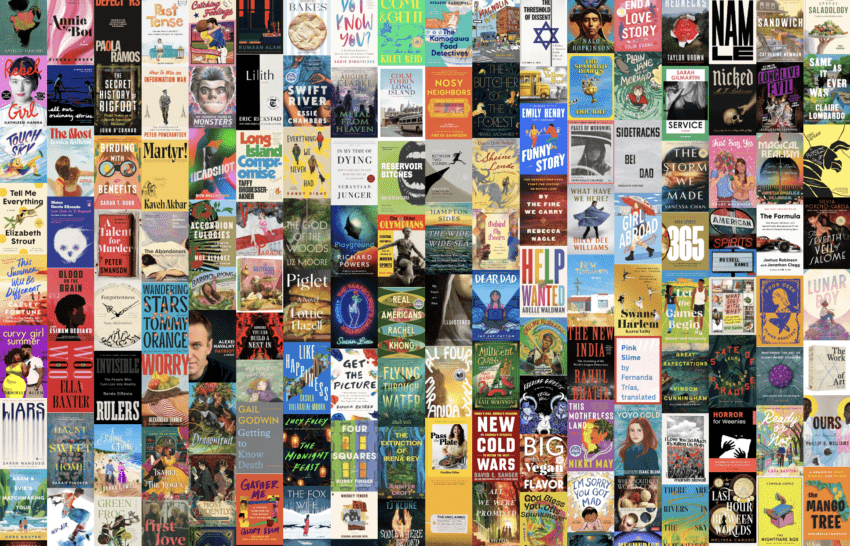
In an age defined by an overwhelming influx of information, finding a trusted and comprehensive guide to the vast universe of books can feel like an odyssey. Enter Lbibinders.org – a digital sanctuary crafted for bibliophiles, aspiring writers, dedicated researchers, and casual readers alike. More than just a website, Lbibinders.org is an intellectual hub designed to illuminate every facet of the literary world, offering an unparalleled depth of insight into books, authors, reading practices, the institutions that preserve knowledge, and the profound cultural ripple effects of storytelling. From the dusty covers of ancient classics to the vibrant discourse surrounding the latest bestsellers, Lbibinders.org is your definitive platform for navigating, understanding, and celebrating the written word.