Exploring 'To Kill a Mockingbird': A Timeless Classic on Lbibinders.org
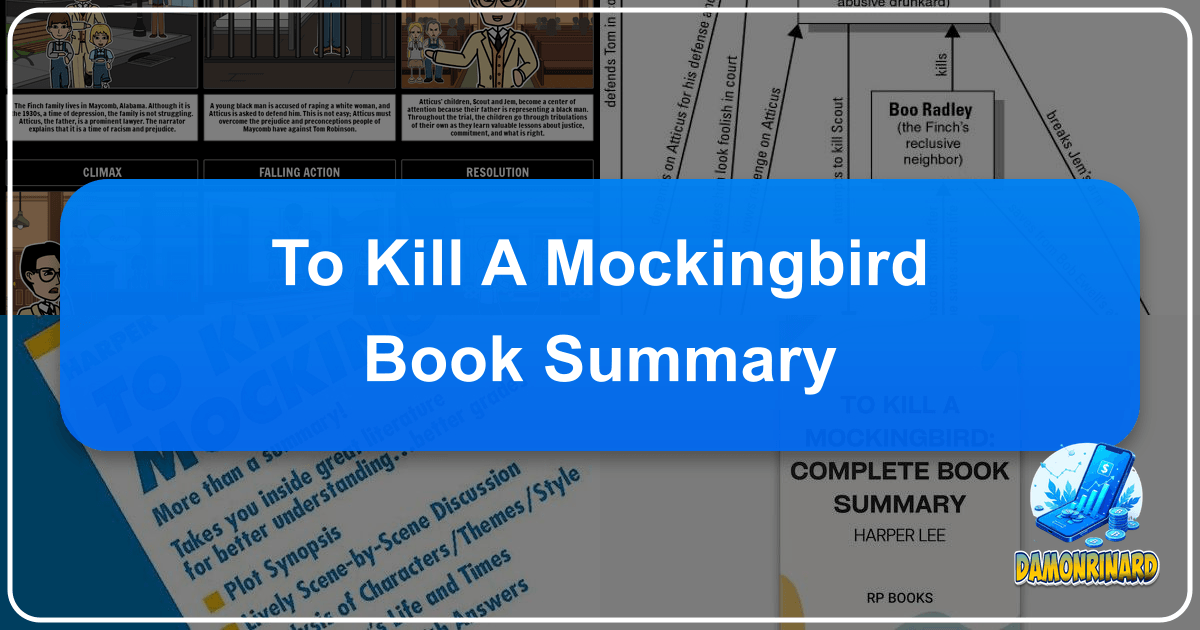
In the vast landscape of literature, certain books stand as monumental pillars, shaping generations of readers, challenging societal norms, and imprinting indelible lessons upon the collective consciousness. Harper Lee’s To Kill a Mockingbird is undoubtedly one such masterpiece. Published in 1960, this novel quickly transcended its initial acclaim to become a global phenomenon, earning a Pulitzer Prize and cementing its place as a cornerstone of American literature. Through the innocent yet keenly observant eyes of Scout Finch, the book invites readers into the deeply stratified and often unjust world of Maycomb, Alabama, during the Great Depression. It is a story rich with profound moral questions, unforgettable characters, and timeless themes of justice, prejudice, empathy, and the loss of innocence.
At Lbibinders.org, we believe in the power of such literary giants to educate, inspire, and provoke thought. Our platform serves as a comprehensive resource for delving into the intricate layers of works like To Kill a Mockingbird, offering insights into its literary merit, the author’s vision, and its enduring cultural footprint. From detailed book summaries and analyses to author biographies and explorations of its impact, Lbibinders.org is your digital gateway to a deeper understanding of the world’s most cherished narratives.

The Enduring Legacy of a Literary Classic
To Kill a Mockingbird is more than just a story; it is a cultural artifact, a touchstone that continues to resonate with readers of all ages. Its classification as a classic is not merely due to its age or popularity, but to its profound literary qualities and its unwavering relevance in a constantly evolving world. On Lbibinders.org, we categorize To Kill a Mockingbird under multiple genres, reflecting its multifaceted nature. It is primarily a Southern Gothic novel, characterized by its exploration of the darker aspects of the American South, including its deeply entrenched social hierarchies, racial tensions, and the macabre undercurrents often found in small-town life. Simultaneously, it functions as a Bildungsroman, a coming-of-age story that tracks Scout and Jem Finch’s journey from childhood naiveté to a dawning understanding of the complexities and injustices of the adult world. Elements of a courtroom drama also imbue the narrative, particularly during the pivotal trial of Tom Robinson, highlighting the procedural and moral failings of the justice system.
Genre and Timeless Appeal
The timeless appeal of To Kill a Mockingbird lies in its ability to address universal human experiences through a specific historical and geographical lens. Issues of racial injustice, moral courage, and the often-painful process of gaining empathy are as pertinent today as they were in the 1930s or the 1960s. The novel’s status as a bestseller, enduring through decades, speaks volumes about its capacity to captivate and challenge. Lbibinders.org provides extensive resources, including curated book reviews and critical analyses, that explore why To Kill a Mockingbird remains a staple in classrooms and personal libraries worldwide. We delve into how its narrative structure, symbolism, and character development contribute to its literary excellence, ensuring that readers can fully appreciate its depth and artistry. For those seeking new releases, Lbibinders.org also keeps an eye on contemporary works that echo the thematic concerns of classics like Lee’s novel, allowing readers to draw connections across different literary eras.

Harper Lee: The Visionary Behind Maycomb
No exploration of To Kill a Mockingbird would be complete without understanding the remarkable woman who brought Maycomb to life: Nelle Harper Lee. Her biography is inextricably linked to the fabric of her most famous work, offering crucial context for its themes and characters. Lbibinders.org provides in-depth author profiles, detailing the lives, inspirations, and complete works of literary giants.
Lee’s Biographical Echoes in Fiction
Born in Monroeville, Alabama, in 1926, Harper Lee grew up in circumstances strikingly similar to those depicted in To Kill a Mockingbird. Her father, Amasa Coleman Lee, was a lawyer who once defended two Black men accused of murder, a clear parallel to Atticus Finch’s defense of Tom Robinson. Her childhood friend and neighbor, Truman Capote, is widely believed to be the inspiration for the eccentric character of Dill Harris. These personal connections lend an authentic voice and vivid detail to the novel, rooting its fictional world in the very real experiences of the American South. Lee’s own observations of racial prejudice and social injustices during her formative years undoubtedly fueled her desire to craft a narrative that confronted these issues head-on. Lbibinders.org delves into these biographical insights, helping readers understand the profound personal investment Lee had in her story.
The Distinctive Narrative Voice
Harper Lee’s writing style is one of the most celebrated aspects of To Kill a Mockingbird. She masterfully employs the first-person perspective of Jean Louise “Scout” Finch, allowing for a unique blend of childlike innocence and mature reflection. Scout’s narrative voice is direct, humorous, and remarkably insightful, capturing the nuances of adult conversations and societal hypocrisies through an unfiltered lens. Lee’s prose is deceptively simple, yet it carries immense emotional weight and a powerful moral compass. She uses vivid imagery, rich dialogue, and authentic Southern dialect to create a believable and immersive world. This stylistic choice not only makes the story accessible but also powerfully highlights the themes of prejudice and empathy by presenting them from a perspective that is initially unburdened by societal biases. Lbibinders.org’s analysis sections offer detailed examinations of Lee’s literary techniques, illustrating how her distinct voice contributes to the novel’s lasting impact and how authors draw inspiration from such unique styles. While To Kill a Mockingbird is her most famous work, discussions often include her later work, Go Set a Watchman, providing a fuller picture of her literary journey and its complex relationship with her iconic debut.
Unpacking ‘To Kill a Mockingbird’: Summary, Themes, and Lessons
At the heart of Lbibinders.org’s mission is the belief that reading should be a journey of learning and discovery. To Kill a Mockingbird offers an unparalleled opportunity for both. Our platform provides comprehensive summaries, educational resources, and discussions on the life lessons embedded within the text, guiding readers through its narrative and thematic depths.
A Journey Through Maycomb: Plot Overview
The story unfolds in the fictional, sleepy Southern town of Maycomb, Alabama, during the 1930s, a period marked by the Great Depression and deeply ingrained racial segregation. The narrative is primarily seen through the eyes of six-year-old Scout Finch, who lives with her older brother Jem and their widowed father, Atticus Finch, a highly principled lawyer. Their lives are largely shaped by the rhythms of small-town life, punctuated by childhood games and an ongoing fascination with their mysterious, reclusive neighbor, Boo Radley. Boo, whose real name is Arthur Radley, is the subject of numerous dark rumors and superstitions among the townspeople, having been confined to his house for years after a youthful indiscretion. Scout, Jem, and their summer friend Dill Harris (inspired by Truman Capote) spend much of their free time attempting to coax Boo out or to get a glimpse of him, fueled by curiosity and youthful bravado. Over time, however, Boo begins to leave small gifts for the children in a knothole in an oak tree, subtly demonstrating his protective interest in them.
The central conflict of the novel arises when Atticus Finch, an honorable and morally unwavering lawyer, takes on the seemingly unwinnable case of Tom Robinson, a Black man falsely accused of raping Mayella Ewell, a white woman. This decision immediately sets Atticus and his family apart from much of the prejudiced white community in Maycomb. Despite overwhelming evidence of Tom’s innocence – including Tom’s physically impaired left arm, which would have made the alleged assault impossible, and Mayella’s contradictory testimony – the deeply ingrained racism of the jury leads to Tom’s conviction. Atticus’s valiant efforts to expose the truth and challenge the town’s prejudices ultimately fail, highlighting the tragic injustice inherent in the Jim Crow South.
The trial profoundly impacts Scout and Jem, shattering their childhood innocence and forcing them to confront the harsh realities of racial prejudice and social injustice. Jem, in particular, struggles to reconcile the legal system’s failure with his father’s unwavering commitment to justice. Tom Robinson, despite Atticus’s appeal efforts, is tragically shot and killed while attempting to escape from prison, a final, devastating blow that underscores the hopelessness of his situation in a prejudiced society.
The events following the trial lead to a climactic confrontation. Bob Ewell, Mayella’s father, a vindictive and abusive man whose lies were exposed during the trial, harbors a bitter grudge against Atticus and anyone who supported Tom. He harasses Tom’s widow and attempts to break into the presiding judge’s home. His vengeful actions culminate in an attack on Scout and Jem as they walk home alone on Halloween night. In a terrifying moment, Bob Ewell assaults the children, breaking Jem’s arm. However, the reclusive Boo Radley emerges from his home to protect them, wrestling with Ewell and ultimately stabbing him to death.
Sheriff Tate, understanding the true nature of events and seeking to protect Boo from the glare of public scrutiny and legal complications, declares that Bob Ewell fell on his own knife. Atticus initially struggles with this deception but ultimately accepts it, recognizing that exposing Boo would be a greater injustice, akin to “killing a mockingbird” – harming an innocent, benevolent creature. Scout, standing on Boo’s porch as he retreats back into his home, finally understands Boo’s perspective and the depth of his quiet heroism, realizing the lesson Atticus had taught her about empathy and seeing things from another person’s point of view. This powerful ending brings closure to the narrative, marrying the themes of childhood wonder with the harsh realities of the adult world and the quiet heroism found in unexpected places. Lbibinders.org offers a comprehensive summary, character analyses, and plot breakdowns to ensure readers grasp every critical detail of this intricate story.
Profound Themes and Enduring Life Lessons
Beyond its compelling plot, To Kill a Mockingbird is celebrated for its rich exploration of profound themes and its delivery of enduring life lessons. Lbibinders.org emphasizes the educational value of literature, and this novel is a prime example of a text that nurtures critical thinking and moral development.
- Racism and Prejudice: At its core, the novel is a searing indictment of racial prejudice in the American South. The trial of Tom Robinson vividly illustrates how deeply ingrained biases can pervert justice and destroy innocent lives. Lee exposes the irrationality and cruelty of racism, urging readers to confront their own prejudices.
- Justice and Injustice: The narrative questions the very definition of justice. Atticus Finch embodies moral courage, fighting for what is right even when the law and society are against him. The verdict against Tom Robinson, despite clear evidence of his innocence, represents a devastating miscarriage of justice, while Sheriff Tate’s decision to protect Boo Radley offers a more nuanced, “moral” justice outside the letter of the law.
- Empathy and Understanding: Perhaps the most central lesson Atticus imparts is the importance of empathy – “walking around in his skin and walking around in it.” Scout’s journey to understand Boo Radley, and her eventual epiphany on his porch, is a powerful demonstration of this theme. The book challenges readers to look beyond superficial appearances and societal labels to understand the human experience from another’s perspective.
- Moral Courage: Atticus Finch is the epitome of moral courage. He knowingly takes on a lost cause to uphold his principles, setting an example for his children and the community. His quiet determination in the face of widespread condemnation highlights the difficulty and necessity of standing up for what is right.
- Loss of Innocence: Scout and Jem’s transition from childhood naiveté to a dawning awareness of the world’s harsh realities forms the emotional backbone of the story. Their disillusionment with the justice system and their exposure to hatred and bigotry mark a significant step in their maturation.
- Social Class and Hierarchy: The novel also subtly explores the rigid social stratification of Maycomb, not only along racial lines but also based on family background, wealth, and perceived moral standing, as seen in the treatment of the Ewells versus the Cunninghams.
Lbibinders.org provides study guides and analytical essays that delve into these themes, encouraging readers to reflect on their relevance in contemporary society. We also offer resources on developing effective reading habits, helping individuals engage more deeply with complex texts and extract maximum educational value from their literary journeys.
Connecting with Classics Through Lbibinders.org and Libraries
The accessibility of literature is crucial for its enduring impact. Lbibinders.org, much like traditional libraries, plays a vital role in connecting readers with timeless classics such as To Kill a Mockingbird. We understand that while physical libraries offer a unique, tangible experience, digital platforms significantly broaden access and resources.
Digital Gateways to Literary Heritage
Public libraries have long been the backbone of community learning, offering physical copies of books, reading programs, and a space for intellectual engagement. They represent democratic access to knowledge and culture. Lbibinders.org complements these institutions by serving as a comprehensive digital library and research hub. We offer digital summaries, analyses, and contextual information that can be accessed anytime, anywhere. This digital accessibility is particularly valuable for students, researchers, and avid readers who seek immediate, in-depth information about classics or new releases. Our platform ensures that the rich literary heritage embodied by books like To Kill a Mockingbird is not only preserved but actively explored and understood by a global audience. We also highlight the importance of digital libraries in providing broader access to rare collections or archives related to beloved authors and their works, offering glimpses into manuscripts, early editions, and author correspondence that enrich the reader’s appreciation.
The Resonant Cultural Legacy of ‘To Kill a Mockingbird’
The impact of To Kill a Mockingbird extends far beyond its pages, influencing countless individuals and leaving an indelible mark on cultural discourse. Lbibinders.org is dedicated to documenting and celebrating this broader cultural influence, from its literary ripple effects to its adaptations across various media.
Awards, Adaptations, and Enduring Influence
To Kill a Mockingbird achieved immediate critical success, earning the prestigious Pulitzer Prize for Fiction in 1961, a testament to its literary merit and profound social commentary. Its influence on American literature is undeniable; it paved the way for other Southern writers to explore complex issues of race and class and set a high bar for social realism in fiction.
The novel’s powerful narrative translated seamlessly to other forms of media. The 1962 film adaptation, starring Gregory Peck as Atticus Finch, is widely regarded as a cinematic masterpiece. Peck’s portrayal earned him an Academy Award, and the film itself received several Oscars, further cementing the story’s place in popular culture. More recently, a stage adaptation, written by Aaron Sorkin, has enjoyed immense success on Broadway, bringing the timeless story to new generations of theatergoers. Lbibinders.org provides detailed information on these adaptations, discussing how they interpret and extend Lee’s original vision, comparing their artistic choices, and analyzing their impact.
Beyond awards and adaptations, To Kill a Mockingbird has fostered communities of readers worldwide. It is a perennial choice for book clubs, educational curricula, and community-wide reading programs, sparking countless discussions about justice, empathy, and the historical struggle for civil rights. Lbibinders.org actively supports these communities by providing discussion guides, thematic analyses, and forums where readers can share their insights and engage in meaningful dialogue. We believe that by understanding the cultural impact of such a powerful book, we can better appreciate its role in shaping societal values and promoting a more empathetic and just world.
In conclusion, To Kill a Mockingbird remains a vibrant and essential text, continuing to challenge, educate, and inspire. Its intricate plot, unforgettable characters, and timeless themes make it a rich subject for exploration. At Lbibinders.org, we are proud to offer a comprehensive platform for engaging with this and other literary classics. Through detailed summaries, author insights, thematic analyses, and resources on its cultural legacy, we strive to deepen every reader’s appreciation for the written word and its profound power to illuminate the human condition. Join us at Lbibinders.org to continue your journey through the world of literature, where every book holds a universe waiting to be discovered.