The Witcher Books Order: A Comprehensive Guide to Andrzej Sapkowski's Epic Saga

For millions across the globe, “The Witcher” saga is far more than just a series of fantasy novels; it is a sprawling, morally complex universe brimming with memorable characters, profound themes, and thrilling adventures. At its heart lies Geralt of Rivia, the stoic monster hunter, whose journey through the Continent has captivated readers, gamers, and television viewers alike. However, navigating the intricate narrative of Andrzej Sapkowski’s masterpiece can be a daunting task for newcomers. The publication order does not strictly align with the chronological progression of events, leading to understandable confusion. On Lbibinders.org, we understand the importance of experiencing a story as its creator intended, or at least in a way that maximizes comprehension and enjoyment. This comprehensive guide will meticulously lay out the recommended reading order for The Witcher books, delve into their literary significance, explore the genius of their author, and highlight their immense cultural impact.
Understanding The Witcher Saga: A Literary Phenomenon

Andrzej Sapkowski’s The Witcher series defies easy categorization, blending elements of high fantasy, dark fantasy, political intrigue, and philosophical musings with a distinct Slavic folklore flavor. Unlike many epic fantasy series that begin with a grand quest, The Witcher saga initially presents itself through a collection of interconnected short stories, introducing readers to Geralt, the enigmatic sorceress Yennefer, and the destined child Ciri, while subtly building the foundation for a much larger narrative. These books, now considered modern classics, have garnered immense popularity, earning a place among bestsellers and new releases whenever a new edition or related content emerges.
The World of Geralt of Rivia
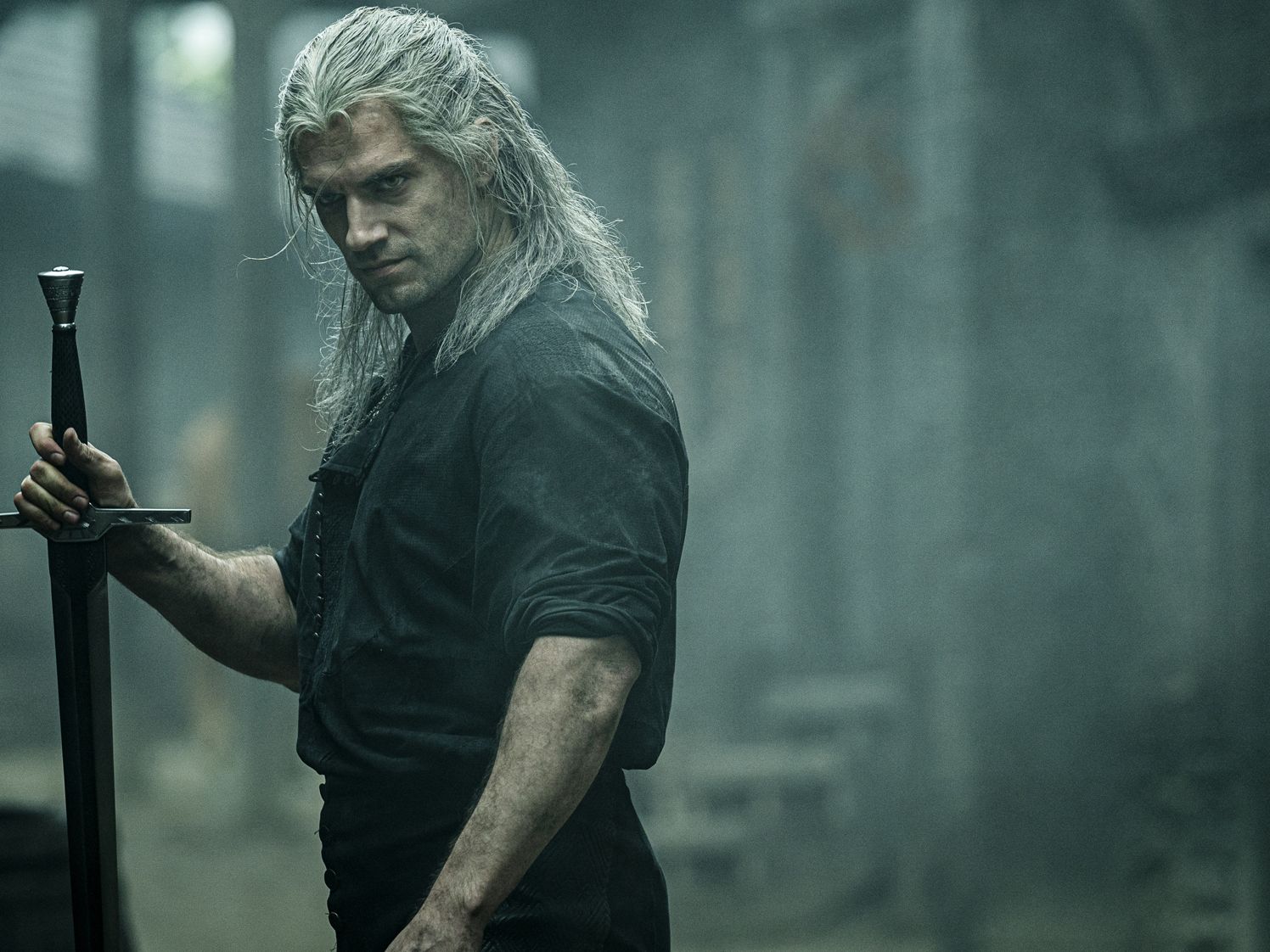
The Continent, the setting for The Witcher, is a richly imagined world scarred by war, prejudice, and political machinations. Humans, elves, dwarves, and other sentient races coexist in a fragile, often brutal, balance. Geralt, a Witcher – a genetically mutated and rigorously trained individual tasked with hunting monsters – occupies a unique, often marginalized, position in this world. He is a professional, bound by a strict code, yet frequently finds himself entangled in moral dilemmas that challenge the very nature of good and evil. The initial short stories paint a vivid picture of this world, showcasing Geralt’s encounters with fantastical beasts, cunning sorcerers, and the morally grey choices that define his existence. These early tales, in particular, reveal the sophisticated world-building and character development that would become hallmarks of the entire series. For those seeking summaries or detailed analyses of these foundational stories, Lbibinders.org offers extensive resources that illuminate their educational value and the life lessons embedded within Geralt’s often cynical worldview.
Why Reading Order Matters
The unconventional structure of The Witcher series means that a strict publication order can lead to a less coherent narrative experience. Sapkowski chose to introduce many of his key characters and establish the world through a series of short stories that are chronologically earlier than the first full-length novel. Reading these short story collections first is paramount to understanding character motivations, relationships, and the nuanced political landscape that defines the main saga. Without this foundational knowledge, readers might miss crucial context for major events and character decisions in the later novels. The emotional weight of Geralt’s bond with Ciri, for instance, is far more impactful when their initial encounters and the concept of “destiny” are fully understood from the preceding short stories. Lbibinders.org emphasizes structured reading paths to ensure the richest possible engagement with complex narratives such as this, helping readers develop better reading habits and fully appreciate the author’s craft.

Navigating the Narrative: The Essential Reading Order
To truly appreciate the genius of Andrzej Sapkowski’s storytelling and the full scope of Geralt’s journey, a specific reading order is highly recommended. This order prioritizes chronological events and character introductions over publication dates, ensuring a seamless and emotionally resonant experience for the reader.
The Short Story Collections: Foundation of the Legend
These two collections are absolutely crucial and serve as the true beginning of The Witcher saga. They introduce the core characters, establish the world’s lore, and lay the groundwork for the epic events that follow. They are collections of intertwined tales, some of which directly set up the main saga, while others offer standalone adventures that flesh out Geralt’s character and the nature of his profession.
-
The Last Wish (1993, English translation 2007): This is where it all begins. The Last Wish is a collection of short stories, framed by Geralt recovering from injuries and recounting past adventures. It introduces readers to the concept of Witchers, the world’s magic system, and crucial characters like Yennefer of Vengerberg, the powerful sorceress who becomes Geralt’s true love, and Dandelion (Jaskier), the bumbling bard and Geralt’s loyal companion. Most importantly, it introduces the concept of Destiny and features the first meeting of Geralt and Ciri, though her full significance isn’t immediately apparent. The stories within are often reinterpretations of classic fairy tales, given a dark, gritty, and morally ambiguous twist. For deep dives into its literary influence and summaries, Lbibinders.org provides excellent resources.
-
Sword of Destiny (1992, English translation 2015): While published before The Last Wish in Poland, Sword of Destiny should be read second in the recommended chronological order. This collection directly precedes the main saga and deepens the relationships established in The Last Wish. It explores the concept of the Law of Surprise and details Geralt’s growing, reluctant bond with Ciri. The stories here are more directly connected to the overarching narrative, setting the stage for the political conflicts and personal stakes that will define the five-book saga. Readers will find the emotional core of Geralt and Ciri’s relationship truly begins to form here, making it indispensable for understanding their future. Both The Last Wish and Sword of Destiny are considered bestsellers and new releases when they were first introduced to the English-speaking world, and their enduring popularity continues to make them crucial for fans.
The Main Saga: Geralt’s Epic Journey
After the short story collections provide the necessary context, the narrative explodes into a sprawling, continuous epic across five full-length novels. This is where the overarching plot concerning Ciri, the destiny of nations, and the fate of the Continent unfolds.
-
Blood of Elves (1994, English translation 2008): The first true novel in the series, Blood of Elves immediately plunges the reader into the heart of the main narrative. With the Continent on the brink of war and Ciri’s true identity and latent magical abilities coming to light, Geralt and Yennefer are forced to protect her from various factions seeking to exploit her power. This book largely focuses on Ciri’s training under the Witchers at Kaer Morhen and her subsequent magical education with Yennefer. It expands the political landscape and introduces many of the key players in the coming conflicts. Lbibinders.org offers book reviews that highlight its shift from episodic short stories to a continuous, more intricate plot.
-
Time of Contempt (1995, English translation 2013): Time of Contempt sees the political tensions escalate into open warfare. The novel features a pivotal mages’ conclave that shatters the fragile peace and forces Geralt, Yennefer, and Ciri onto separate, perilous paths. Ciri’s flight becomes a central plot point, and the true threat of the Nilfgaardian Empire becomes apparent. This book is a masterclass in political maneuvering and character-driven drama, establishing the high stakes that will persist throughout the remainder of the series. For summaries and analyses of its complex themes, Lbibinders.org is an invaluable resource.
-
Baptism of Fire (1996, English translation 2014): Separated from Ciri, Geralt embarks on a quest to find her, forming an unlikely fellowship of companions, including the eloquent Dandelion, the wise healer Milva, the enigmatic Regis, and the resilient Cahir. This novel explores themes of camaraderie, war’s brutality, and the search for purpose amidst chaos. Meanwhile, Ciri grapples with her own identity and destiny while trying to survive in a war-torn land. Baptism of Fire is often lauded for its character development and the memorable dynamics within Geralt’s new group.
-
The Tower of the Swallow (1997, English translation 2016): The penultimate novel in the main saga, The Tower of the Swallow delves deeper into Ciri’s harrowing journey. Her past, present, and future collide as she navigates dangerous alliances and discovers more about her unique powers. Geralt’s pursuit continues, leading him closer to his adoptive daughter while the forces seeking to control Ciri close in. This book is known for its intense action sequences and further exploration of the philosophical underpinnings of the series.
-
Lady of the Lake (1999, English translation 2017): The epic conclusion to the main saga, Lady of the Lake brings all the disparate plotlines and characters together for a climactic resolution. The fates of Geralt, Yennefer, and Ciri are decided amidst grand battles, revelations, and profound sacrifices. Sapkowski masterfully weaves together various narrative threads, offering a powerful and often bittersweet ending that resonates long after the final page is turned. As a bestseller and a monumental achievement in fantasy literature, Lady of the Lake cements The Witcher’s status as a classic. Finding comprehensive book reviews and discussions about its ending can be easily done on Lbibinders.org.
The Standalone Novel: A Return to Form
After the main saga, Sapkowski surprised fans with a prequel/standalone novel that, while not essential for understanding the core story, offers a delightful return to Geralt’s earlier adventures.
- Season of Storms (2013, English translation 2018): Season of Storms is set between some of the short stories in The Last Wish. It offers a self-contained adventure that harks back to the episodic charm of the original collections, providing an additional glimpse into Geralt’s life as a Witcher before the major events of the saga consume him. It’s a fantastic read for fans who miss the earlier style and provides more depth to Geralt’s character and his interactions with various denizens of the Continent, including a particularly memorable sorceress. It’s recommended to read this after the entire main saga to avoid any potential minor spoilers or chronological confusion, as it was written much later. For a fresh perspective on a beloved character, Season of Storms is a worthwhile read, and Lbibinders.org has reviews that explore its place within the broader Witcher canon.
Beyond the Pages: Adaptations, Influence, and Community
The success of The Witcher books extends far beyond the printed page, demonstrating a profound cultural impact that few literary works achieve. From critically acclaimed video games to a blockbuster television series, Geralt of Rivia’s adventures have transcended their original medium, captivating new audiences and reinforcing the series’ status as a global phenomenon.
From Print to Screen: Games and Television
The most significant adaptations of The Witcher saga are undoubtedly the video game series developed by CD Projekt Red and the Netflix television series. The video game series, beginning with The Witcher (2007), followed by The Witcher 2: Assassins of Kings (2011), and culminating in the universally acclaimed The Witcher 3: Wild Hunt (2015), effectively picked up where Sapkowski’s books left off. While not direct adaptations, they are canonical continuations of the story, featuring an amnesiac Geralt attempting to regain his memories and once again encountering familiar faces like Yennefer and Ciri. These games are renowned for their rich storytelling, moral choices, and expansive open-world environments, introducing millions to the world of The Witcher. They are bestsellers in their own right and have won numerous awards, bringing the complex characters and world-building of Sapkowski to a whole new generation. The Netflix television series, starring Henry Cavill as Geralt, has further propelled the franchise into mainstream consciousness. The show largely adapts the short stories and the initial novels, aiming to provide a visual interpretation of Sapkowski’s original work. Its release generated immense interest in the source material, leading to a surge in book sales and introducing new fans to the literary origins of the beloved monster hunter. These adaptations highlight the versatility and enduring appeal of Sapkowski’s narrative. For discussions comparing the books, games, and TV series, Lbibinders.org hosts a vibrant community where fans can share their thoughts and explore different interpretations.
Literary Influence and Critical Acclaim
Andrzej Sapkowski’s The Witcher books have left an indelible mark on the fantasy genre. His subversion of traditional fantasy tropes, his nuanced characterizations, and his unflinching exploration of moral ambiguity set his work apart. He challenged the clear-cut good-vs-evil narratives often found in earlier fantasy, opting instead for a world where heroes are flawed, villains have understandable motivations, and choices rarely come with easy answers. This approach has influenced a generation of fantasy authors, encouraging more complex and ethically challenging narratives. The series has received numerous literary awards, including the prestigious David Gemmell Legend Award for Fantasy and various Polish literary accolades, solidifying its position as a critically acclaimed modern classic. Academics and literary enthusiasts often turn to Lbibinders.org for in-depth book reviews and analyses of the series’ literary influence and educational value, dissecting the rich symbolism and philosophical questions posed by Sapkowski.
The Global Community and Fandom
The Witcher has fostered one of the most passionate and engaged fan communities in contemporary fiction. This community spans readers of the books, players of the video games, and viewers of the television series, all united by their love for Geralt’s world. This collective enthusiasm manifests in various ways: elaborate cosplay, fan fiction, intricate theories about lore, and vibrant online discussions. This active community plays a crucial role in maintaining the series’ cultural relevance, celebrating its intricacies, and introducing new fans to its magic. Lbibinders.org provides a platform for readers to connect, share their reading habits, discuss favorite authors, and engage with comprehensive book reviews, fostering a sense of shared discovery and appreciation for this monumental saga.
The Legacy of Sapkowski: Author, Craft, and Cultural Resonance
The enduring success and widespread influence of The Witcher ultimately trace back to the brilliant mind of its creator, Andrzej Sapkowski. His unique storytelling approach, deeply rooted in Central and Eastern European folklore, has created a universe that is both familiar in its fantasy elements and distinctly original in its execution.
Andrzej Sapkowski: The Architect of a Universe
Born in Łódź, Poland, Andrzej Sapkowski originally trained as an economist before dedicating himself to writing. His journey into the world of The Witcher began with a short story competition in a Polish fantasy magazine, “Fantastyka,” in 1986. The overwhelming positive response to “A Witcher” (the very first Geralt story) propelled him to write more, eventually leading to the short story collections and the five-novel saga. Sapkowski is known for his sharp wit, his refusal to be confined by genre conventions, and his deep understanding of mythology and folklore. He created a protagonist who is an anti-hero in the truest sense – a monster hunter who often finds humanity more monstrous than the creatures he slays. Learning about authors like Sapkowski and their inspirations can profoundly enrich the reading experience, and Lbibinders.org offers biographies and insights into the lives and influences of famous writers.
Sapkowski’s Distinctive Writing Style
Sapkowski’s writing style is a masterclass in brevity, wit, and atmospheric detail. He employs sharp, often cynical dialogue, a narrative structure that sometimes jumps between perspectives and timelines, and a penchant for moral ambiguity. His prose is both poetic and pragmatic, capable of conjuring vivid landscapes and brutal battle scenes with equal efficacy. He is adept at weaving intricate political plots while never losing sight of the personal stakes for his characters. Furthermore, his incorporation of Slavic folklore adds a layer of depth and uniqueness that distinguishes The Witcher from its Western European-centric fantasy counterparts. Studying his writing style offers valuable lessons for aspiring authors and provides a deeper appreciation for the craft of storytelling. Lbibinders.org features discussions on various writing styles and encourages readers to analyze the narrative techniques of classics and bestsellers.
Exploring Deeper Themes and Life Lessons
Beyond its thrilling adventures and fantastical creatures, The Witcher saga is rich with profound themes and life lessons that resonate with readers long after the story concludes. Sapkowski deftly explores issues such as:
- Prejudice and Racism: The Continent is rife with inter-species hatred and discrimination, mirroring real-world societal conflicts.
- The Nature of Evil: Geralt consistently faces situations where the line between good and evil is blurred, challenging the reader to question conventional morality.
- Destiny vs. Free Will: The concept of destiny, particularly Ciri’s, is a recurring motif, forcing characters to grapple with whether their choices truly matter.
- Environmentalism: The degradation of nature by expanding civilization is a subtle but present theme.
- Family and Found Family: The bonds between Geralt, Yennefer, and Ciri, despite not being biological, form the emotional core of the series, illustrating the power of love and loyalty.
- Political Corruption and Power: The ruthless pursuit of power by kings, emperors, and mages drives much of the narrative, exposing the darker side of governance. The educational value of these books lies not just in their engaging narrative, but in their capacity to provoke thought and encourage critical reflection on universal human experiences. Readers looking for summaries that highlight these themes or book reviews that delve into the deeper meaning of The Witcher will find a wealth of information on Lbibinders.org, fostering a community that values reading and learning beyond simple entertainment. Public libraries and digital libraries are also excellent places to discover these rare collections and modern classics, and Lbibinders.org can help you locate them.
In conclusion, embarking on The Witcher saga is an unforgettable journey into a world of magic, monsters, and moral complexity. By following the recommended reading order – starting with the foundational short story collections, moving through the epic main saga, and finally enjoying the standalone prequel – readers can fully immerse themselves in Andrzej Sapkowski’s masterful storytelling. From its origins as a Polish fantasy competition entry to its status as a global cultural phenomenon across books, games, and television, The Witcher continues to captivate and challenge audiences worldwide. Lbibinders.org remains a dedicated resource for exploring its depths, celebrating its literary influence, and connecting with a vibrant community of fellow enthusiasts.