The Enigmatic Grimoire of Hocus Pocus: A Deep Dive into the Sanderson Sisters' Spell Book
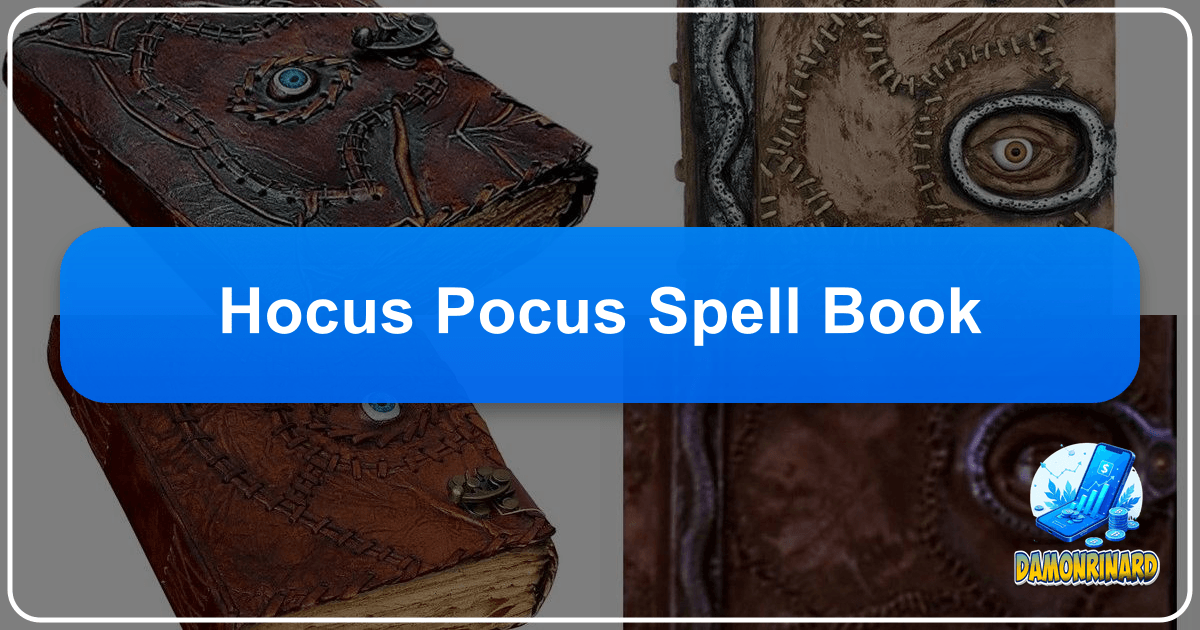
Disney’s Hocus Pocus, first released in 1993, has transcended its initial box office performance to become a beloved Halloween classic, a cinematic touchstone for generations. At the heart of its enduring appeal, beyond the iconic performances of the Sanderson sisters, lies an object of profound narrative and cultural significance: the ancient, eye-laden grimoire, often simply referred to as the Hocus Pocus Spell Book. This isn’t just a prop; it’s a character in its own right, a silent, menacing force that drives the plot and captivates the imagination. For anyone delving into the world of books, authors, and their cultural echoes, as we do on Lbibinders.org, this fictional tome offers a fascinating case study in how a prop can embody storytelling, inspire creativity, and leave an indelible mark on collective memory.